Artwork
Misery (La Misère)
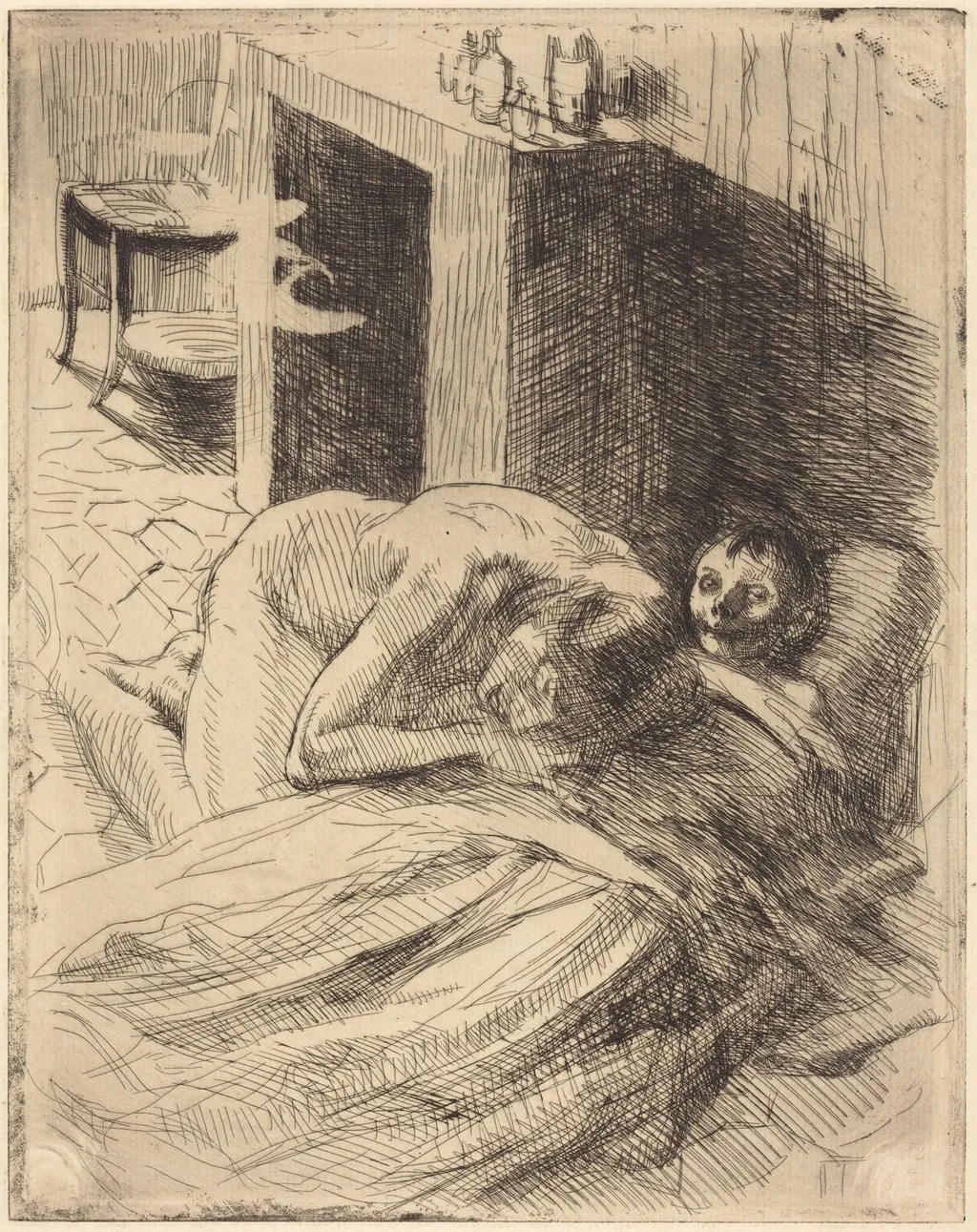
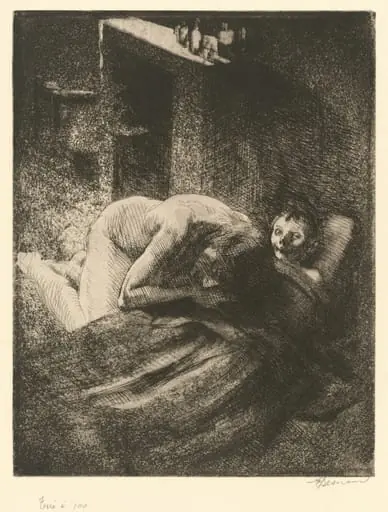
Misery (La Misère) is an ink print by the Impressionist artist Paul-Albert Besnard. It dates from 1886 and is held in the collection of the National Gallery of Art. Albert Besnard’s etching La Misère, dated around 1886, presents a solitary figure reclined on a modest bed.
About this work
Overview
Albert Besnard’s etching La Misère, dated around 1886, presents a solitary figure reclined on a modest bed. The scene is set in a sparsely furnished room illuminated by subdued light, with a small table and chair tucked into a corner. The composition conveys a palpable sense of desolation, emphasizing the emotional weight of the subject rather than decorative detail.
Subject & Meaning
The central figure lies beneath a blanket, his posture and the surrounding emptiness suggesting exhaustion or grief. Plain walls and minimal furnishings reinforce a feeling of isolation, inviting viewers to contemplate the universal experience of hardship. The work’s title, “Misère,” underscores the focus on human suffering without romanticizing the condition.
Technique & Style
Besnard employs fine etched lines and graduated shading to model the figure with a high degree of realism, while the background recedes in softer, more diffuse tones. This contrast between precise rendering and a loosely suggested environment creates depth and texture, allowing the viewer’s eye to move from the detailed foreground to the impressionistic surroundings.
Context
Created in the late nineteenth century, La Misère aligns with the Realist movement’s commitment to portraying everyday life and its hardships in an unembellished manner. Besnard’s approach reflects contemporary artistic concerns with truthfulness and social observation, situating the work among other realist prints that prioritize ordinary subjects over idealized narratives.
Artist & collection
Artist
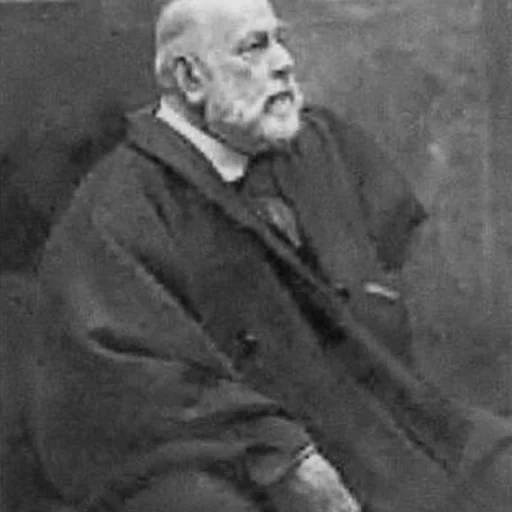
Paul-Albert Besnard (1849–1934) was a French artist, born in 7th arrondissement of Paris.

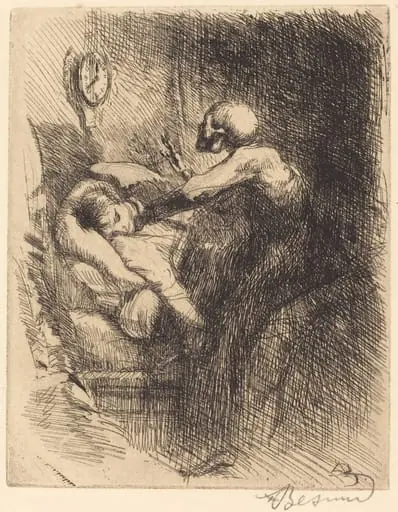 Punctual (Ponctuelle)
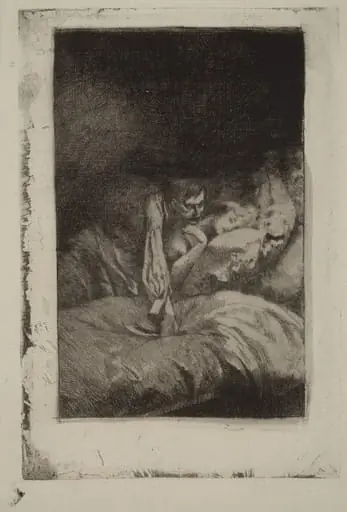 The Murder (Le Meurtre)
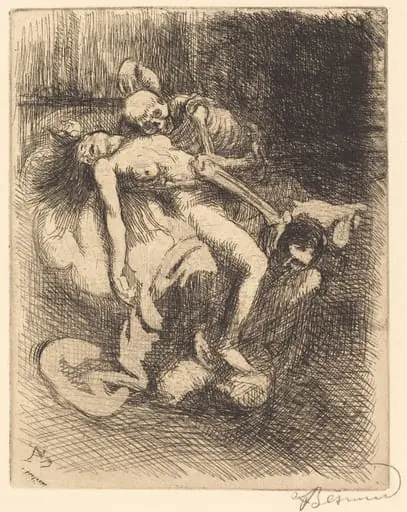 Possession (La possession)
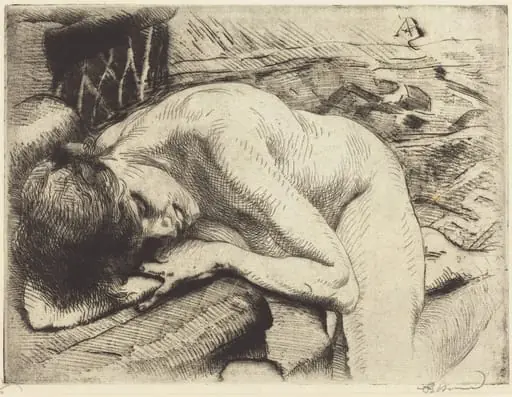 Model Asleep on the Floor (Le modèle endormi à terre)
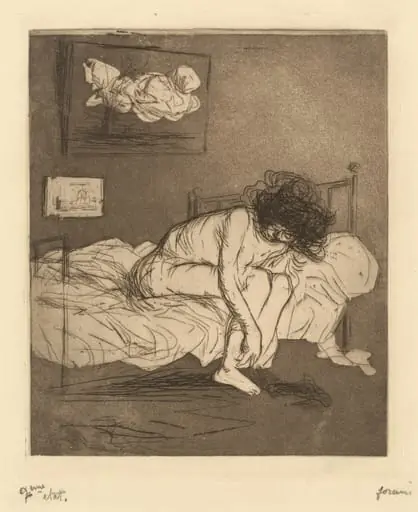 Femme mettant son bas (Woman Putting On Her Stockings)
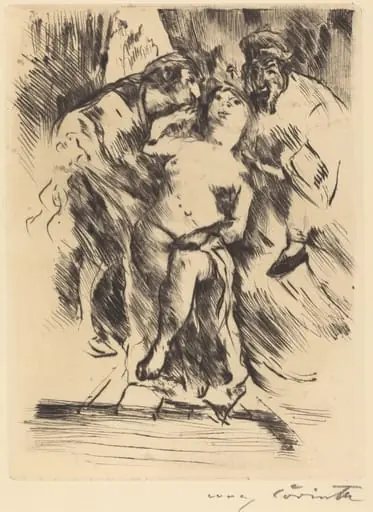 Susanna im Bade (Susanna in the Bath)
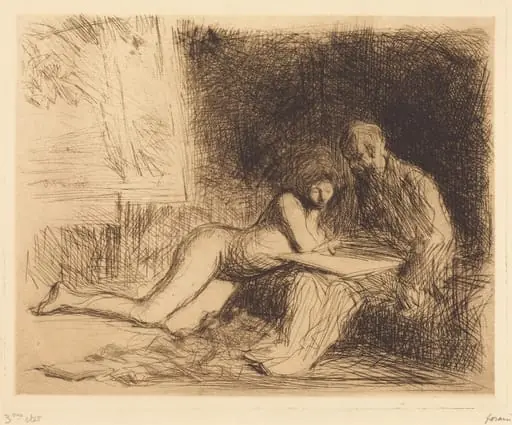 Le repos du modèle (4e planche) (The Model's Rest) (fourth plate)
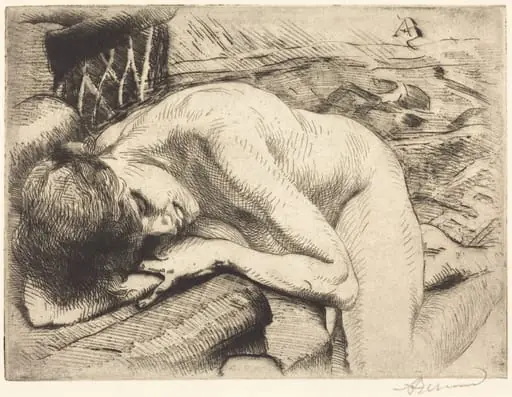 Model Asleep on the Floor (Le modèle endormi à terre)
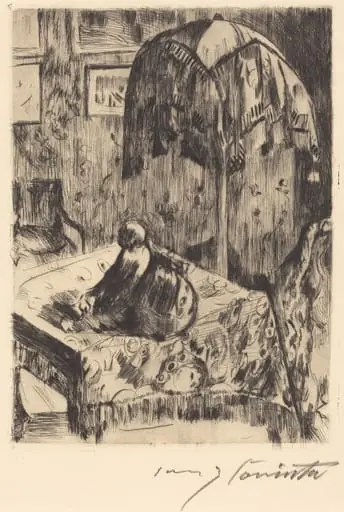 Interieur mit Stehlampe (Interior with Floor Lamp)
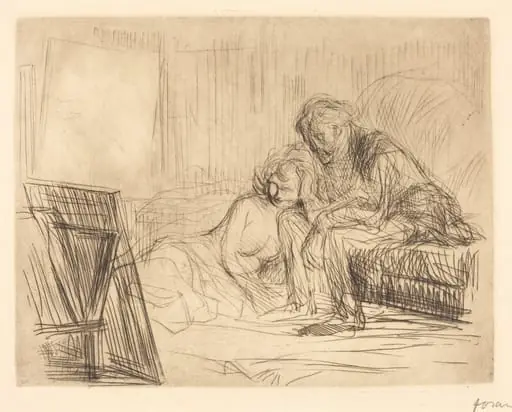 Le repos du modèle (1ère planche) (The Model's Rest) (first plate)
 The Dead Man (Der tote Mann)
 Misery (La Misère)