Artwork
Print I
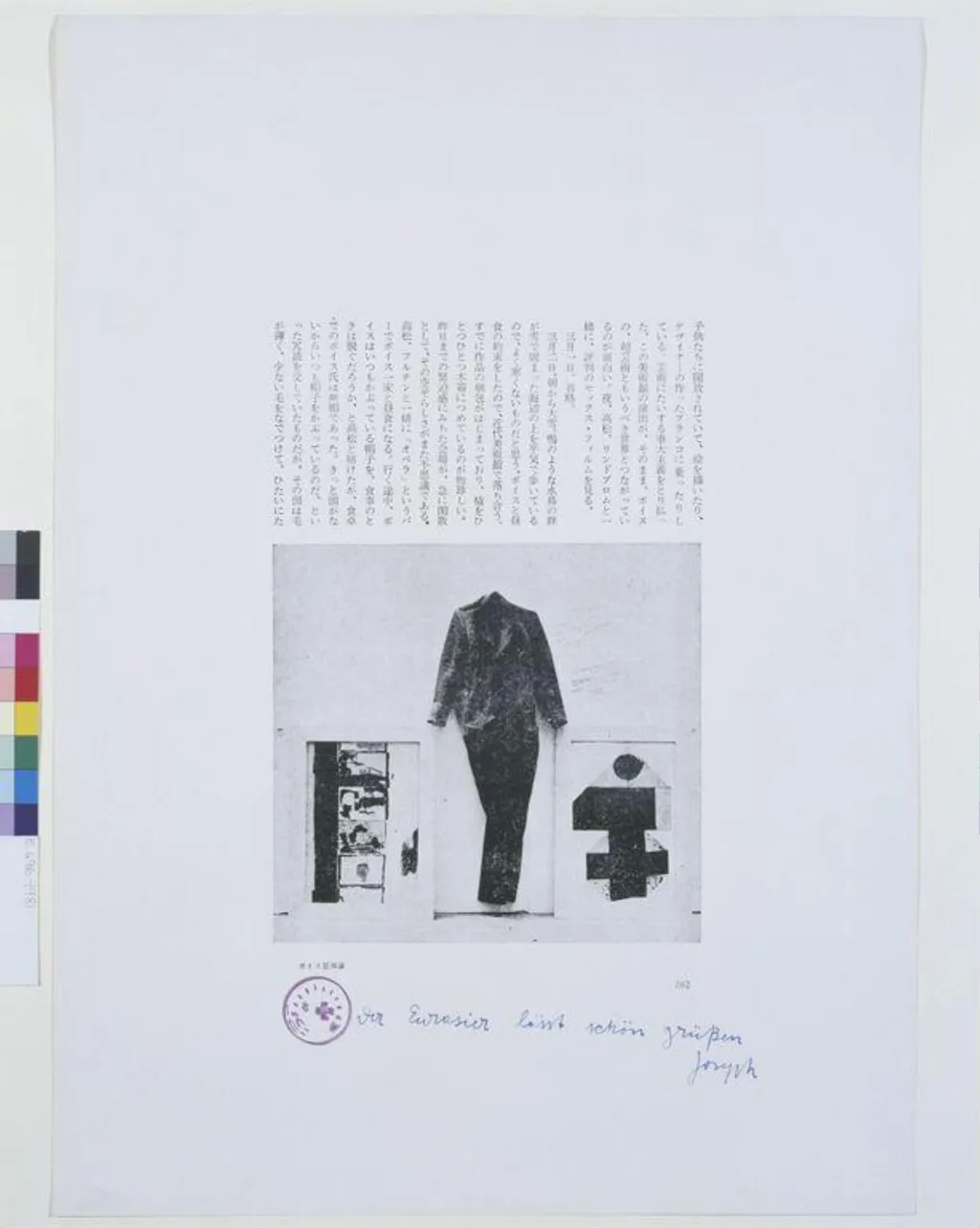
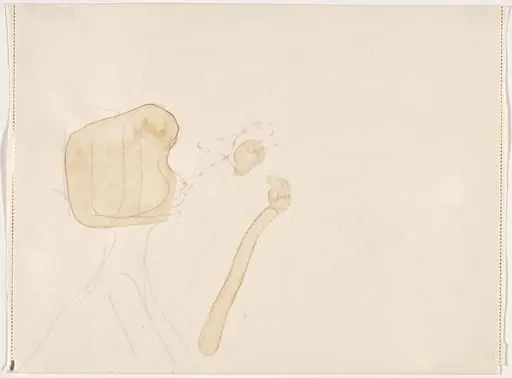
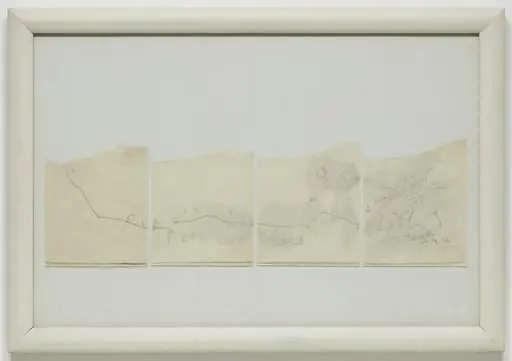
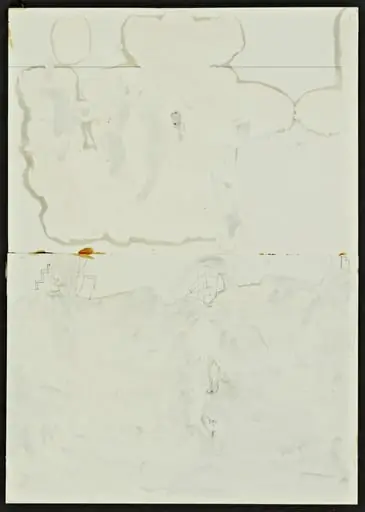
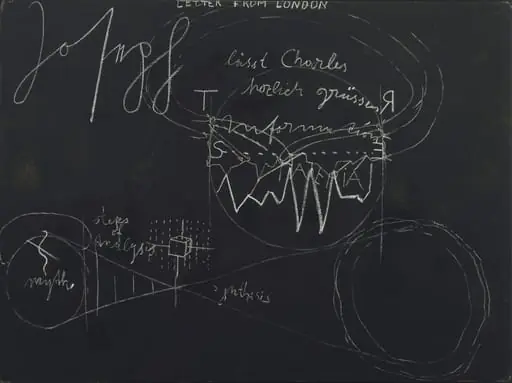
Print I is a print by Joseph Beuys. It dates from 1971 and is held in the collection of the Victoria and Albert Museum.
About this work
After a plane crash in 1943, Beuys was saved by Tatars who used felt and fat to treat his wounds.
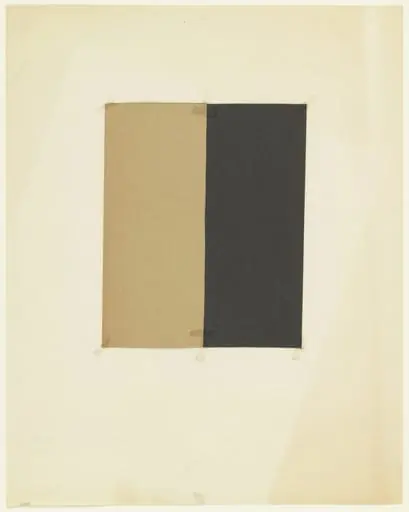
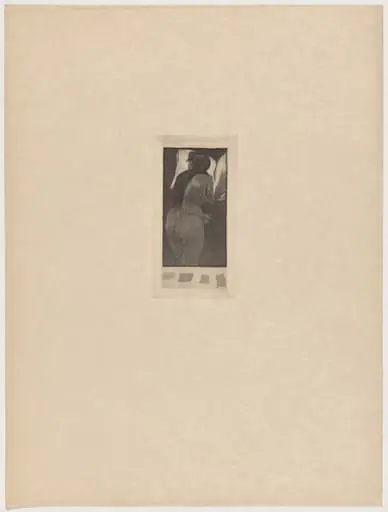
Joseph Beuys made this print in 1971. It’s part of a pair at the Victoria and Albert Museum in London. The image uses simple symbols—felt and a cross—to share a personal story.
After a plane crash in 1943, Beuys was saved by Tatars who used felt and fat to treat his wounds. This print honors them, linking the felt suit and the cross to survival and kindness.
Look up the Victoria and Albert Museum for more of his work.
Overview
Created in 1971, this print by Joseph Beuys is one of two related works held by the Victoria and Albert Museum. It belongs to a series of printed images that distill personal memory into symbolic form. Unlike traditional prints, it does not depict a scene but rather condenses a life-altering event into two recurring motifs: the felt suit and the cross. These elements recur across Beuys’s broader body of work as markers of survival and transformation.
Subject & Meaning
The print centers on two symbols: a felt suit and a cross. The felt suit references the garment Beuys wore after being rescued in 1943, while the cross evokes both spiritual endurance and the practical survival kits used by the Tatar people. Together, they honor the nomadic rescuers who saved his life, transforming personal trauma into a universal gesture of compassion. The imagery avoids literal representation, instead inviting contemplation of care and resilience.
Technique & Style
Beuys employed a minimalist graphic style, using stark lines and flat tonal areas to render the symbols. The print’s simplicity reflects his conceptual approach—form is stripped to its essential elements, prioritizing meaning over aesthetic complexity. No shading or detail obscures the symbols; their clarity ensures immediate recognition. The technique aligns with his broader practice of using repetition and reduction to embed personal history into public symbolism.
History & Provenance
This print was produced in 1971 as part of a paired set, with its companion held at the Victoria and Albert Museum in London. Both were created during a period when Beuys was increasingly focused on translating his wartime experience into artistic language. The works entered the V&A’s collection in 1981, following Beuys’s rising influence in postwar European art. Their preservation reflects institutional recognition of his unique fusion of biography and symbolism.
Context
Beuys developed this imagery during the 1960s and 70s, a time when many artists were redefining art as a vehicle for social and psychological inquiry. His use of felt and fat—materials tied to his wartime survival—challenged conventional artistic media. In this context, the print functions not as decoration but as a quiet act of testimony, embedding personal history within a broader discourse on healing and collective memory.
Legacy
The print’s enduring presence in museum collections underscores its role in expanding the boundaries of printmaking. By reducing imagery to symbolic essentials, Beuys influenced later artists who prioritize narrative over representation. The work remains a touchstone for discussions on trauma, memory, and the ethical dimensions of art-making, continuing to prompt reflection on how personal survival can inform public expression.
Artist & collection
Artist
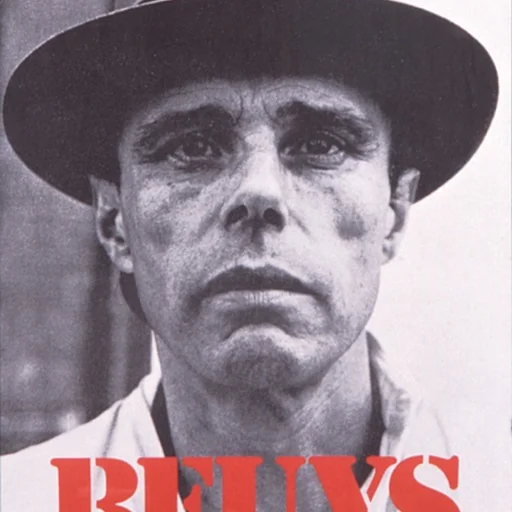
Joseph Heinrich Beuys ( BOYSS; German: ; 12 May 1921 – 23 January 1986) was a German artist, teacher, performance artist, and art theorist whose work reflected concepts of humanism and sociology.