Artwork
Untitled
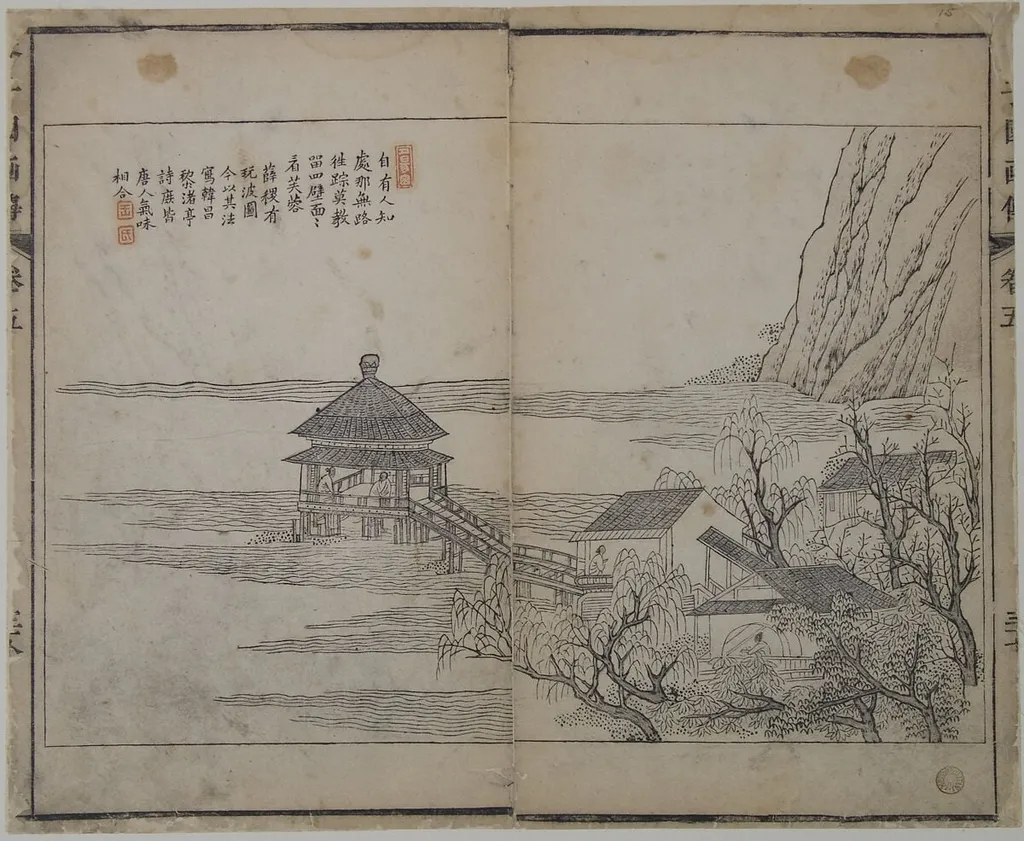
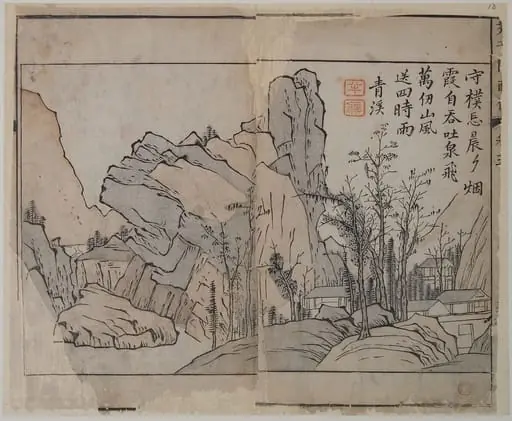
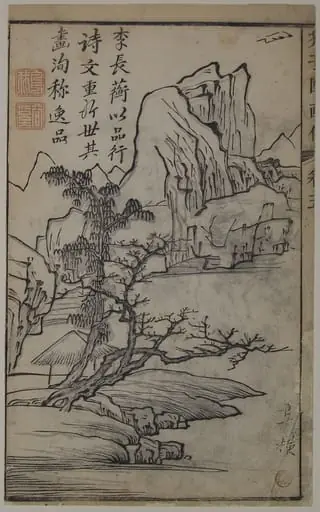
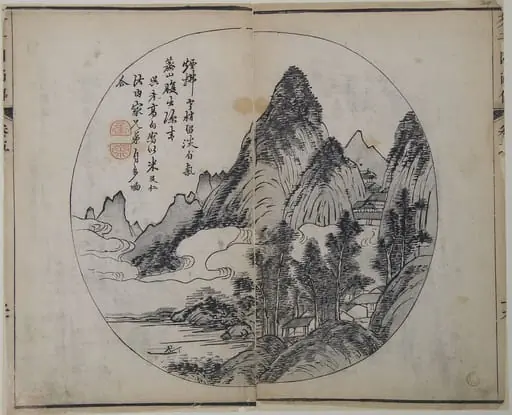
Untitled is an ink print by Bi Ji. It is held in the collection of the Metropolitan Museum of Art.
About this work
Overview
The composition balances stillness and suggestion, using minimal strokes to evoke natural elements without overt detail.
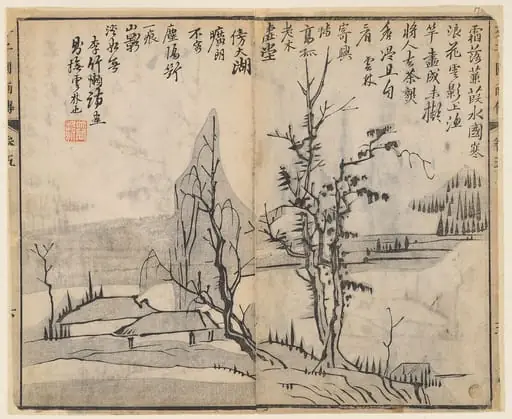
This polychrome woodblock print, attributed to Bi Ji, is part of The Metropolitan Museum of Art’s print collection. It depicts a tranquil lakeside scene rendered in ink and subtle color on paper. The composition balances stillness and suggestion, using minimal strokes to evoke natural elements without overt detail. Its quiet atmosphere reflects a tradition of contemplative landscape representation in East Asian printmaking.
Subject & Meaning
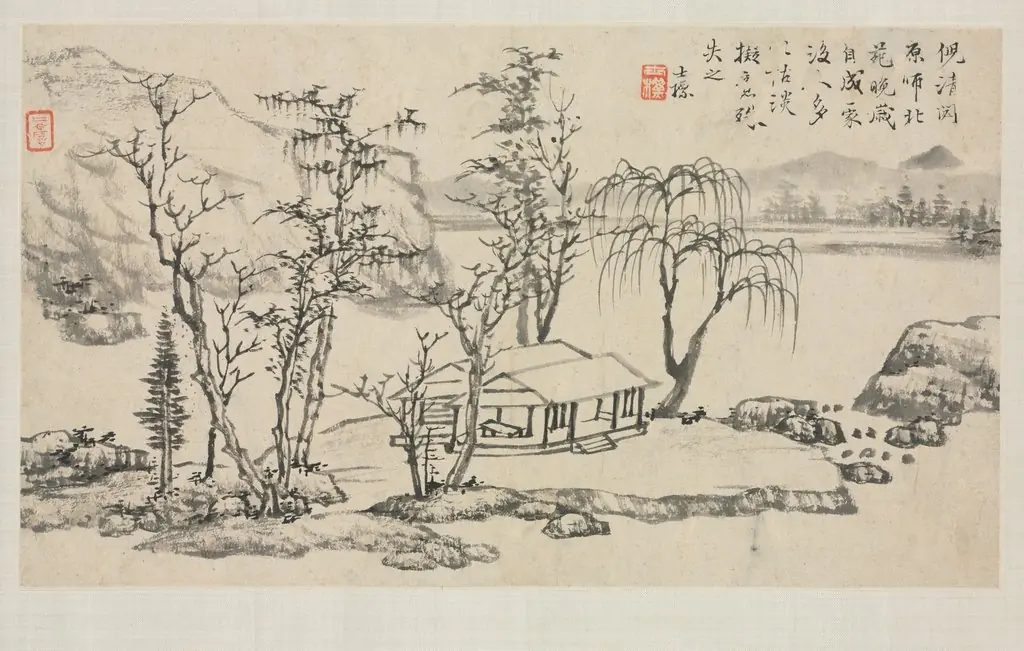
The scene centers on a wooden pavilion accessible by a narrow bridge, isolated on calm water. A solitary figure sits beneath a tree near a thatched hut, while a distant mountain anchors the horizon. These elements suggest a retreat from daily life, evoking themes of solitude and harmony with nature. The absence of narrative action invites quiet reflection rather than storytelling.
Technique & Style
Fine, controlled lines define forms without heavy outlines, particularly in the water’s ripples and the delicate rendering of foliage. Shading is achieved through sparse cross-hatching and graded ink washes, not solid fills. The artist leaves much to implication—trees and waves are suggested with a few precise strokes, emphasizing restraint and the aesthetic of emptiness common in ink traditions.
History & Provenance
The print is documented in The Metropolitan Museum of Art’s collection as a work by Bi Ji, though little is publicly known about the artist’s life or the print’s early ownership. It entered the museum’s holdings through established acquisition channels, likely as part of a broader collection of East Asian prints assembled in the early 20th century.
Context
Created within the tradition of Chinese literati printmaking, the work aligns with ideals of understated expression and natural harmony. Its composition echoes landscape paintings from the Ming and Qing dynasties, where architecture and figures are integrated subtly into nature. Such prints were often produced for private collectors, valued for their meditative qualities over decorative impact.
Legacy
As an example of restrained woodblock technique, this print contributes to the understanding of how ink and color were used to convey mood rather than detail. It reflects a broader aesthetic in East Asian art where absence and suggestion hold as much weight as presence. Its preservation in a major institution underscores its role in transmitting these principles to Western audiences.
Artist & collection

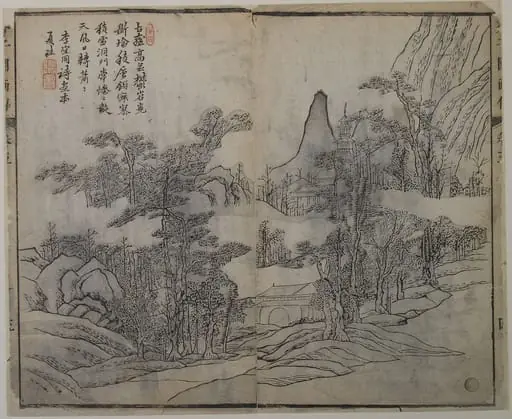 清 王槩 設計,李漁出版 芥子園畫傳 版本|Landscape after Xia Gui (active ca. 1195–1230), from the Mustard Seed Garden Manual of Painting
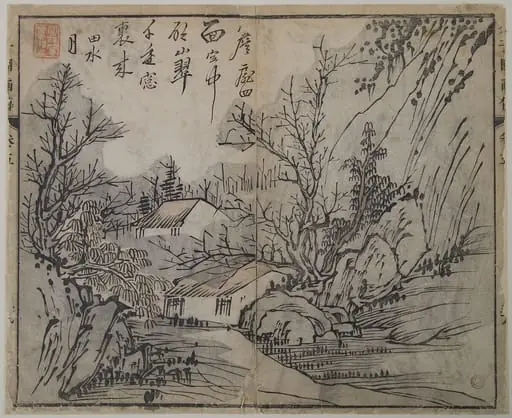 Untitled
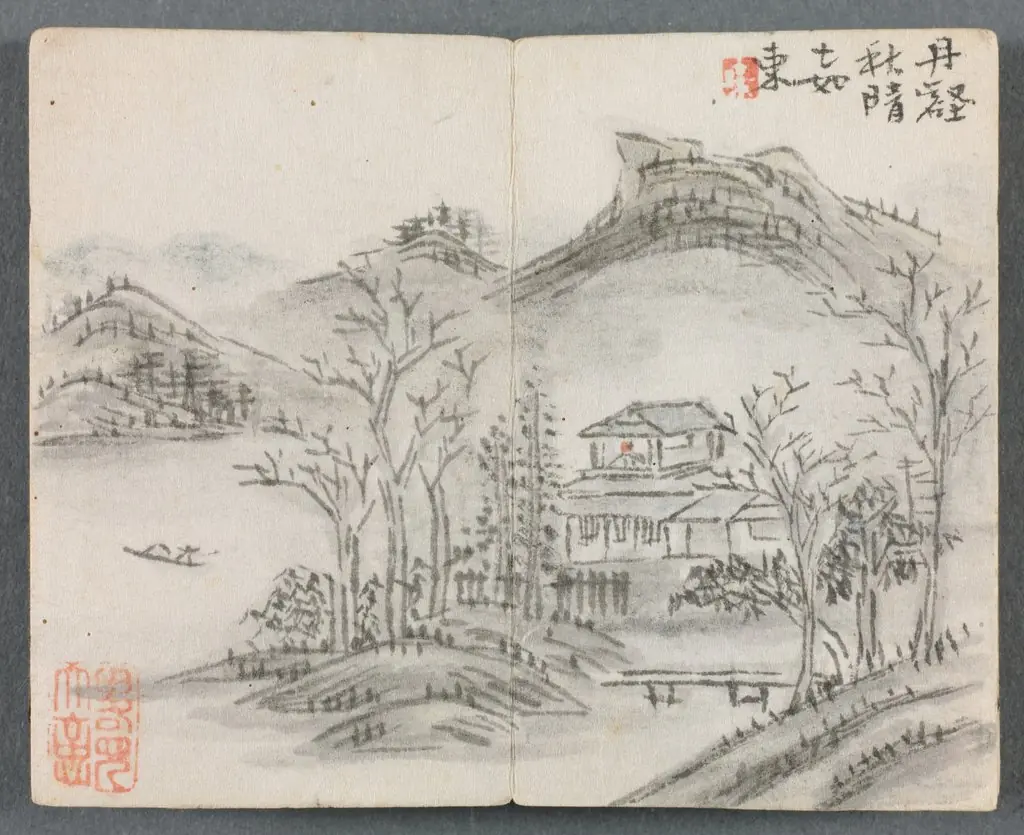 Miniature Album with Figures and Landscape (Landscape with Hill, House, Boat and Bridge)
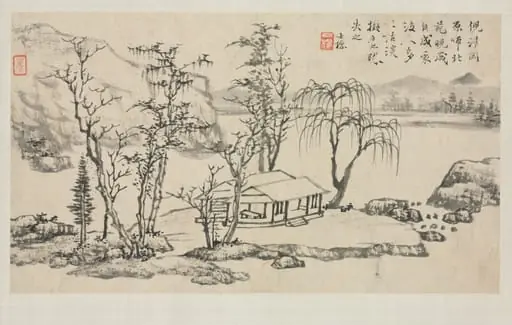 Landscape Album in Various Styles: Landscape after Ni Zan
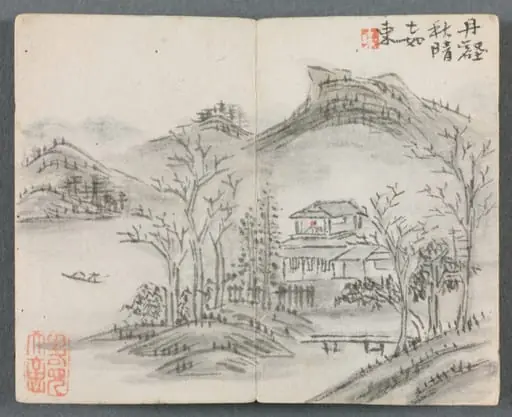 Miniature Album with Figures and Landscape (Landscape with Hill, House, Boat and Bridge)
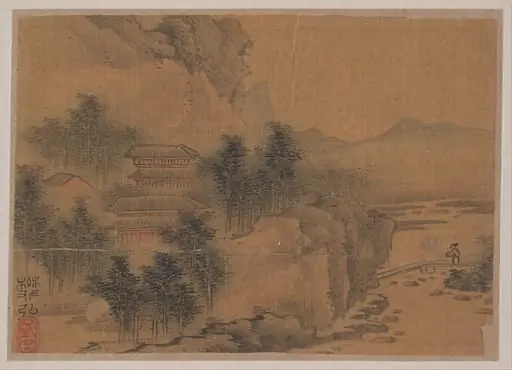 Untitled
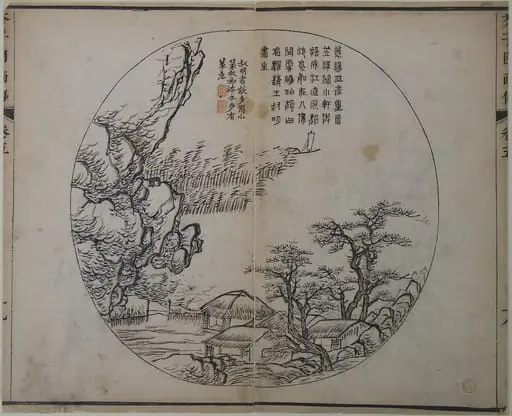 Untitled
 Untitled
 Landscape Album in Various Styles: Landscape after Ni Zan
 清 王槩 畫圖、李漁出版 《芥子園畫傳》 木版畫|Page from the Mustard Seed Garden Manual of Painting
 Untitled
 Untitled