Artwork
Untitled
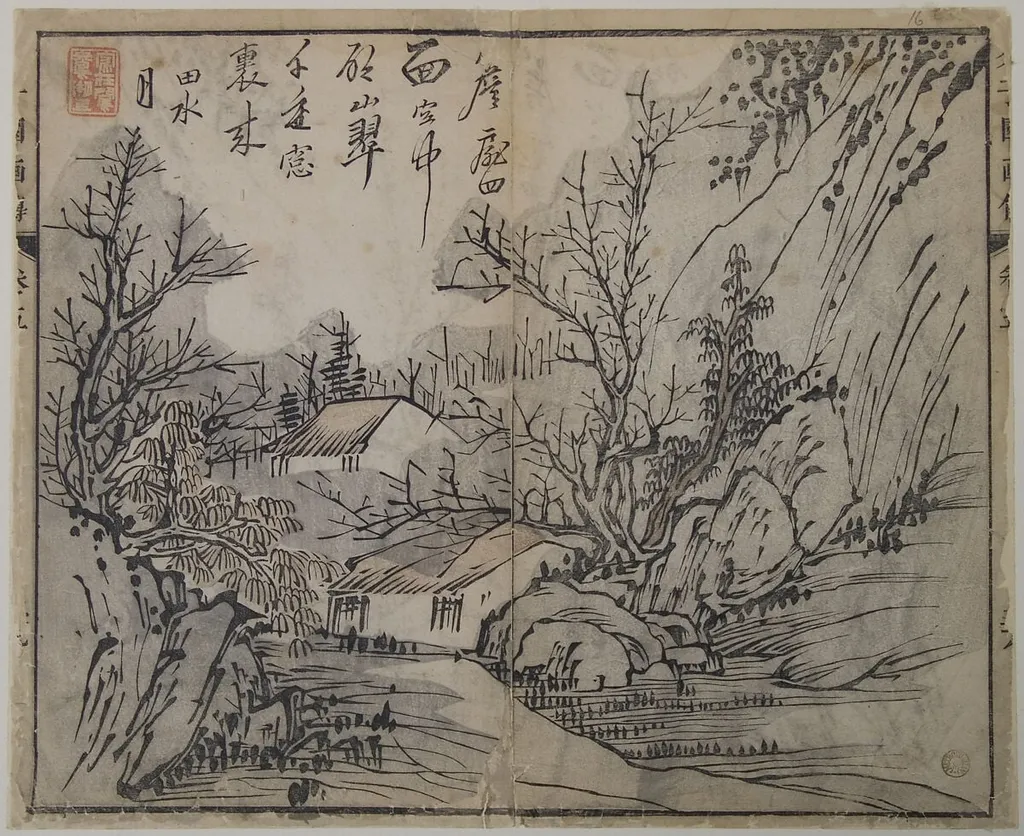
Untitled is an ink print by Xu Wei. It dates from 1567 and is held in the collection of the Metropolitan Museum of Art.
About this work
Overview
The piece is part of the collection at The Metropolitan Museum of Art, where it is preserved as an example of late 16th-century Chinese printmaking.
This polychrome woodblock print, dated around 1567, is attributed to the Ming dynasty artist Xu Wei. Executed in ink and color on paper, it belongs to a body of work that blends literary expression with visual form. The piece is part of the collection at The Metropolitan Museum of Art, where it is preserved as an example of late 16th-century Chinese printmaking. Its modest scale and restrained palette reflect the aesthetic values of scholar-artist traditions.
Subject & Meaning
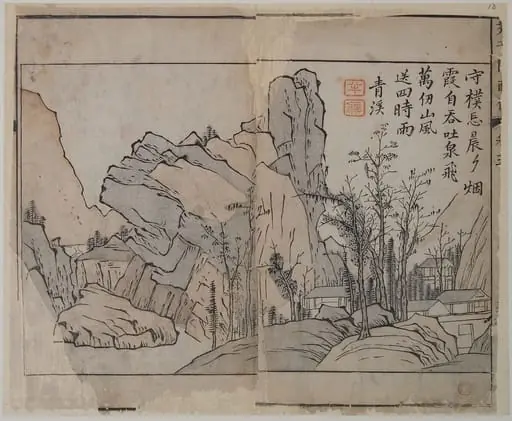
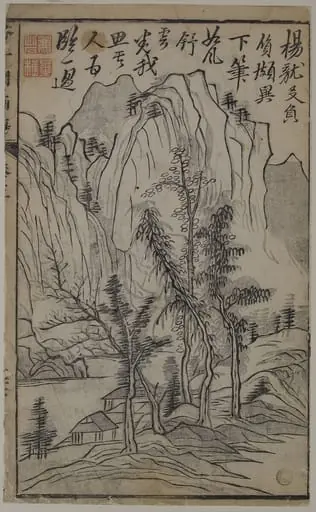
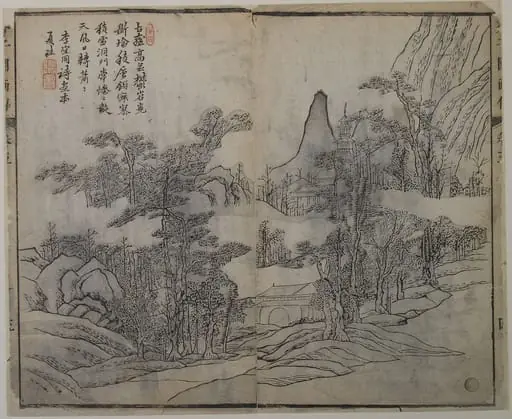
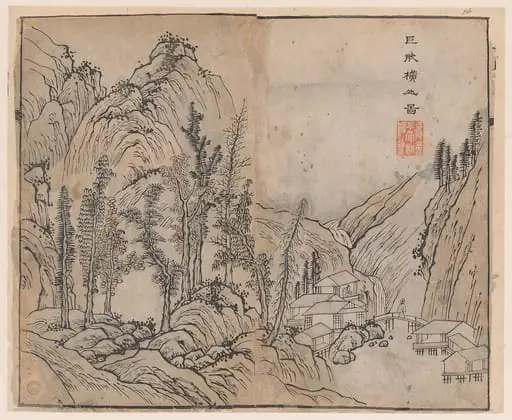
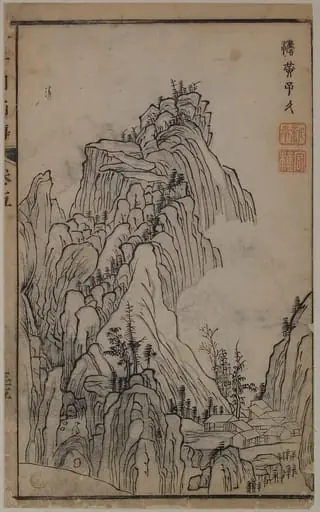
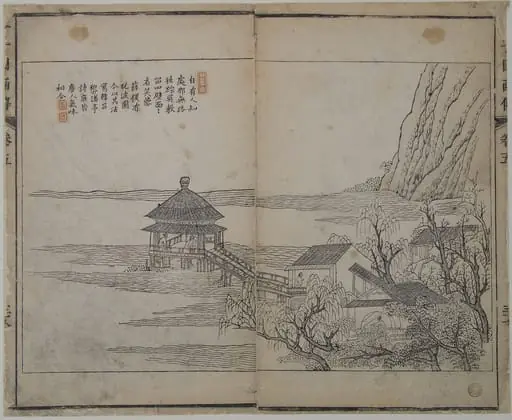
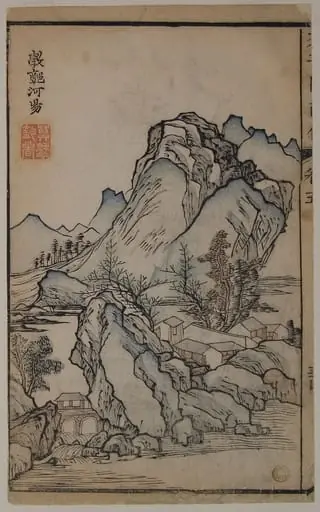
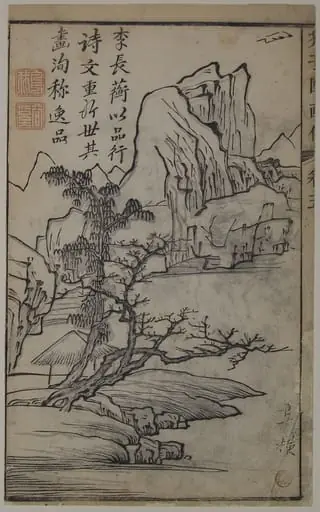
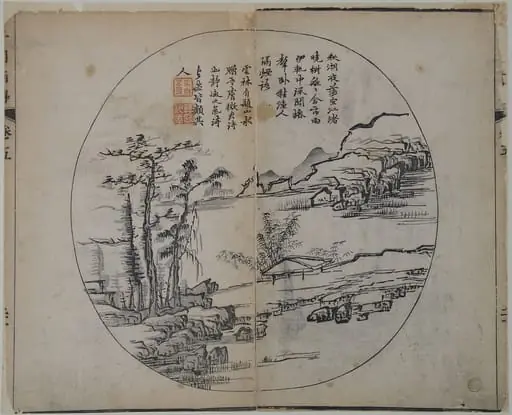
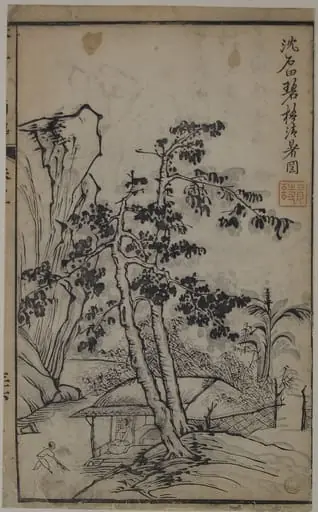
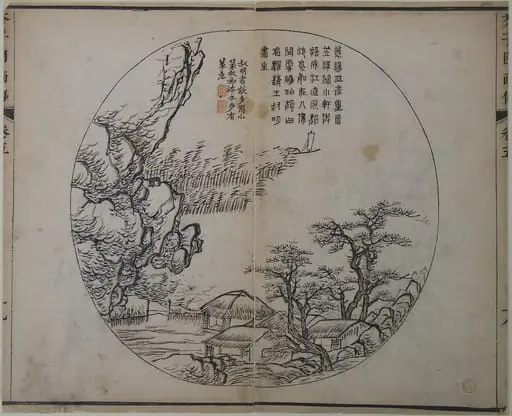
The composition depicts a quiet rural scene: a modest dwelling nestled among gnarled trees and weathered rocks, with distant peaks rising behind. The absence of human figures and the stillness of the environment suggest contemplation rather than narrative. Such landscapes in Xu Wei’s work often convey a retreat from worldly affairs, aligning with Daoist and Chan Buddhist ideals of solitude and harmony with nature.
Technique & Style
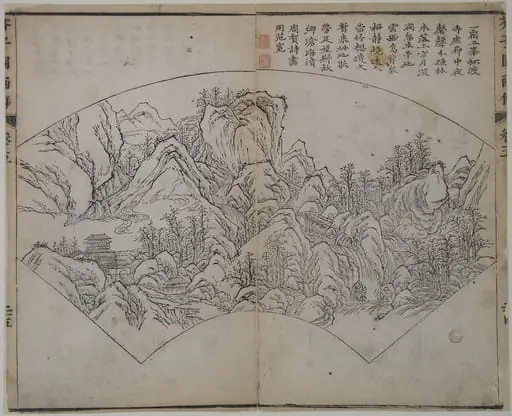
The image is rendered through woodblock printing, with bold, fluid black outlines defining natural forms and subtle washes of color adding depth. The brushwork is deliberate yet unrefined, avoiding ornamental detail in favor of expressive simplicity. Muted earth tones—ochres, grays, and soft greens—enhance the sense of quietude. The technique reflects the scholar-artist preference for spontaneity over polished finish.
History & Provenance
Created during Xu Wei’s later years, the print likely emerged from his private studio in Shaoxing, where he produced works outside official court circles. Its survival into the modern era is uncommon, as many woodblock prints from this period were ephemeral or lost. The Metropolitan Museum acquired it in the 20th century, likely through a private collection with ties to early Western interest in Chinese prints.
Context
Xu Wei worked during a time of cultural ferment in Ming China, when literati increasingly turned to art as personal expression rather than service to the state. His prints diverged from academic norms, embracing irregularity and emotional intensity. This piece aligns with a broader movement among scholar-artists who used nature imagery to articulate inner states, often in response to political disillusionment or personal hardship.
Legacy
Though Xu Wei was not widely recognized in his lifetime, later generations of artists and collectors came to value his unorthodox style. His prints, including this one, influenced the development of individualistic expression in Chinese art. Today, they are studied as key examples of how printmaking could serve as a vehicle for personal vision, bridging the gap between calligraphy, painting, and poetic sentiment.
Artist & collection

Artist
Xu Wei lived in 16th-century China, moving between cities as he chased his many interests.