Artwork
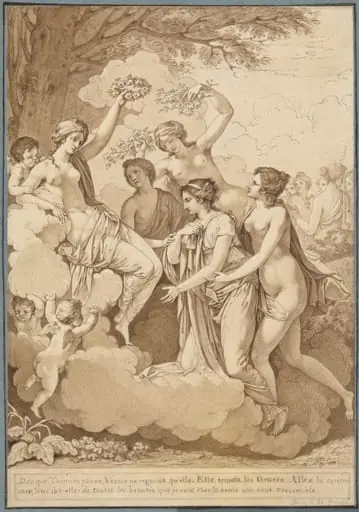
Venus with the Graces and Putti
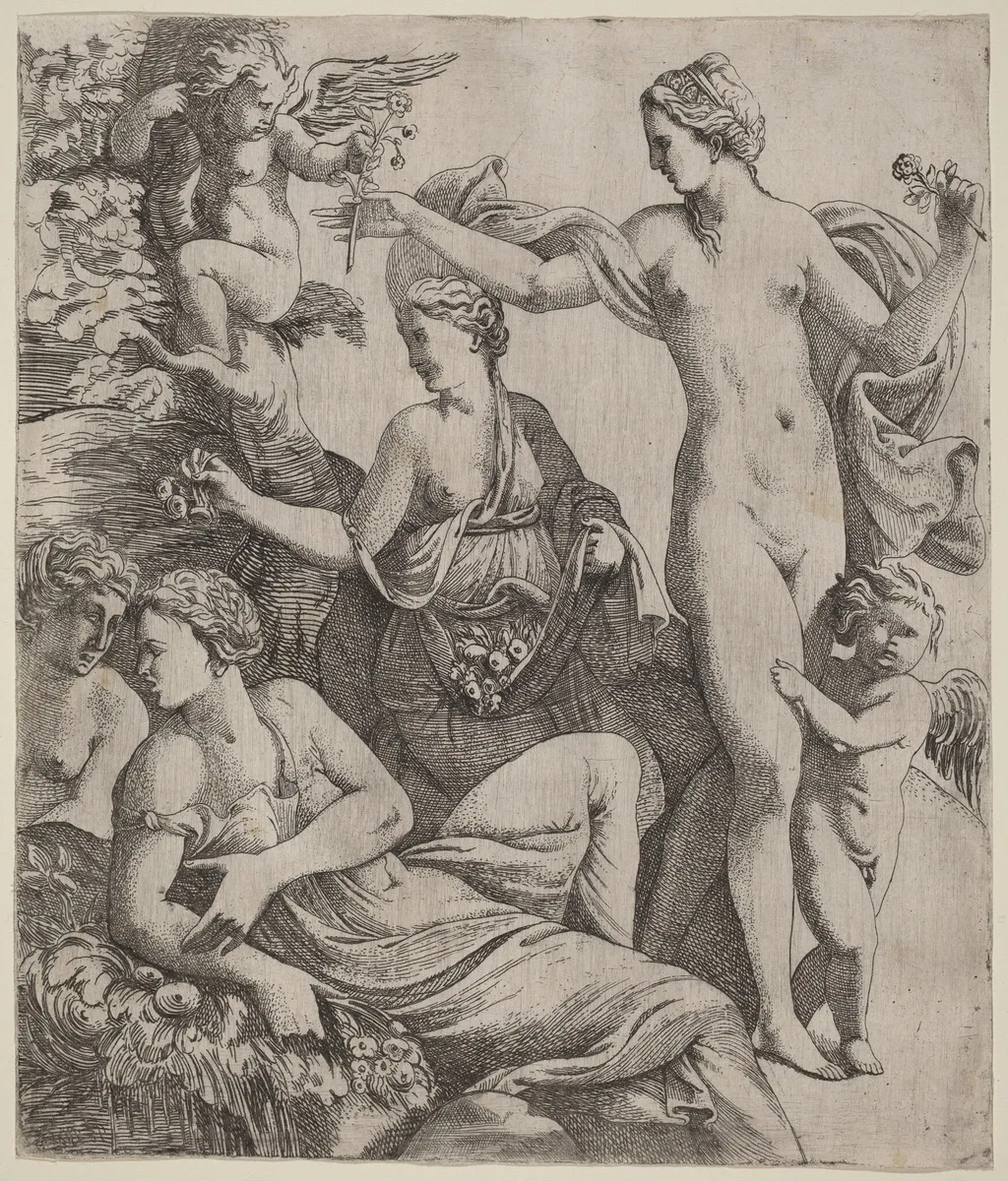
Venus with the Graces and Putti is an ink print by the Baroque artist Pierre Biard the Younger. It dates from 1624 and is held in the collection of the National Gallery of Art.
About this work
Overview
Though trained as a sculptor and architect in early 17th-century France, he also engaged with graphic arts, applying his spatial awareness to printmaking.
Pierre Biard the Younger produced this etching around 1624, using laid paper to render a mythological tableau. Though trained as a sculptor and architect in early 17th-century France, he also engaged with graphic arts, applying his spatial awareness to printmaking. The work belongs to a broader tradition of classical themes rendered in print, reflecting the period’s interest in antiquity as a source of visual and intellectual authority.
Subject & Meaning
The composition centers on Venus, accompanied by the Graces and several putti, evoking themes of beauty, abundance, and divine grace. One figure holds a basket of fruit, suggesting fertility; another rests against a tree, embodying repose; the third gazes downward with quiet composure. The grouping reflects Renaissance ideals of harmony and natural order, while the presence of putti introduces a sense of playful vitality, reinforcing the mythological narrative through symbolic gesture.
Technique & Style
Biard employed fine, incised lines to create depth and texture, exploiting the etching process to achieve both precision and tonal richness. The dense network of cross-hatching and delicate contours gives the fabric and foliage a tactile, almost sculptural quality. The contrast between sharp, dark lines and the untouched paper enhances the three-dimensionality of the forms, demonstrating a mastery of line that balances clarity with atmospheric nuance.
History & Provenance
The print entered the collection of the National Gallery of Art in Washington, where it remains part of its holdings in early modern European prints. Its survival and preservation reflect its status as a representative example of French graphic art from the early 1600s. While little is known of its early ownership, its presence in a major public collection underscores its recognition within the canon of printmaking from the period.
Context
Created during a time when French artists were increasingly engaging with Italian Renaissance and Mannerist models, Biard’s etching aligns with a growing interest in mythological subjects among the educated elite. Etching, as a medium, allowed for wider dissemination of such imagery, bridging the gap between monumental sculpture and accessible art. Biard’s background in architecture likely informed his compositional sense of balance and spatial layering.
Legacy
Though Biard is better known for his architectural and sculptural work, this etching stands as a significant example of his graphic output. It contributes to the understanding of how French artists adapted classical themes through print, influencing later generations interested in mythological narrative and technical experimentation. The work remains a quiet but precise testament to the interdisciplinary nature of artistic practice in early modern France.
Artist & collection
Artist
Pierre II Biard also called Pierre Biard the younger (1592 – May 28, 1661),was a French sculptor and architect of the seventeenth century, part of a lineage of prominent sculptors.

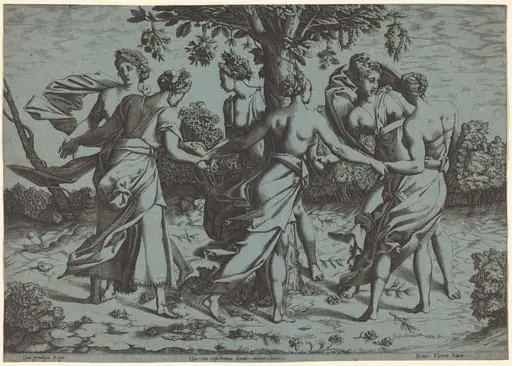 Dance of the Dryades
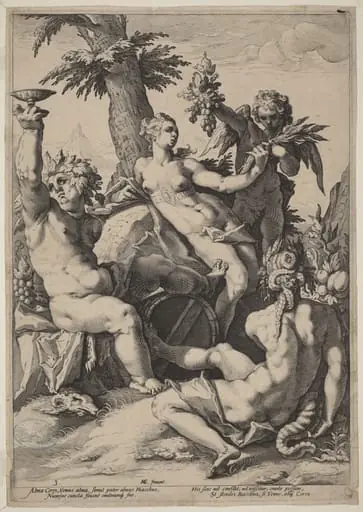 Without Ceres and Bacchus, Venus Would Freeze
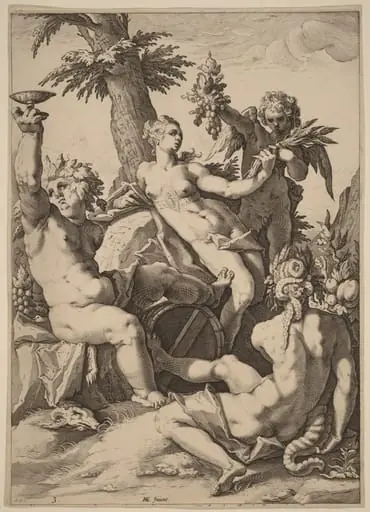 Without Ceres and Bacchus, Venus Would Freeze
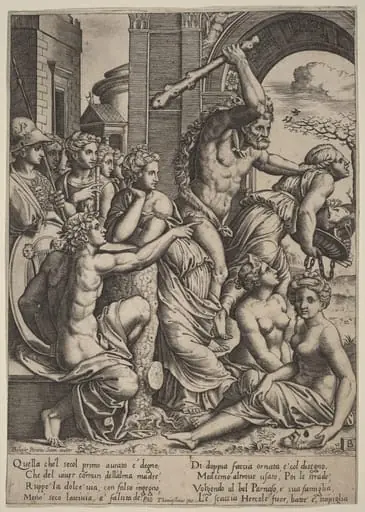 Envy Driven from the Temple of the Muses
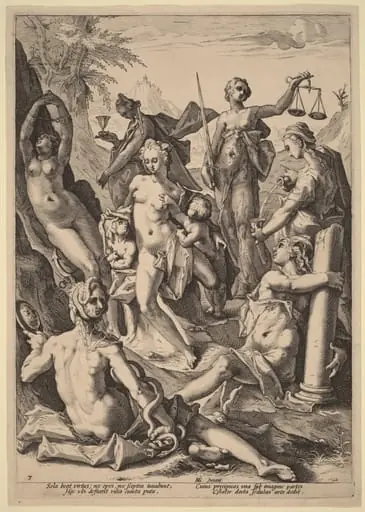 The Seven Virtues
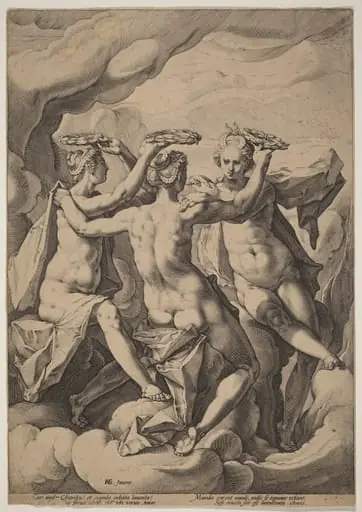 The Three Graces
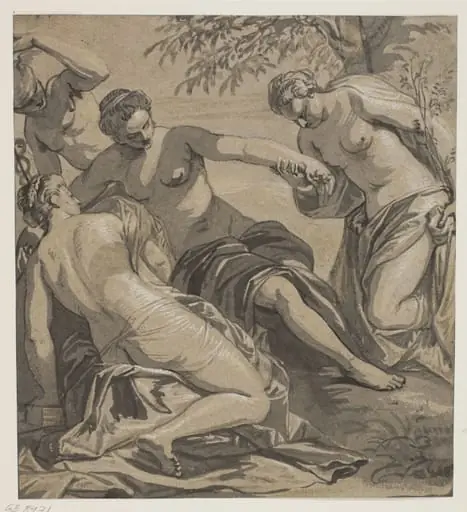 The three Graces and Mercury, after the painting in the Anticollegio, Palazzo Ducale, Venice
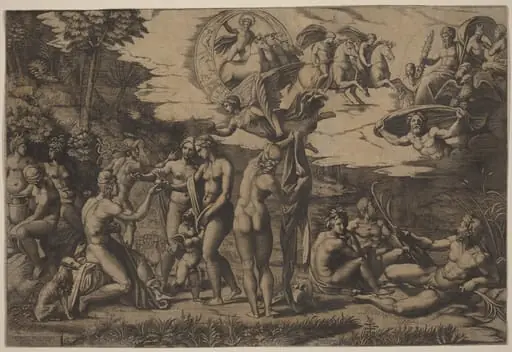 The Judgment of Paris
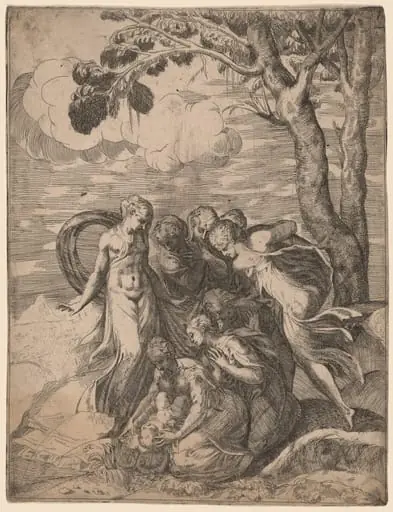 The Finding of Moses
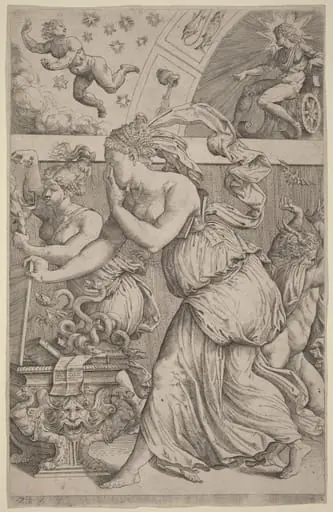 Pandora Opening Her Box
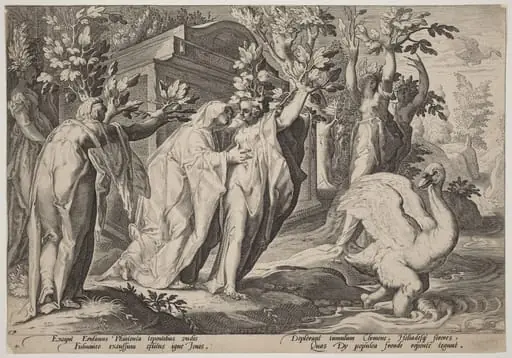 Phaeton's Sisters Changed into Poplars, and Cygnus into a Swan
 Venus and the Graces Crowning Thémire