Artwork
St Nicholas of Bari banishing the Storm
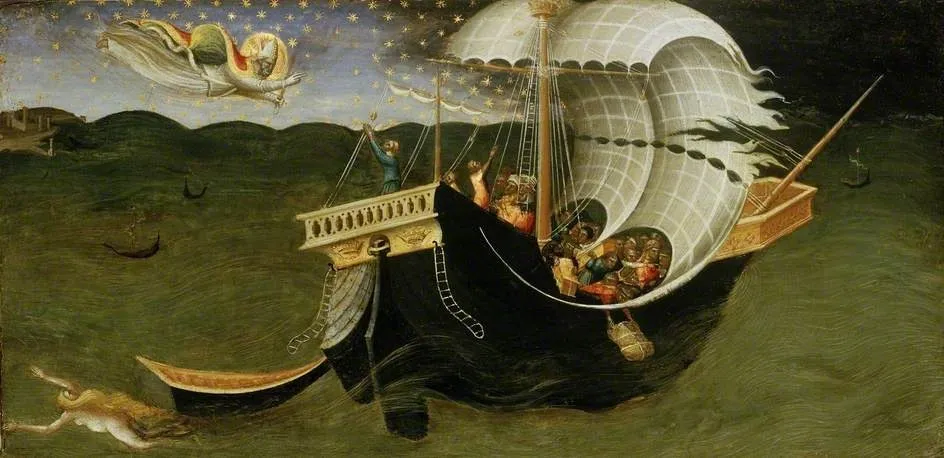
St Nicholas of Bari banishing the Storm is an unspecified painting by the Early Renaissance artist Bicci di Lorenzo. It dates from 1434 and is held in the collection of the Ashmolean Museum.
About this work
Overview
St Nicholas of Bari banishing the Storm, painted in 1434 by Bicci di Lorenzo, is an early Renaissance work housed in the Ashmolean Museum. Created within the family workshop in Florence, the painting exemplifies the artist’s religious themes and adherence to contemporary Florentine artistic practices.
Subject & Meaning
The painting illustrates Saint Nicholas intervening to calm a storm, a subject consistent with Bicci di Lorenzo’s focus on religious narratives. The scene conveys the saint’s protective role, reflecting the devotional values of the time.
Technique & Style
While specific technical details of this work are not highlighted, its style aligns with Bicci di Lorenzo’s known body of work, characterized by detailed panel paintings and frescoes that were hallmarks of the Florentine tradition during his activity.
History & Provenance
Painted during a period of established success for Bicci di Lorenzo in Florence, the work follows notable commissions secured by the artist. Its current location is the Ashmolean Museum, though the full provenance details are not specified.
Context
Created in 1434, the painting reflects the early Renaissance’s flourishing religious art scene in Florence. Bicci di Lorenzo’s involvement in a family workshop underscores the collaborative nature of artistic production at the time.
Artist & collection
Artist
Bicci di Lorenzo (1373–1452) was an Italian painter and sculptor, active in Florence.

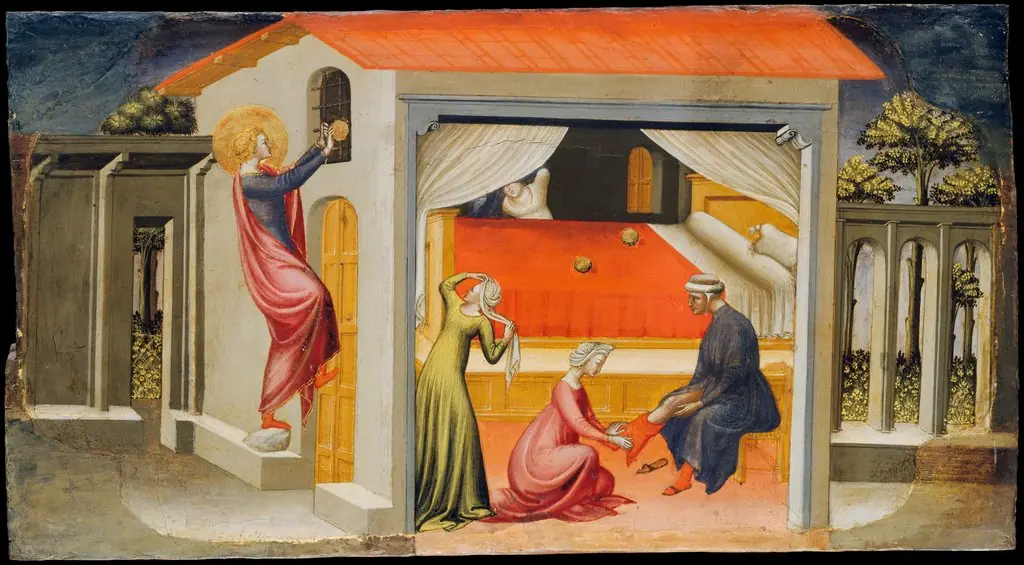 Saint Nicholas Providing Dowries
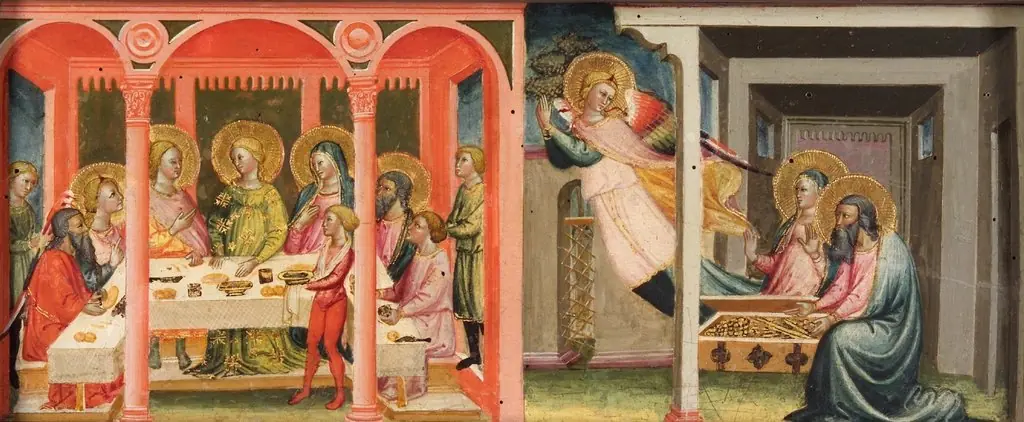 Scenes from the story of Tobias (marriage of Tobias and Sara; the archangel leaves Tobit and Anna)
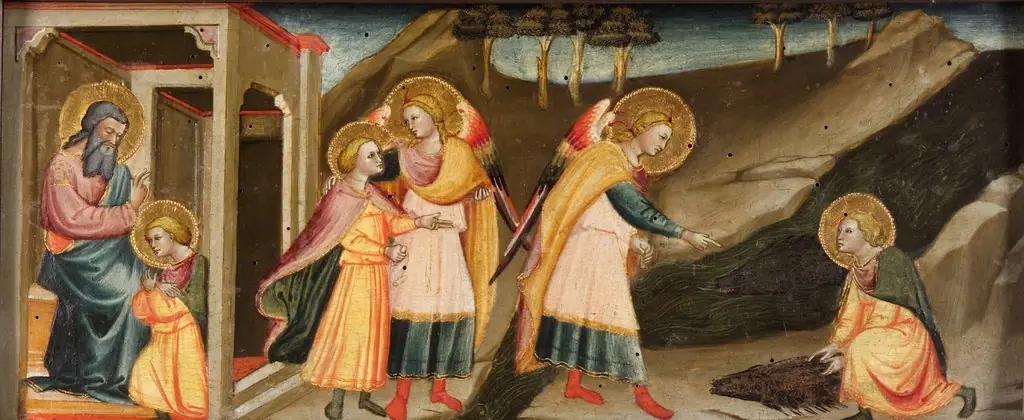 Scenes from Tobias (Tobias takes farewell from his father; Wanderings of Tobias and Archangel Raphael; Tobias taking the fish's heart, lever and gall)
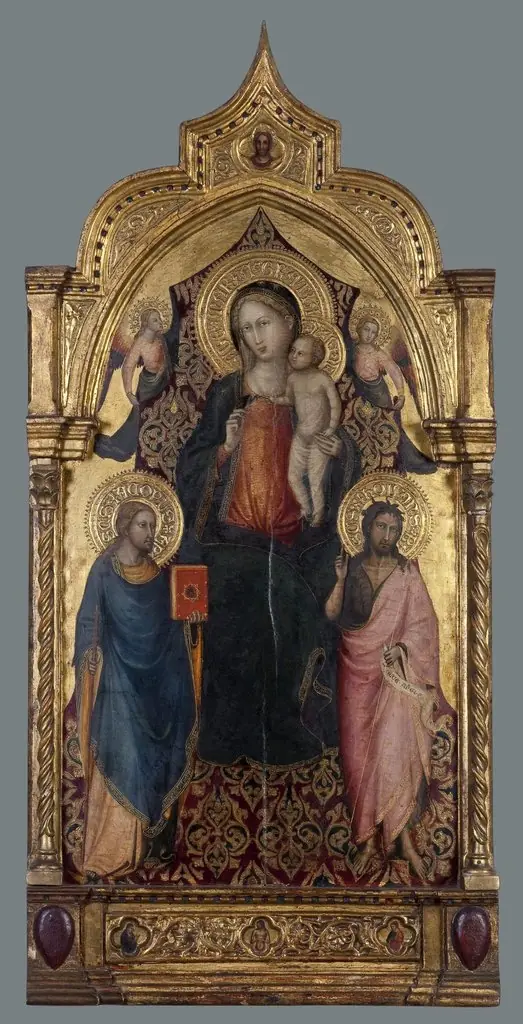 Madonna and Child, with St Jacob the Younger, St John The Baptist and Angels
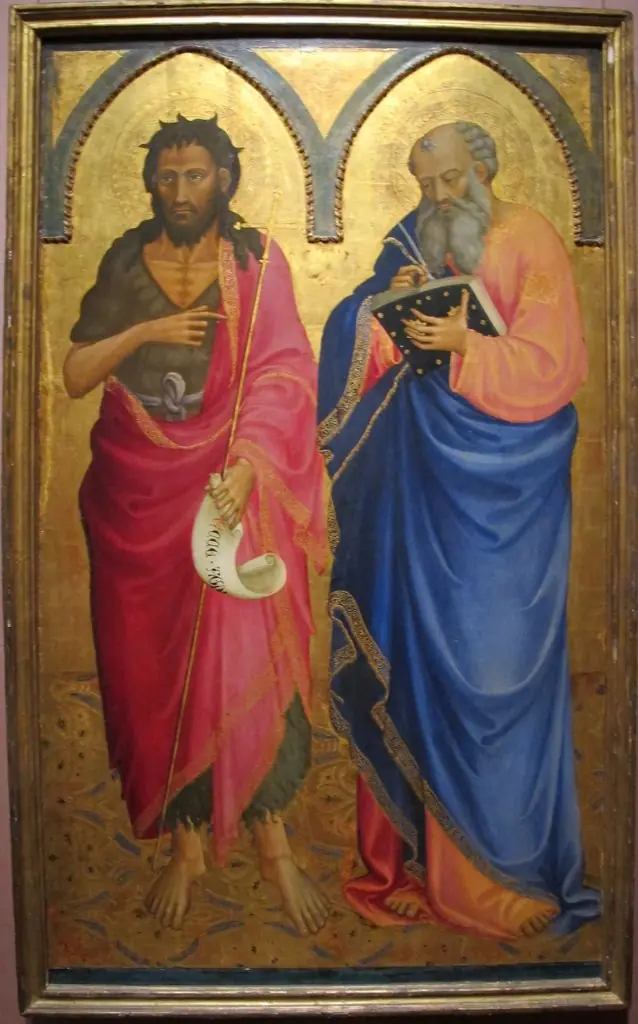 Saints John the Baptist and Mathew
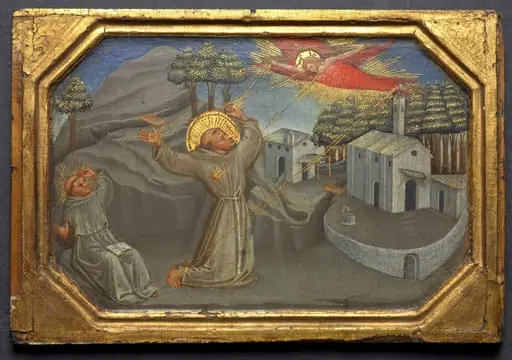 St. Francis of Assisi Receiving the Stigmata
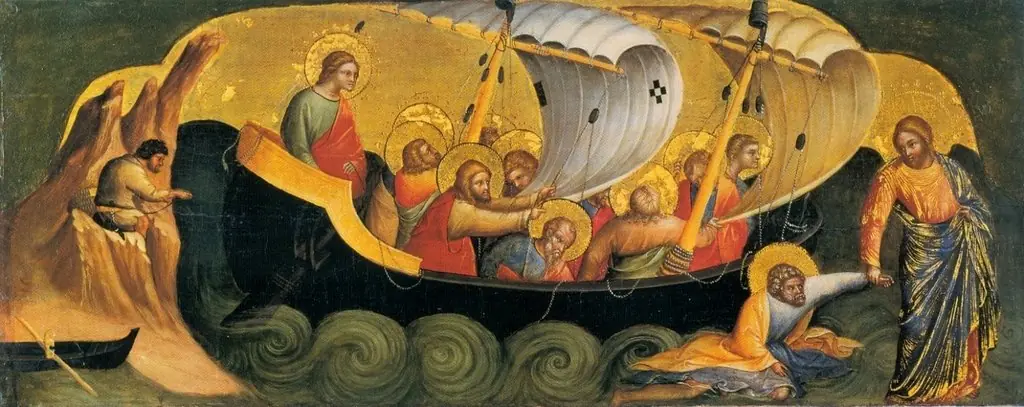 Jesus saves Peter from drowning
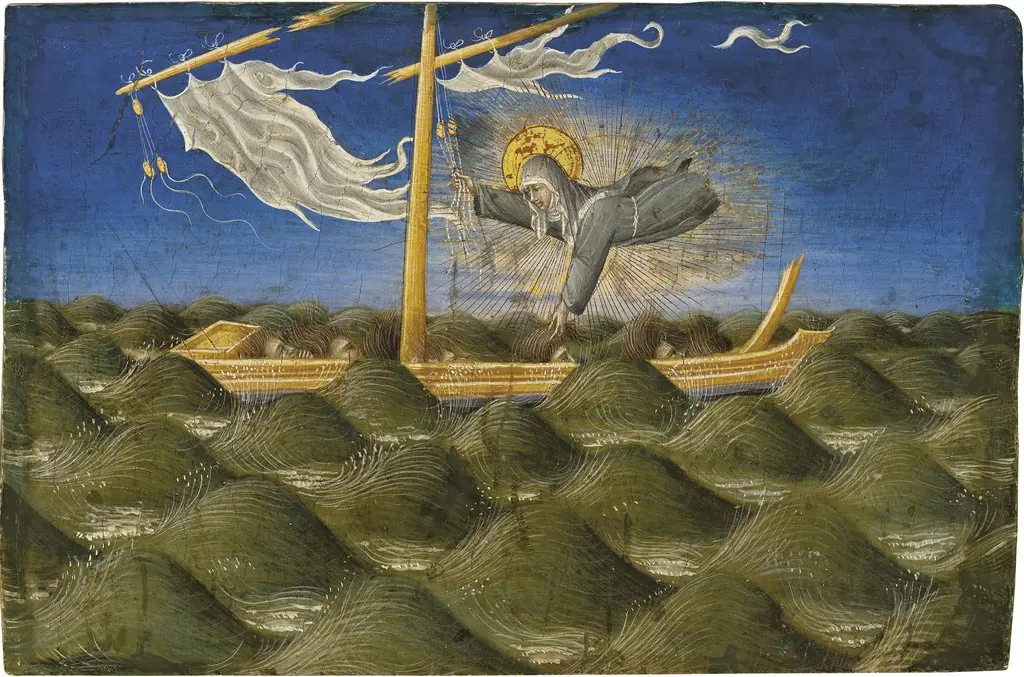 Saint Clare rescuing the shipwrecked
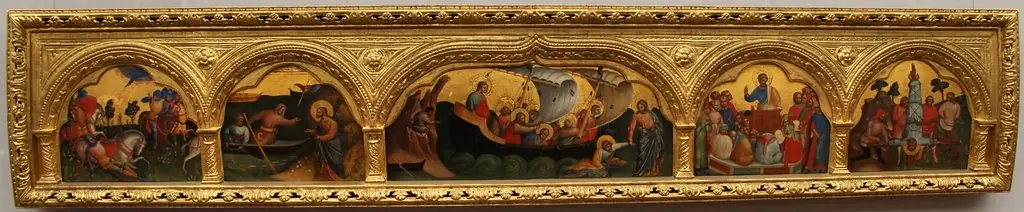 Scenes from the lives of the apostles Petrus and Paulus
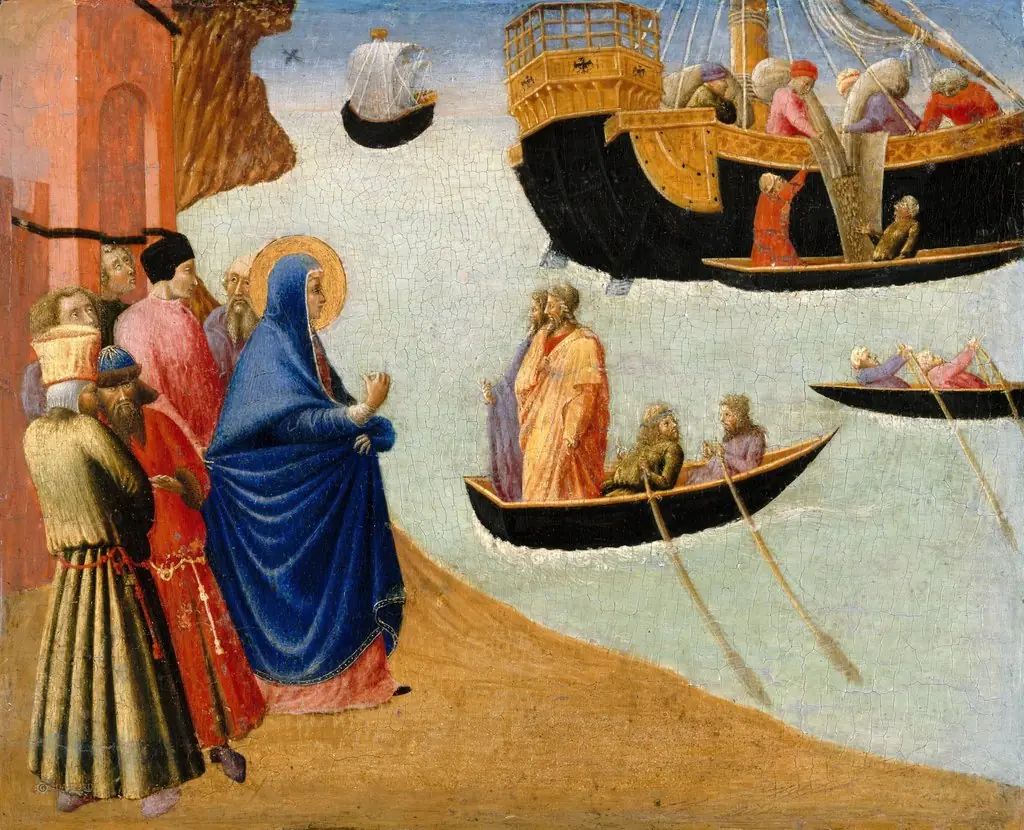 Ein Wunder des Heiligen Augustinus
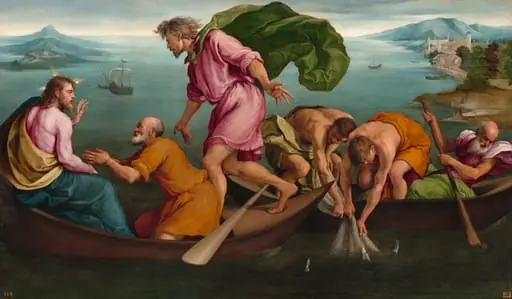 The Miraculous Draught of Fishes
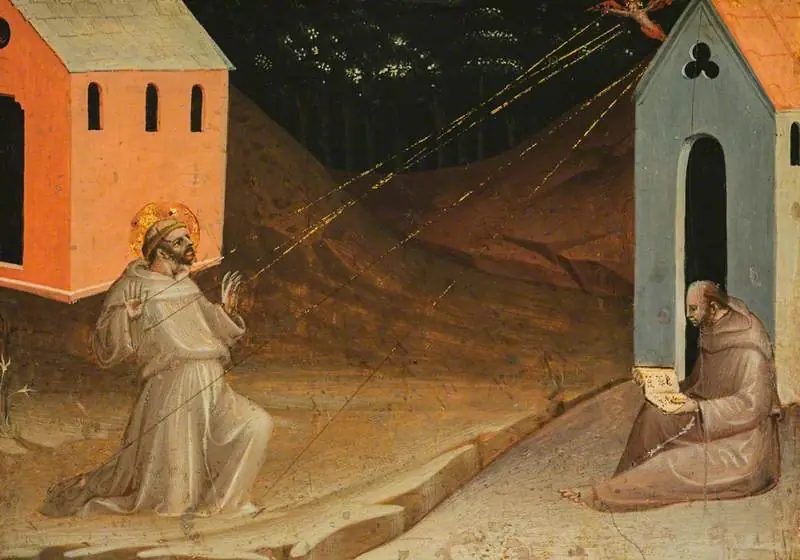 Saint Francis Receiving the Stigmata
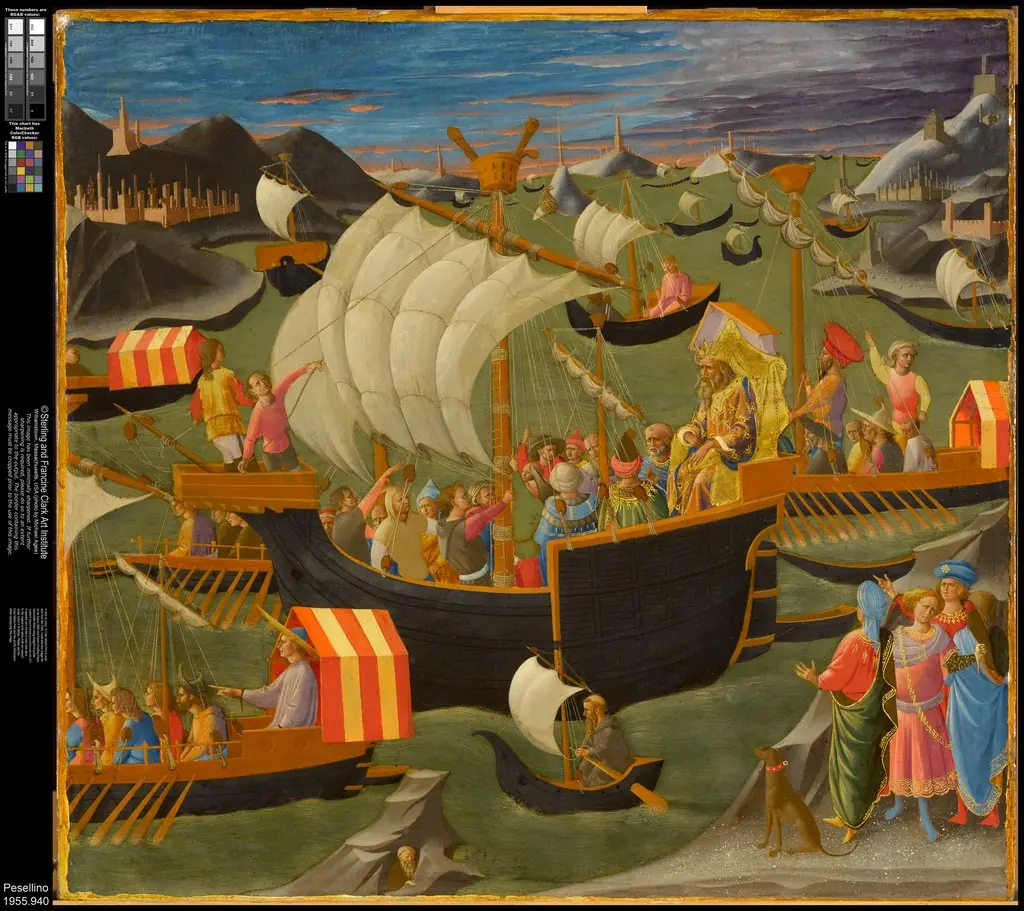 King Melchior Sailing to the Holy Land
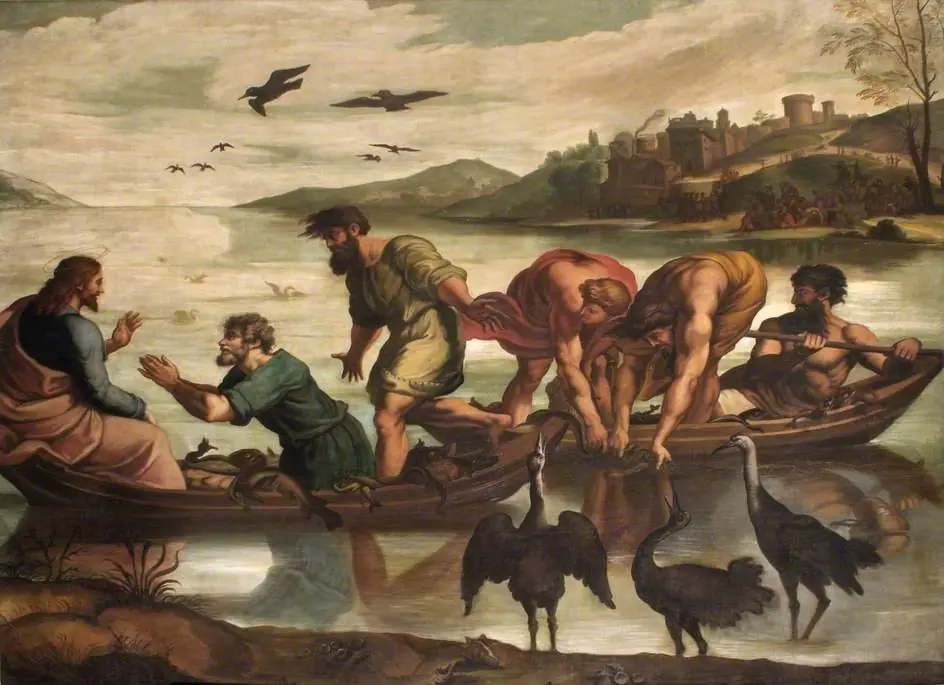 The miraculous Draught of Fishes
 Tarquinius Priscus Entering Rome