Artwork
Țăran tânăr sas
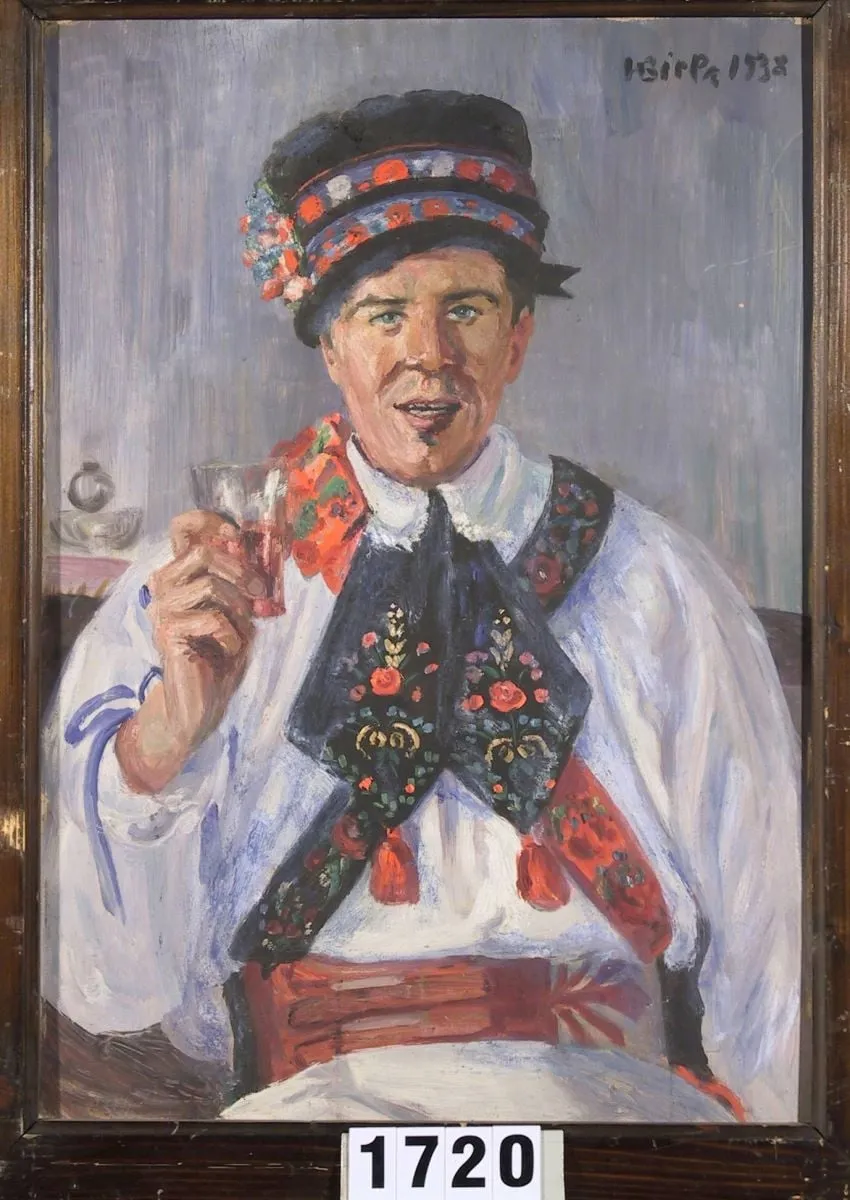
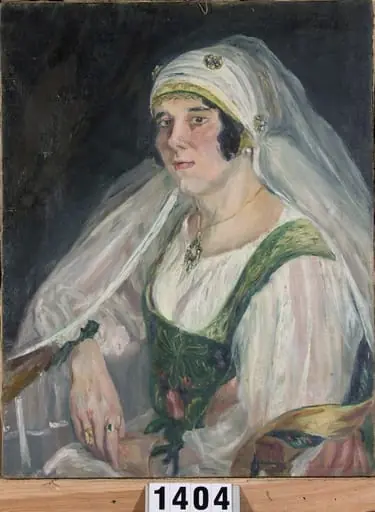
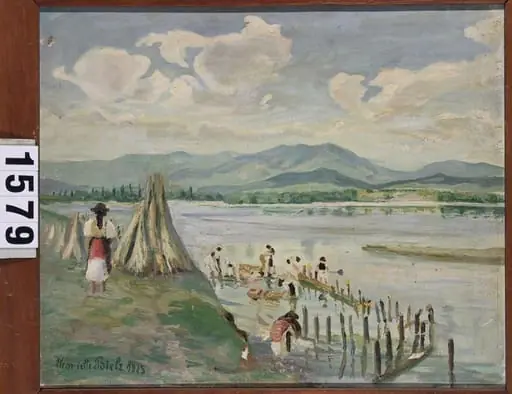
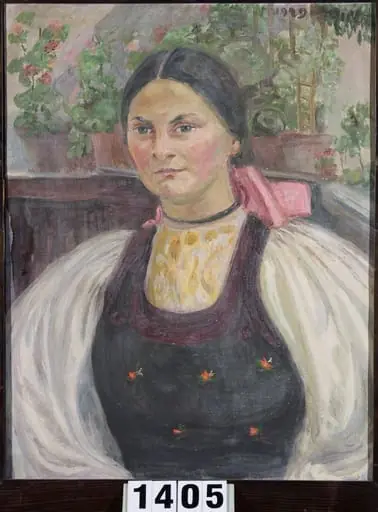
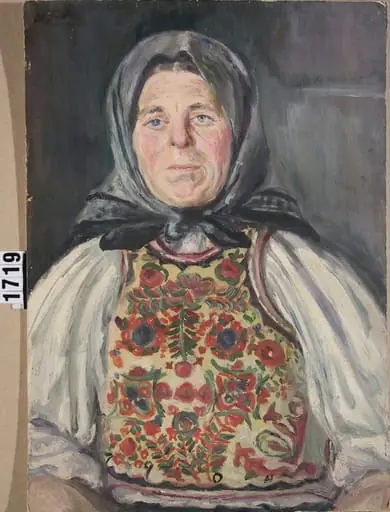
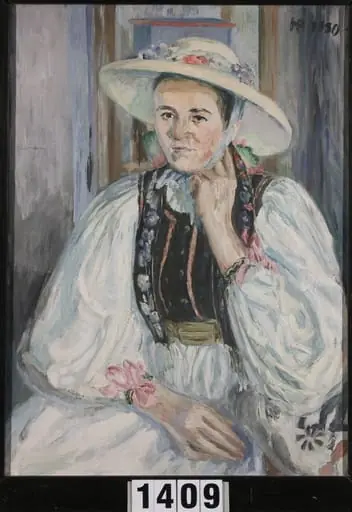
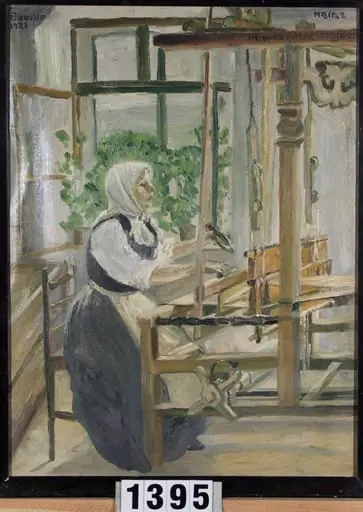
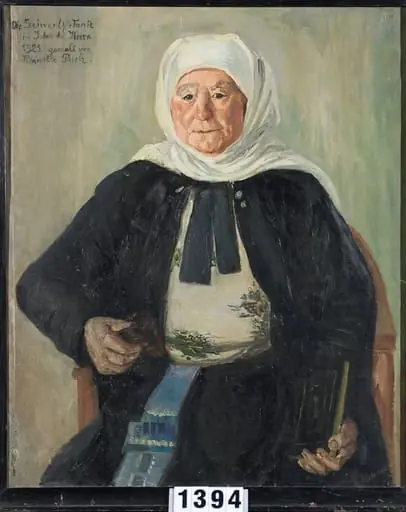
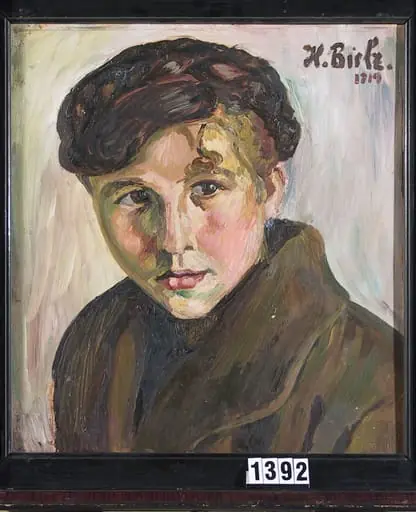
Țăran tânăr sas is an unspecified painting by Henriette Bielz. It is held in the collection of the Brukenthal National Museum. This portrait depicts a young Romanian peasant man, rendered with vigorous brushwork and vivid color.
About this work
Overview
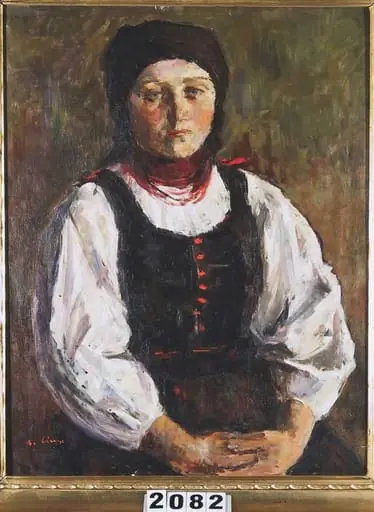
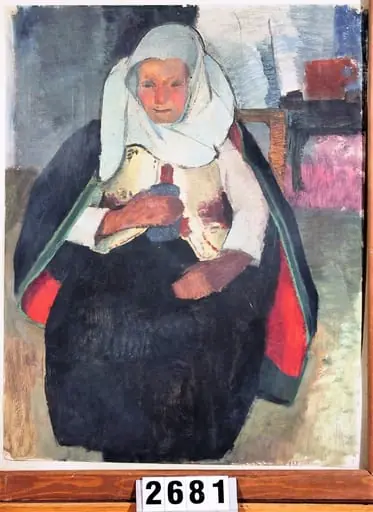
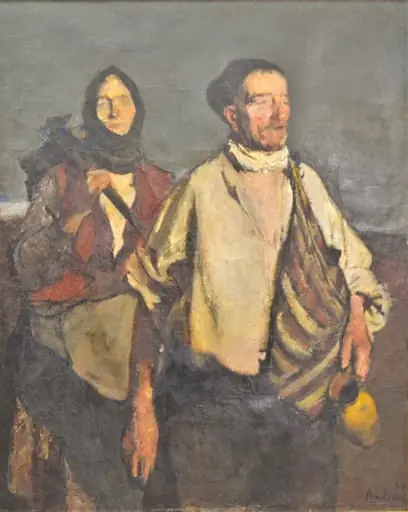
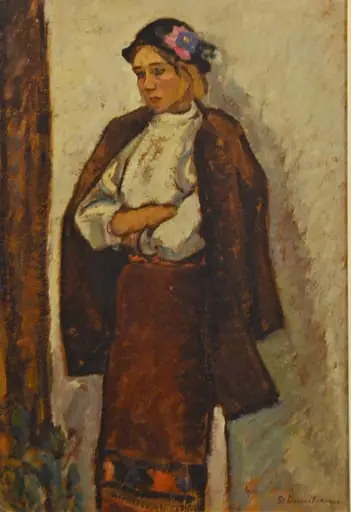
This portrait depicts a young Romanian peasant man, rendered with vigorous brushwork and vivid color. The composition centers entirely on the figure, whose attire and expression convey cultural identity and quiet vitality. The background is deliberately muted and indistinct, ensuring the viewer’s attention remains fixed on the subject’s presence and clothing.
Subject & Meaning
The man is portrayed in traditional Saxon peasant dress, suggesting regional heritage and personal pride. His cheerful expression and raised glass imply a moment of celebration or camaraderie, possibly tied to a local custom. The clothing is not merely decorative but signals social and cultural belonging, grounding the image in everyday rural life rather than idealized symbolism.
Technique & Style
Thick, textured brushstrokes—likely impasto—are applied generously to the fabric of his vest and hat, creating a tactile surface that catches light dynamically. The reds, whites, and blues are applied with confidence, contrasting sharply against the soft, blurred background. The technique emphasizes materiality and movement, enhancing the sense of liveliness without relying on fine detail.
History & Provenance
The work originates from a period when Romanian artists were increasingly documenting regional folk life, often in response to broader nationalist cultural movements. While specific ownership history is not documented here, its style aligns with early 20th-century Romanian realist painting that sought to preserve and honor rural traditions through direct observation.
Context
During the early 1900s, rural communities in Transylvania maintained distinct cultural practices, including elaborate dress for festivals and gatherings. Artists in this era frequently turned to peasant subjects as symbols of authenticity and continuity. This painting reflects that trend, capturing a moment of personal dignity within a rapidly changing society.
Legacy
The painting contributes to a visual archive of Transylvanian folk culture, preserving details of attire and expression that might otherwise have faded. Its emphasis on texture and color over narrative has influenced later artists interested in the emotional resonance of material and gesture, rather than historical storytelling.
Artist & collection
Artist
Henriette Bielz painted scenes of everyday life in late-19th-century Transylvania.