Artwork
Fată de țară cu pălărie de paie
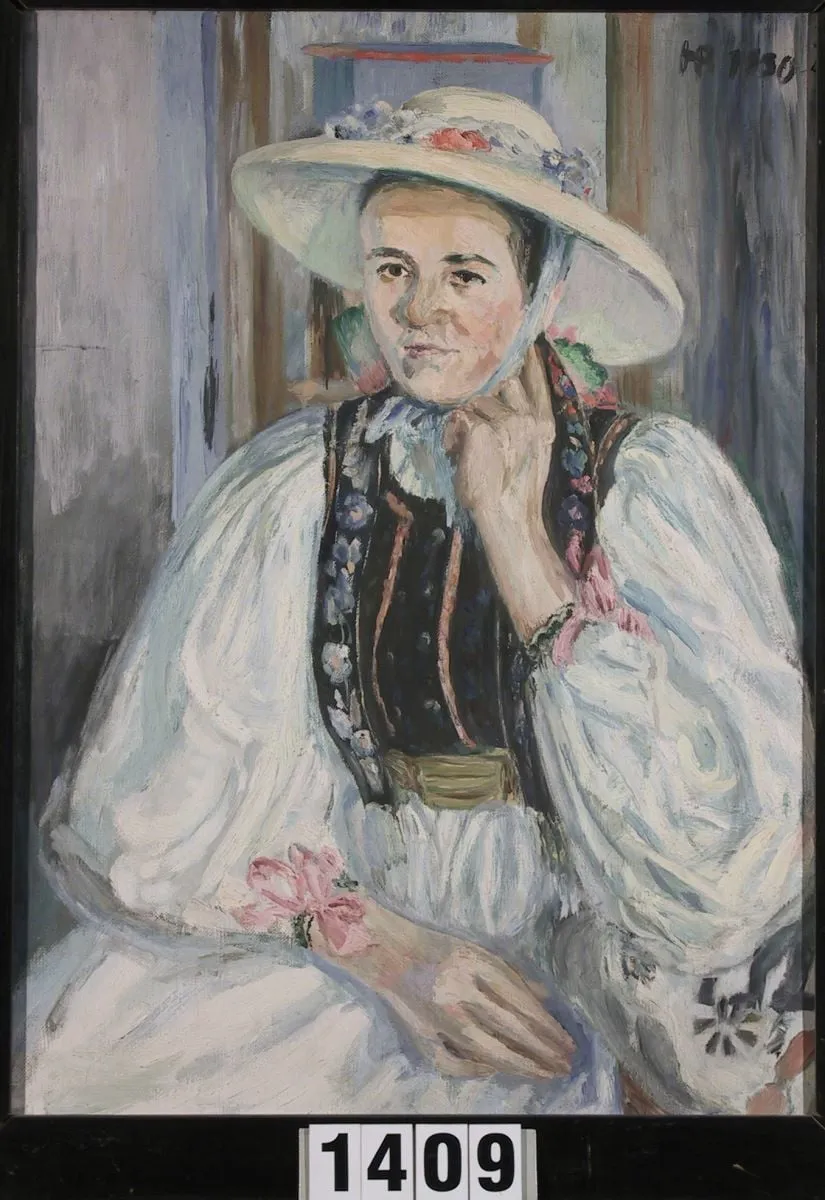
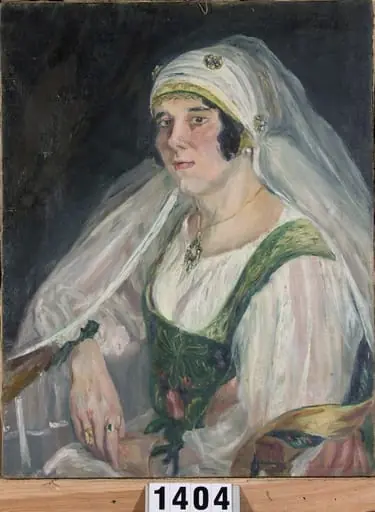
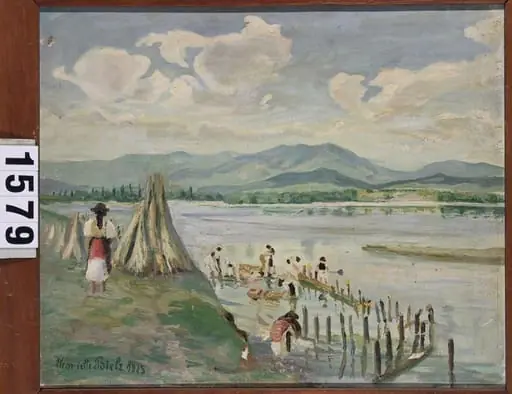
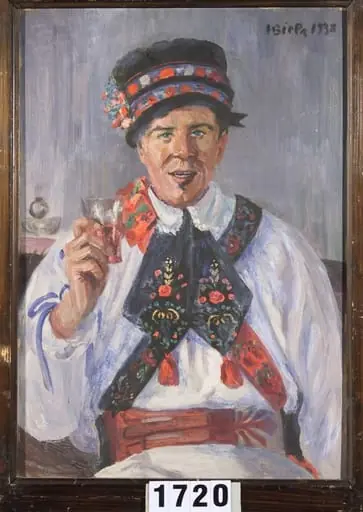
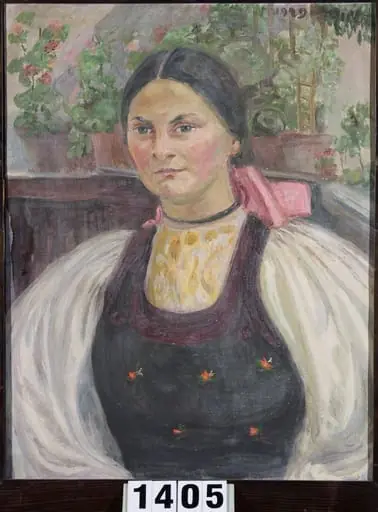
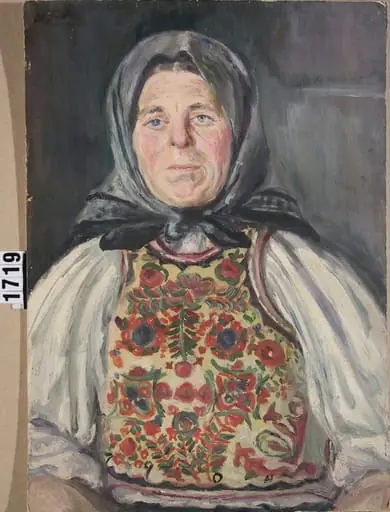
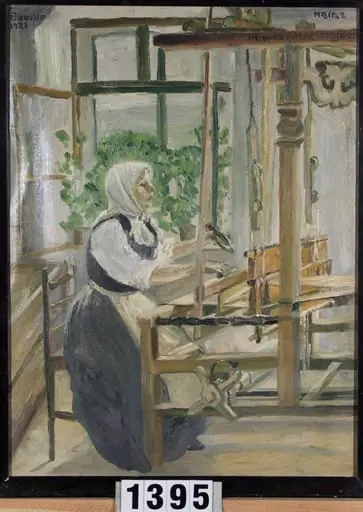
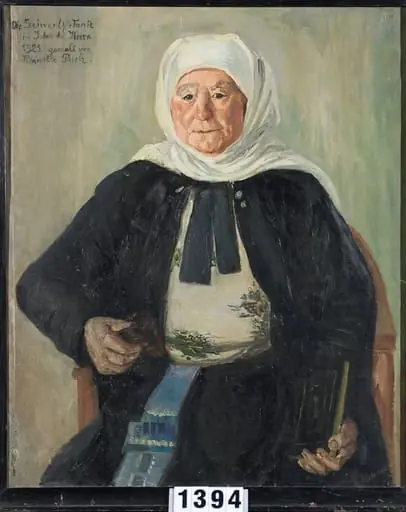
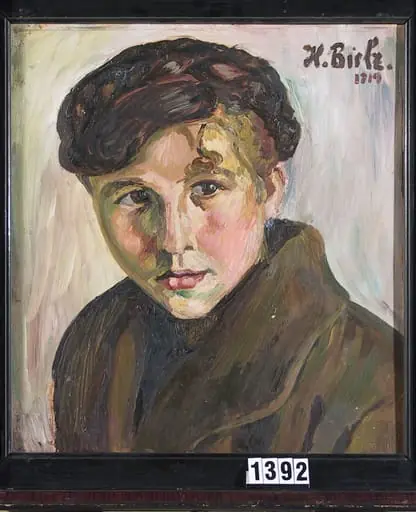
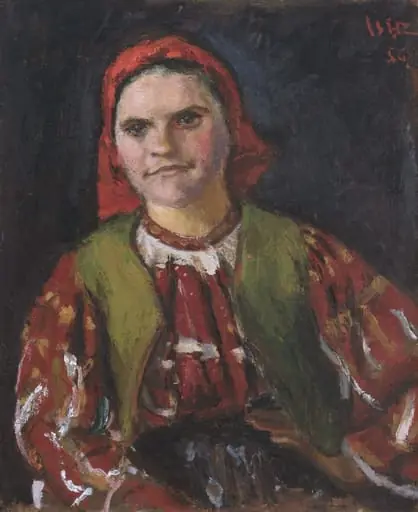
Fată de țară cu pălărie de paie is an unspecified painting by Henriette Bielz. It is held in the collection of the Brukenthal National Museum. This portrait depicts a rural woman wearing a straw hat adorned with flowers, rendered in thick, tactile brushwork.
About this work
Overview
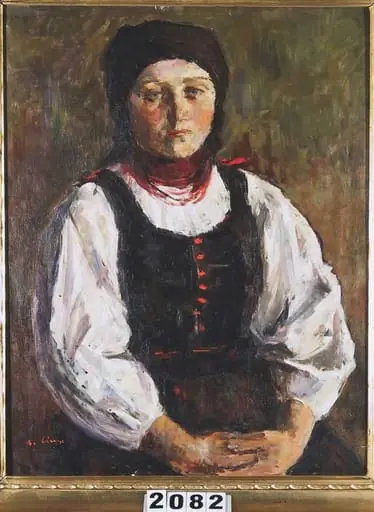
This portrait depicts a rural woman wearing a straw hat adorned with flowers, rendered in thick, tactile brushwork. The composition centers her figure against a softly blurred background, eliminating distractions and emphasizing her presence. The artist uses visible impasto to give texture to her clothing and hat, creating a physicality that draws attention to the materiality of the paint itself.
Subject & Meaning
The pink flower she holds may symbolize personal beauty or fleeting nature, while her simple attire reflects everyday rural life.
The subject is a peasant woman, portrayed with quiet dignity rather than idealization. Her calm, serious expression and slight head tilt suggest introspection or quiet resilience. The pink flower she holds may symbolize personal beauty or fleeting nature, while her simple attire reflects everyday rural life. The absence of narrative context invites focus on her individuality rather than social commentary.
Technique & Style
The painting employs thick, deliberate brushstrokes characteristic of impasto, particularly in the hat and blouse, lending a sculptural quality to the fabric. Colors are muted but contrasted—light fabric against the dark vest—to define form without fine detail. The blurred background reduces spatial depth, reinforcing the figure’s isolation and the painter’s emphasis on surface and texture over realism.
History & Provenance
The painting’s origin is tied to late 19th-century Romanian art, where depictions of rural life gained attention among national artists. Though exact provenance is undocumented, its style aligns with regional realist traditions that sought to elevate ordinary subjects through expressive brushwork. It likely emerged from a circle of artists influenced by French Impressionism but grounded in local customs.
Context
During the late 1800s, Eastern European artists increasingly turned to peasant subjects as symbols of cultural identity amid modernization. This work fits within that movement, avoiding romanticism in favor of direct observation. The focus on clothing and gesture, rather than setting, reflects a broader trend toward psychological portraiture rooted in everyday experience.
Legacy
The painting contributes to a broader visual record of rural women in Eastern European art, valued for its unembellished humanity. Its textured technique influenced later artists seeking emotional weight through material paint application. Though not widely exhibited, it remains a quiet example of how regional realism merged personal observation with formal innovation.
Artist & collection
Artist
Henriette Bielz painted scenes of everyday life in late-19th-century Transylvania.