Artwork
Nat(ură) moartă (cu obiecte religioase)
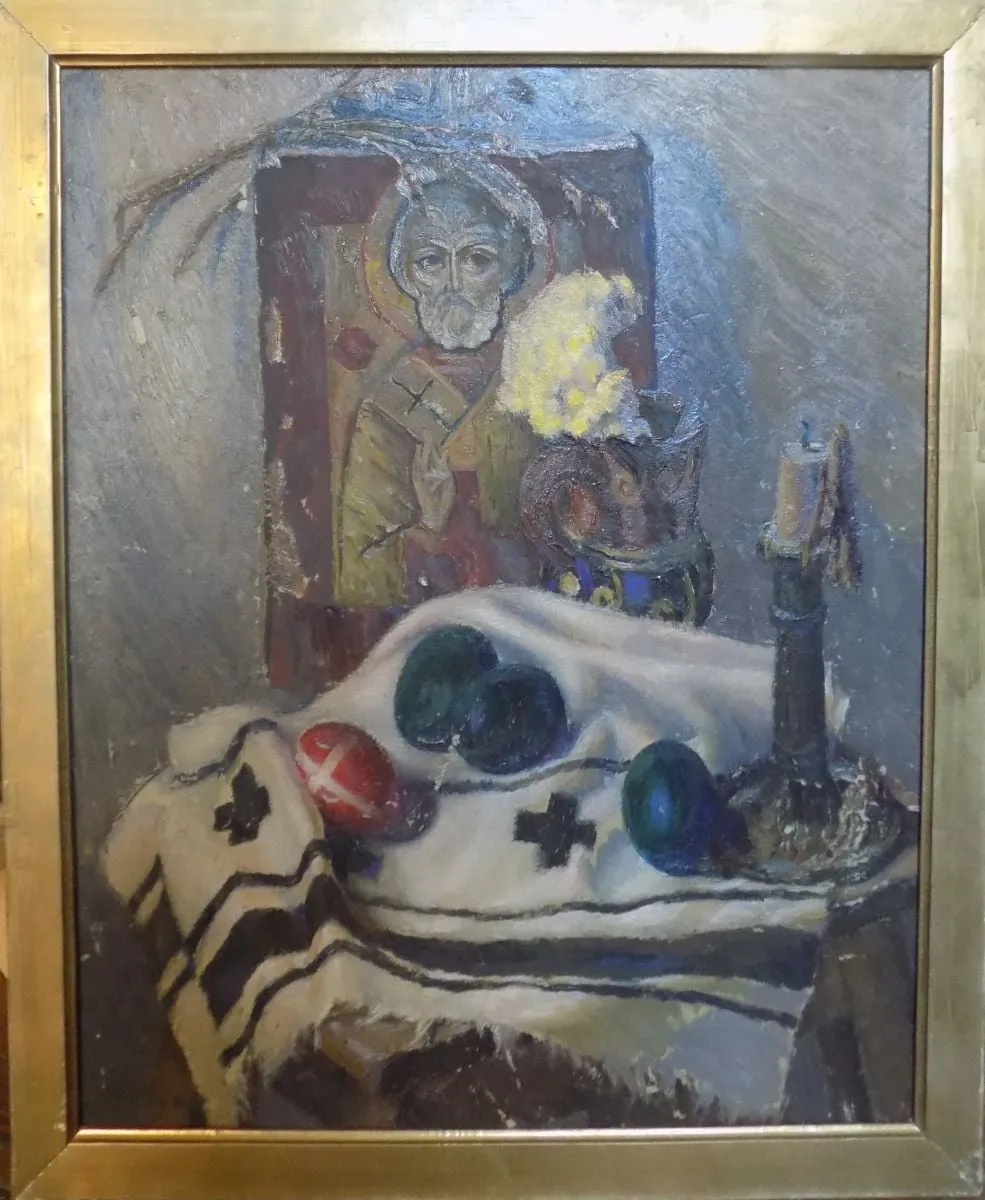
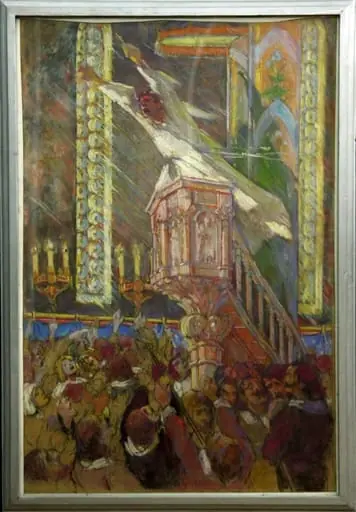
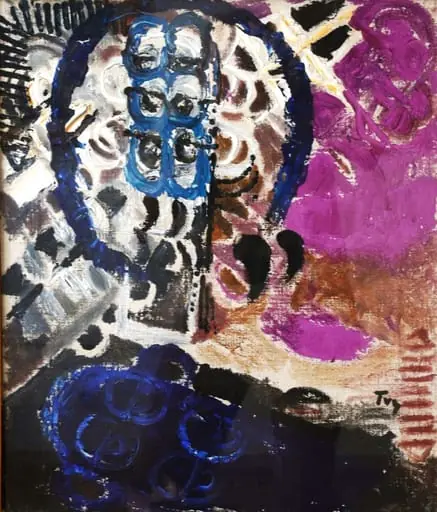
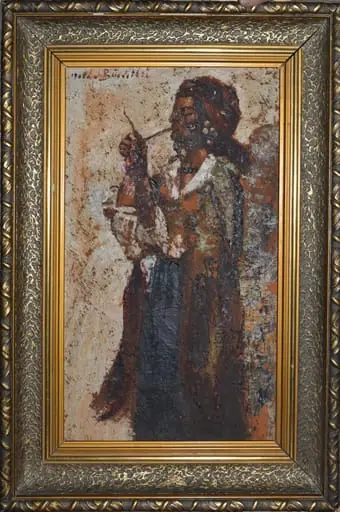
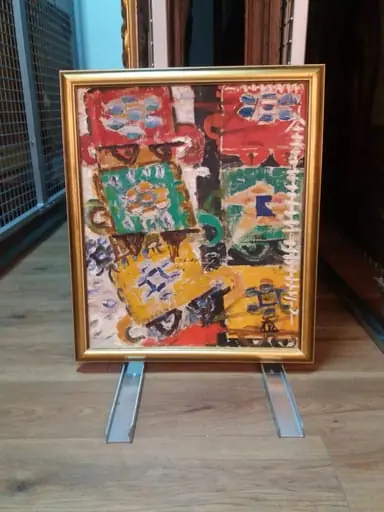
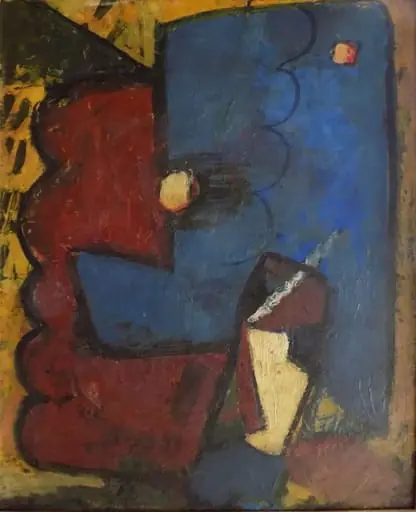
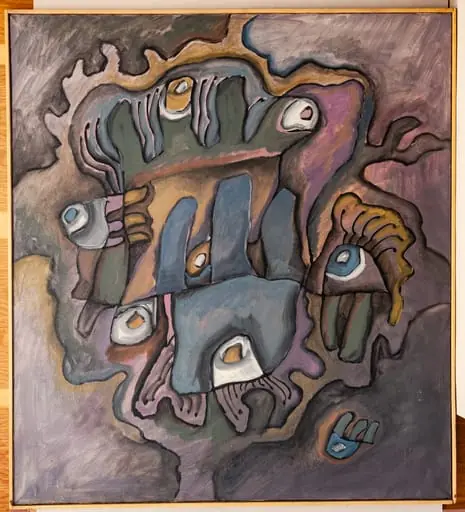
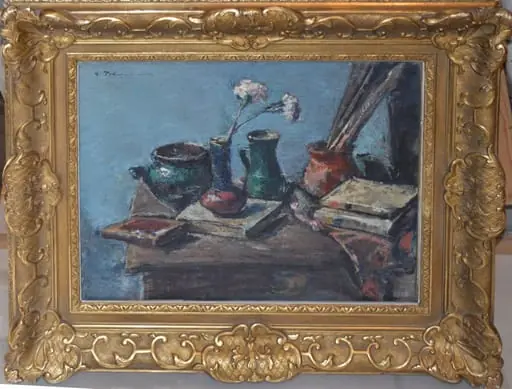
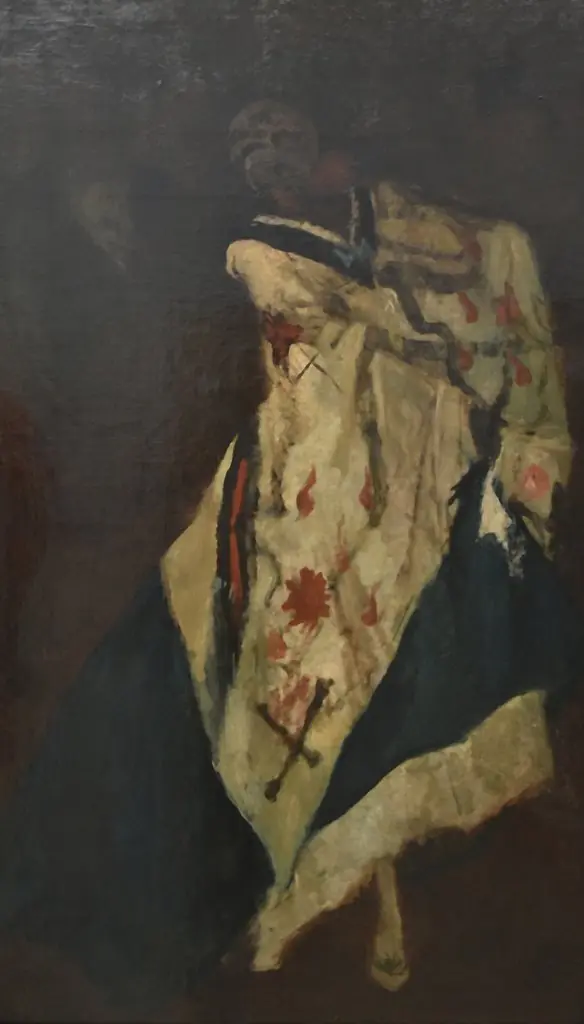
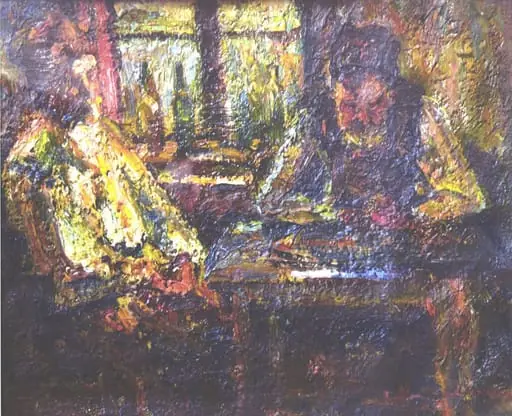
Nat(ură) moartă (cu obiecte religioase) is a print by Leon Alexandru Biju. It is held in the collection of the Bucharest Municipality Museum. This painting presents a still life infused with religious imagery, blending sacred and mundane elements in a single composition.
About this work
Overview
This painting presents a still life infused with religious imagery, blending sacred and mundane elements in a single composition.
This painting presents a still life infused with religious imagery, blending sacred and mundane elements in a single composition. The surface is built with thick, uneven layers of paint, creating a tactile, almost haphazard texture. The scene lacks formal polish, suggesting a spontaneous or urgent execution. Its quiet dissonance between devotional symbols and ordinary objects invites contemplation rather than reverence.
Subject & Meaning
A faint, haloed figure holds a luminous sphere, evoking celestial or divine presence, while below, a draped cloth conceals three rounded forms—two green, one red—resembling eggs or ritual stones. A candleholder stands nearby, its function ambiguous. The juxtaposition of sacred iconography with domestic, unremarkable items suggests a meditation on faith’s presence in everyday life, or its erosion within it.
Technique & Style
The artist employs impasto generously, building up paint in thick, irregular strokes that catch light unevenly. Colors are muted, with faded halos and smudged edges suggesting haste or deliberate erosion. The surface is not smoothed or refined; instead, it retains the physicality of its making. This roughness contrasts with the idealized forms of traditional religious art, grounding the divine in material imperfection.
History & Provenance
The work’s origins are undocumented in public records, and no known exhibition or collector history precedes its current recognition. Its title, 'Nat(ură) moartă (cu obiecte religioase)', links it to Romanian artistic traditions, yet its style resists clear affiliation with any established school. The absence of clear provenance adds to its enigmatic character, leaving its creation context open to interpretation.
Context
Emerging in a period when Eastern European artists were re-examining religious symbolism amid secularization, this piece reflects a broader cultural shift. Rather than depicting faith as grand or ceremonial, it presents it as fragmented, half-remembered, embedded in domestic clutter. The painting aligns with post-war artistic inquiries into memory, loss, and the persistence of ritual in diminished forms.
Legacy
Though not widely exhibited or reproduced, the work has influenced a small circle of contemporary artists interested in the materiality of belief. Its unpolished aesthetic and symbolic ambiguity offer a model for representing spirituality without idealization. It remains a quiet reference point in discussions about the intersection of the sacred and the ordinary in modern visual culture.
Artist & collection
Artist
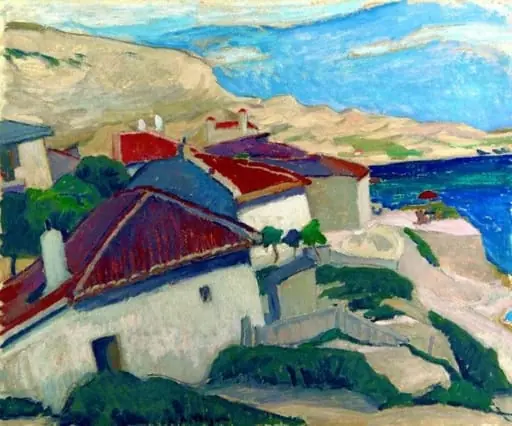
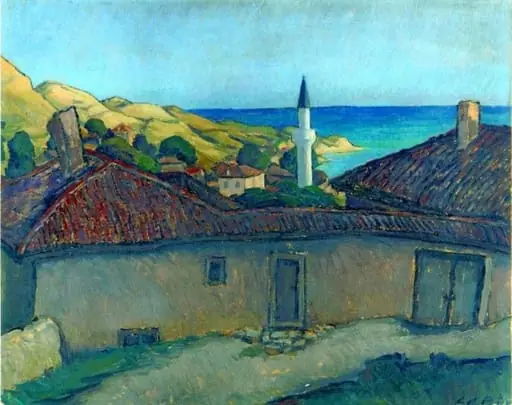
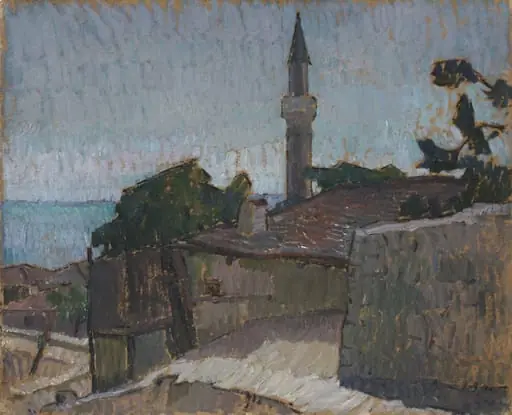
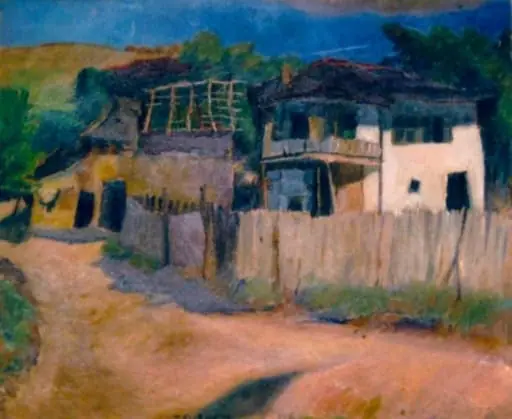
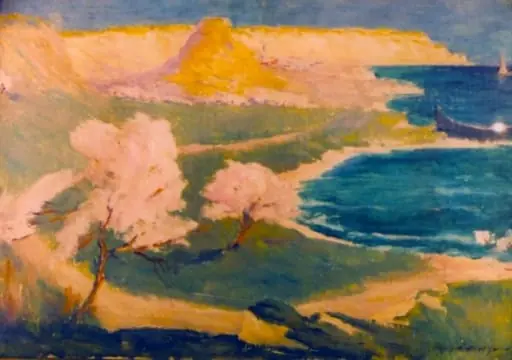
Leon Alexandru Biju made small prints and paintings of quiet places: Balchik’s shoreline, still lifes with old religious objects, and bare trees in winter.