Artwork
ECOLES MUNICIPALES Etudes de Dessins d’apres l’Antique et les Grands Maîtres
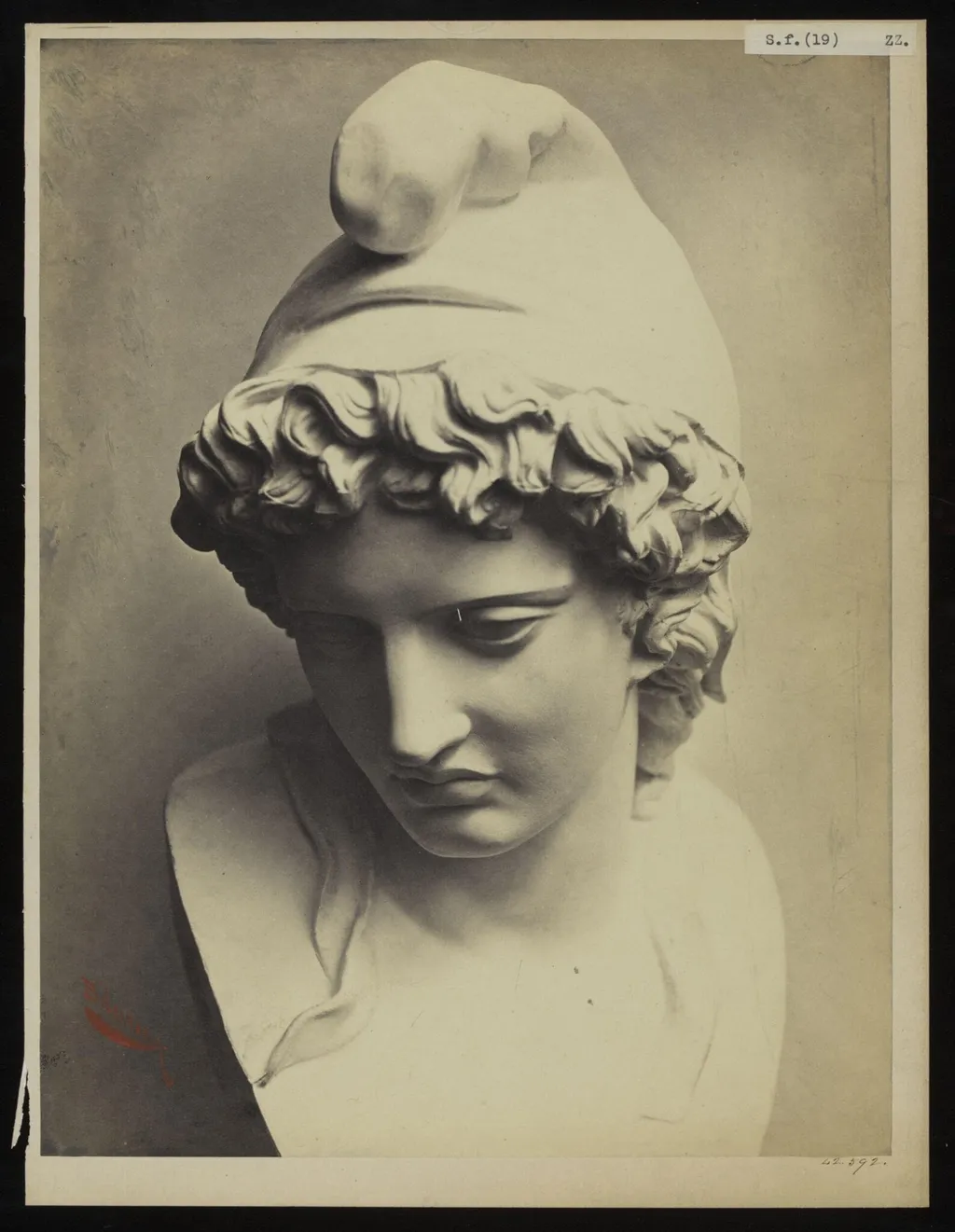
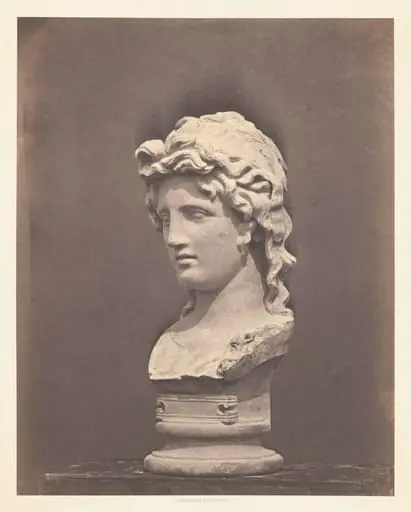
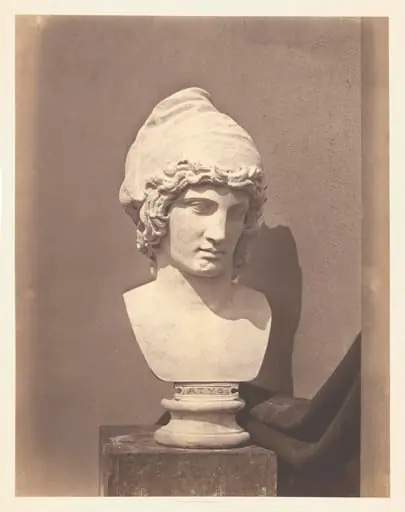
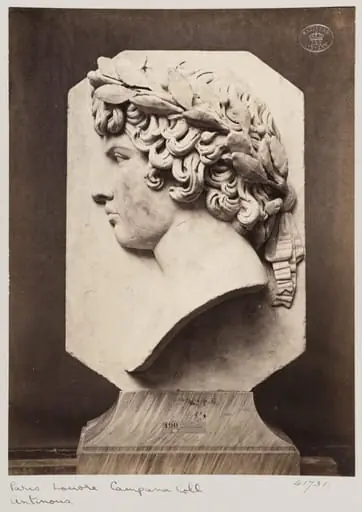
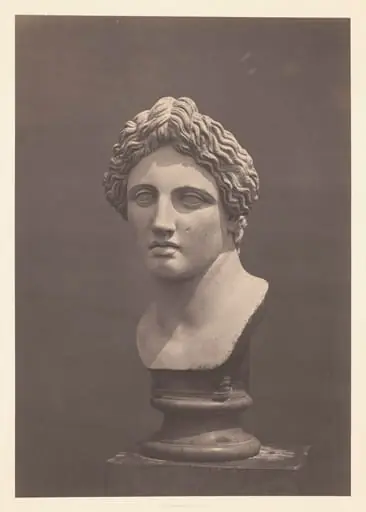
ECOLES MUNICIPALES Etudes de Dessins d’apres l’Antique et les Grands Maîtres is a photographic photography by the Impressionist artist Adolphe Bilordeaux. It dates from 1864 and is held in the collection of the Victoria and Albert Museum.
About this work
The set is titled ECOLES MUNICIPALES Etudes de Dessins d’apres l’Antique et les Grands Maîtres.
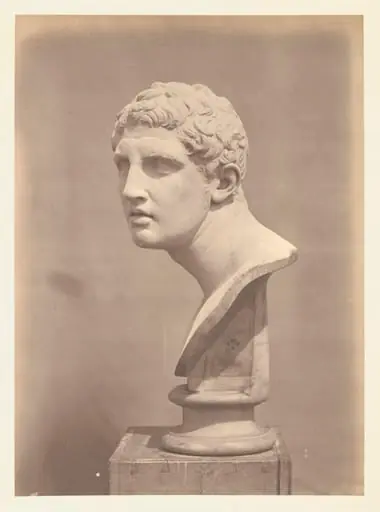
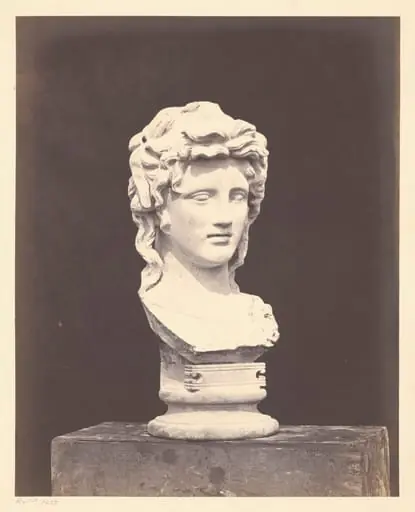
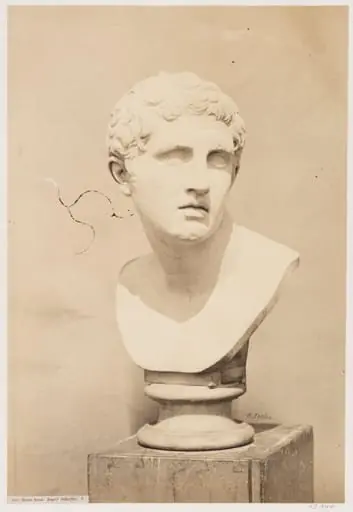
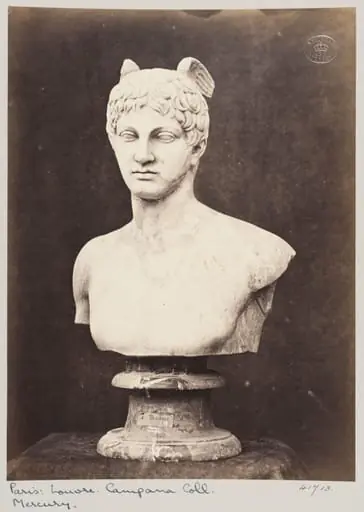
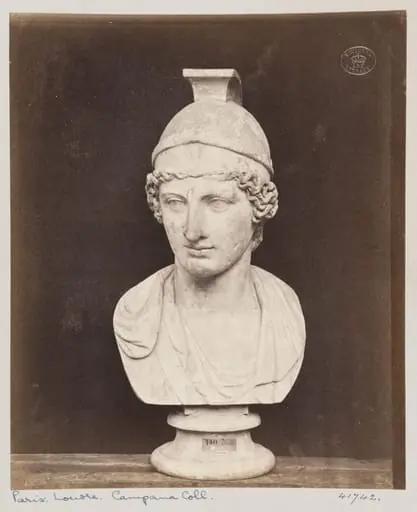
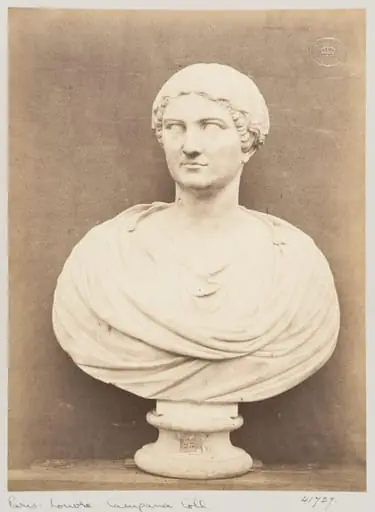
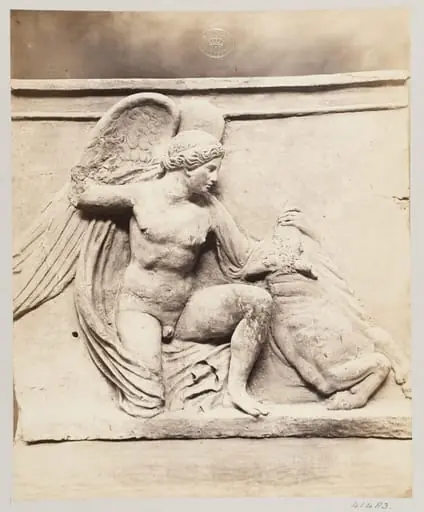
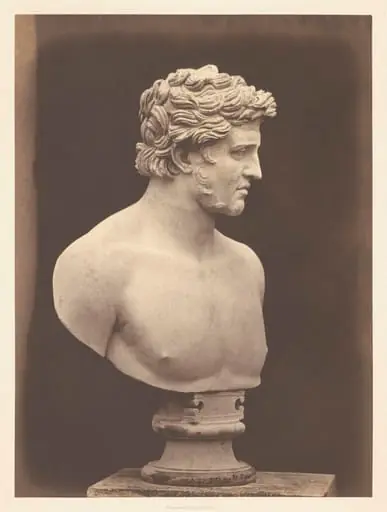
Adolphe Bilordeaux made twelve photos in 1864. They show plaster casts of antique heads and hands. The set is titled ECOLES MUNICIPALES Etudes de Dessins d’apres l’Antique et les Grands Maîtres.
The South Kensington Museum bought all twelve in October 1864 from the dealer Victor De La Rue. These photos were tools for art students learning from classical models.
Look up the Victoria and Albert Museum next.
Overview
In 1864, Adolphe Bilordeaux created a series of twelve photographic studies depicting plaster casts of classical heads and hands. The set, titled ECOLES MUNICIPALES Etudes de Dessins d’apres l’Antique et les Grands Maîtres, was acquired the same year by the South Kensington Museum from dealer Victor De La Rue. Designed as instructional material, the photographs were intended for use in art education, offering students clear, controlled models to study and copy.
Subject & Meaning
Each photograph presents a single plaster cast—typically a head or hand—drawn from ancient sculpture. The absence of identifying labels suggests the focus was not on individual works of art, but on formal qualities: proportion, volume, and surface. These studies served as neutral templates, stripping away context to emphasize anatomical precision and classical ideals, making them ideal for disciplined drawing practice.
Technique & Style
Bilordeaux employed careful lighting and composition to ensure clarity and tonal contrast in each image. His background as a lithographer informed his approach: the photographs resemble engraved lessons, with even illumination and minimal background distraction. The uniformity of presentation across the set reflects a pedagogical intent, prioritizing legibility over artistic expression, aligning with his earlier published drawing manuals.
History & Provenance
The twelve photographs were purchased by the South Kensington Museum in October 1864, part of its broader effort to build a reference library for art students. The museum collected reproductions—photographs, casts, and drawings—as substitutes for original artworks, enabling systematic study. Bilordeaux’s set entered this collection as a practical tool, reflecting institutional priorities rather than connoisseurship.
Context
During the mid-nineteenth century, classical sculpture remained foundational to European art training. Institutions like South Kensington sought to standardize instruction by providing accessible, reproducible models. Bilordeaux’s photographs responded to this demand, continuing a tradition of didactic imagery that had previously been disseminated through lithography. His work bridged older print-based pedagogy and emerging photographic technology.
Legacy
The set endures as a documented example of how photography was adapted for educational use in the 19th century. While not widely exhibited, its presence in the V&A’s National Art Library underscores its role in shaping art pedagogy. Bilordeaux’s approach—structured, repetitive, and focused on copying—reflects a broader shift toward systematic, reproducible learning in art schools of the era.
Artist & collection
Artist
Adolphe Bilordeaux made teaching photographs for art students in 1864 Paris. His ECOLES MUNICIPALES Etudes de Dessins d’apres l’Antique et les Grands Maîtres shows plaster casts and Old Master drawings lined up on a…