Artwork
Michael Roting
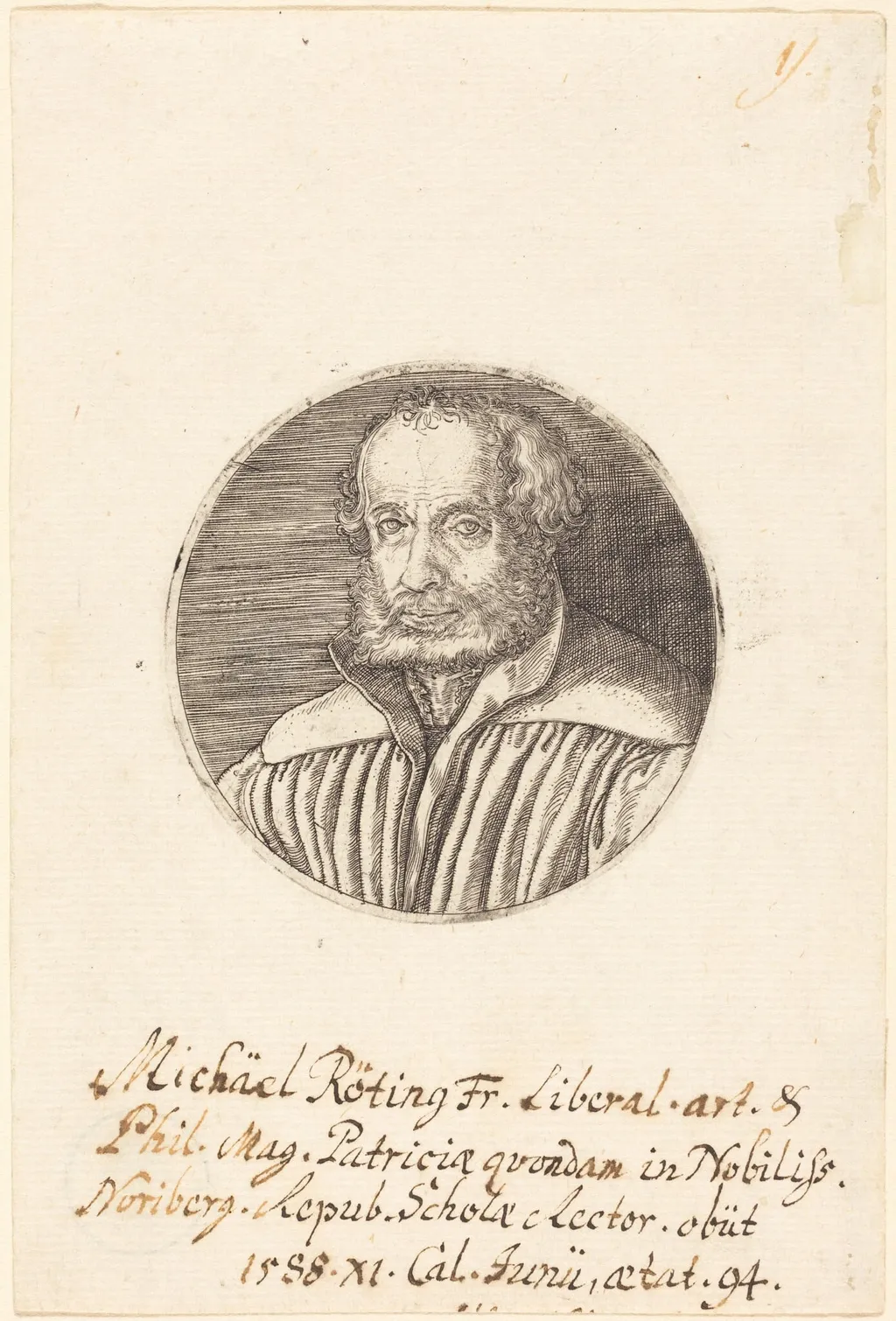
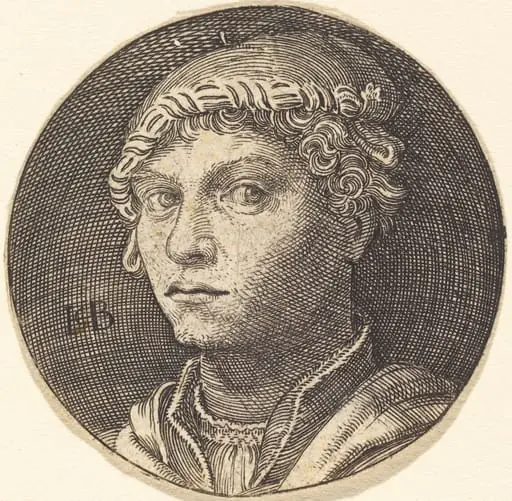
Michael Roting is an ink print by the Renaissance artist Jakob Binck. It dates from 1521 and is held in the collection of the National Gallery of Art.
About this work
Overview
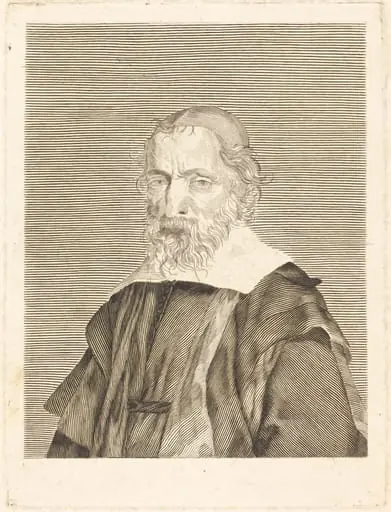
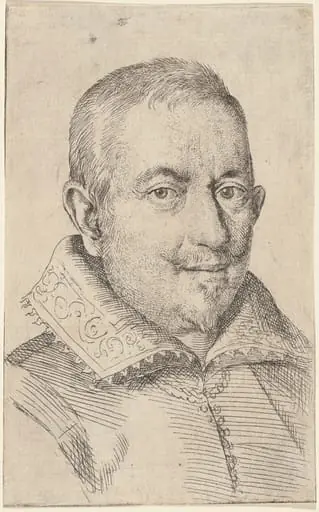
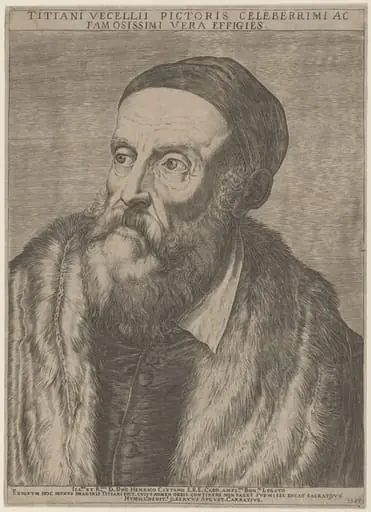
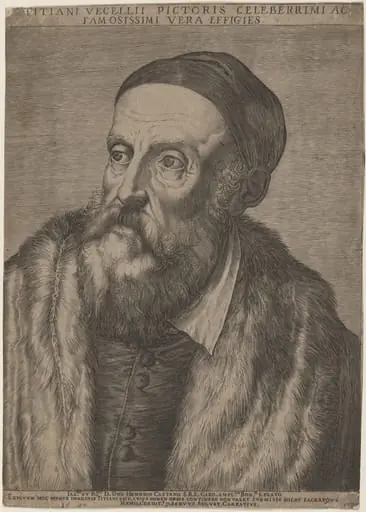
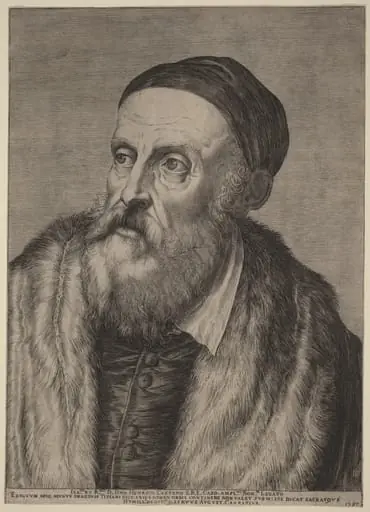
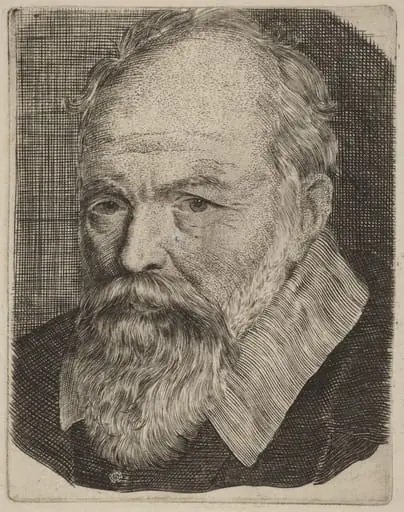
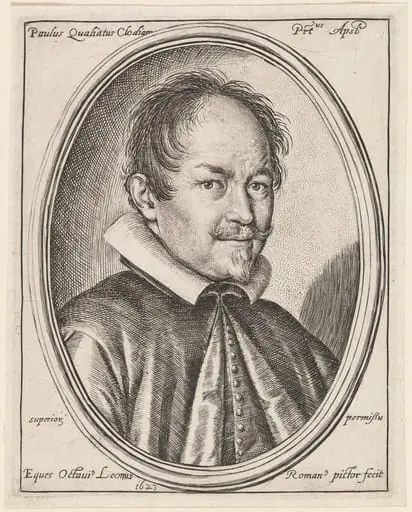
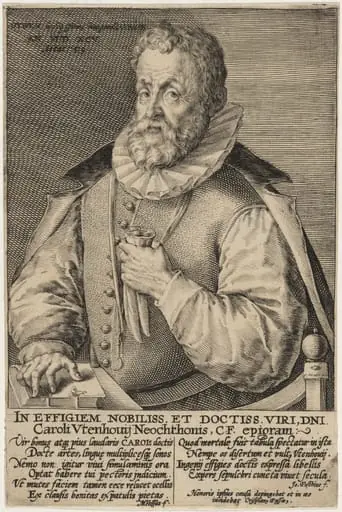
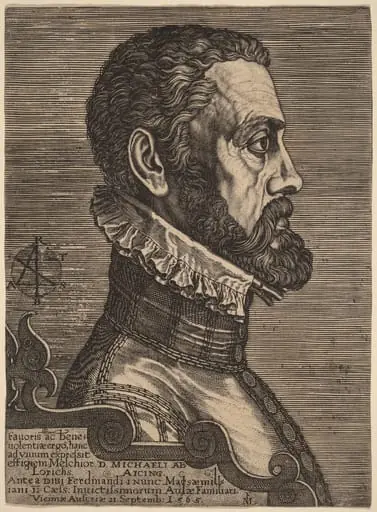
Created in 1521 by Jakob Binck, this engraving depicts Michael Roting, a scholar of the early 16th century. Rendered in black ink on laid paper, the portrait is confined within a circular border, evoking the form of a commemorative medal. The composition emphasizes stillness and intellectual presence, with minimal background and focused attention on the subject’s face and hands.
Subject & Meaning
Michael Roting is portrayed as a learned man, identified by inscribed text and his composed demeanor. His full beard and curled hair reflect contemporary scholarly norms, while his hands resting gently on his chest suggest contemplation and restraint. The portrait functions as a visual credential, affirming his status within humanist circles rather than conveying narrative or emotion.
Technique & Style
Binck employed fine linear engraving to define texture and form, using delicate cross-hatching to model the beard, collar, and hair. The round format and crisp edges mimic the aesthetics of coinage, a deliberate choice to lend the image authority and permanence. The paper’s laid texture enhances the tactile quality of the print, typical of early 16th-century printmaking practices.
History & Provenance
The print originates from a period when portrait engravings were increasingly used to circulate images of intellectuals across Europe. While specific early ownership records are sparse, its survival in collections today reflects its value as a document of scholarly identity. The work is among Binck’s known portraits of humanist figures, produced during his time in the German-speaking regions.
Context
In the early 1500s, printed portraits became tools for disseminating the likenesses of scholars, clergy, and nobility beyond manuscript culture. Roting’s image aligns with this trend, serving as a portable token of intellectual reputation. The format echoes medieval medallic traditions, adapted to the rising print market and the humanist emphasis on individual achievement.
Legacy
This engraving contributes to the broader archive of Renaissance portrait prints that helped shape public perception of learned individuals.
This engraving contributes to the broader archive of Renaissance portrait prints that helped shape public perception of learned individuals. Though not widely reproduced, it remains a representative example of Jakob Binck’s skill in capturing character through precise line work. Its preservation offers insight into how scholarly identity was visually constructed in the decades before widespread literacy.
Artist & collection