Artwork
Portret van Benito Arias Montano
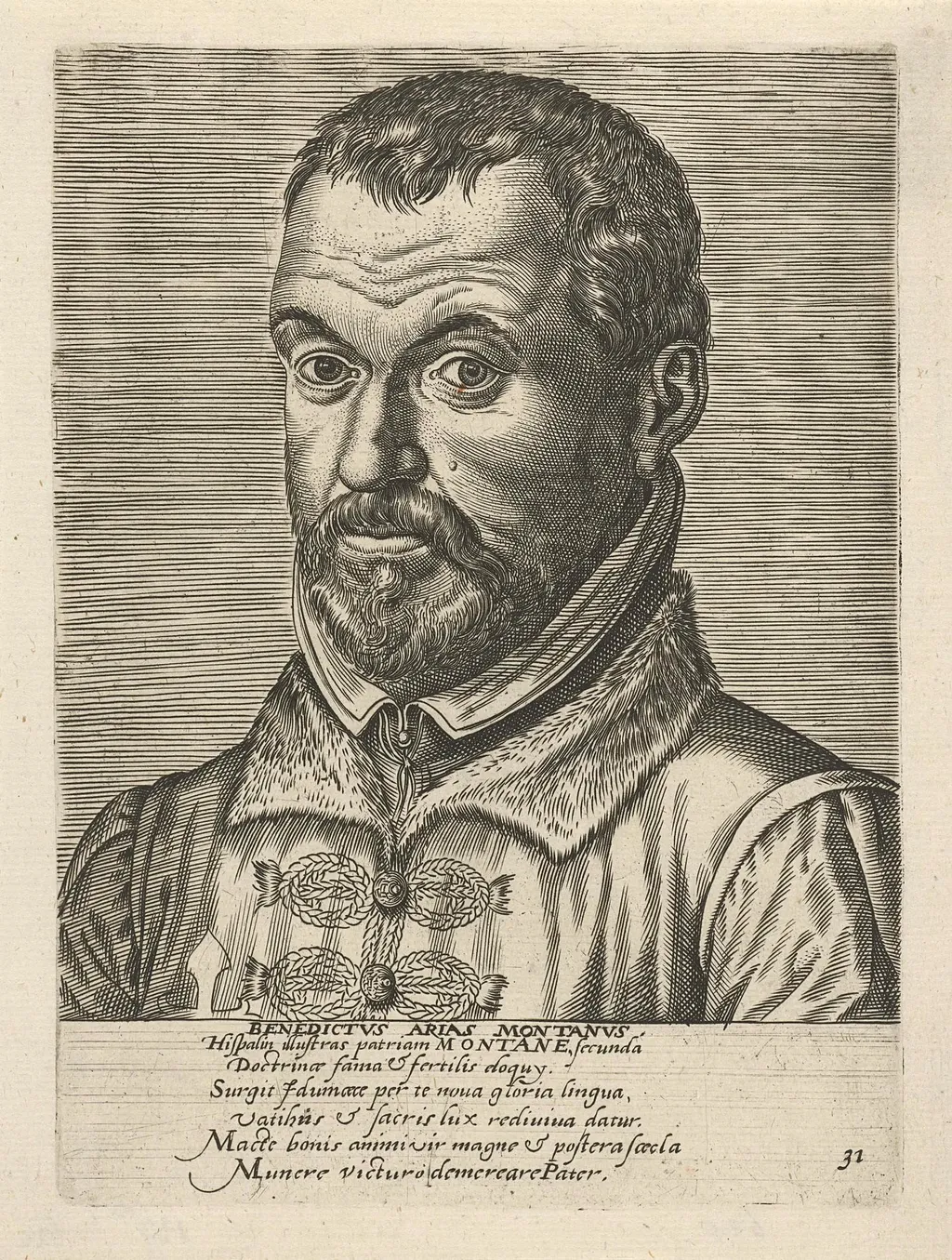
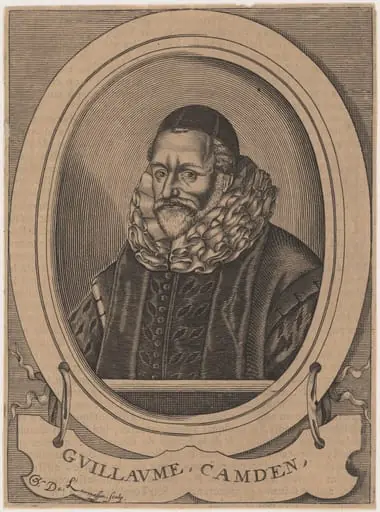
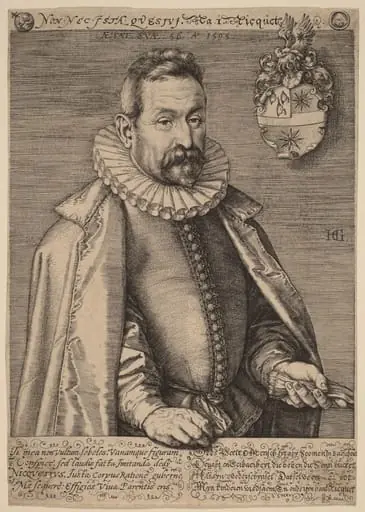
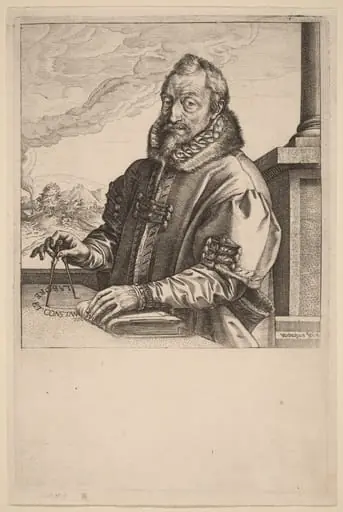
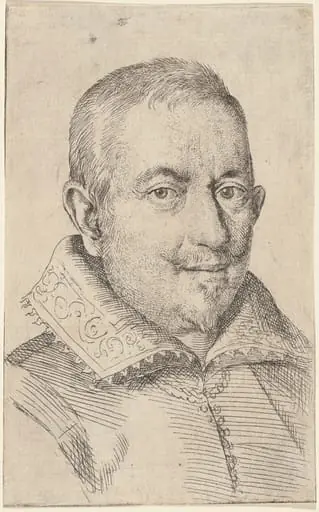
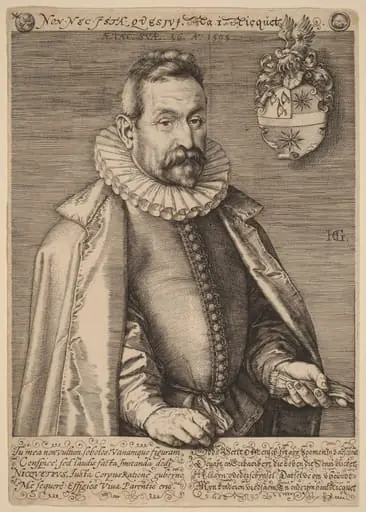
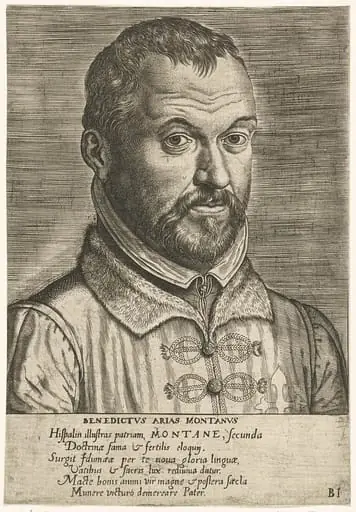
Portret van Benito Arias Montano is a photography by the Renaissance artist Philip Galle. It dates from 1572 and is held in the collection of the Ignacio Larramendi Foundation. This portrait depicts Benito Arias Montano, a Spanish scholar and theologian of the late 16th century.
About this work
Overview
This portrait depicts Benito Arias Montano, a Spanish scholar and theologian of the late 16th century. Rendered in profile to the right, the image captures his head and shoulders against a plain background. A Latin inscription beneath identifies him, reflecting the scholarly conventions of the period. The composition is restrained, emphasizing intellectual presence over ornamentation.
Subject & Meaning
Benito Arias Montano was a key figure in the Counter-Reformation, known for editing the Antwerp Polyglot Bible. The portrait’s solemn expression and formal attire convey his scholarly authority and religious devotion. The Latin text reinforces his identity as a man of letters, aligning the image with humanist traditions that valued textual scholarship and classical learning.
Technique & Style
The portrait employs a linear, precise draftsmanship typical of engraved portraiture in the late Renaissance. Soft modeling defines the face and collar, suggesting a subtle use of tonal gradation, though not fully developed sfumato. The lack of background detail focuses attention on the subject’s features and the inscription, characteristic of scholarly portraiture of the era.
History & Provenance
The portrait likely originated as a printed engraving, circulated among academic and ecclesiastical circles in the late 1500s. Its survival suggests it was valued as a visual record of a prominent theologian. While its exact origin and early owners are undocumented, its format aligns with other engraved portraits of humanists produced in the Low Countries and Spain.
Context
During Arias Montano’s lifetime, portraiture served both personal and institutional purposes, especially among clergy and scholars. Latin inscriptions were standard in such images, signaling erudition and aligning the subject with classical antiquity. This portrait reflects the broader trend of using visual media to legitimize intellectual and religious authority in post-Reformation Europe.
Legacy
Though not widely reproduced today, the portrait remains a tangible link to the intellectual networks of the Spanish Renaissance. It exemplifies how scholarly identity was visually constructed through restrained imagery and textual annotation. Its endurance in collections underscores its role as a historical document as much as a work of art.
Artist & collection
Artist
Portraits in the 1500s often doubled as status symbols, and Philip Galle’s 1572 *Portret van Benito Arias Montano* is no exception.