Artwork
At the Louvre
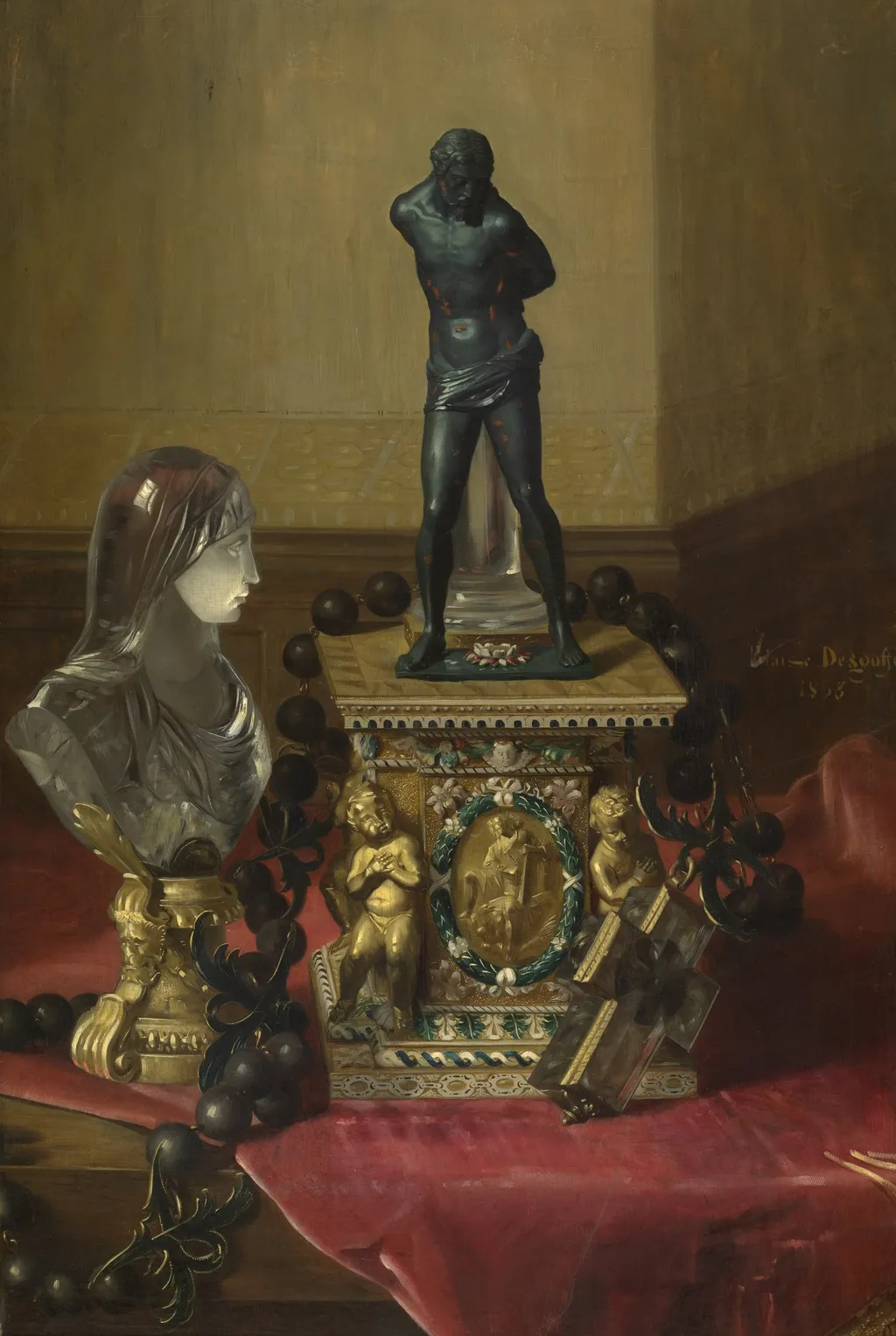
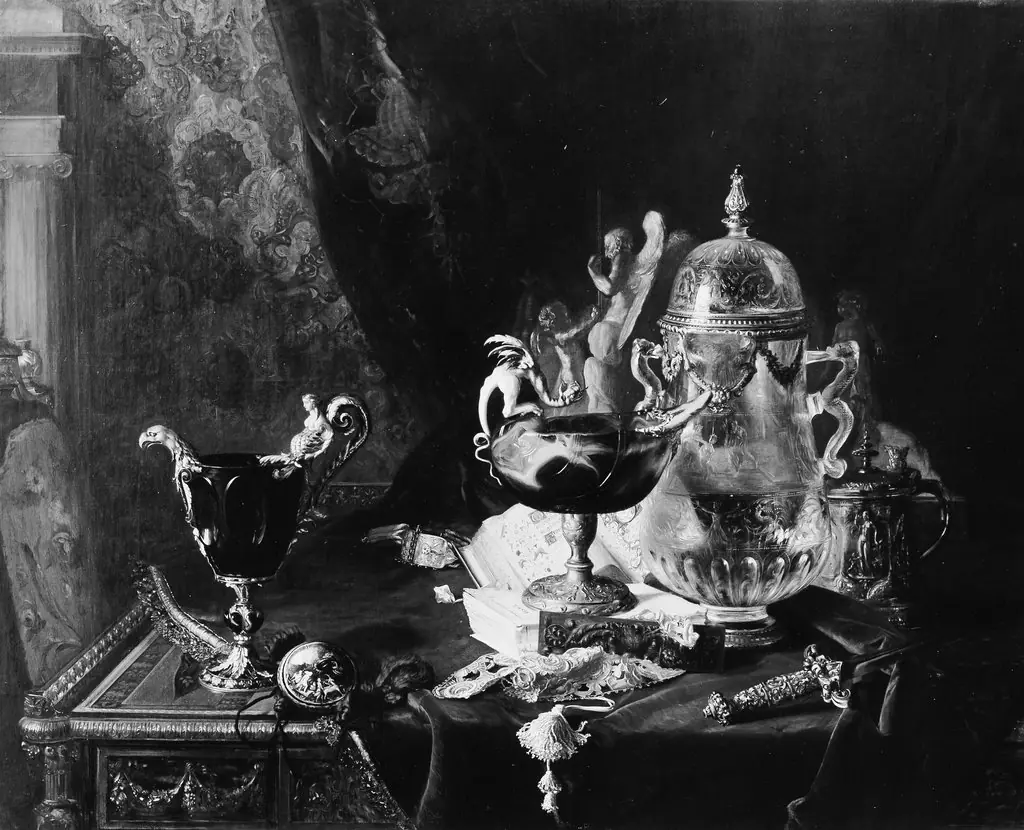
At the Louvre is an oil painting by Blaise Alexandre Desgoffe. It dates from 1868 and is held in the collection of the Royal Museum of Fine Arts Antwerp.
About this work
Overview
Though titled *At the Louvre*, the scene does not portray the museum’s interior but rather a curated assemblage likely inspired by its collections.
Painted in 1868 by French artist Blaise Alexandre Desgoffe, this oil-on-canvas work depicts a carefully arranged still life of antique objects. Though titled *At the Louvre*, the scene does not portray the museum’s interior but rather a curated assemblage likely inspired by its collections. Desgoffe, known for his refined still lifes, rendered the composition with meticulous attention to texture and materiality, reflecting his academic training and sustained engagement with the Paris Salon.
Subject & Meaning
The painting presents a silent tableau of classical and decorative artifacts: a polished bust, a darkened statuette with traces of red pigment, and an ornate box bearing a painted figure. These objects suggest an appreciation for antiquity and craftsmanship, evoking the cultural prestige associated with museum collections. The arrangement implies quiet contemplation rather than narrative, inviting the viewer to consider the value and endurance of material heritage.
Technique & Style
Desgoffe employed a highly detailed, smooth brushwork technique typical of 19th-century academic still life. Surfaces are rendered with precision—metallic sheen on the bust, matte depth on the statue, and intricate patterns on the box are all carefully distinguished. The red drapery provides a warm contrast, anchoring the composition while enhancing the tactile realism of the objects. His method prioritizes clarity and fidelity over expressive gesture, aligning with the conventions of his training under Hippolyte Flandrin.
History & Provenance
Completed in 1868, the painting entered the collection of the Royal Museum of Fine Arts Antwerp, where it remains today. Desgoffe, who exhibited regularly at the Paris Salon and received medals in 1861 and 1863, was recognized in his lifetime with the Légion d'honneur in 1878. While the painting’s early ownership is undocumented, its inclusion in a major European museum suggests it was valued by contemporary collectors for its technical polish and scholarly subject matter.
Context
In mid-19th-century France, still-life painting was elevated through academic rigor and historical reference. Desgoffe’s work reflects a broader cultural fascination with antiquities, fueled by archaeological discoveries and the growing public access to institutions like the Louvre. His focus on objects associated with classical and decorative arts aligned with bourgeois tastes that prized connoisseurship and material refinement over emotional or political themes.
Legacy
Desgoffe’s oeuvre, though less widely known today, exemplifies the quiet persistence of academic still life in an era increasingly dominated by realism and impressionism. His precise technique and dedication to material representation influenced his son Jules and contributed to a lineage of French painters who sustained traditional methods. *At the Louvre* endures as a testament to the era’s reverence for object-based culture and the discipline of careful observation.
Artist & collection
Artist
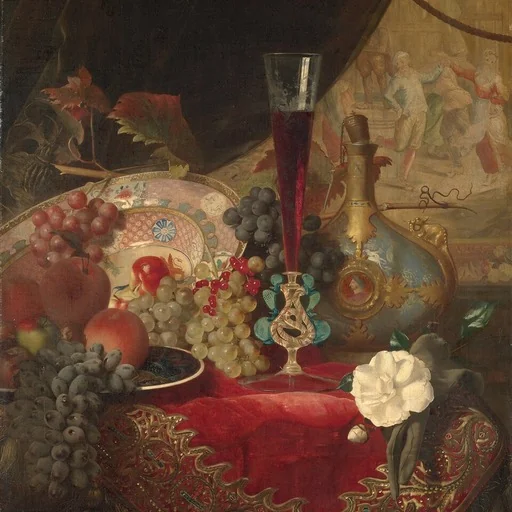
Blaise Alexandre Desgoffe (January 17, 1830 – May 2, 1901) was a French painter who specialized in meticulously finished still-life paintings.

 Stillleben
 Still life with candlestick of the "Labours of Hercules" series and two ewers
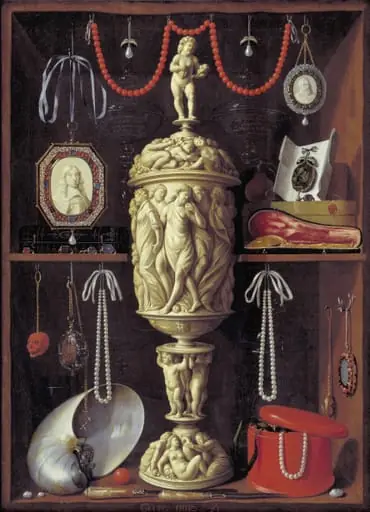 A Cabinet with Objects of Art
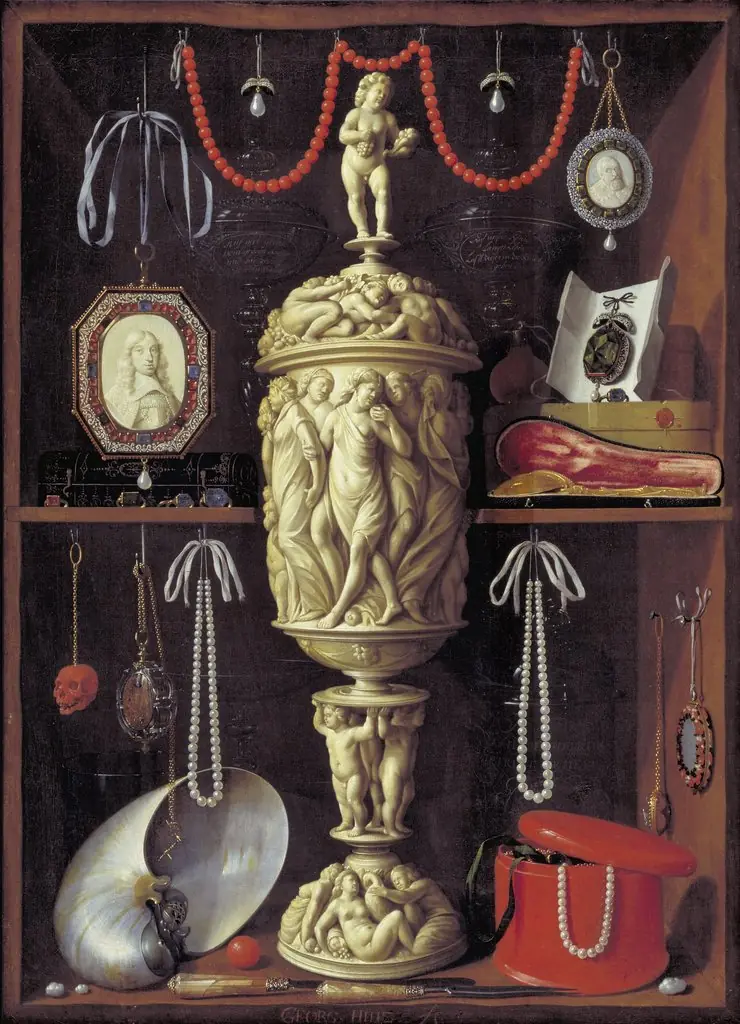 A collector's cabinet with ivory cup
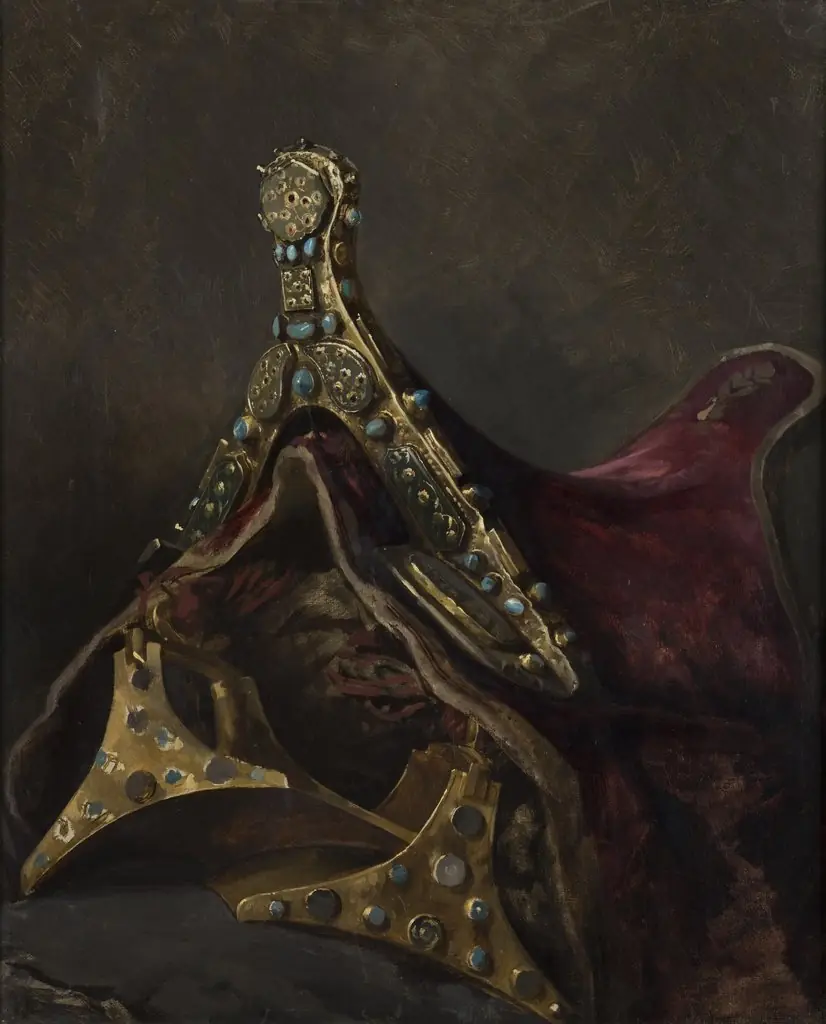 Study of Stirrups and a Saddle
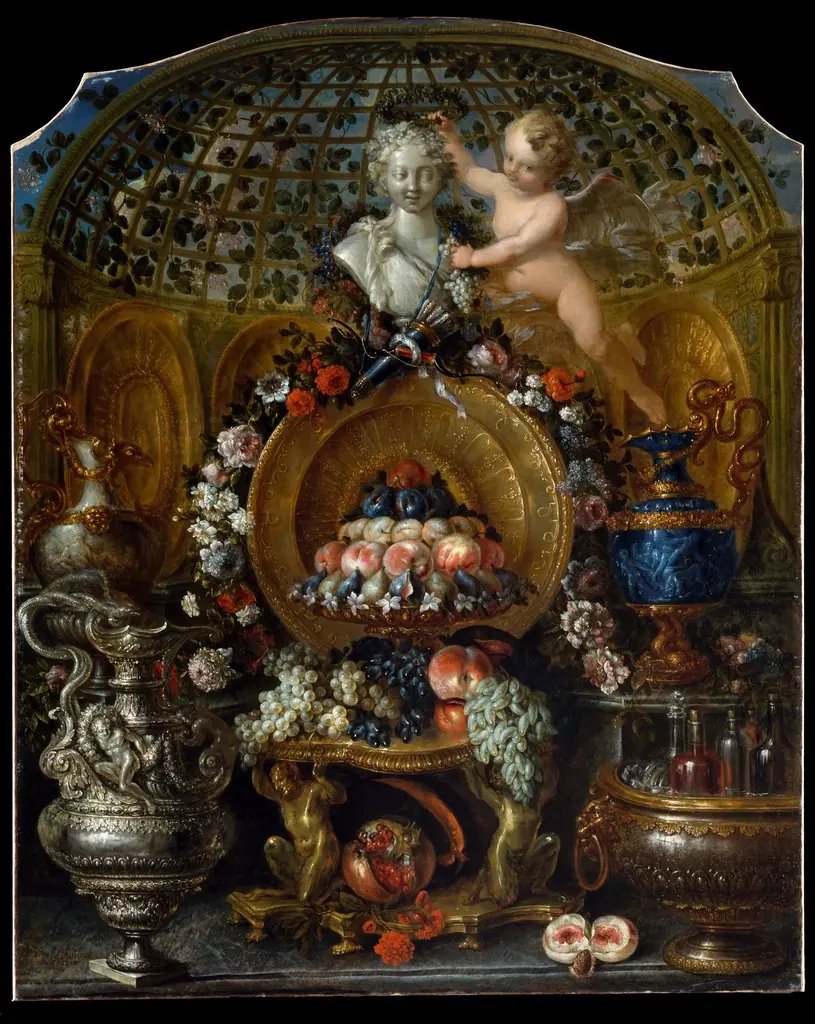 Still Life with Silver and Gold Vessels, Fruit, and Flowers
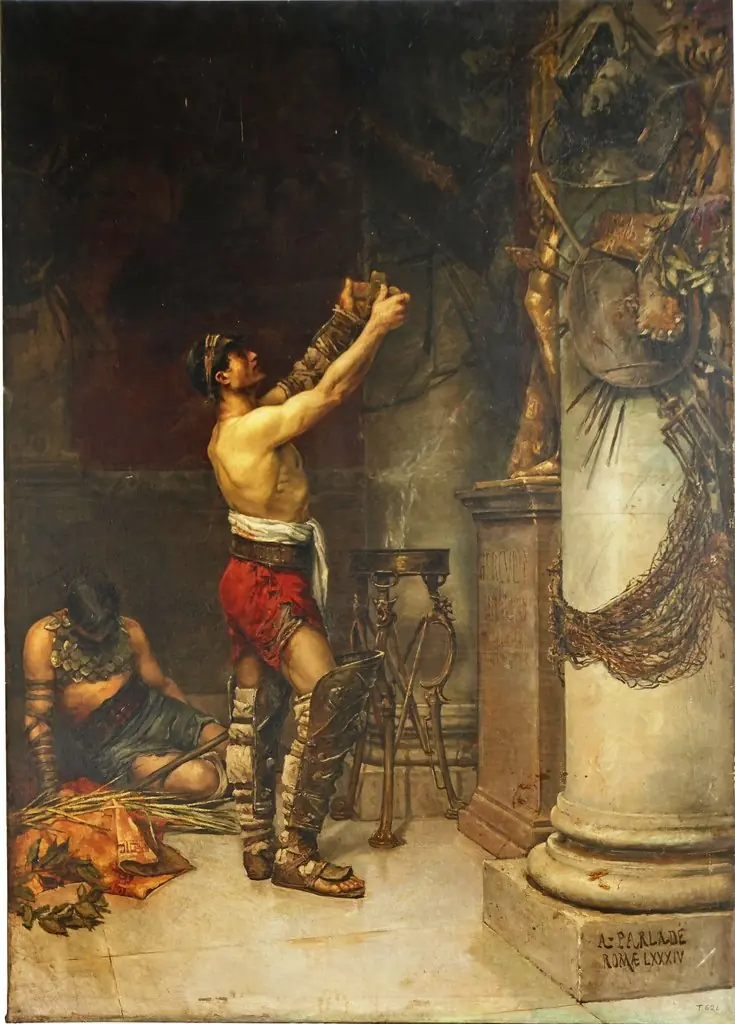 Gladiadores victoriosos ofreciendo las armas a Hércules guardián
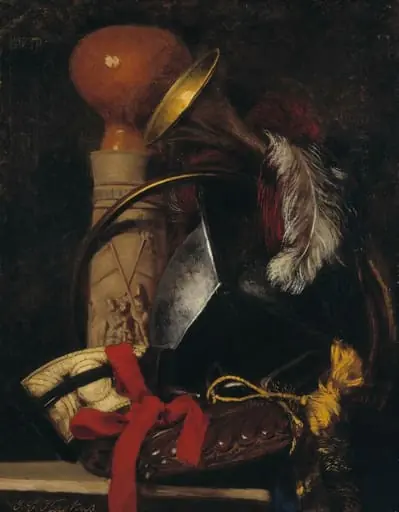 Asetelma, malja, metsätorvi, plyymejä sekä vyö
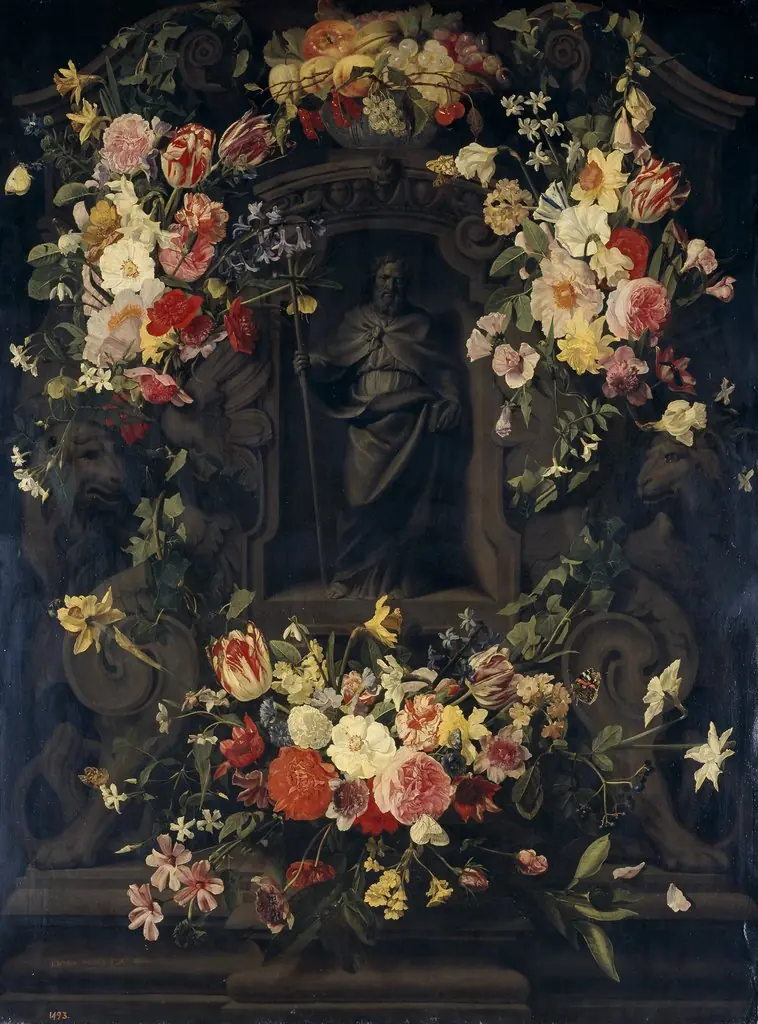 San Felipe en hornacina rodeada de flores
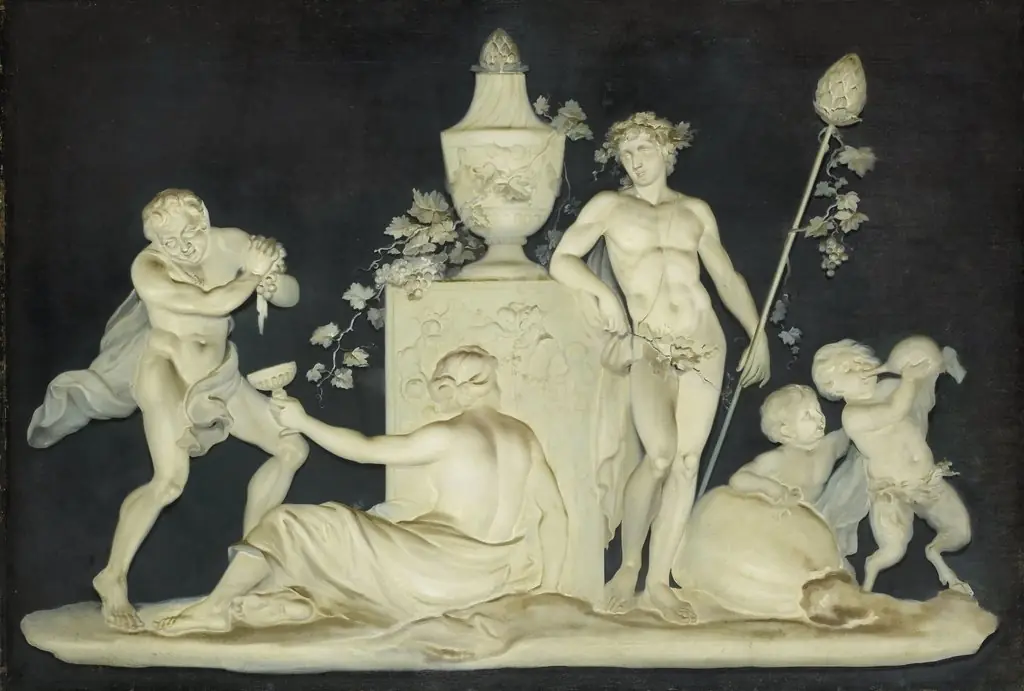 Bacchanal
 The Death of Queen Sophie Amalie
 Objects of Art from the Louvre