Artwork
A Coromantyn Free Negro, or Ranger, armed
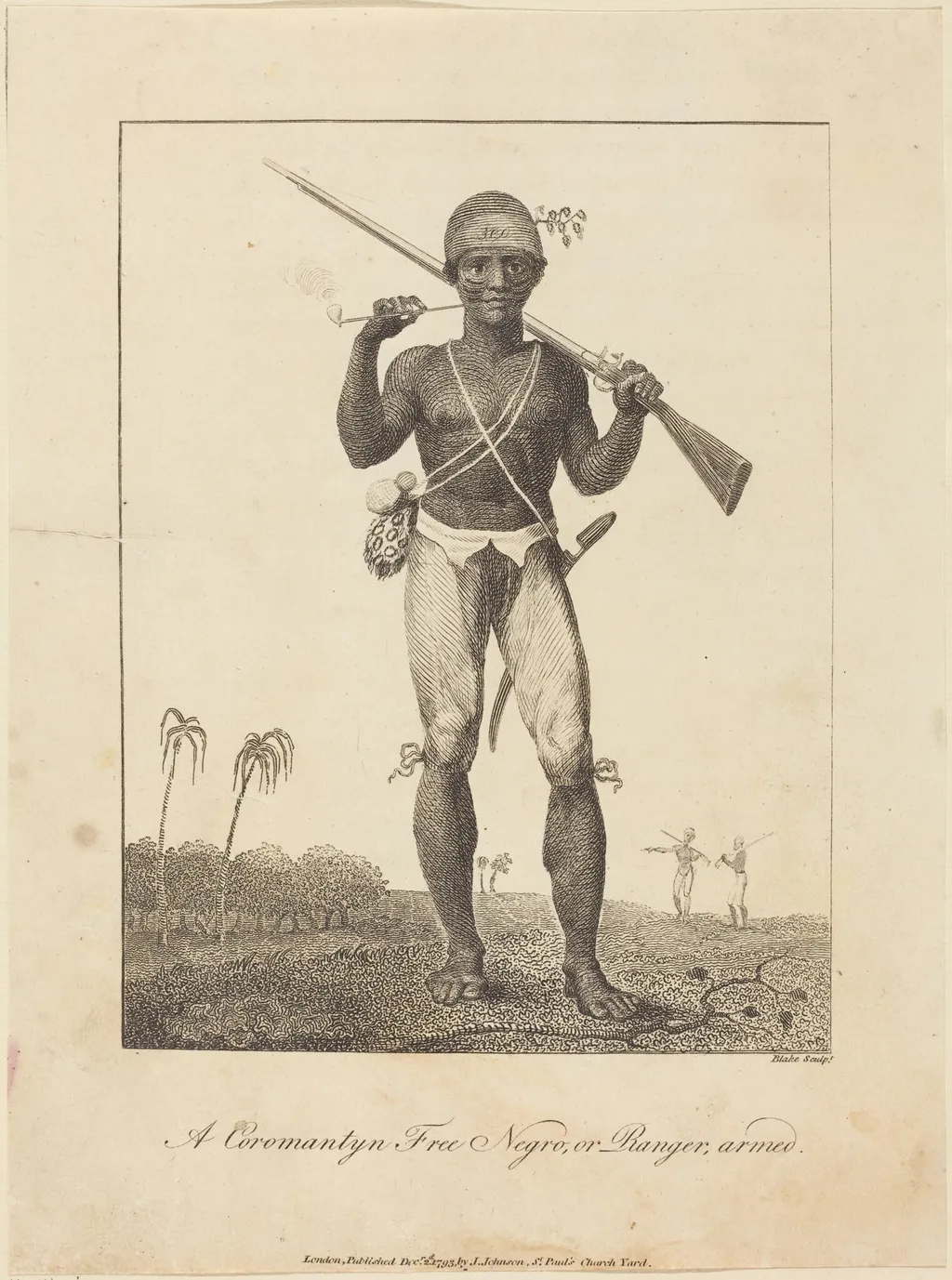
A Coromantyn Free Negro, or Ranger, armed is an ink print by the Romanticist artist William Blake. It dates from 1793 and is held in the collection of the National Gallery of Art.
About this work
Overview
The 1793 engraving titled *A Coromantyn Free Negro, or Ranger, armed* presents a standing figure set against a wooded landscape. The subject holds a long firearm across his left shoulder, wears a headcloth, a simple loincloth, and a belt equipped with a knife and pouch, while a second, distant figure appears among the trees.
Subject & Meaning
The central figure is identified as a free Black individual from Jamaica’s Coromantyn region, portrayed as a ranger or soldier. His armed stance and attire suggest a role as a hunter or warrior, reflecting themes of resistance and personal agency within a colonial context.
Technique & Style
Executed in fine engraving, the image relies on intricate cross‑hatching to render texture, depth, and the play of light across the figure and foliage. The meticulous line work creates a tactile sense of fabric, metal, and natural surroundings, characteristic of late 18th‑century printmaking.
History & Provenance
Created during William Blake’s London period, the print aligns with his broader artistic output that combined poetic imagination with visual symbolism. Though Blake’s reputation grew posthumously, this work remained part of his early print series, circulating among a limited audience in the 1790s.
Context
The engraving emerges from the Romantic era’s fascination with exotic subjects and individual heroism. By depicting a free Black ranger from the Caribbean, Blake engages with contemporary debates about slavery, liberty, and the identity of people of African descent within the British Empire.
Artist & collection
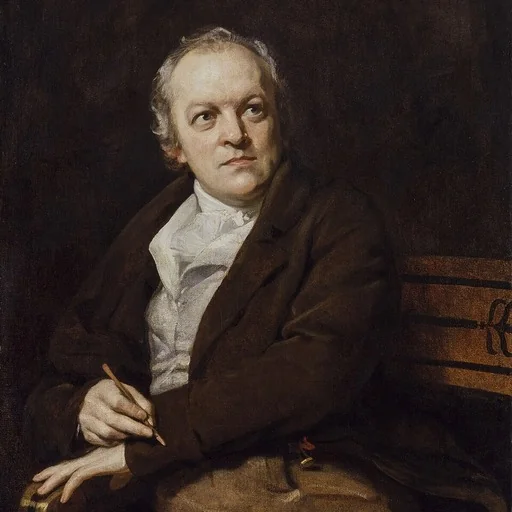
Artist
William Blake (28 November 1757 – 12 August 1827) was an English poet, painter and printmaker.

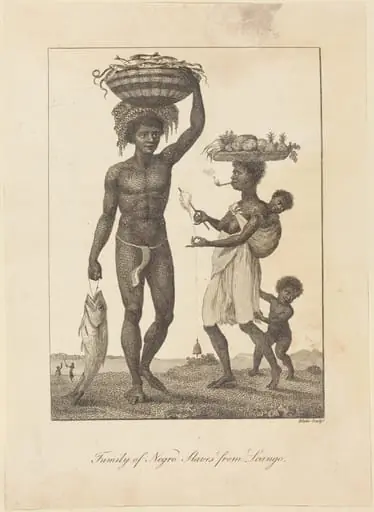 Family of Negro Slaves from Loango
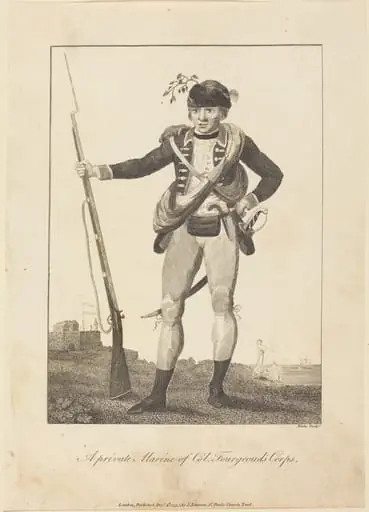 A private Marine of Col. Fourgeoud's Corps
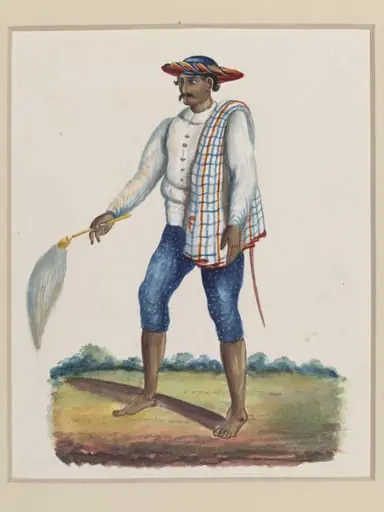 A Sais
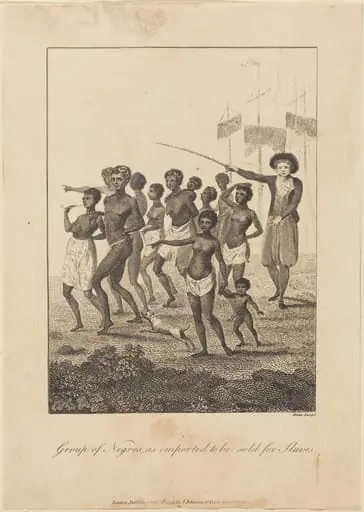 Group of Negros, as imported to be sold for Slaves
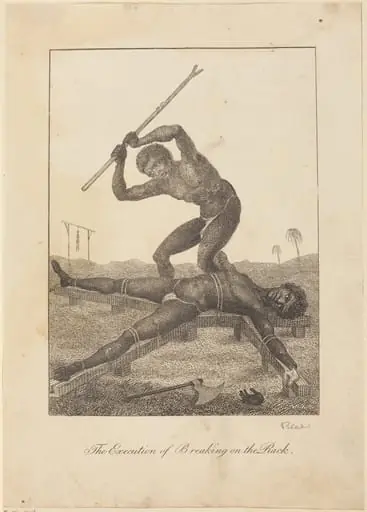 The Execution of Breaking on the Rack
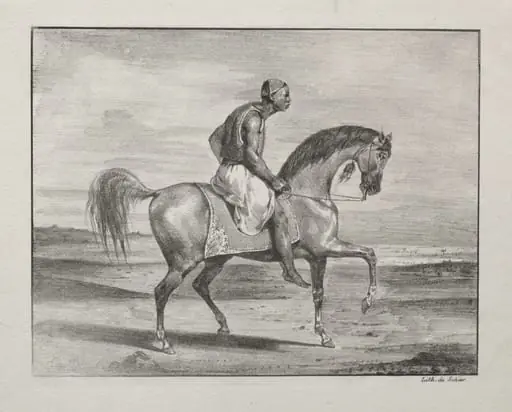 African on Horseback
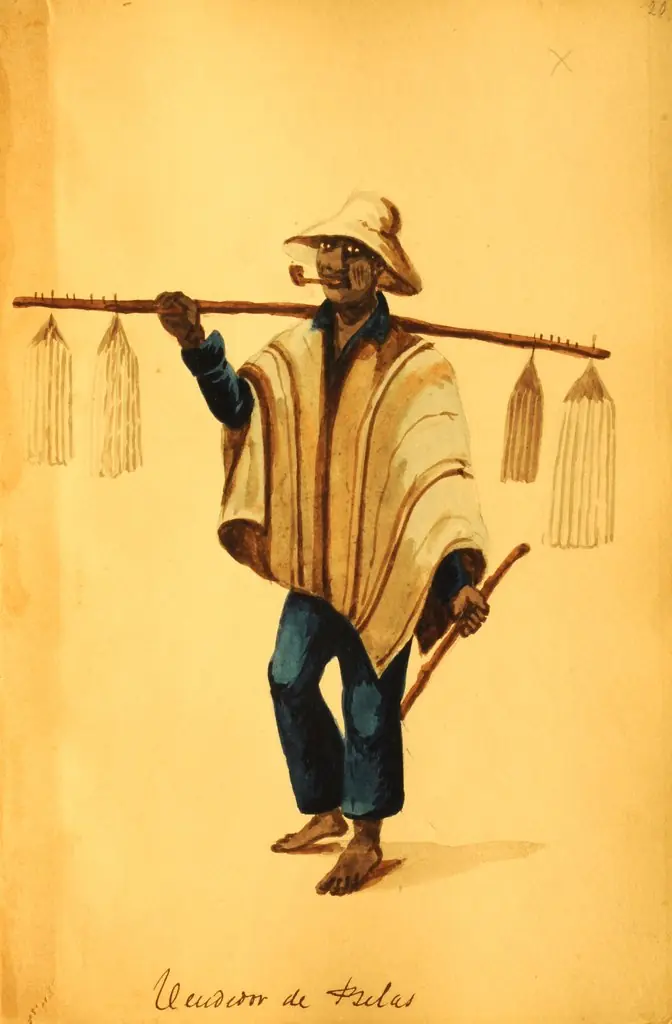 Candle seller
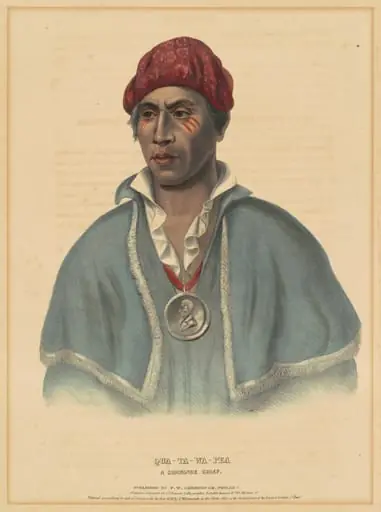 Qua-Ta-Wa-Pea, A Shawnoe Chief
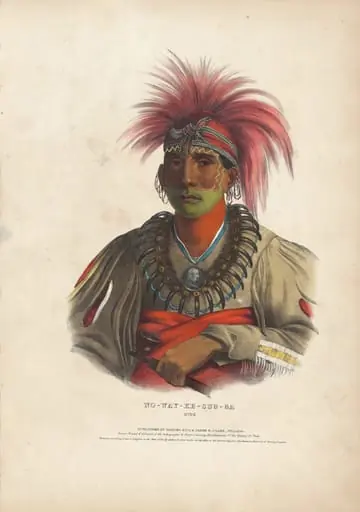 No-Way-Ke-Sug-Ga, Otoe
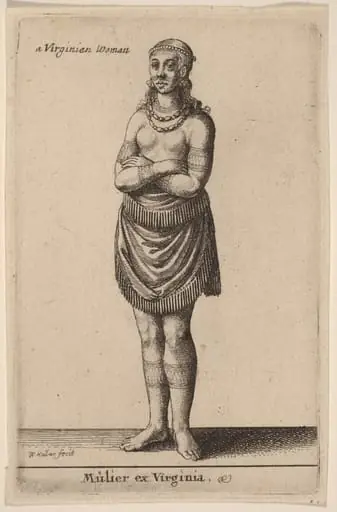 Mulier ex Virginia
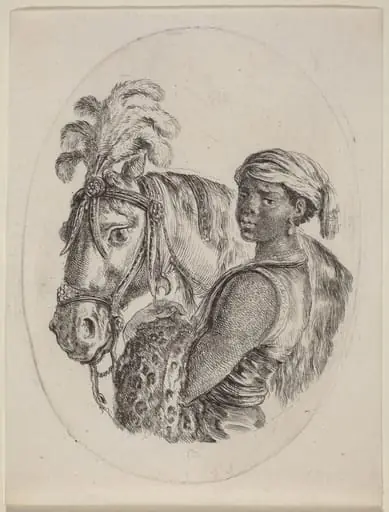 Black Groom with an Arabian Horse
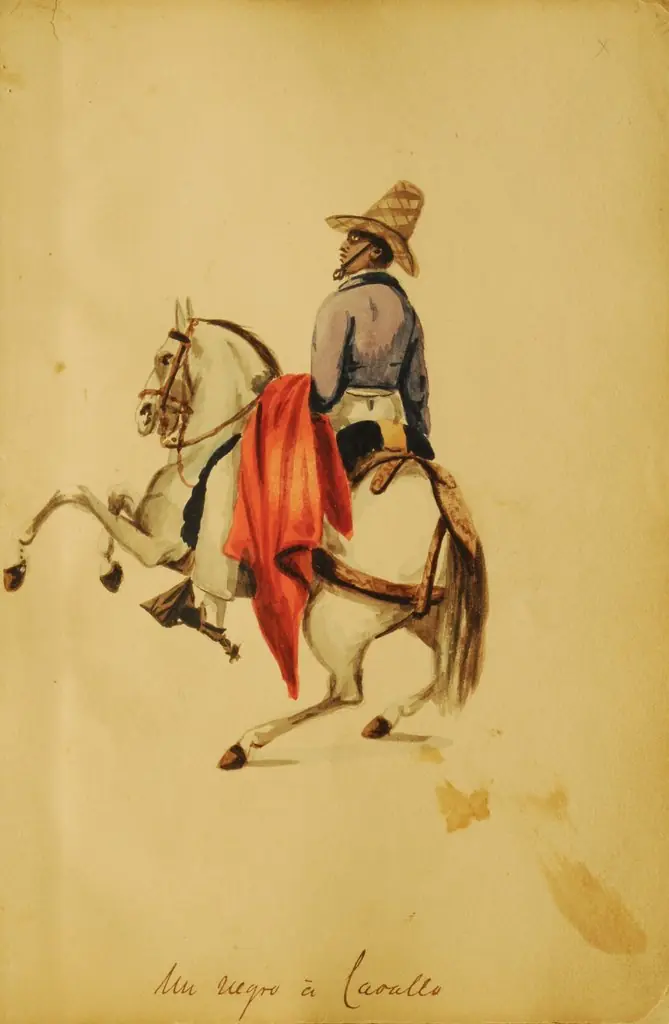 A Negro on horseback