Artwork
George Cumberland's Card
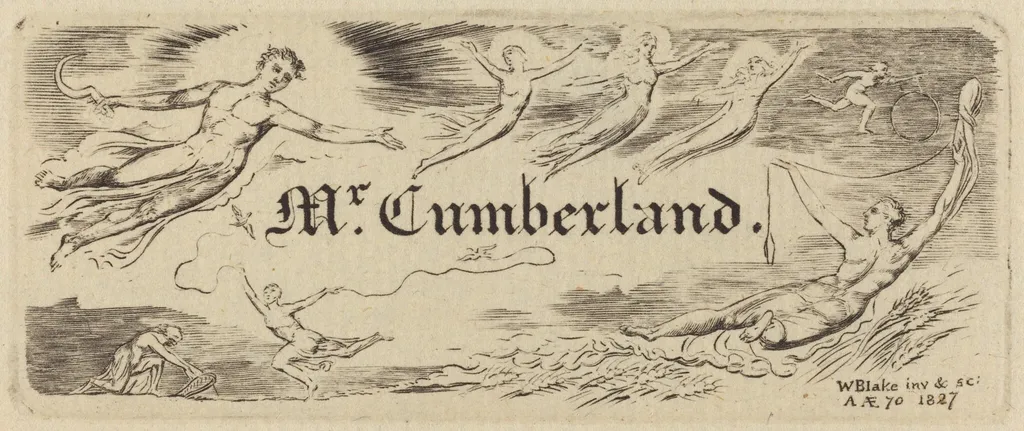
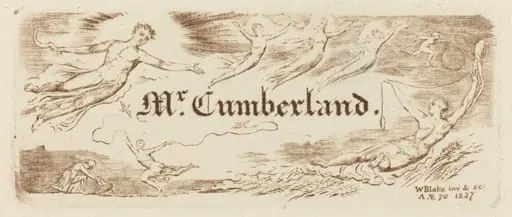
George Cumberland's Card is an ink print by the Romanticist artist William Blake. It dates from 1827 and is held in the collection of the National Gallery of Art.
About this work
Overview
George Cumberland’s Card is a black‑ink engraving created by William Blake in 1827, the year of his death. The work is a small print that bears the name “Mr. Cumberland” at its centre, surrounded by a tangle of figures and swirling lines that convey a sense of turbulence and motion.
Subject & Meaning
The composition depicts a chaotic gathering of partially clothed, airborne figures caught in a storm‑like sky. Some figures appear to be descending, while others reach upward, suggesting a struggle between descent and aspiration. The restless arrangement reflects Blake’s interest in visionary, mythic scenes that explore the tension between the material and the spiritual.
Technique & Style
Blake employed cross‑hatching, carving intersecting lines into a metal plate to produce a dense network of shadows and kinetic energy. The layered strokes generate a sense of swirling wind and motion, while the rough, sketch‑like quality of the lines reinforces the work’s unsettled atmosphere. The engraving’s stark monochrome palette heightens its dramatic effect.
History & Provenance
The print was produced in the final year of Blake’s life, a period marked by a decline in his commercial success but a continued output of personal works. It was likely intended as a personal tribute or greeting to the artist George Cumberland, a fellow member of Blake’s literary circle. The piece has since entered public collections as an example of Blake’s late printmaking.
Artist & collection
Artist
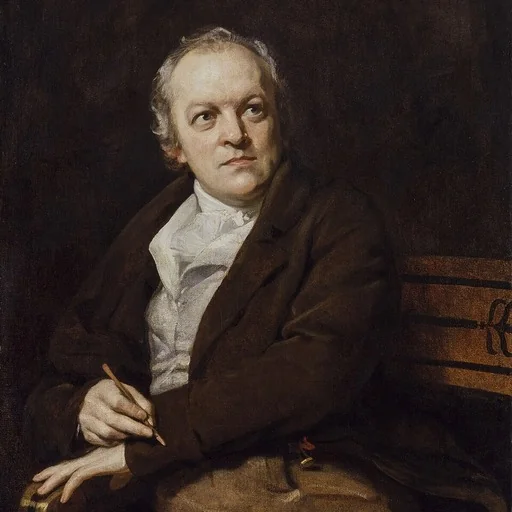
William Blake (28 November 1757 – 12 August 1827) was an English poet, painter and printmaker.

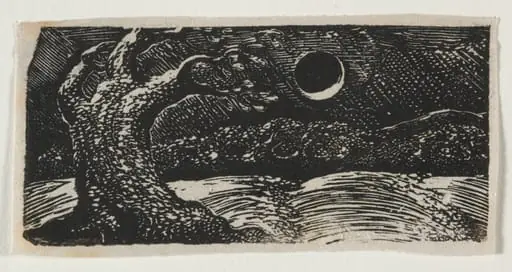 The Pastorals of Virgil, Eclogue I: The Blasted Tree
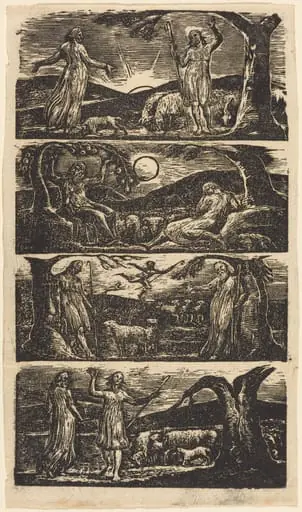 The Pastorals of Virgil
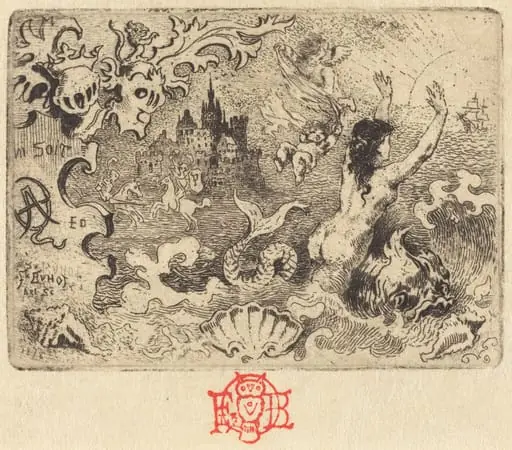 Jacques Cazotte's "Le Diable amoureux" (2nd vignette)
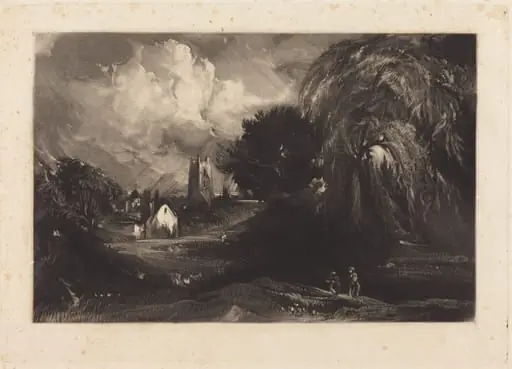 Stoke-by-Neyland
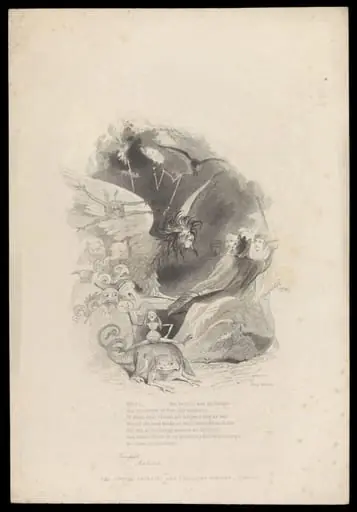 H Beard Print Collection
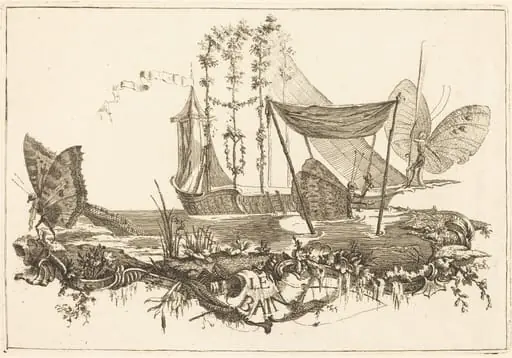 Le Bain (The Bath)
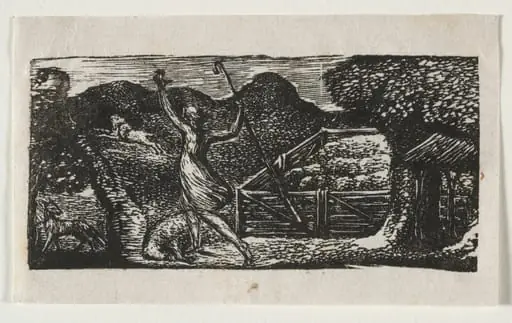 The Pastorals of Virgil, Eclogue I: The Shepherd Chases away a Wolf
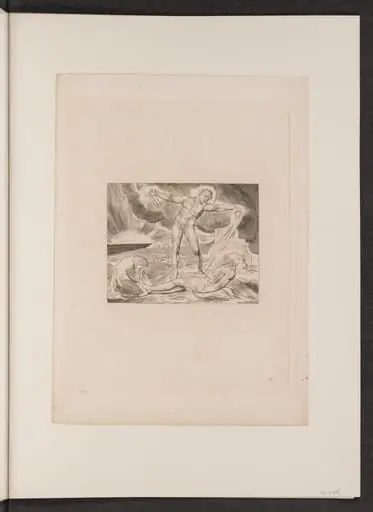 Satan Smiting Job with Boils
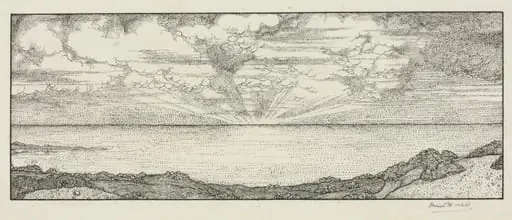 Sunrise
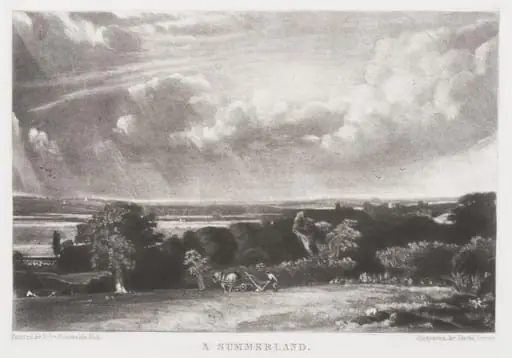 A SUMMERLAND
 Job and His Wife Restored to Prosperity
 George Cumberland's Card