Artwork
Cucurbita
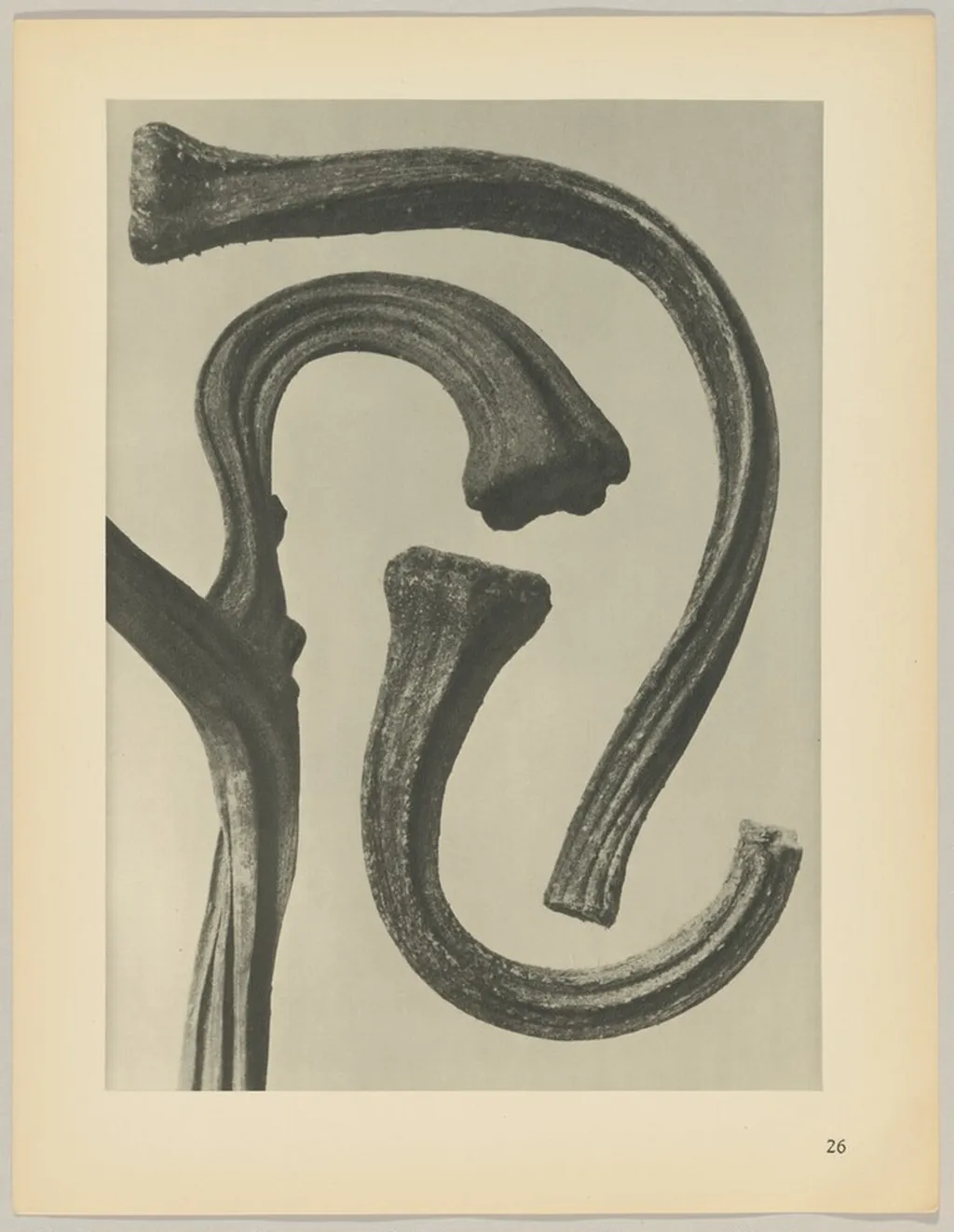
Cucurbita is a print by Karl Blossfeldt. It dates from 1928 and is held in the collection of the National Gallery of Art.
About this work
Overview
Karl Blossfeldt produced *Cucurbita* in 1928 using the photogravure process, a method that translates photographic negatives into richly detailed tonal prints.
Karl Blossfeldt produced *Cucurbita* in 1928 using the photogravure process, a method that translates photographic negatives into richly detailed tonal prints. As both a photographer and former sculptor, Blossfeldt focused on the structural precision of plant forms, capturing them with a camera rather than a chisel. This work is part of a larger series later compiled in his 1929 book *Urformen der Kunst*, where nature’s geometry became the subject of artistic and scientific inquiry.
Subject & Meaning
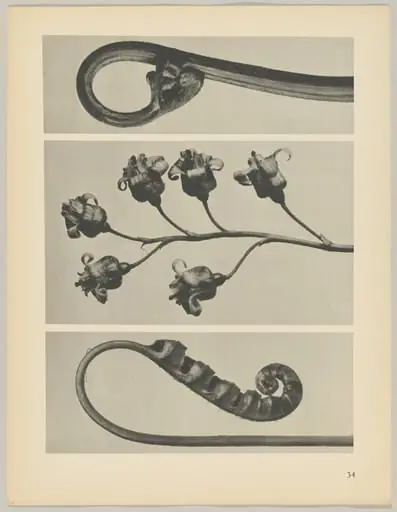
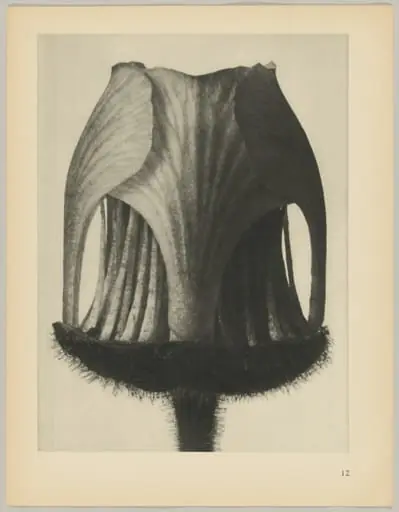
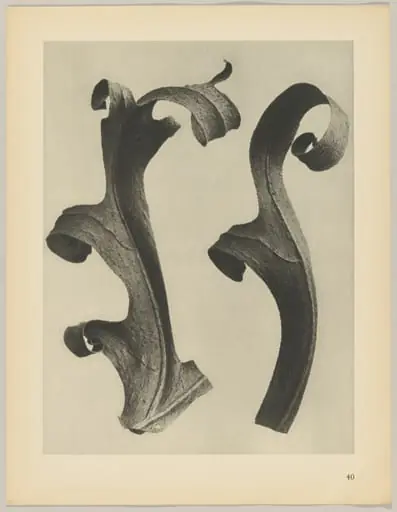
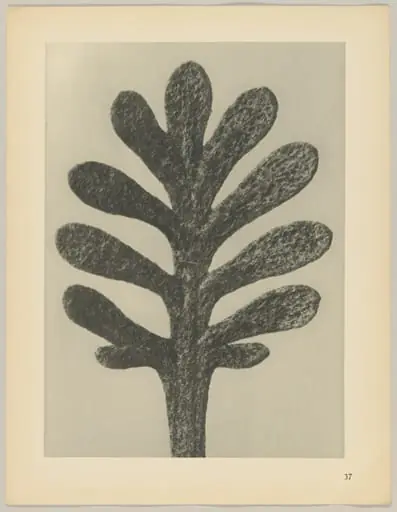
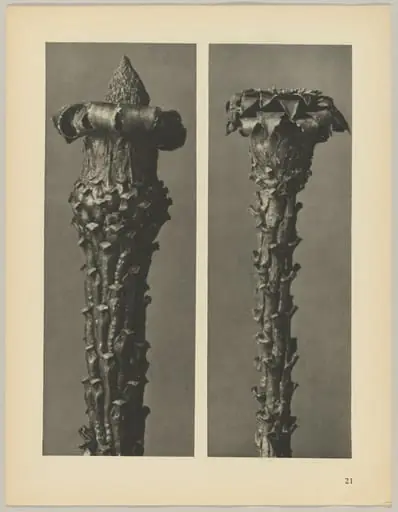
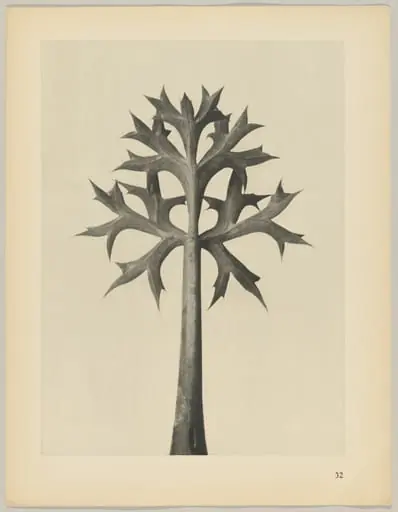
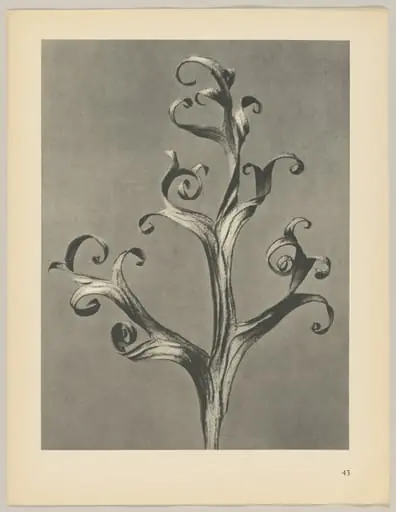
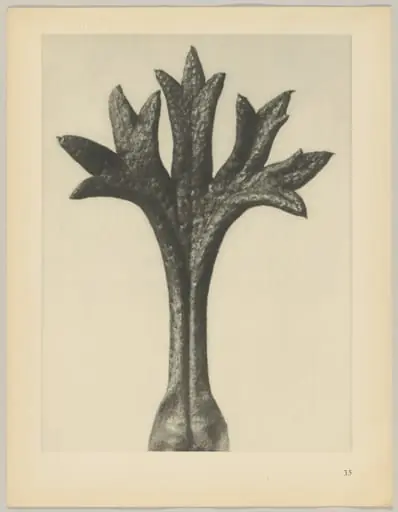
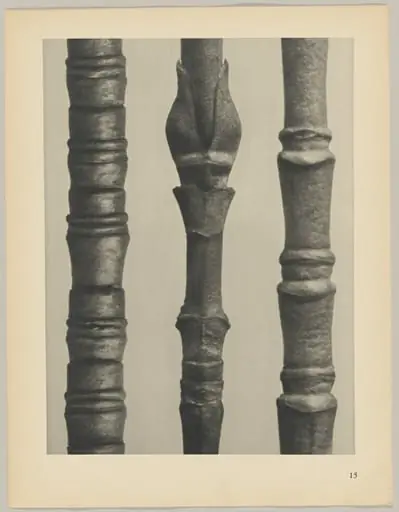
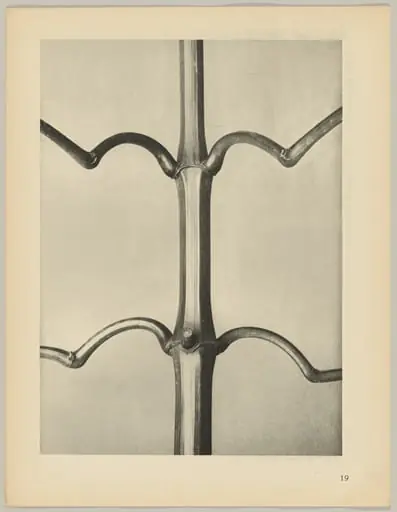
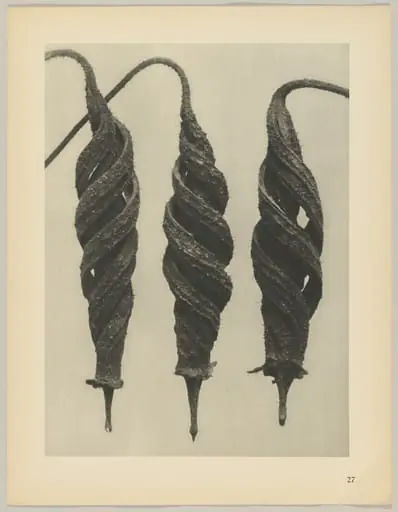
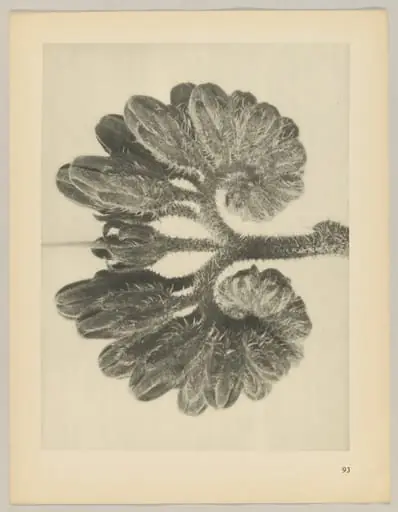
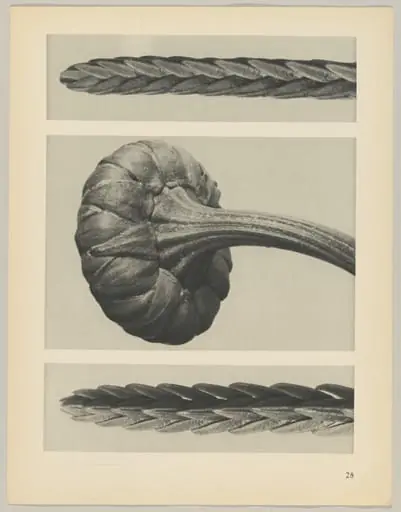
The image depicts a pumpkin vine, its thick stems looping and terminating in two rounded fruits. Blossfeldt isolates the plant from its environment, removing context to emphasize its inherent architecture. The forms suggest both biological function and abstract design, inviting comparison to crafted objects. His approach reveals how organic growth follows patterns that resonate with human-made geometry, blurring boundaries between natural and artificial form.
Technique & Style
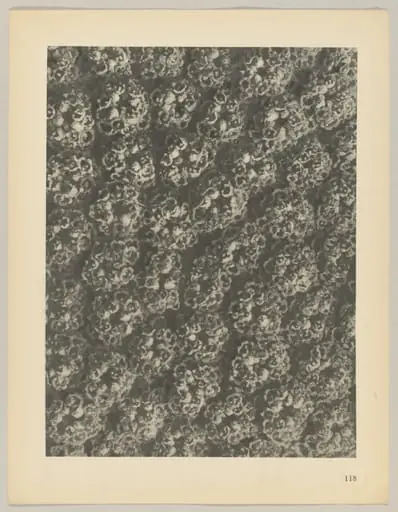
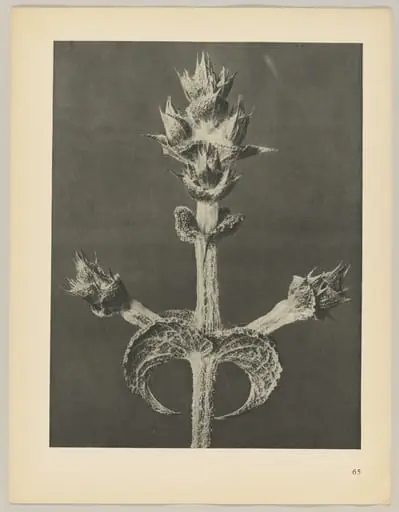
Using photogravure, Blossfeldt achieved exceptional tonal depth and fine detail, capturing the texture of skin, stem, and tendril with near-sculptural clarity. The black-and-white palette eliminates color distraction, heightening focus on contrast, curve, and line. His compositions are tightly framed, often magnified, transforming ordinary botanical specimens into monumental studies. The result resembles drawn illustrations, though entirely photographic—evidence of his technical discipline and visual precision.
History & Provenance
Blossfeldt began photographing plants in the 1890s as teaching aids for art students, later refining his method over decades. *Cucurbita* was made during the peak of this project, just before the 1929 publication of *Urformen der Kunst*, which brought his work to wider attention. The photogravure was likely printed in limited editions, distributed through academic and artistic circles. Its provenance traces to his teaching practice and the Berlin art schools where he influenced generations of designers.
Context
In the interwar period, Germany saw a surge in interest in form, function, and the relationship between nature and industrial design. Blossfeldt’s work aligned with movements like New Objectivity and Bauhaus ideals, which valued clarity and structural honesty. His images were not merely botanical records but visual arguments for the aesthetic potential inherent in natural growth—a perspective that resonated with architects and designers seeking inspiration from organic systems.
Legacy
Blossfeldt’s photographs, including *Cucurbita*, became foundational references in the study of form across disciplines—from botany to modernist design. His method of magnifying nature to reveal hidden structures influenced later photographers and artists interested in abstraction and biological geometry. Though rooted in pedagogy, his work endures as a quiet testament to the visual intelligence embedded in the natural world, continuing to inform how we perceive organic structure.
Artist & collection
Artist
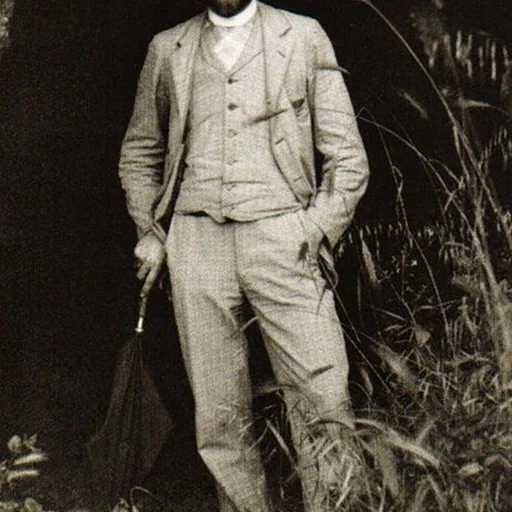
Karl Blossfeldt (13 June 1865 – 9 December 1932) was a German photographer and sculptor.