Artwork
Cajophora lateritia, Loasaceae
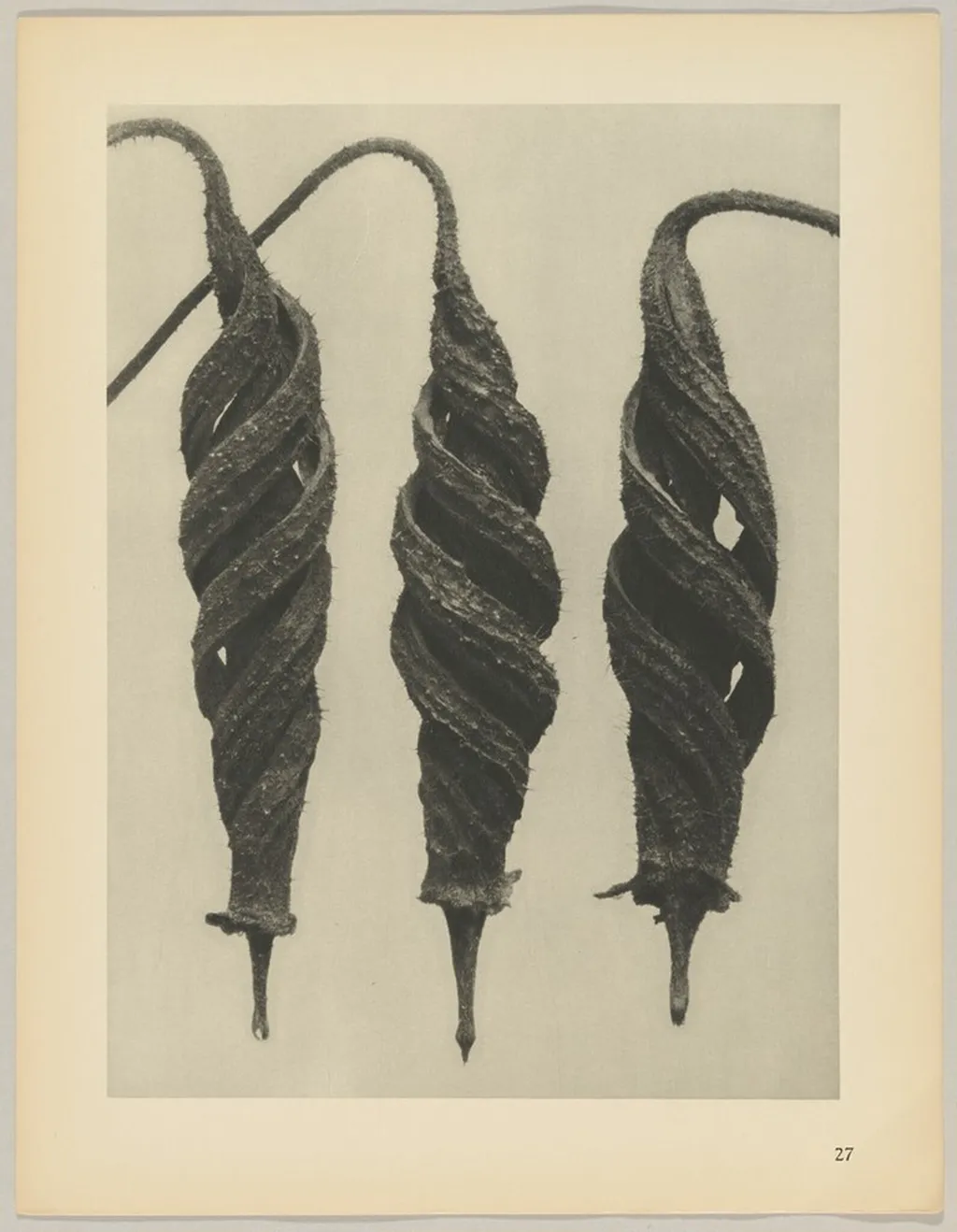
Cajophora lateritia, Loasaceae is a print by Karl Blossfeldt. It dates from 1928 and is held in the collection of the National Gallery of Art.
About this work
Overview
Created in 1928 by German photographer and sculptor Karl Blossfeldt, this work is a photogravure titled *Cajophora lateritia, Loasaceae*. It presents a close‑up study of three twisted, dark‑brown plant stems set against a light beige background, emphasizing texture and form through careful lighting.
Subject & Meaning
The image isolates three woody stems of the plant *Cajophora lateritia*, each ending in a long, curved tip that suggests movement. By magnifying these natural details, Blossfeldt draws attention to the inherent design qualities of botanical structures, inviting contemplation of the relationship between organic growth and visual composition.
Technique & Style
Blossfeldt employed the photogravure process, a method that allows fine tonal gradations and sharp detail. His use of chiaroscuro—contrasting light and shadow—enhances the three‑dimensionality of the stems, rendering their rough surfaces and subtle curvature with striking clarity.
History & Provenance
The print was first published in 1929 within Blossfeldt’s volume *Urformen der Kunst* (The Forms of Art), a collection that juxtaposed botanical photography with artistic theory. The work reflects the influence of his father’s interest in plant morphology and marks a key moment in Blossfeldt’s career as a documentarian of natural form.
Context
During the late 1920s, modernist artists and designers sought inspiration from nature’s geometry. Blossfeldt’s photographs, including this one, contributed to that dialogue by providing precise visual references that informed contemporary architecture, graphic design, and the emerging field of biomimicry.
Artist & collection
Artist
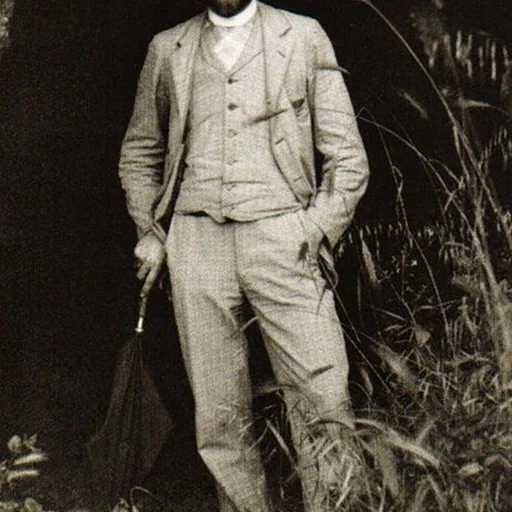
Karl Blossfeldt (13 June 1865 – 9 December 1932) was a German photographer and sculptor.

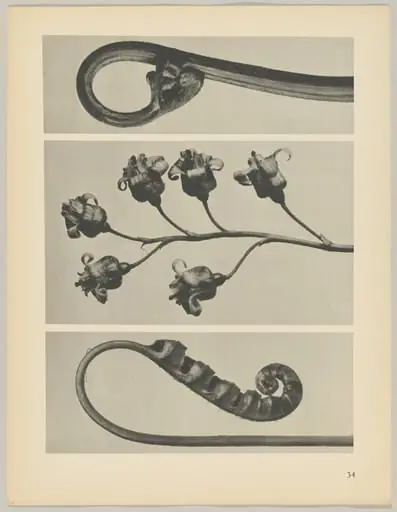
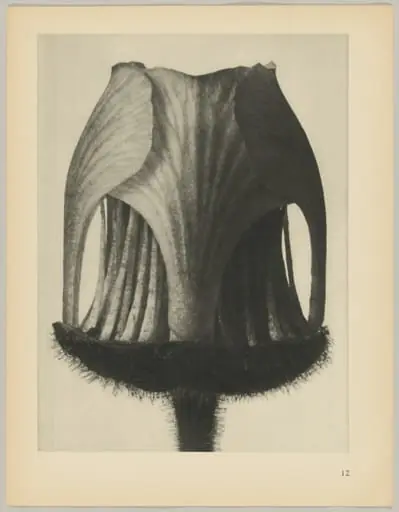

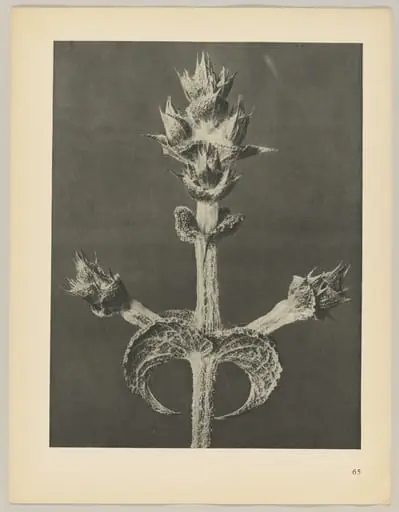
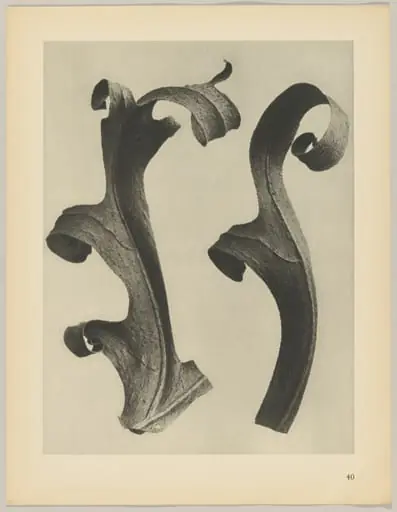
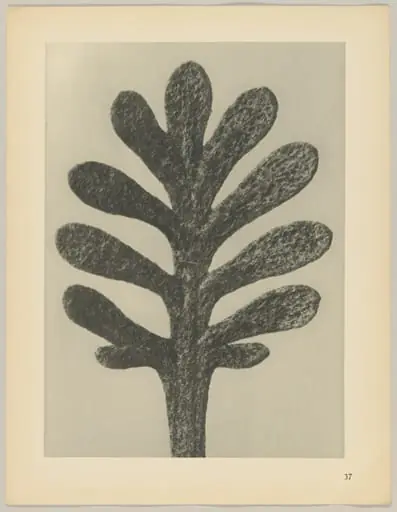
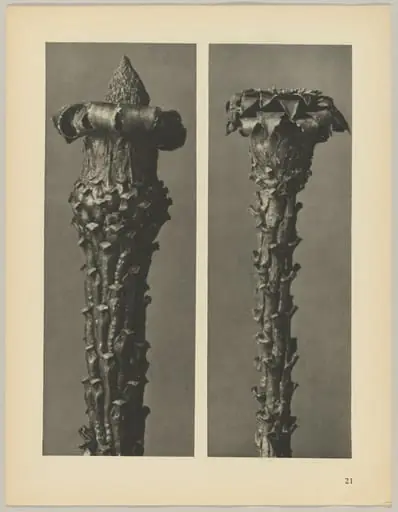
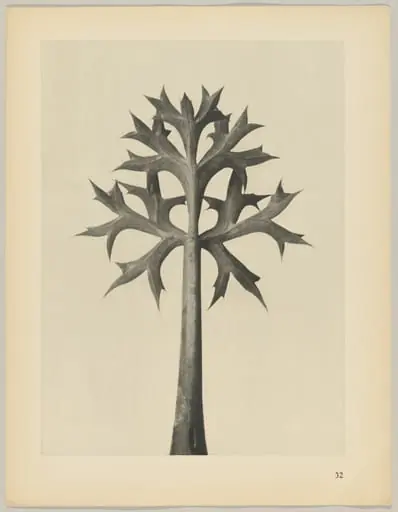
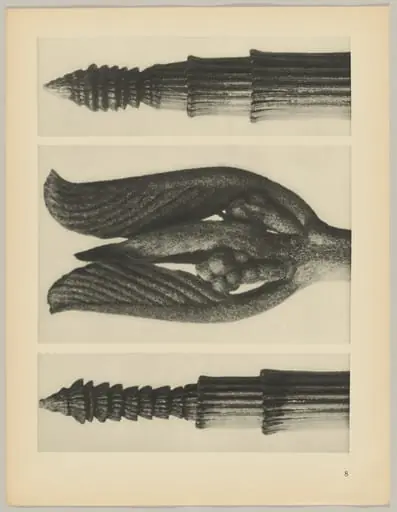 a Equisetum hiemale; b Rhamnus Purshiana; c Equisetum hiemale
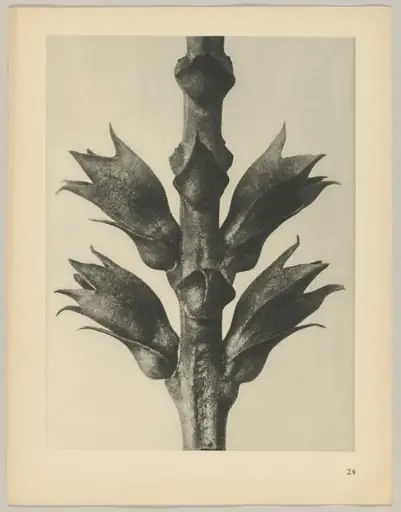 Physostegia virginiana
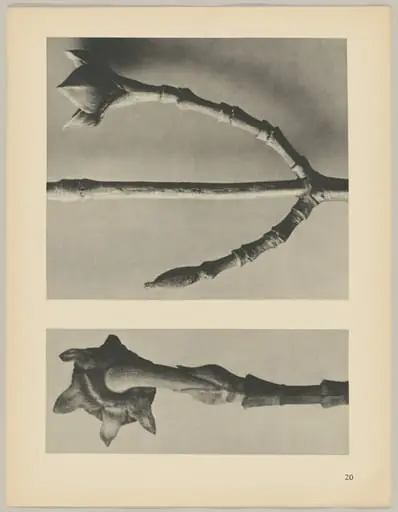 a Cornus Nuttallii; b Cornus officinalis
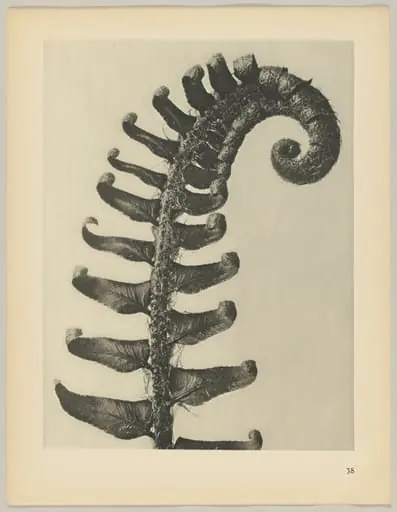 Poltstichum munitum
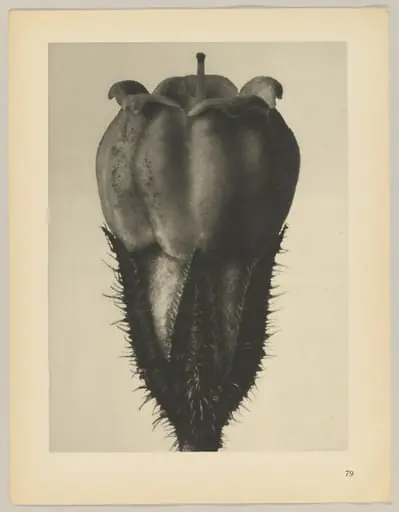 Symphytum officinale
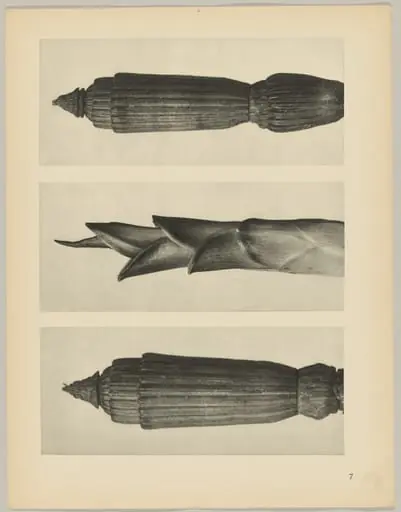 a Equisetum hiemale; b Hosta japonica; c Equisetum hiemale
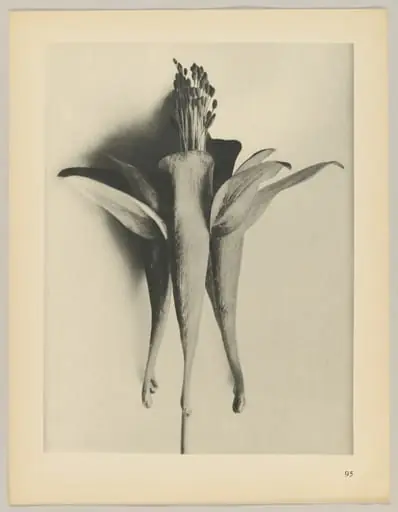 Aquilegia chrysantha
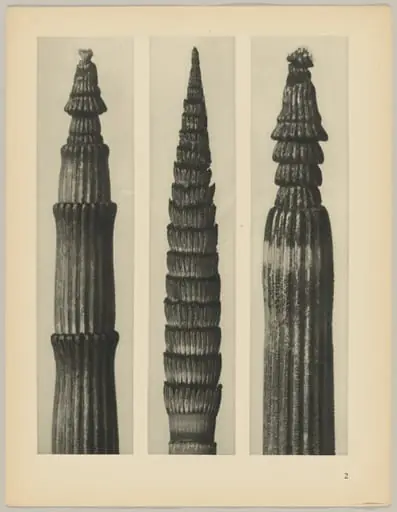 a Equisetum hiemale; b Equisetum maximum; c Equisetum hiemale