Artwork
Equisetum hiemale
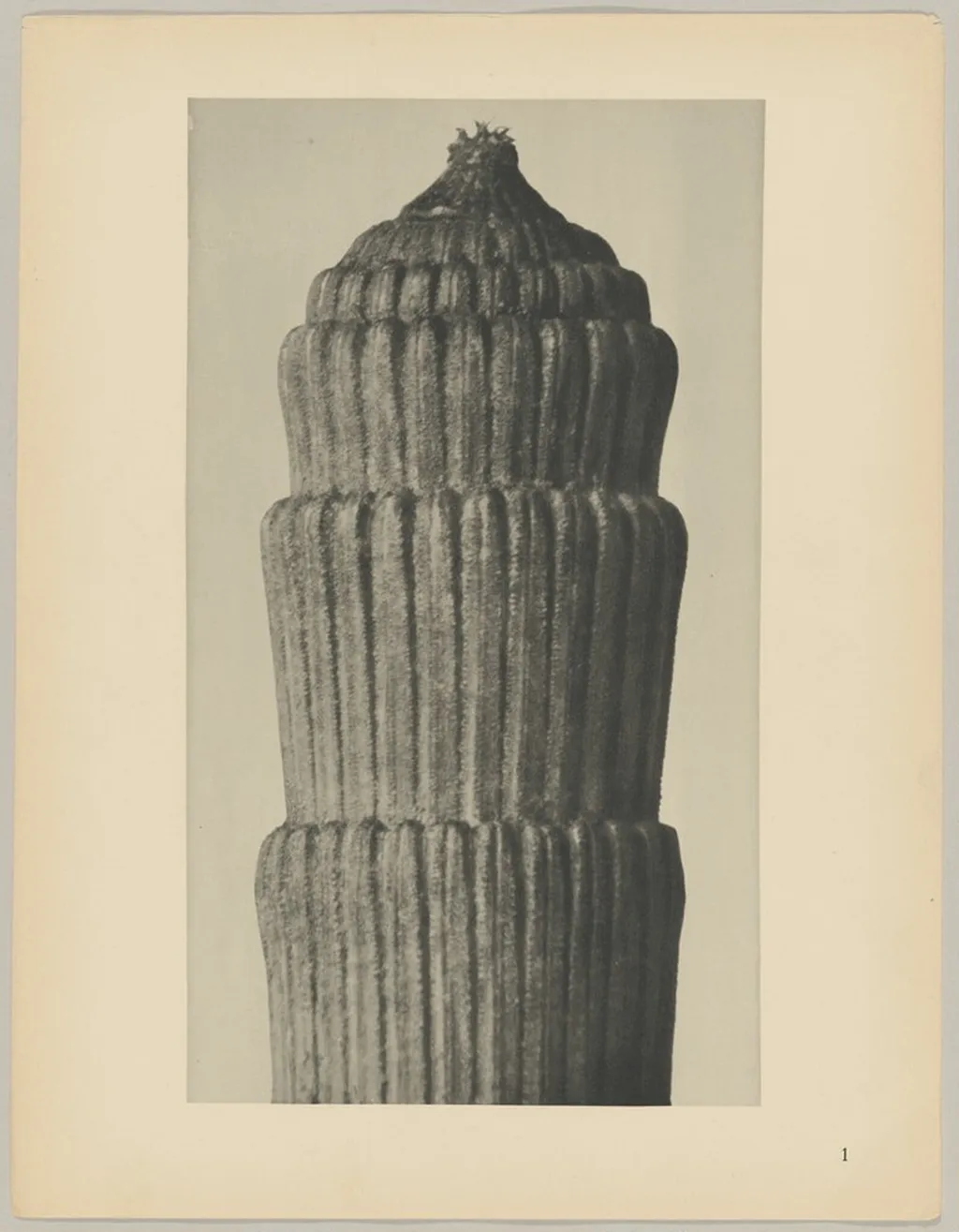
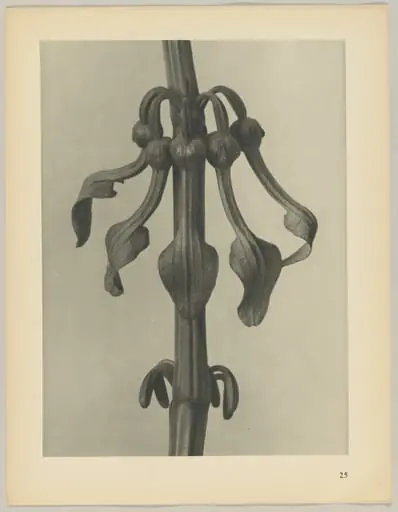
Equisetum hiemale is a print by Karl Blossfeldt. It dates from 1928 and is held in the collection of the National Gallery of Art.
About this work
Overview
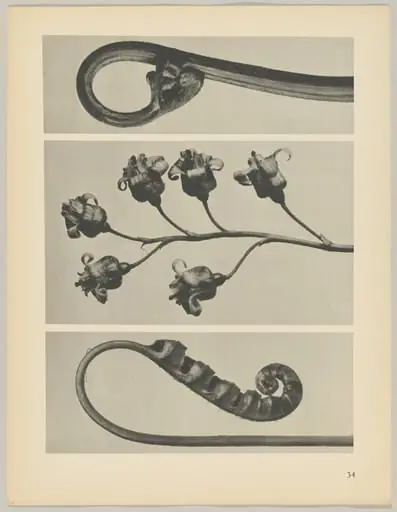
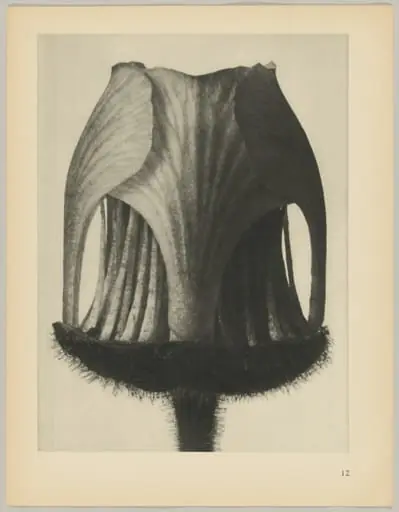
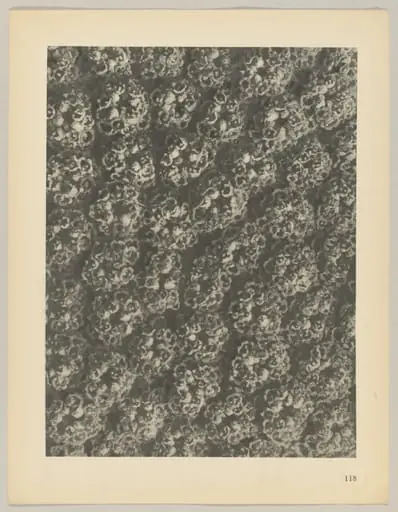
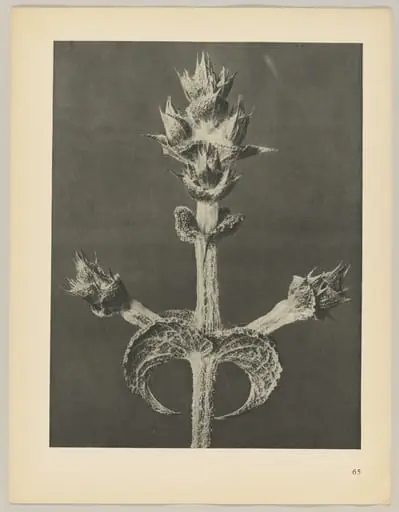
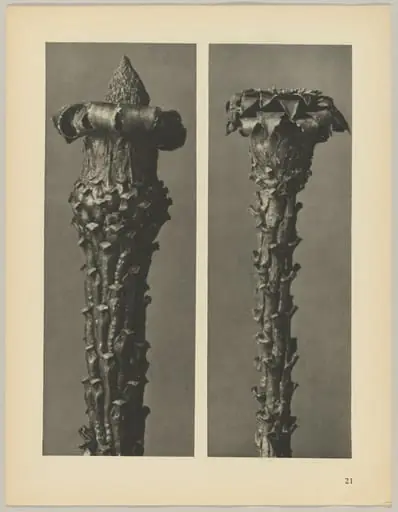
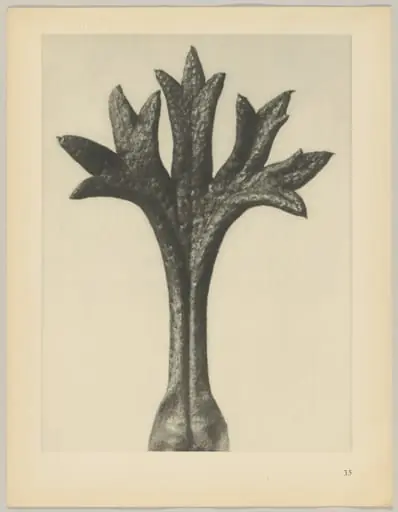
Created in 1928, *Equisetum hiemale* is a photogravure that presents an extreme close‑up of a dry, upright plant stem. The image isolates the specimen from any background, emphasizing its ribbed surface and the jagged, crown‑like tip. Through careful lighting and contrast, the work renders the plant’s texture with a depth that suggests a sculptural presence rather than a simple botanical study.
Subject & Meaning
The photograph captures the stem of a horsetail plant, highlighting the parallel grooves that run vertically along its length. By magnifying these natural patterns, the image invites viewers to consider the inherent design principles of flora, suggesting a dialogue between organic growth and the formal concerns of visual art.
Technique & Style
Blossfeldt employed the photogravure process, a method that transfers a photographic image onto a copper plate for printing, allowing fine tonal gradations and sharp detail. His use of stark chiaroscuro accentuates each groove, giving the surface a three‑dimensional quality that aligns with his broader practice of rendering plant structures with sculptural precision.
History & Provenance
The print was first issued in 1929 as part of the volume *Urformen der Kunst* (The Forms of Art), a collection in which Blossfeldt juxtaposed his botanical images with essays on the relationship between natural forms and artistic creation. The work reflects a lifelong interest in nature, cultivated alongside his father, and remains a representative example of his early 20th‑century output.
Artist & collection
Artist
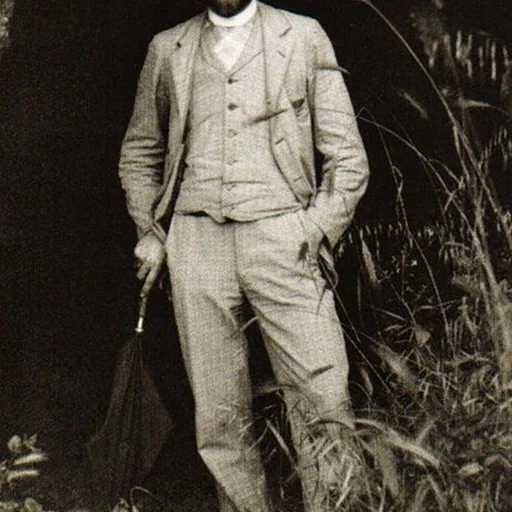
Karl Blossfeldt (13 June 1865 – 9 December 1932) was a German photographer and sculptor.