Artwork
Michauxia campanuloides
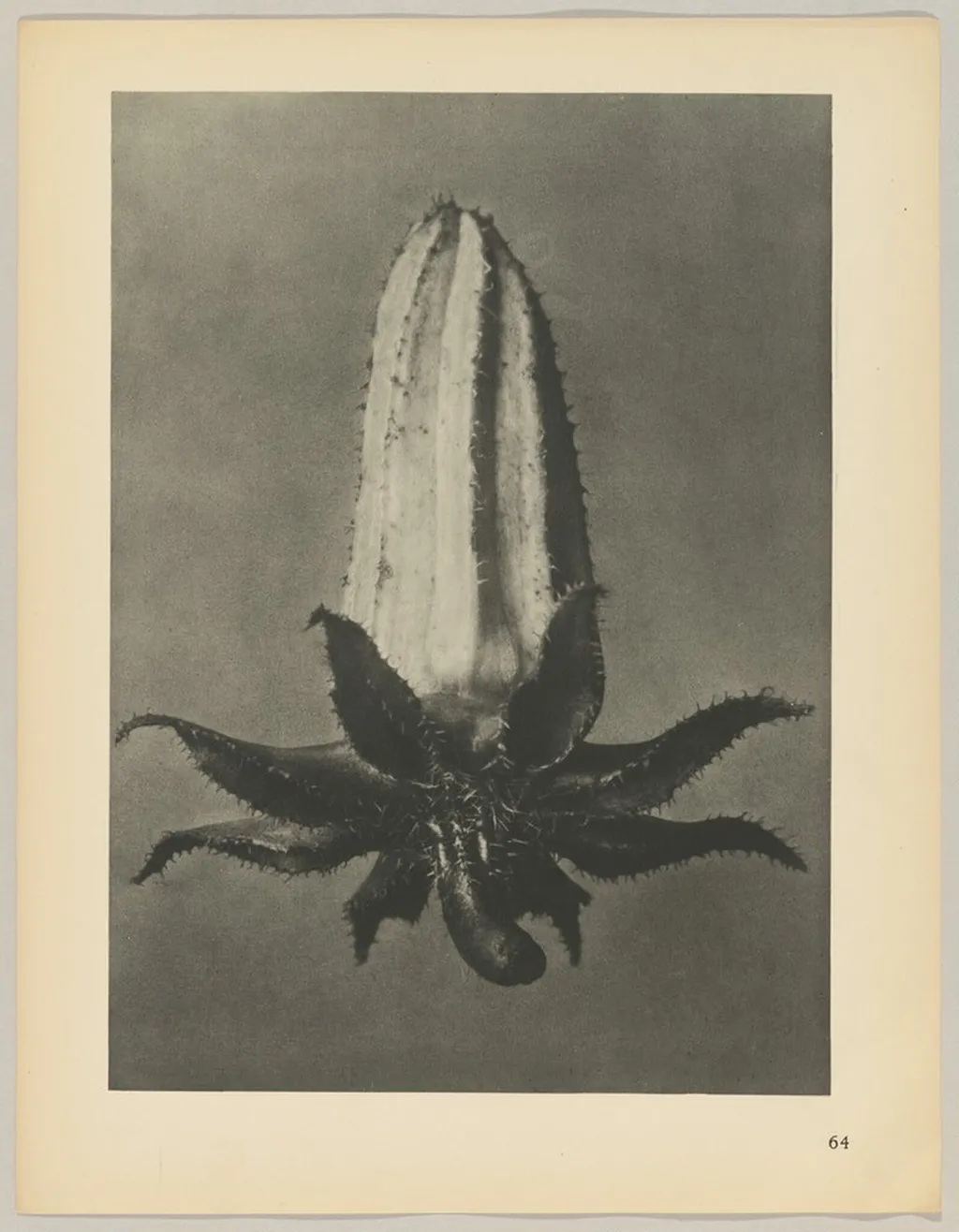
Michauxia campanuloides is a print by Karl Blossfeldt. It dates from 1928 and is held in the collection of the National Gallery of Art.
About this work
Overview
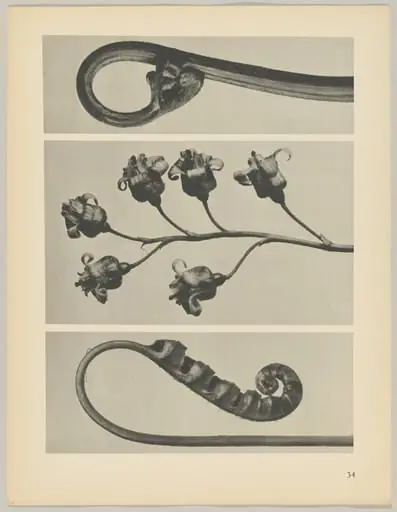
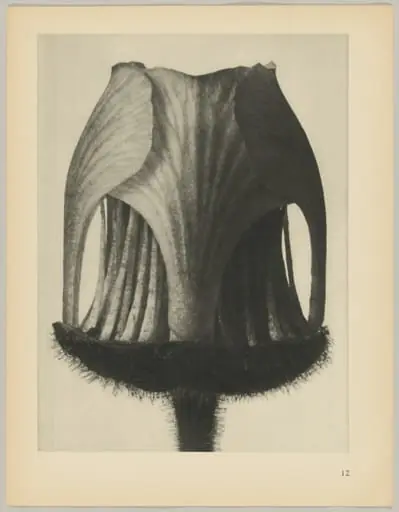
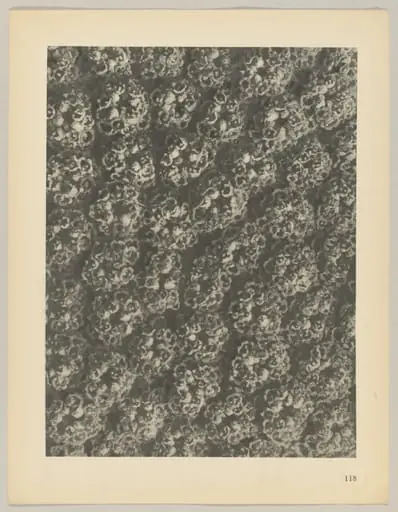
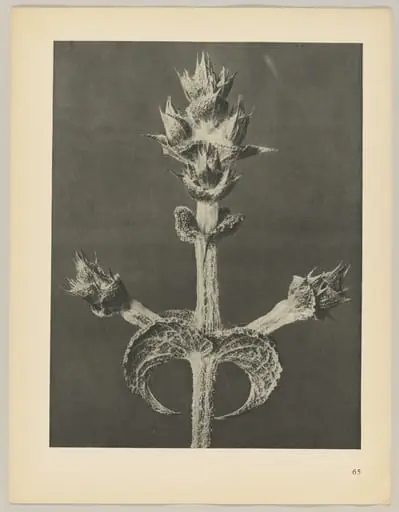
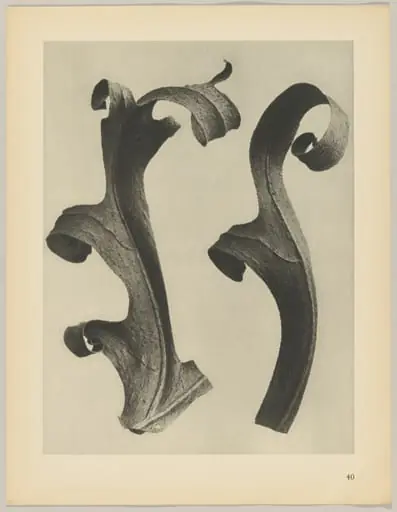
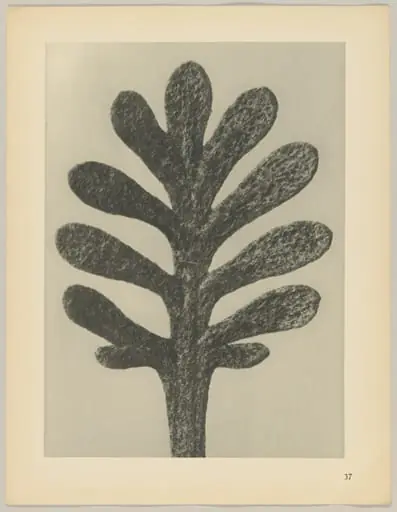
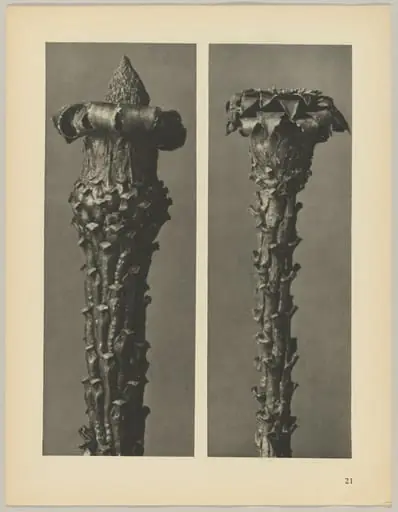
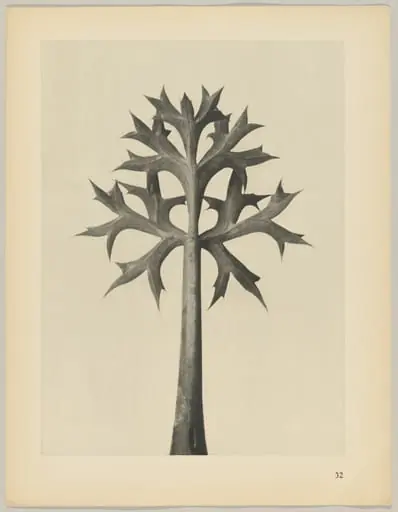
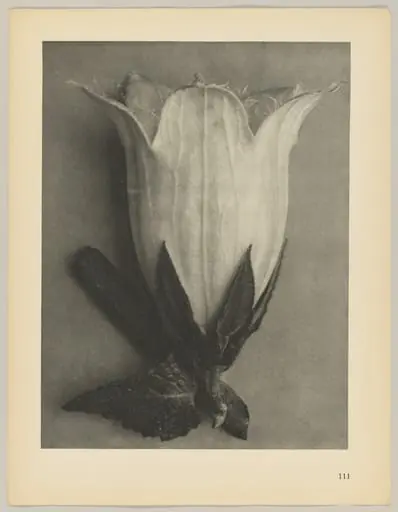
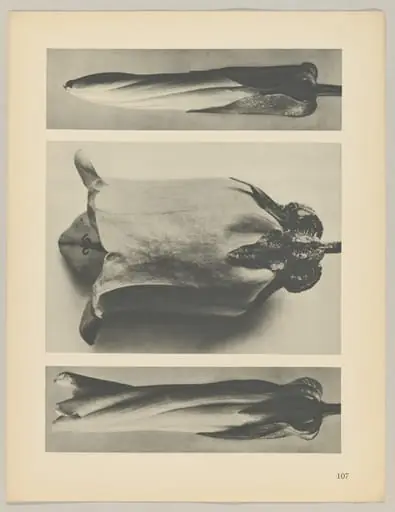
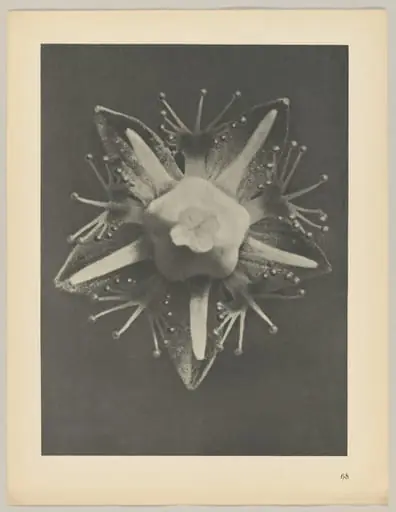
Michauxia campanuloides is a 1928 photogravure print by Karl Blossfeldt, featuring a close-up of a dried plant specimen. The image showcases a central spike surrounded by eight star-like, sharp-armed appendages, rendered in detailed black and white with pronounced textures and minimal background.
Subject & Meaning
The subject, Michauxia campanuloides, is highlighted for its structural intricacy, reflecting Blossfeldt's broader artistic aim to reveal and elevate the aesthetic value of natural forms through meticulous documentation.
Technique & Style
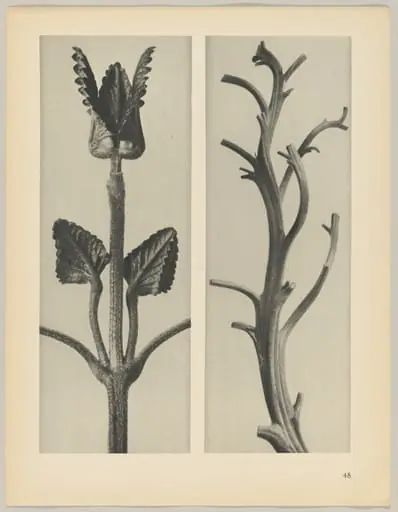
Created using the photogravure process, the print combines photographic precision with the tactile qualities of etched metal plates. Blossfeldt's style emphasizes clarity, texture, and the dramatic interplay of light and shadow to accentuate the plant's minute details.
History & Provenance
Produced in 1928, the print was published the following year in Blossfeldt's seminal work *Urformen der Kunst* (Archetypes of Art), a collection showcasing his botanical studies inspired by his family's botanical heritage.
Context
Part of a early 20th-century movement to reappreciate natural forms through art and photography, Blossfeldt's work, including *Michauxia campanuloides*, influenced perceptions of the intersection between nature, aesthetics, and scientific observation.
Legacy
This and similar works by Blossfeldt have enduringly impacted the fields of botanical photography and the broader appreciation of nature's structural beauty, continuing to inspire artists, designers, and scientists alike.
Artist & collection
Artist
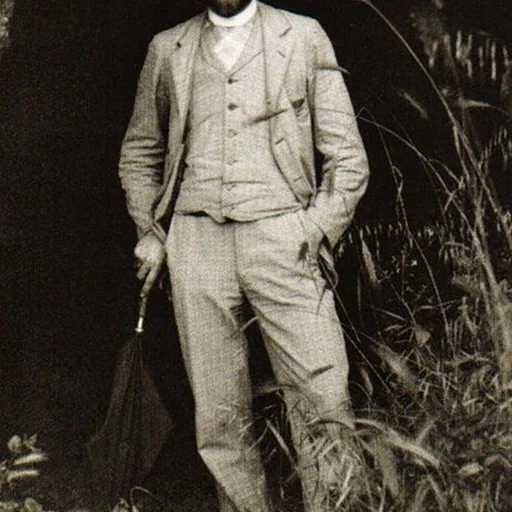
Karl Blossfeldt (13 June 1865 – 9 December 1932) was a German photographer and sculptor.