Artwork
Campanula alliarüfolia
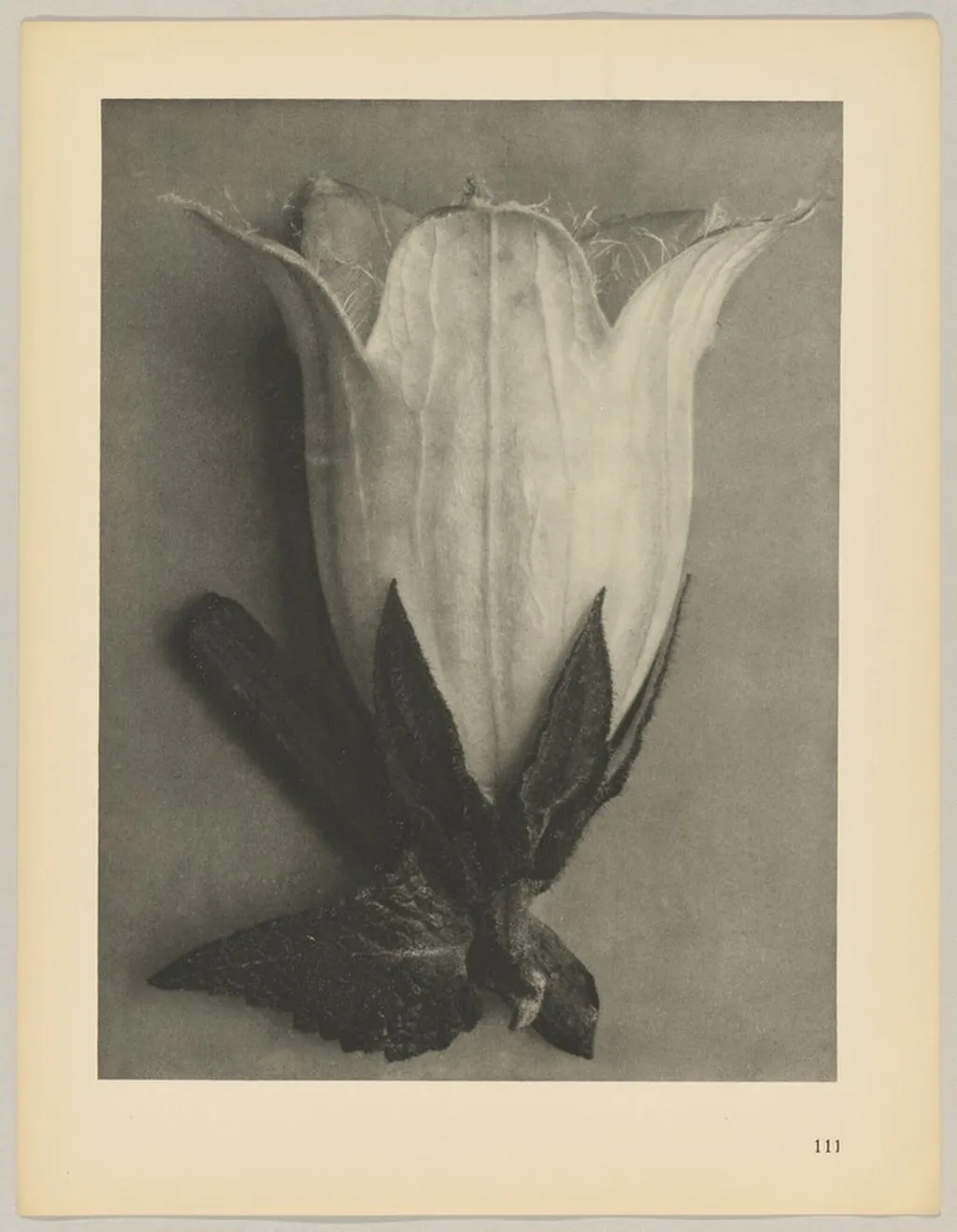
Campanula alliarüfolia is a print by Karl Blossfeldt. It dates from 1928 and is held in the collection of the National Gallery of Art.
About this work
Overview
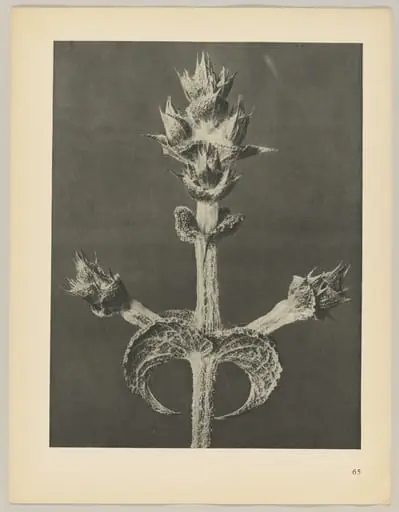
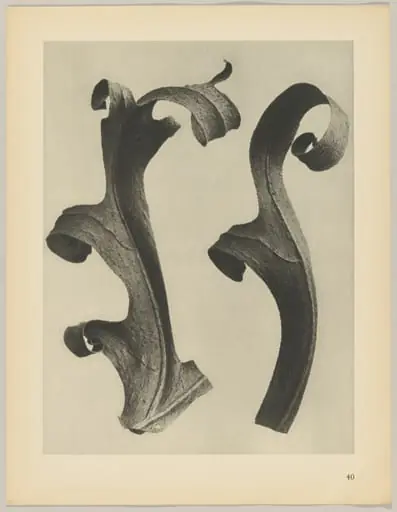
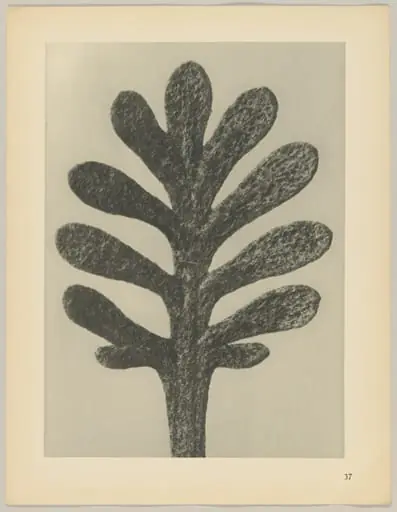
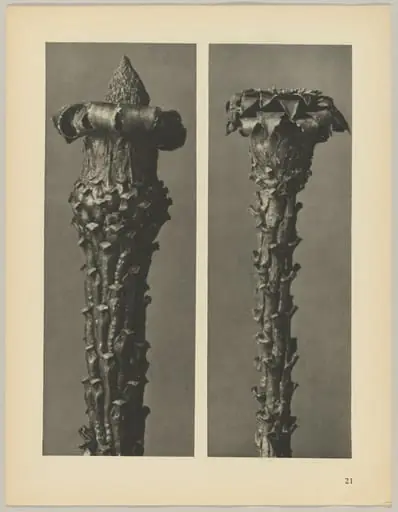
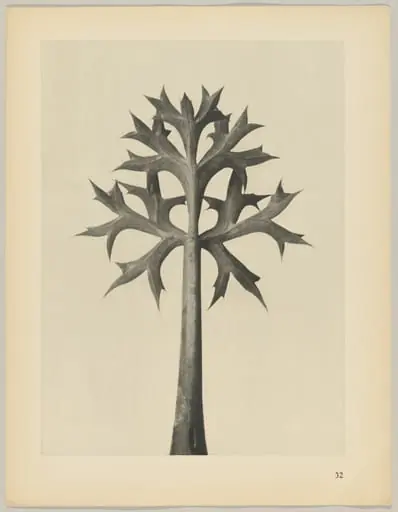
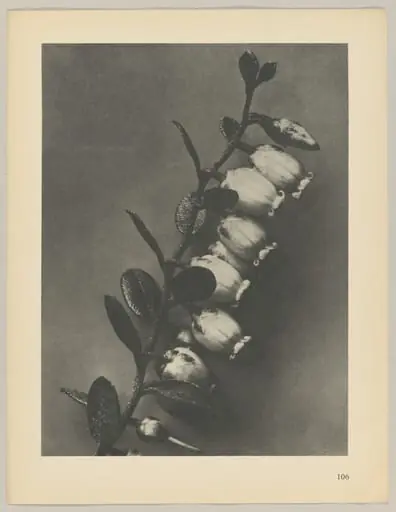
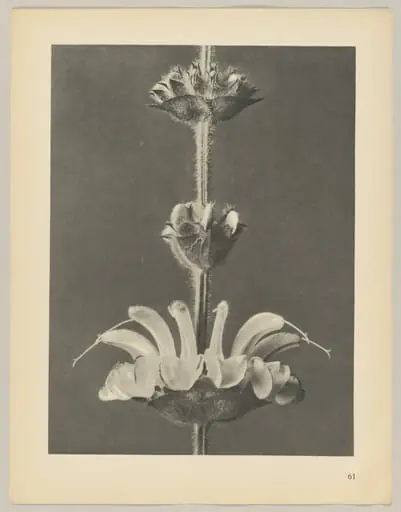
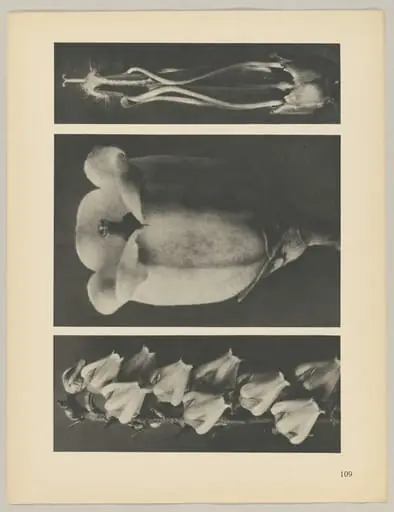
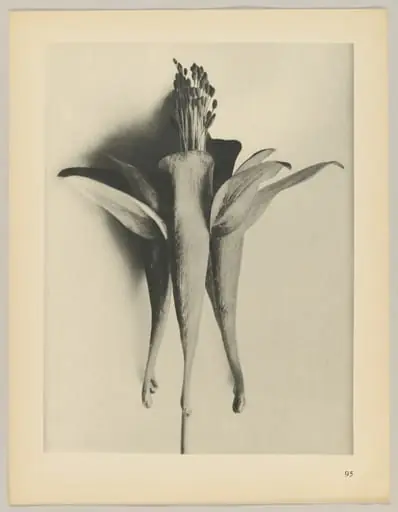
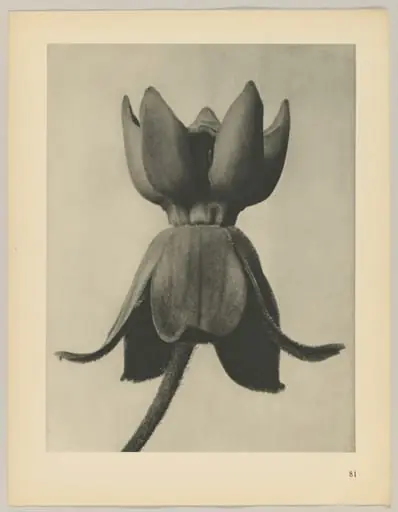
Created in 1928, *Campanula alliarüfolia* is a photogravure print that presents a close‑up view of a single bellflower. The image isolates the delicate white petals, marked by faint dark veins, against a deep background, while the lower stem divides into robust, darkened leaves. The composition highlights the plant’s form with a slightly grainy, textured surface that evokes a hand‑drawn quality.
Subject & Meaning
The work focuses on the botanical structure of the bellflower, emphasizing the contrast between the soft, luminous petals and the sturdier, shadowed foliage. By isolating the flower, the image invites contemplation of natural geometry and growth patterns, reflecting the artist’s interest in the inherent design principles that link organic forms to artistic composition.
Technique & Style
Blossfeldt employed the photogravure process, a photographic printing method that transfers a finely detailed image onto a copper plate before printing on paper. This technique allows for high contrast and fine tonal gradations, rendering the flower’s delicate textures and the dark background with striking clarity, while preserving a subtle, tactile surface quality.
History & Provenance
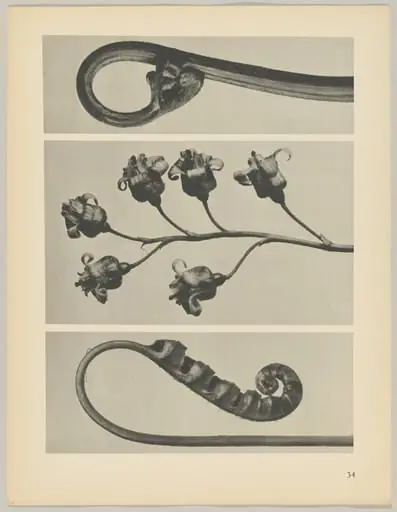
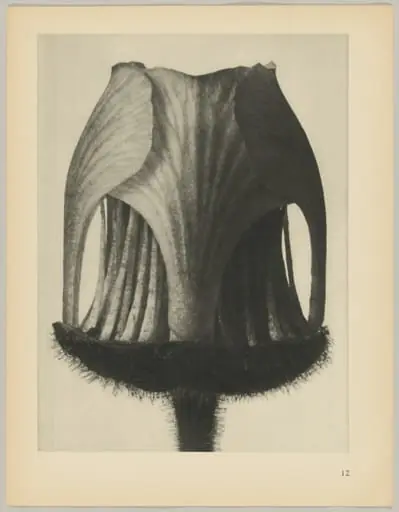
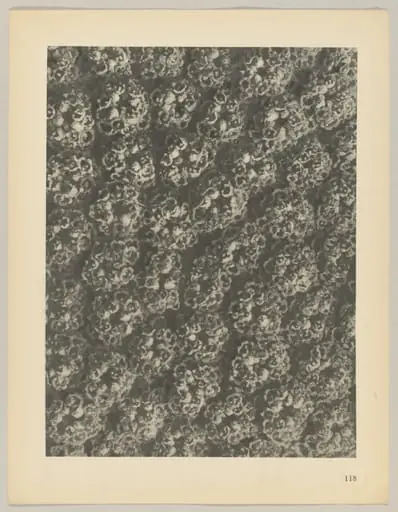
German photographer and sculptor Karl Blossfeldt produced the print as part of his systematic exploration of plant morphology. The image later appeared in his 1929 volume *Urformen der Kunst*, which assembled a series of magnified botanical photographs intended to illustrate the relationship between natural structures and artistic design.
Artist & collection
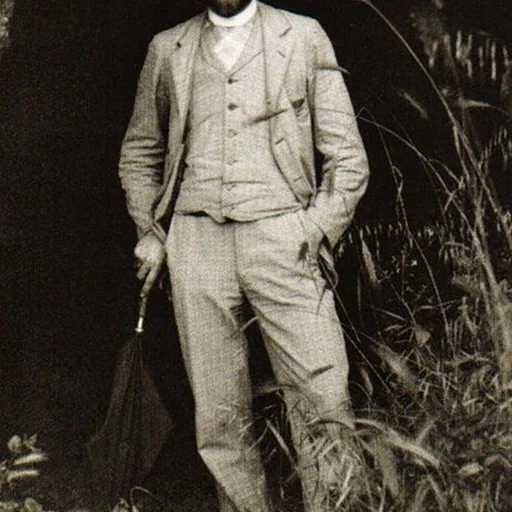
Artist
Karl Blossfeldt (13 June 1865 – 9 December 1932) was a German photographer and sculptor.