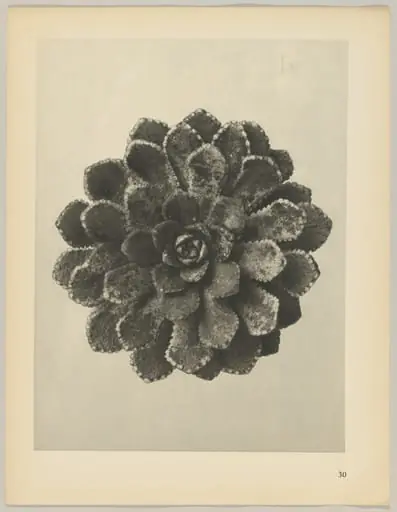
Artwork
Scolopendrium vulgare
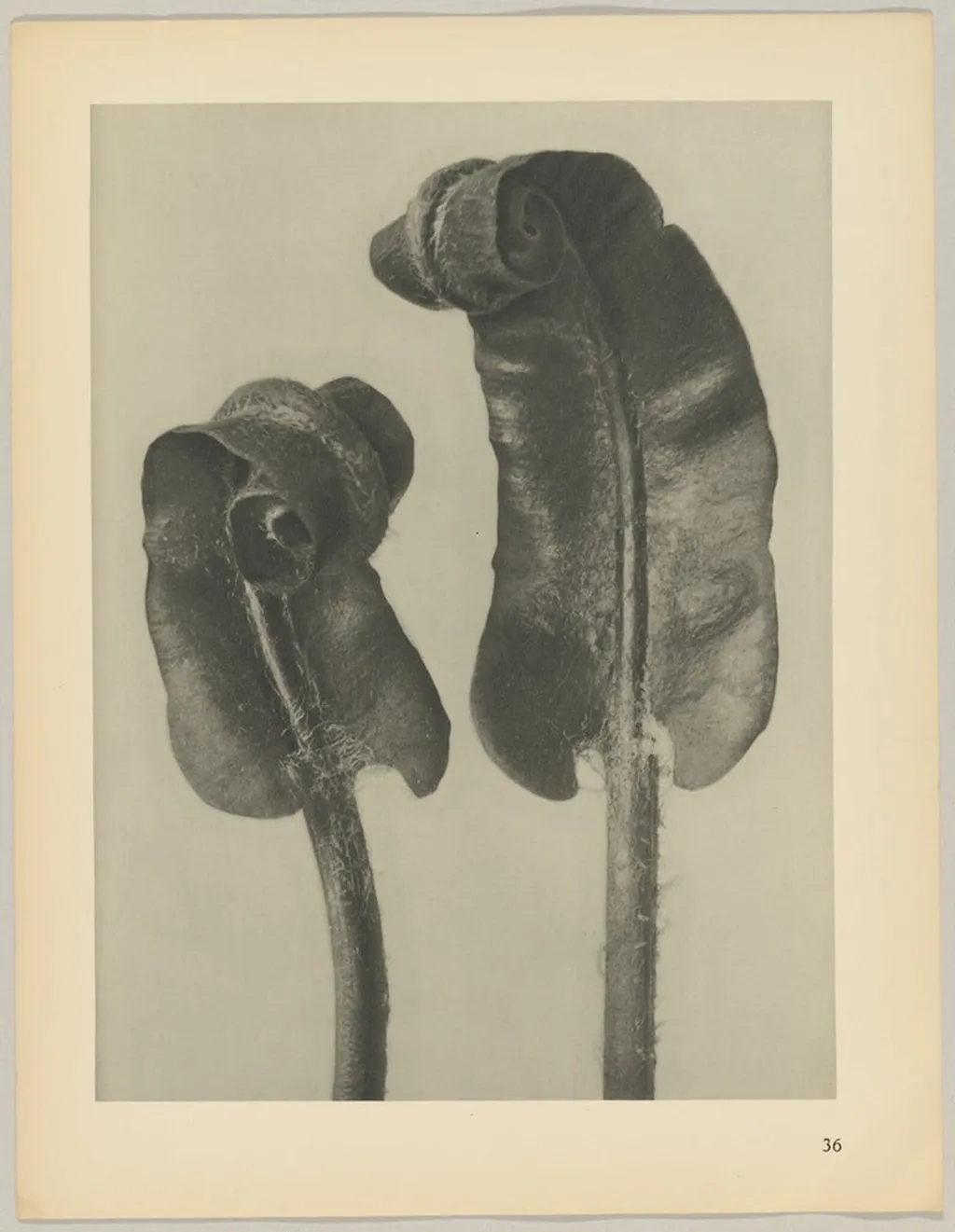
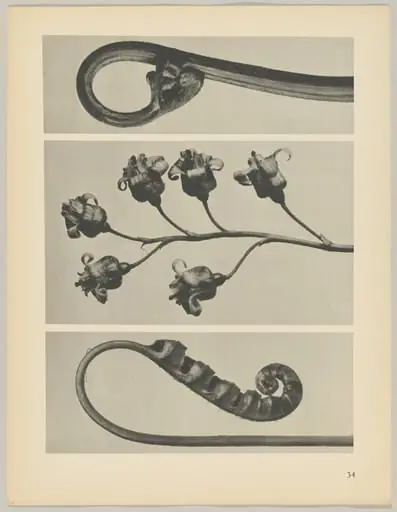
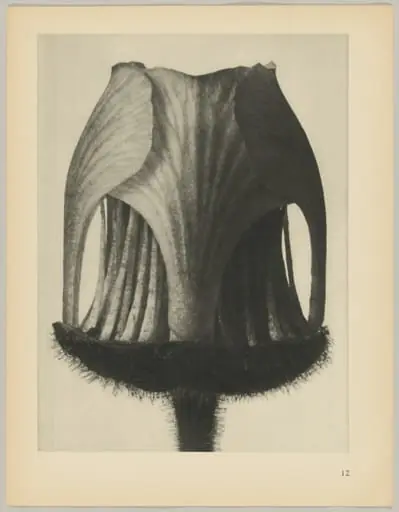
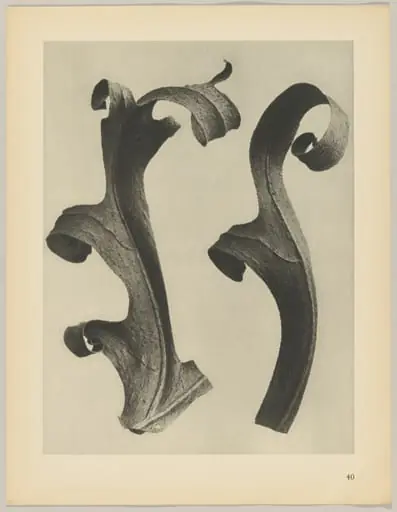
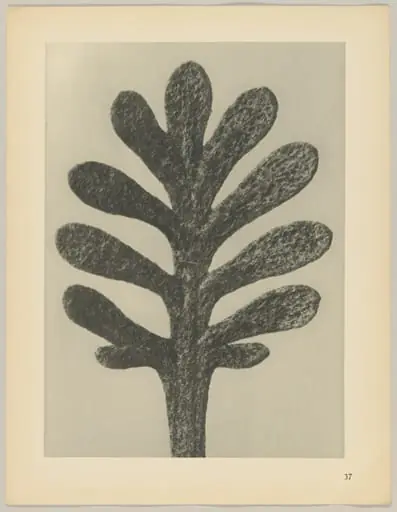
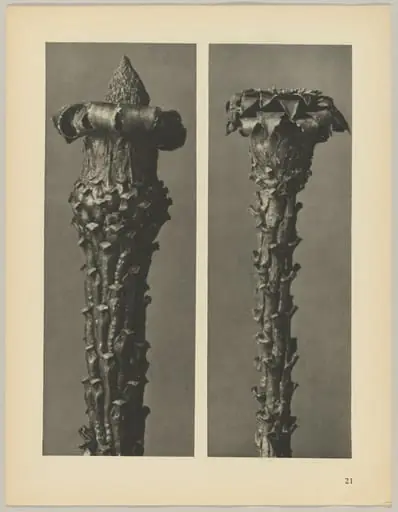
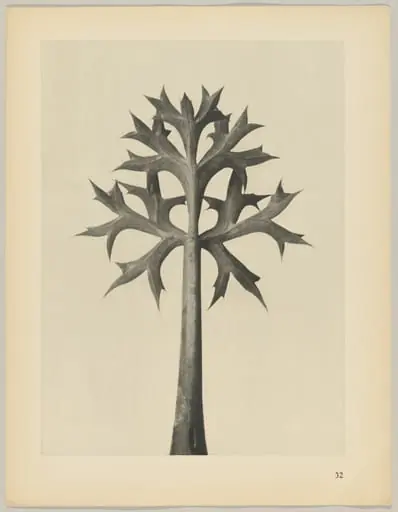
Scolopendrium vulgare is a print by Karl Blossfeldt. It dates from 1928 and is held in the collection of the National Gallery of Art.
About this work
Overview
As a photographer and former sculptor, he used the photogravure process to translate botanical specimens into detailed black-and-white prints.
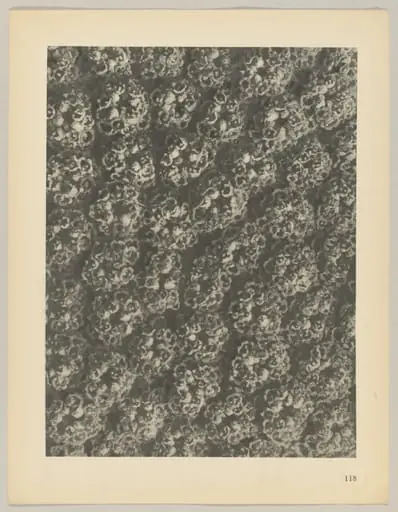
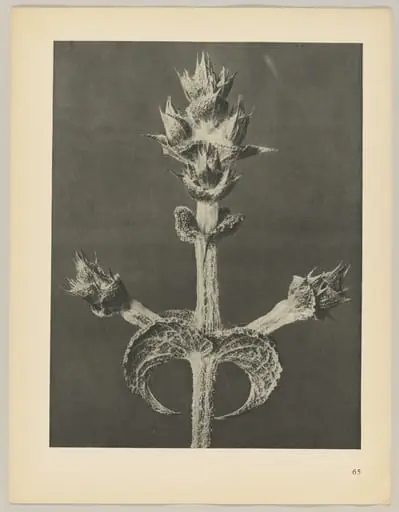
Karl Blossfeldt produced this photogravure in 1928, capturing the dried fronds of Scolopendrium vulgare with precise optical clarity. As a photographer and former sculptor, he used the photogravure process to translate botanical specimens into detailed black-and-white prints. The work was later included in his 1929 publication, which compiled hundreds of such images to reveal hidden formal qualities in plant life.
Subject & Meaning
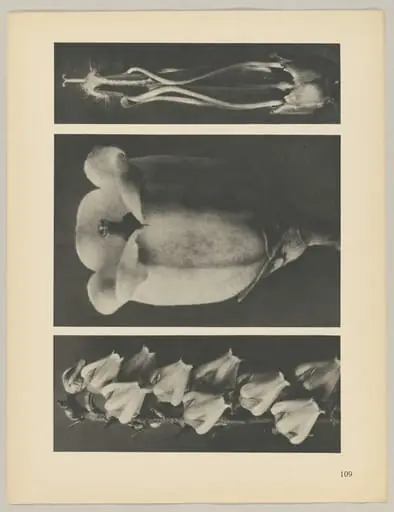
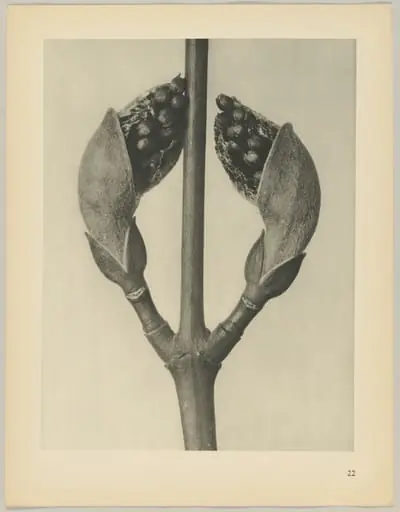
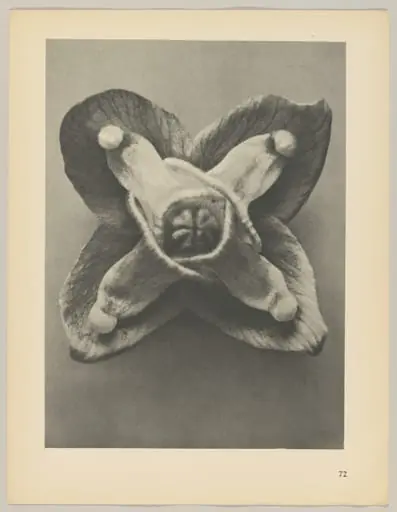
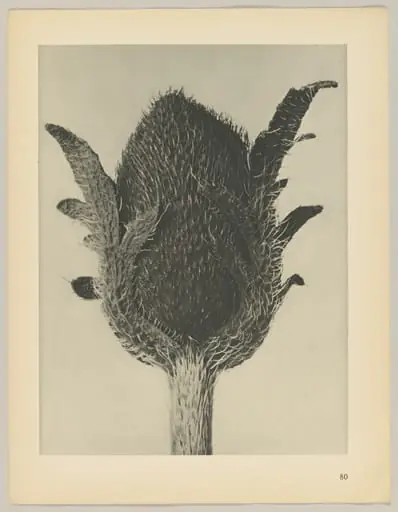
The subject is a pair of dried fern fronds, their edges curled and surfaces textured by desiccation. Blossfeldt isolates them against a neutral background to emphasize their inherent geometry. Rather than depicting botanical specimens as specimens, he presents them as autonomous forms, inviting viewers to recognize structural logic in natural growth patterns often overlooked in daily life.
Technique & Style
Using photogravure, a labor-intensive intaglio printing method, Blossfeldt achieved fine tonal gradations and sharp detail. His close-up framing, achieved with custom-built cameras, magnified minute surface features—veins, ridges, and papillae—without distortion. The style is clinical yet poetic, stripping away context to focus purely on form, texture, and rhythm as they emerge from nature’s architecture.
History & Provenance
Created in 1928, the print was part of a larger body of work compiled for publication in 1929 under the title *Urformen der Kunst*. The images originated from Blossfeldt’s teaching materials at the Berlin School of Arts and Crafts, where he used photographs to illustrate design principles derived from nature. The work remained largely within academic and artistic circles until wider recognition emerged in the 1970s.
Context
Blossfeldt’s work emerged during a period of renewed interest in industrial design and modernist aesthetics. His photographs resonated with Bauhaus and New Objectivity movements, which valued clarity, function, and the study of form. By presenting plants as abstract compositions, he offered an alternative to traditional botanical illustration, aligning natural structures with contemporary visual culture.
Legacy
Blossfeldt’s images influenced generations of photographers and designers by redefining how nature could be visually analyzed. His method of magnification and isolation became a model for scientific and artistic documentation alike. Though rooted in early 20th-century pedagogy, his approach continues to inform contemporary practices that explore the intersection of biology, form, and visual perception.
Artist & collection
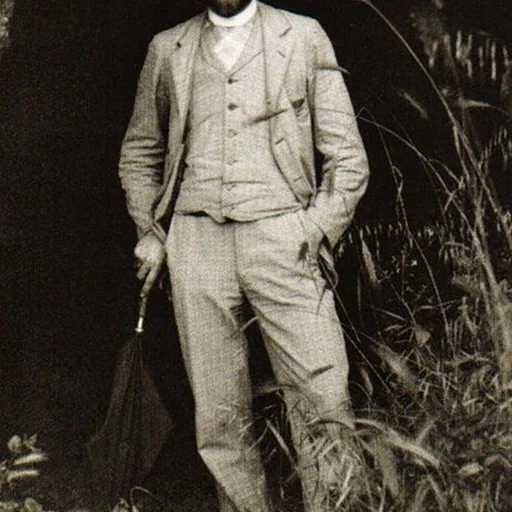
Artist
Karl Blossfeldt (13 June 1865 – 9 December 1932) was a German photographer and sculptor.