Artwork
Acer rufinerve
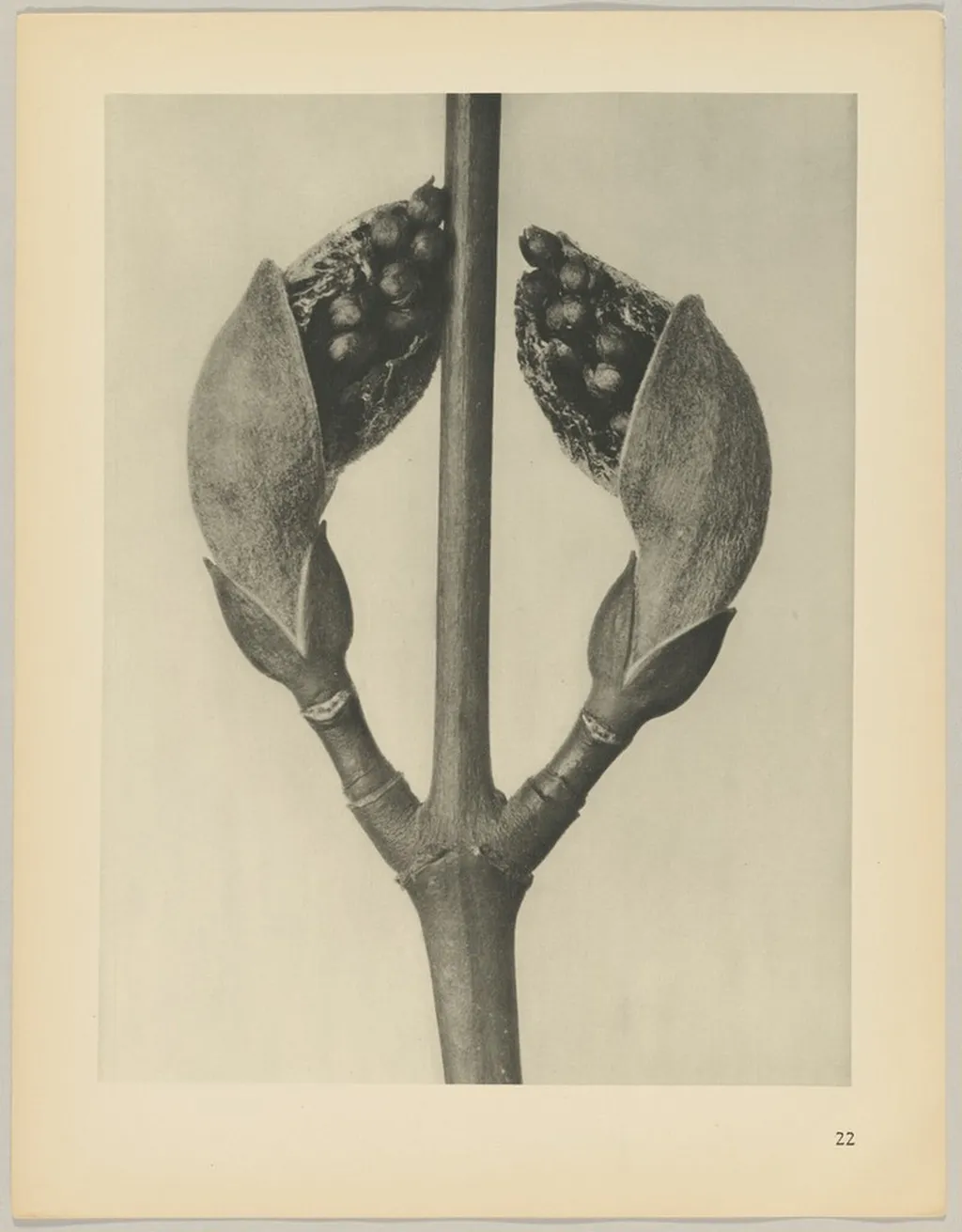
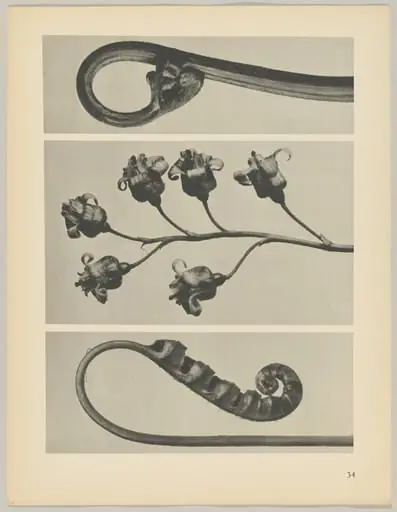
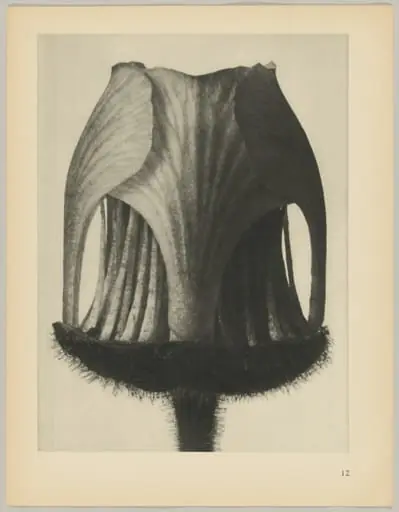
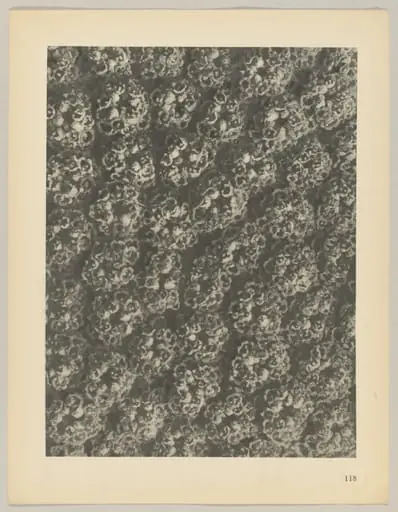
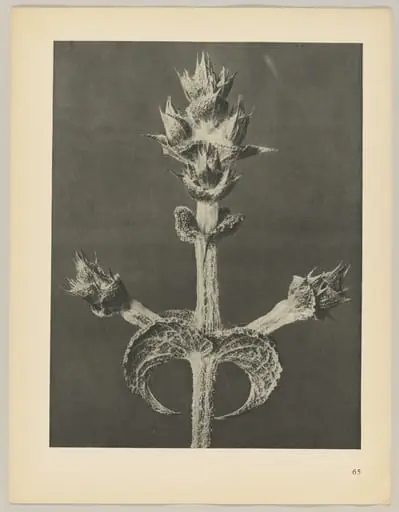
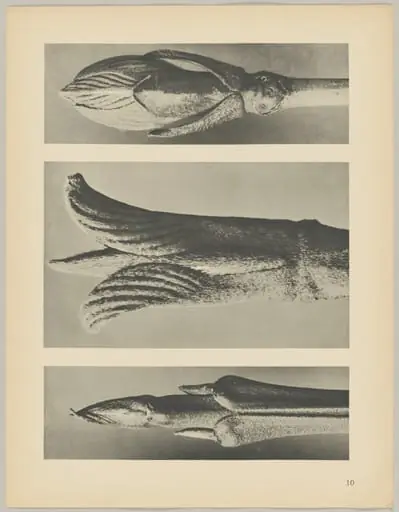
Acer rufinerve is a print by Karl Blossfeldt. It dates from 1928 and is held in the collection of the National Gallery of Art.
About this work
Overview
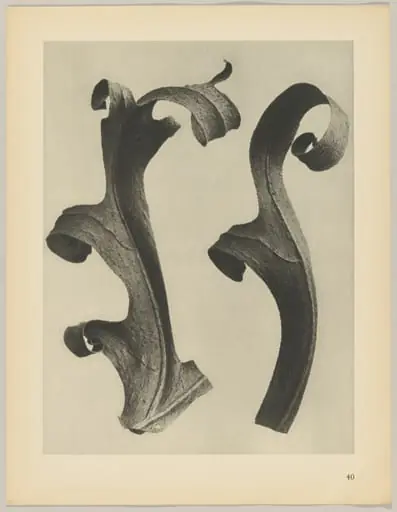
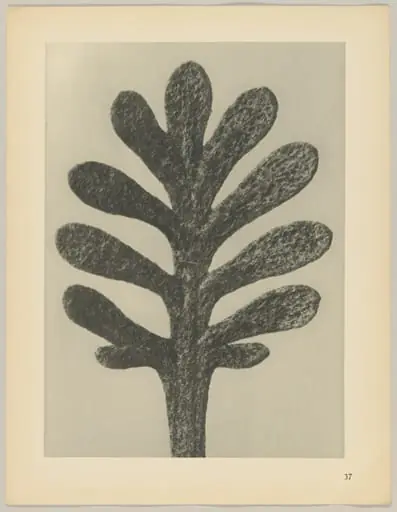
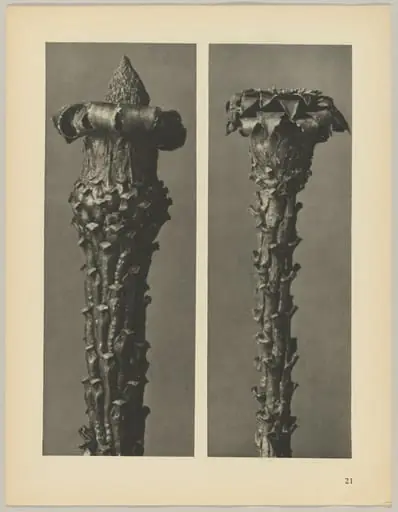
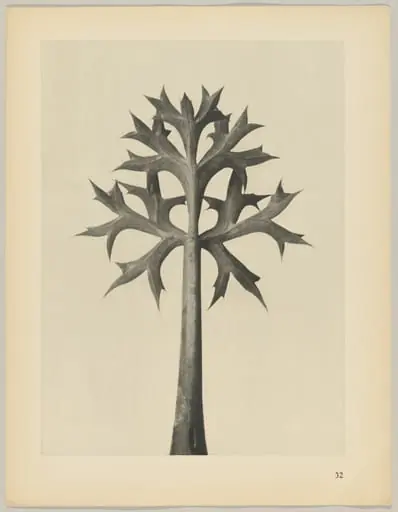
Created in 1928, *Acer rufinerve* is a photogravure by German artist Karl Blossfeldt, capturing the seed pods of a maple species with precise technical clarity.
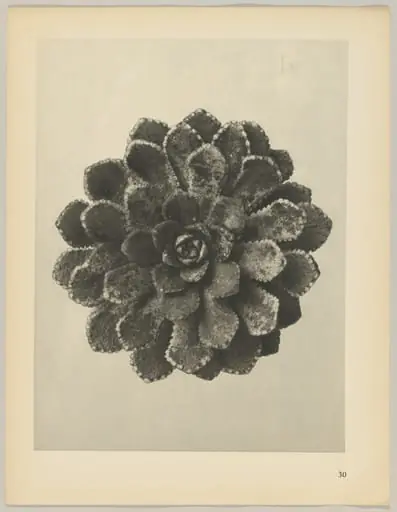
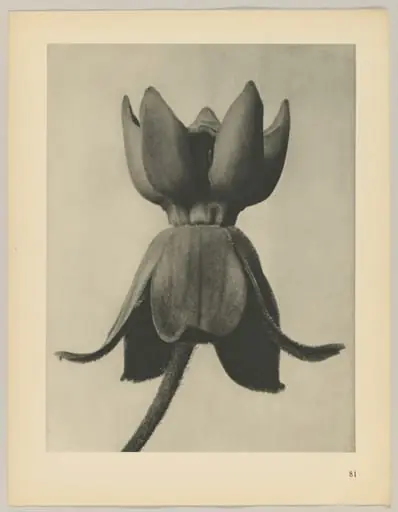
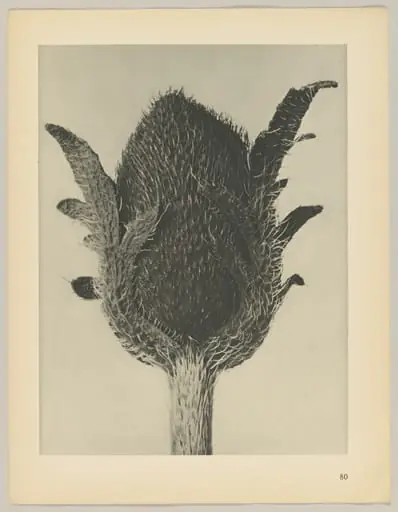
Created in 1928, *Acer rufinerve* is a photogravure by German artist Karl Blossfeldt, capturing the seed pods of a maple species with precise technical clarity. As part of a broader series of botanical studies, the work reflects Blossfeldt’s focus on natural forms as structural models. The image was later included in his 1929 publication *Urformen der Kunst*, which compiled his close-up photographs to reveal hidden geometries in plant anatomy.
Subject & Meaning
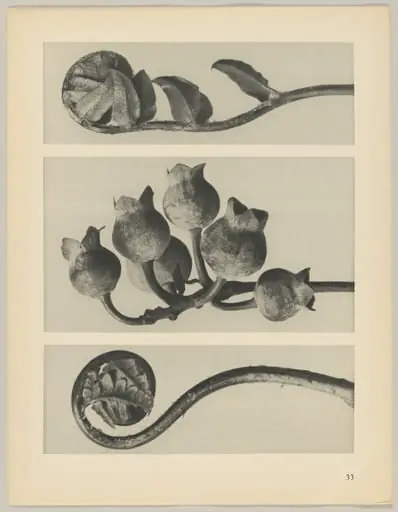
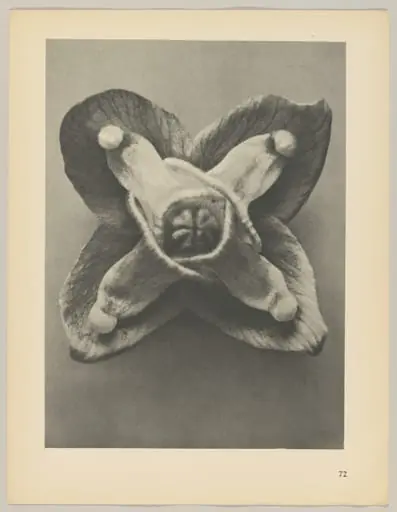
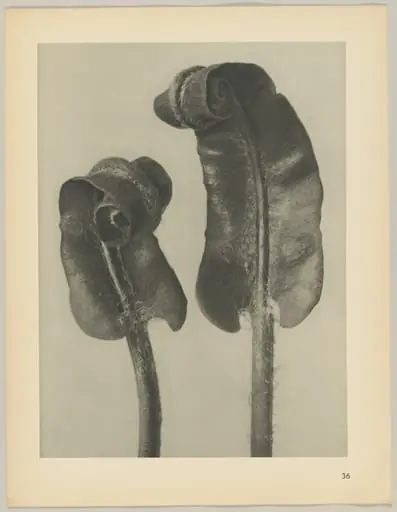
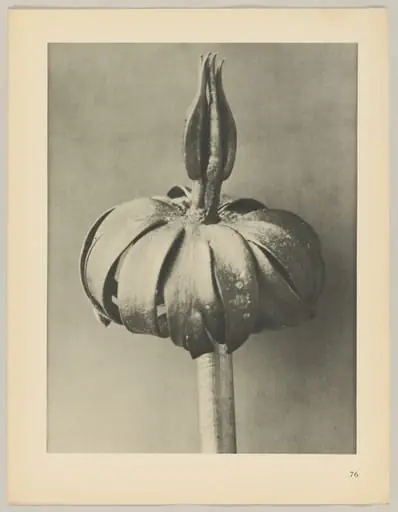
The image centers on two open seed pods, each shaped like elongated leaves and clustered at the ends of a slender, branching stem. Inside, small, rounded seeds are densely packed, their arrangement echoing architectural patterns. Blossfeldt’s framing isolates these reproductive structures, inviting attention to their inherent symmetry and functional design rather than their floral beauty, positioning nature as a source of formal discipline.
Technique & Style
Using photogravure, a process that transfers photographic tones onto etched copper plates, Blossfeldt achieved fine gradations of black, white, and gray with exceptional detail. The plain, light background eliminates context, directing focus to surface texture and form. The close-up perspective magnifies minute features—rough pod surfaces, smooth stems, clustered seeds—transforming botanical elements into abstract compositions of line and shadow.
History & Provenance
Blossfeldt began photographing plants in the 1890s as teaching aids for art students, later refining his method over decades. *Acer rufinerve* emerged from this pedagogical practice and was selected for inclusion in *Urformen der Kunst*, a volume that gained attention in design and architectural circles. The work remained within academic and artistic circles until broader recognition in the late 20th century as part of modernist visual culture.
Context
In early 20th-century Germany, there was growing interest in linking natural forms to industrial design and modernist aesthetics. Blossfeldt’s photographs aligned with movements seeking order and structure in art, resonating with Bauhaus principles. His images were not intended as scientific records but as visual arguments for nature’s underlying geometry, influencing how designers perceived organic shapes as templates for human-made objects.
Legacy
Blossfeldt’s photogravures, including *Acer rufinerve*, continue to be referenced in discussions of photography’s role in bridging science and art. His method of magnifying botanical details without manipulation set a precedent for later documentary and conceptual practices. Though his work was initially tied to educational goals, its formal rigor has secured its place in the history of modernist visual language.
Artist & collection
Artist
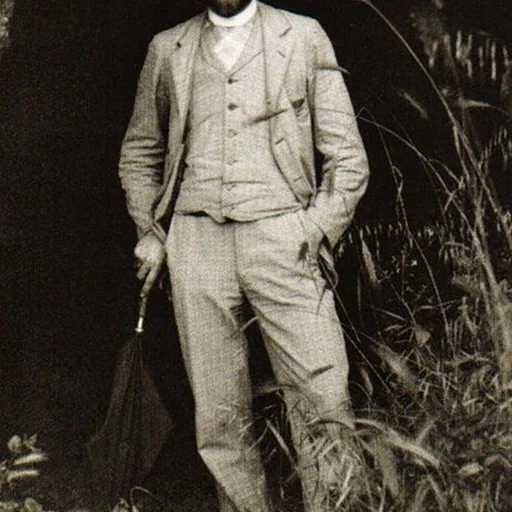
Karl Blossfeldt (13 June 1865 – 9 December 1932) was a German photographer and sculptor.