Artwork
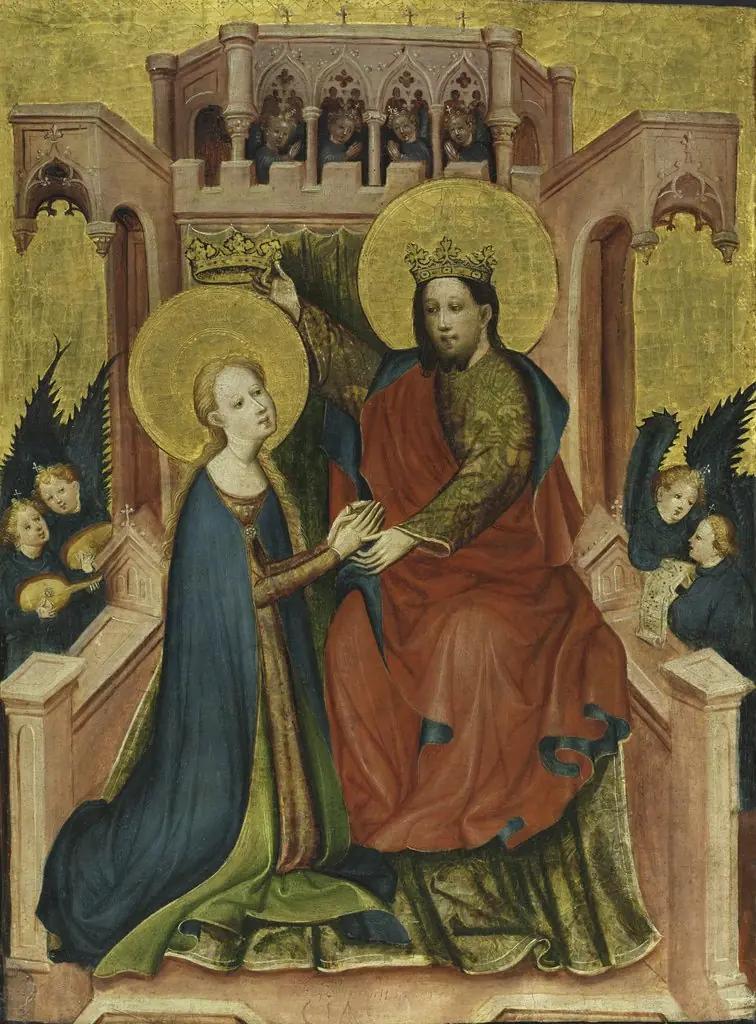
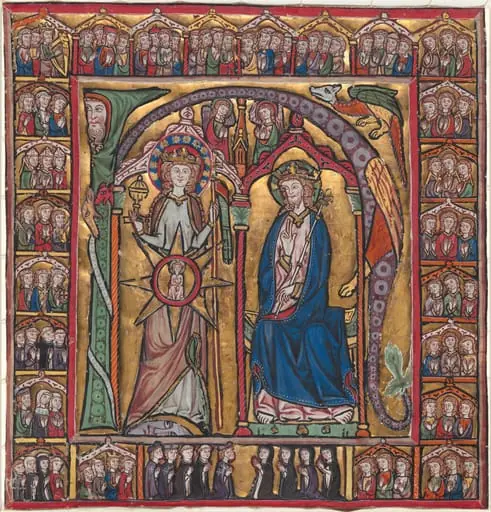
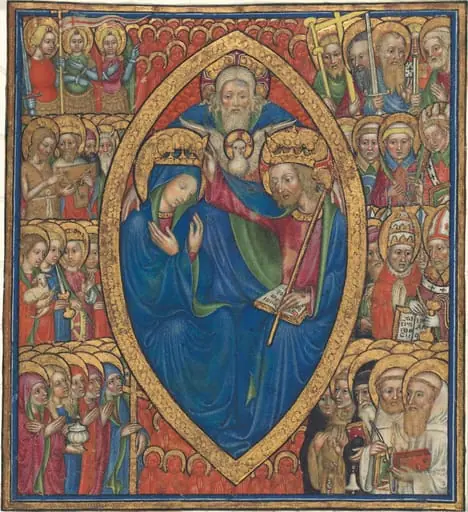
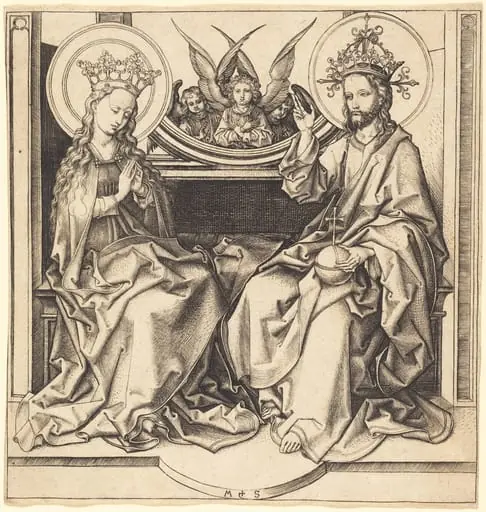
Christ and the Virgin Enthroned
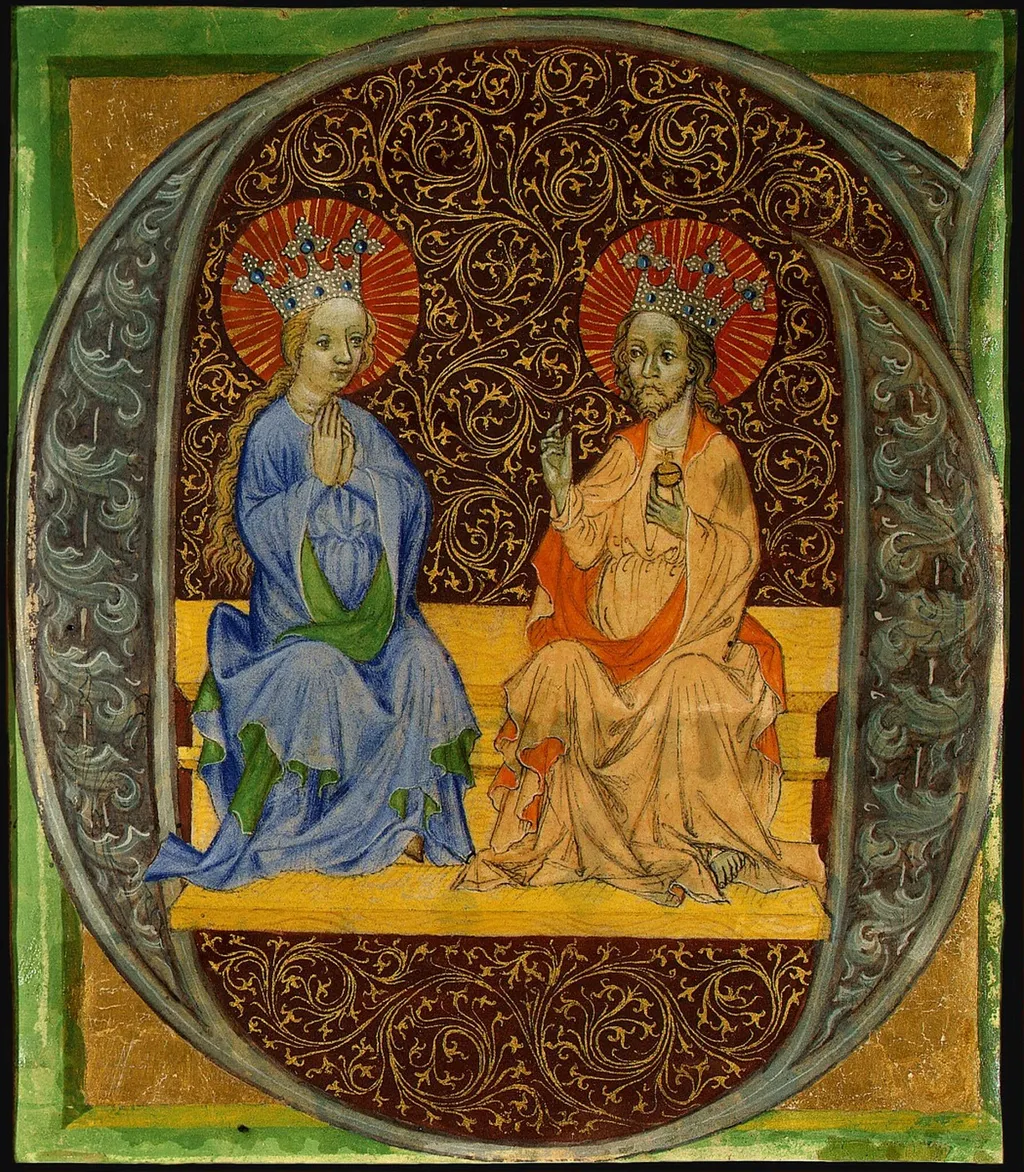
Christ and the Virgin Enthroned is a drawing by the Renaissance artist Bohemian 15th Century. It dates from 1415 and is held in the collection of the National Gallery of Art.
About this work
Overview
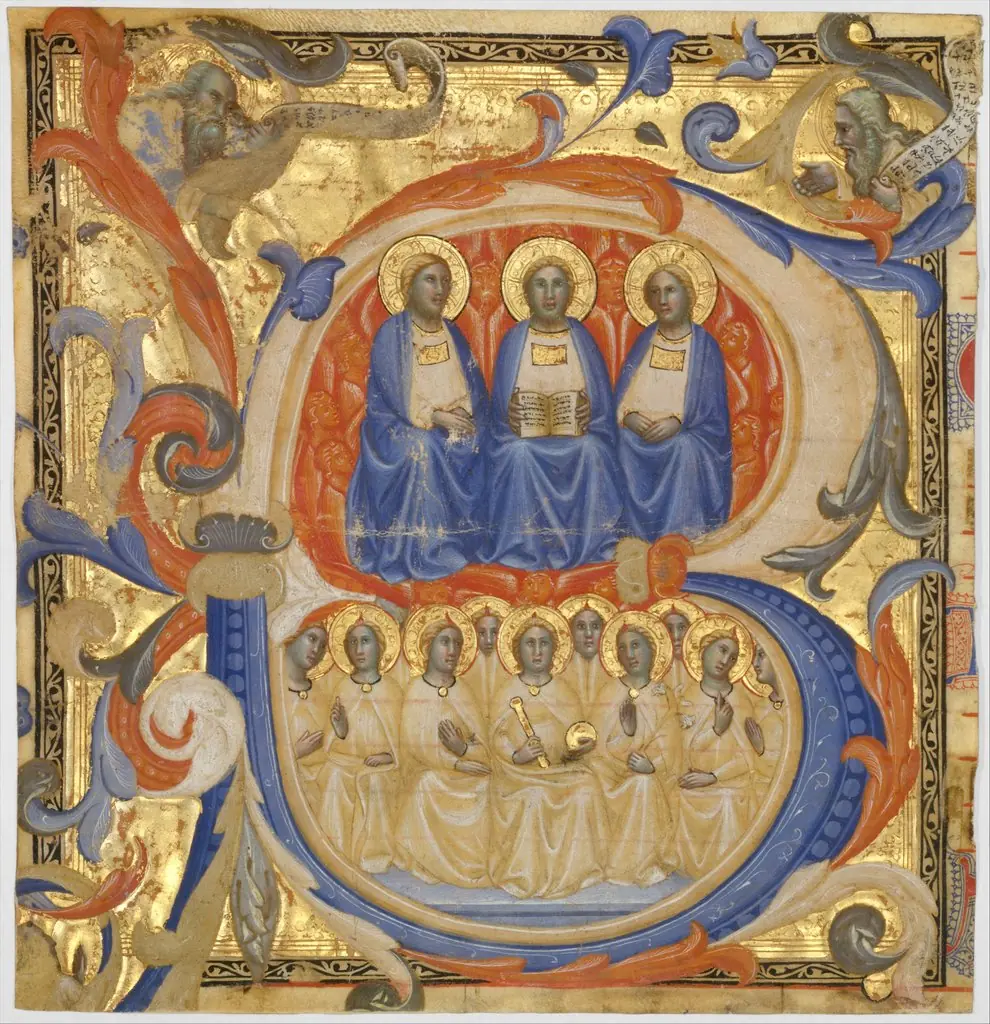
Christ and the Virgin Enthroned is a miniature drawing executed on vellum. The work presents a compact, intimate portrayal of the central Christian figures, rendered in a format traditionally used for illuminated manuscripts and devotional objects.
Subject & Meaning
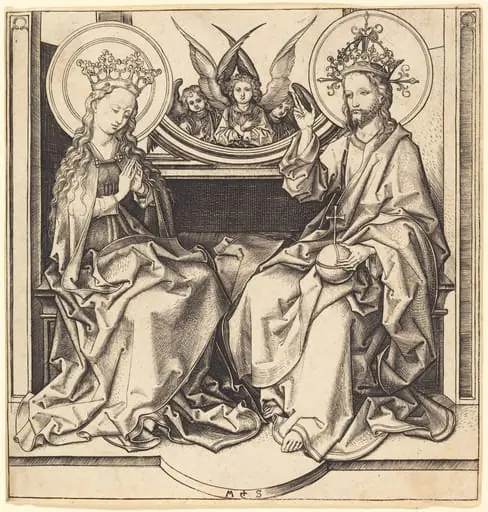
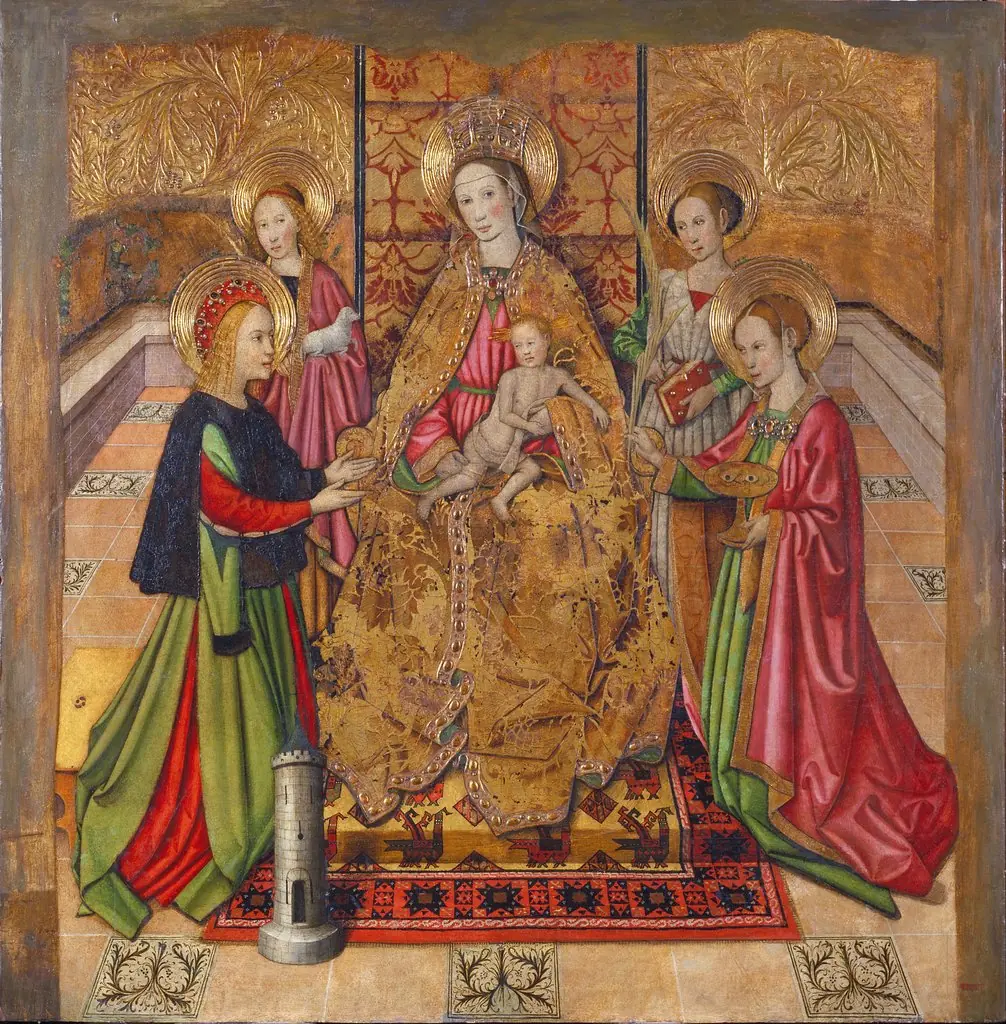
The composition depicts the seated Christ alongside the Virgin Mary, both positioned on a throne, a conventional iconography that emphasizes their joint authority and intercessory role within Christian theology.
Technique & Style
Created with fine drawing implements on prepared animal skin, the piece reflects the delicate line work and subtle shading characteristic of medieval and early Renaissance miniature practice, where precision and restraint were paramount.
History & Provenance
The miniature’s origins, including its date, artist, and former owners, are not documented in the available record. Its survival on vellum suggests it may have been part of a larger manuscript or a standalone devotional object.
Context
Miniatures on vellum were commonly produced for personal contemplation or as components of illuminated books. This work aligns with that tradition, offering a portable visual focus for private prayer.
Artist & collection
Artist
This anonymous Bohemian artist painted tiny religious scenes on thin, treated animal skin called vellum.