Artwork
William Louis, Count of Nassau
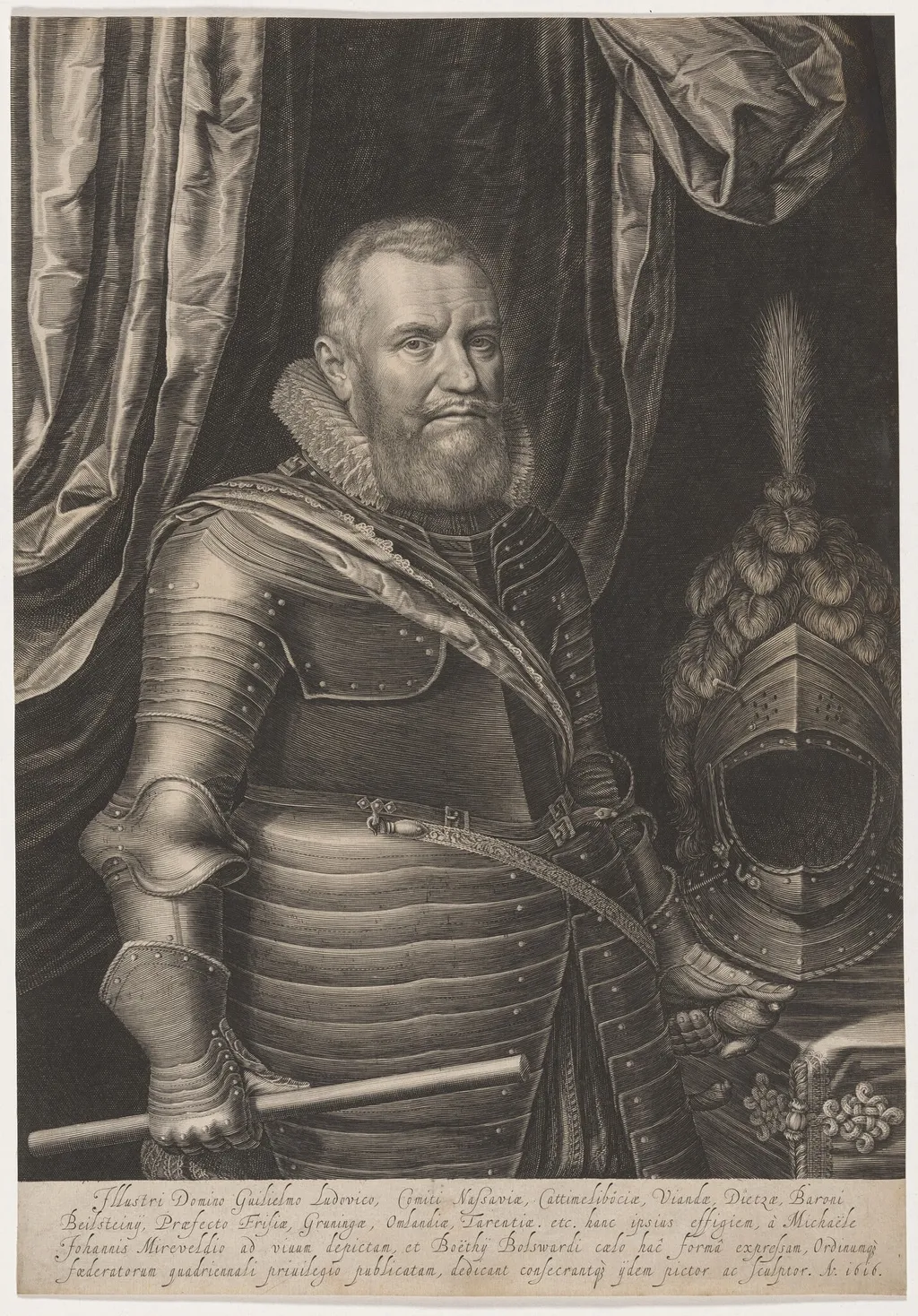
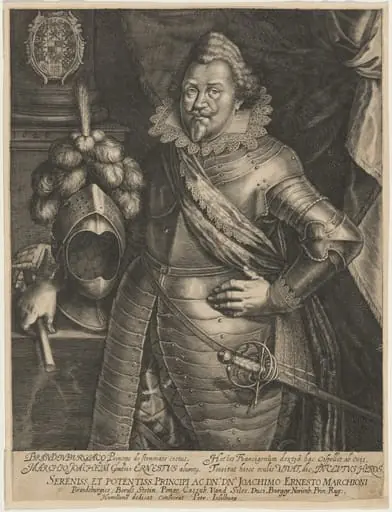
William Louis, Count of Nassau is an ink print by the Baroque artist Boëtius Adams Bolswert. It dates from 1616 and is held in the collection of the National Gallery of Art.
About this work
Overview
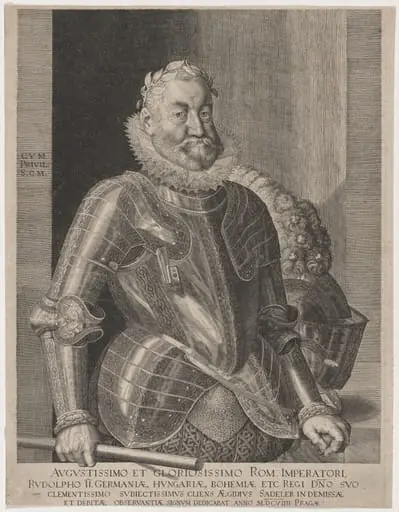
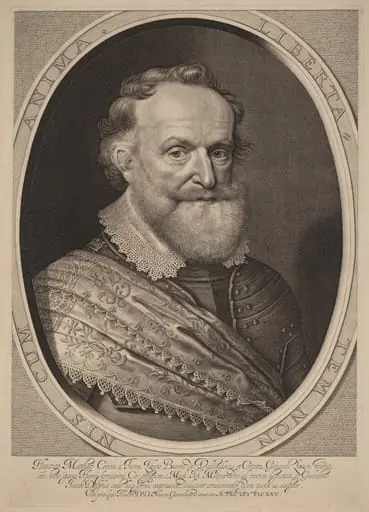
This 1616 engraving by Boëtius à Bolswert depicts William Louis, Count of Nassau, in a detailed black-and-white portrait. The subject is shown wearing heavy armor, a ruffled collar, and holding a helmet, set against a plain background.
Subject & Meaning
The engraving portrays William Louis, Count of Nassau, emphasizing his military stature through the depiction of armor, sword belt, and helmet. The image conveys a sense of dignified authority.
Technique & Style
Bolswert utilized fine etched lines to achieve sharp, precise details, particularly in the armor's texture, such as metal studs on the chestplate. The work reflects the period's focus on dynamic illumination and mass in printmaking, characteristic of engravings influenced by Peter Paul Rubens's dramatic compositions.
History & Provenance
Created in 1616 by Flemish engraver Boëtius à Bolswert, this piece is part of his body of work reproducing the dramatic effects of Rubens's paintings in engraving form. Provenance details are not specified.
Context
This engraving situates itself within the early 17th-century printmaking trends, where artists like Bolswert adapted the expressive lighting and compositions of renowned painters like Rubens for the engraved medium.
Legacy
As one of Bolswert's engravings, it contributes to the broader legacy of 17th-century Flemish printmaking, highlighting the technical skill and artistic adaptations of the time. Specific legacy details of this piece are not provided.
Artist & collection
Artist
Boetius à Bolswert (also Boetius Adamsz Bolswert, Bodius; c. 1585, – late 1633) was a Flemish engraver of Friesland origin. In his time the paintings of Peter Paul Rubens called forth new endeavours by engravers to…