Artwork
Joachim Ernest, Elector of Brandenburg
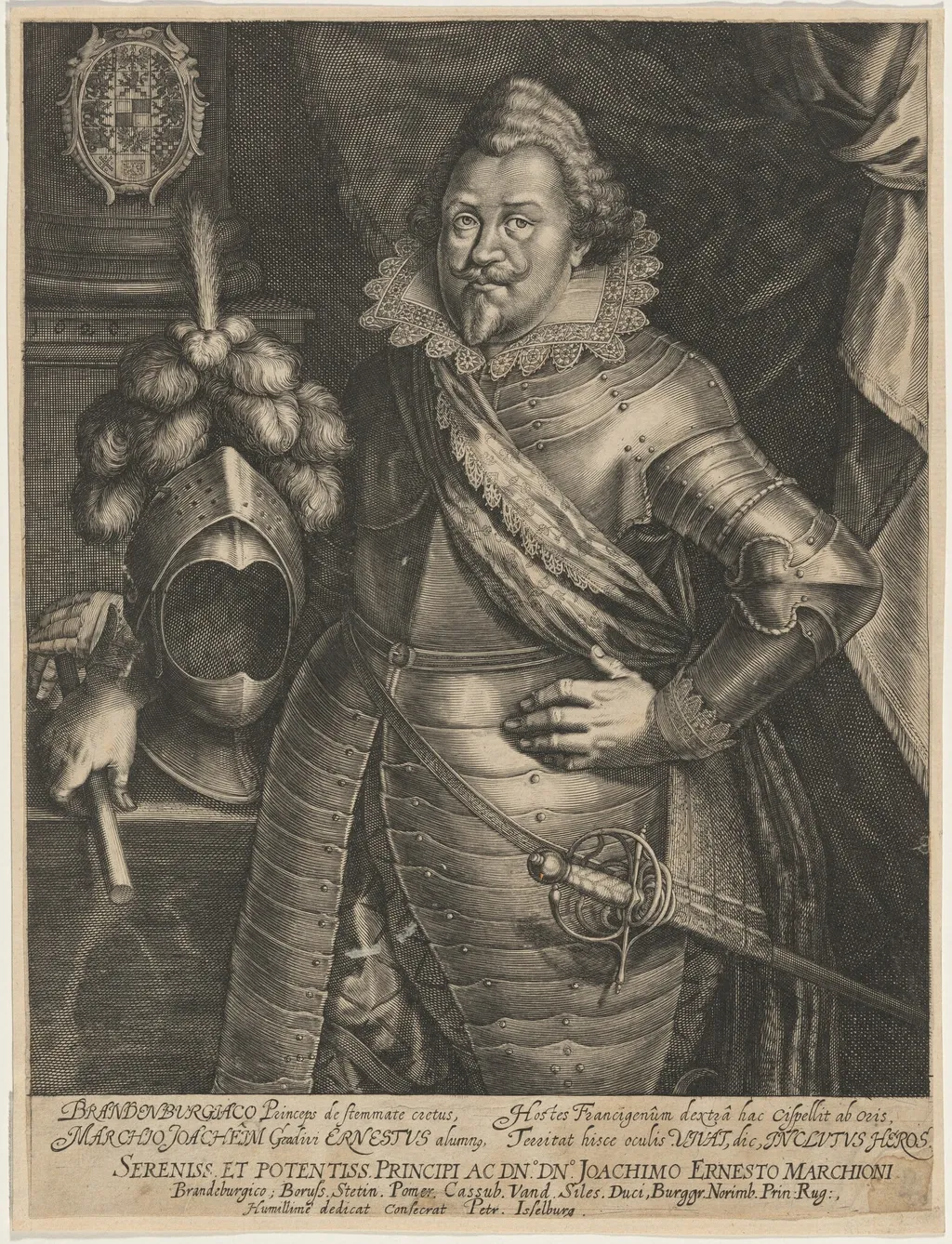
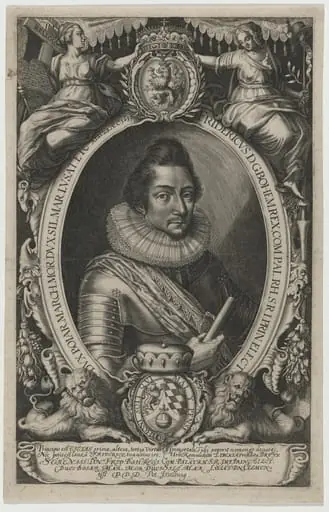
Joachim Ernest, Elector of Brandenburg is an ink print by the Renaissance artist Peter Isselburg. It dates from 1620 and is held in the collection of the National Gallery of Art.
About this work
Overview
Peter Isselburg’s 1620 engraving presents Joachim Ernest, Elector of Brandenburg, in a formal, martial pose. Rendered in stark black‑and‑white lines, the print captures the ruler’s dignified bearing, emphasizing his status through detailed armor, a fur‑trimmed cloak, and heraldic symbols.
Subject & Meaning
The portrait foregrounds the Elector’s authority, his serious expression and mustache underscoring a sober, resolute character. A feather in his hat and a small handheld object—perhaps a glove or ring—add personal touches, while the dog at his feet suggests loyalty and the traditional association of canines with noble households.
Technique & Style
Isselburg employs the intaglio engraving process, incising fine lines with a burin to achieve crisp outlines and intricate texture, especially evident in the riveted armor and chainmail. The contrast between deep shadows and delicate hatching creates a three‑dimensional effect within the monochrome medium.
History & Provenance
Created in 1620, the print likely served as a commemorative image for the Brandenburg court, circulating among aristocratic circles. The Latin legend at the base identifies both the sitter and the artist, a common practice for early modern portrait prints intended for identification and distribution.
Context
During the early 17th century, portrait engravings functioned as visual records of political power. Joachim Ernest’s reign (1598‑1625) coincided with the rise of Brandenburg as a significant German principality, and such images reinforced his legitimacy and martial prowess amid the turbulent pre‑Thirty Years’ War era.
Artist & collection

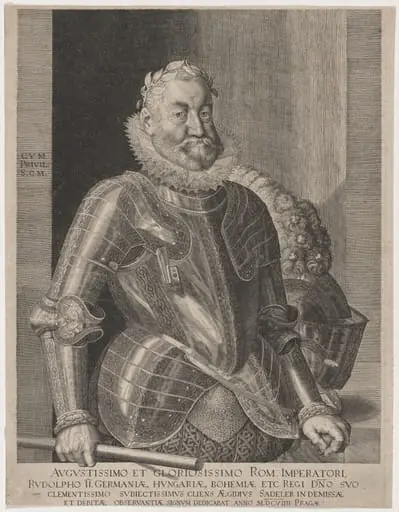 Emperor Rudolph II
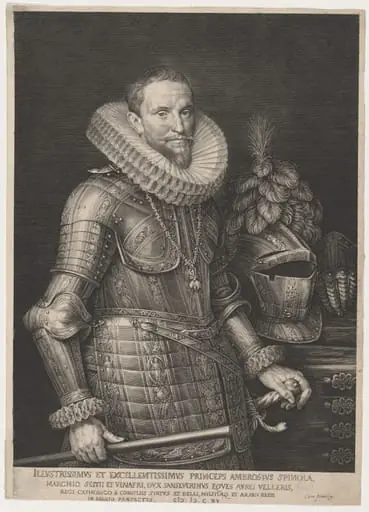 Ambroise Spinola, Spanish General in the Low Countries
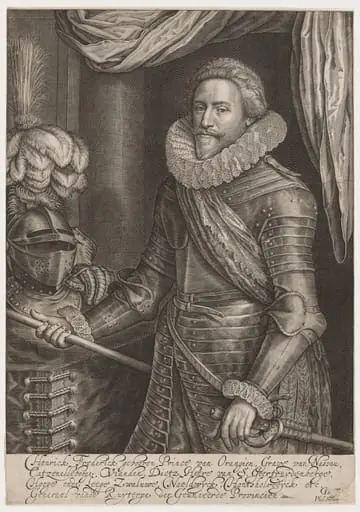 Frederick Henry, Prince of Orange
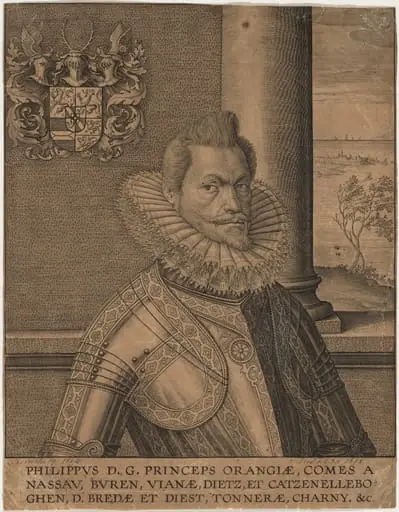 Philip William, Prince of Orange
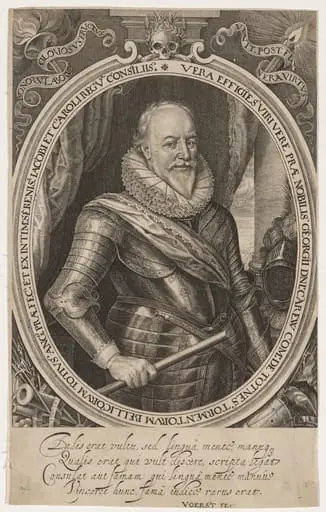 George Carew, Earl of Totnes
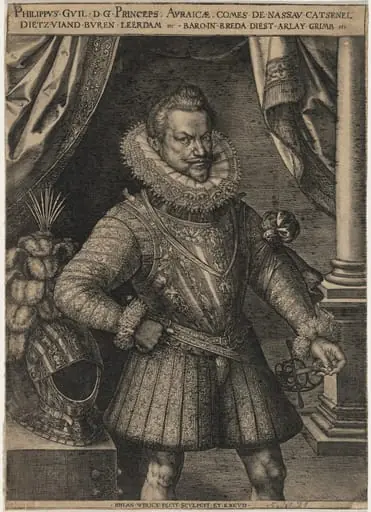 Philip William, Prince of Orange
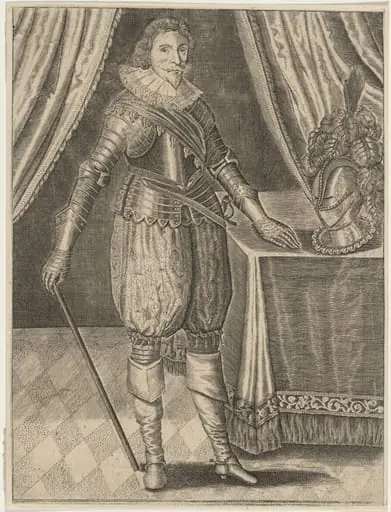 James, Second Marquis of Hamilton
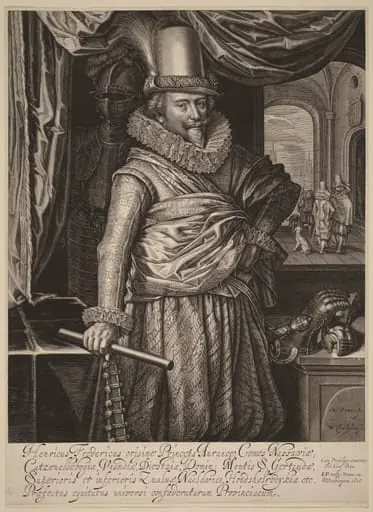 Frederik Hendrik, Prince of Nassau-Orange
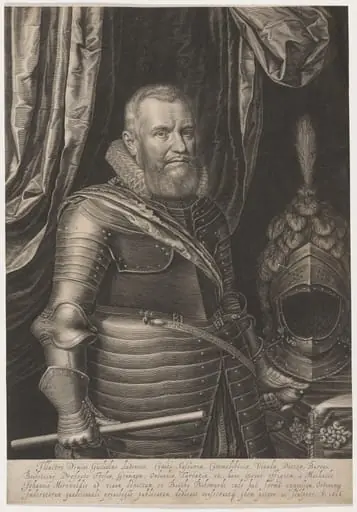 William Louis, Count of Nassau