Artwork
Lion Hunt
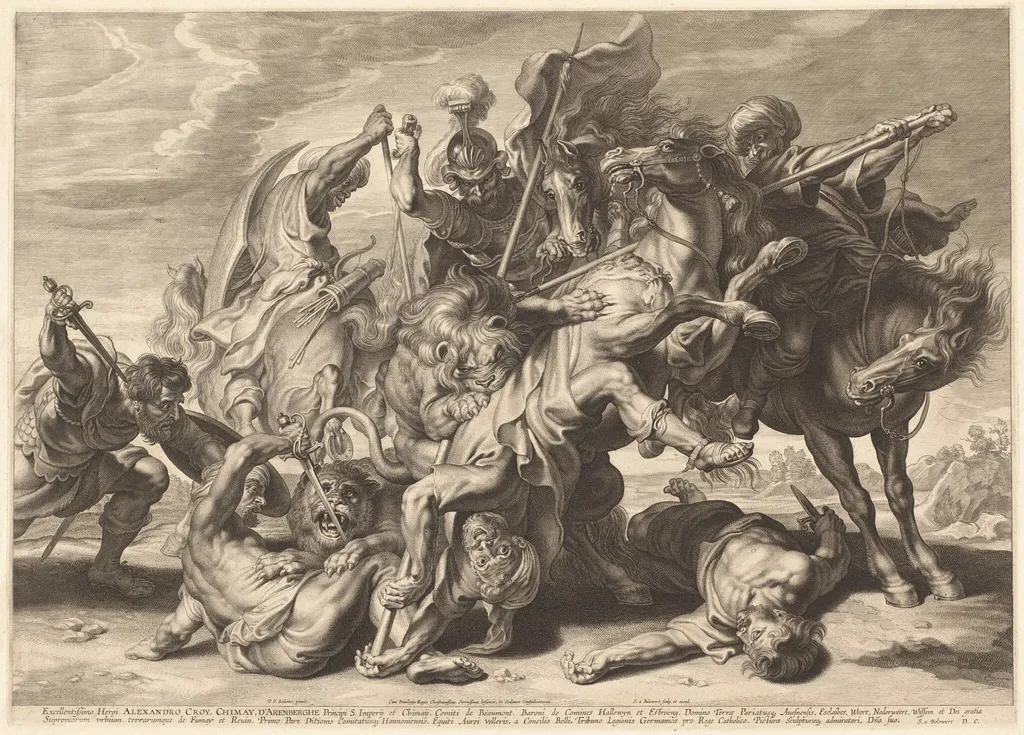
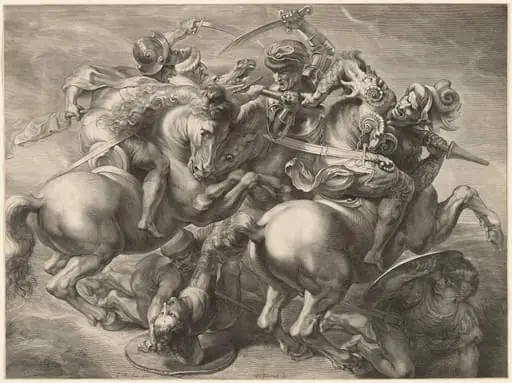
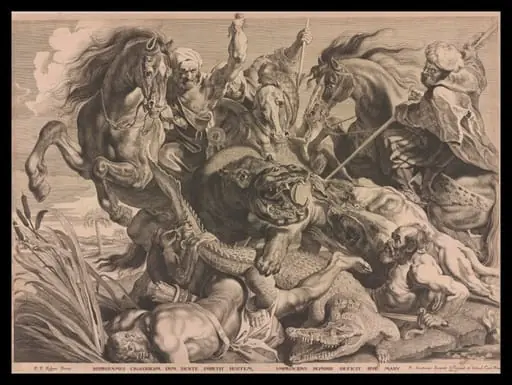
Lion Hunt is an ink print by the Renaissance artist Schelte Adams Bolswert. It dates from 1622 and is held in the collection of the National Gallery of Art. Schetle Adamsz.
About this work
Overview
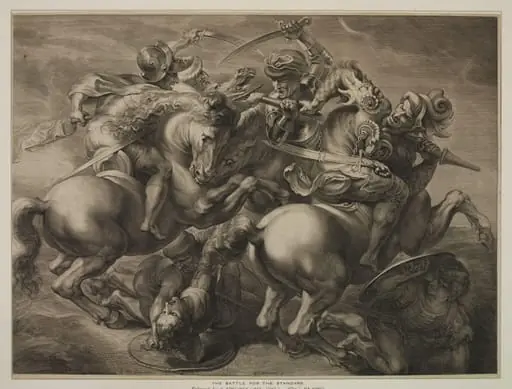
Schetle Adamsz. Bolswert, a Frisian engraver active in Antwerp, produced the print titled *Lion Hunt* in 1622. Executed as an engraving, the work captures a vigorous hunting scene, with riders, foot soldiers, and a lion engaged in combat. The composition is densely populated and rendered with fine line work that emphasizes the immediacy of the action.
Subject & Meaning
The image illustrates a classic lion hunt, a motif popular in early‑17th‑century visual culture for its connotations of bravery, conquest, and the taming of wild nature. Central figures include a mounted rider brandishing a spear and a footman confronting the lion, suggesting a narrative of human valor against a formidable beast.
Technique & Style
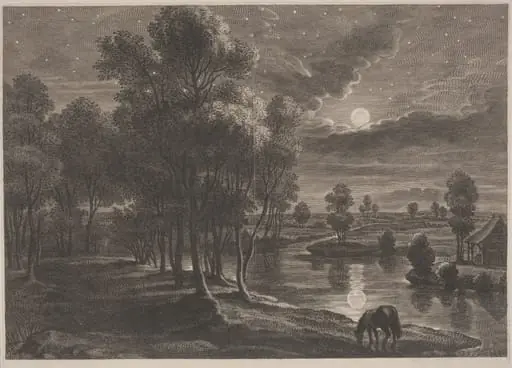
Bolswert employed the intaglio engraving process, incising intricate lines into a copper plate to achieve a high level of detail. The print demonstrates his skill in rendering texture—fur, fabric, and terrain—through varied hatching and cross‑hatching, creating contrast and a sense of movement across the crowded tableau.
History & Provenance
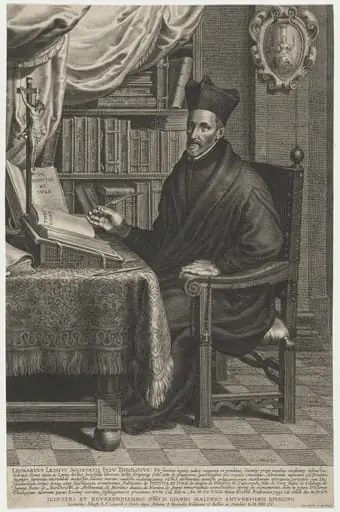
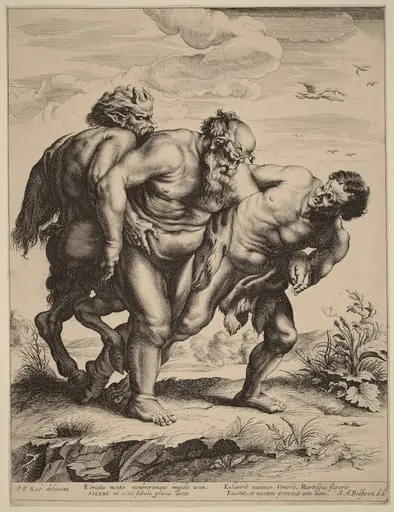
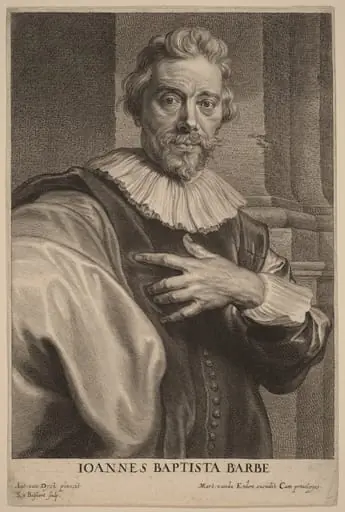
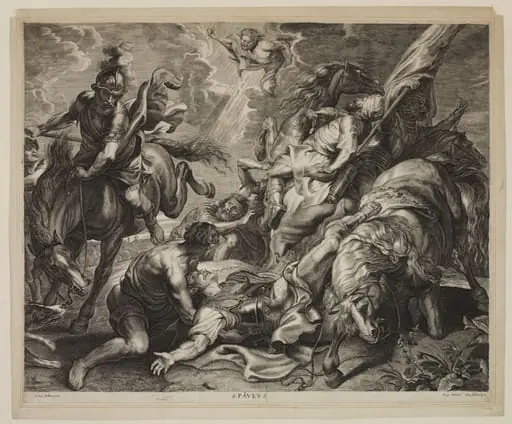
Created while Bolswert was employed in Peter Paul Rubens’ workshop, the print reflects the workshop’s practice of producing reproductive images after the master’s designs. Bolswert’s reputation as a specialist in translating paintings by Rubens and Anthony van Dyck into prints helped disseminate their compositions throughout Europe.
Context
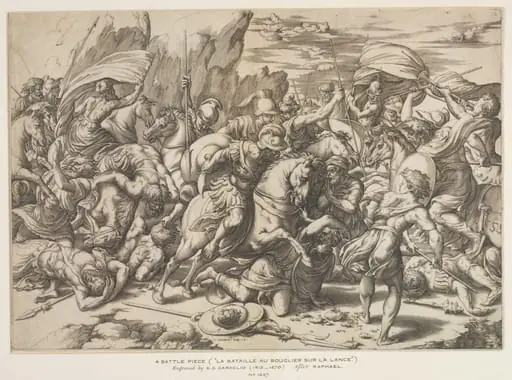
The early 1620s saw a flourishing market for prints that reproduced the works of leading Baroque painters. Engravings like *Lion Hunt* served both as affordable copies for collectors and as promotional tools for the original paintings, extending the reach of Rubens’ dramatic visual language beyond the studio.
Artist & collection
Artist
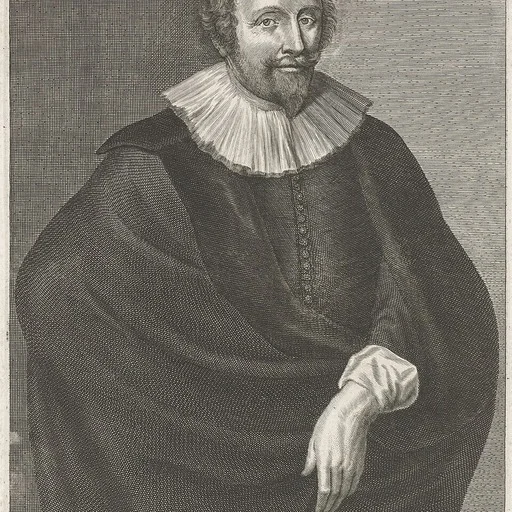
Schelte a Bolswert or Schelte Adamsz. Bolswert (c. 1586 – 1659) was a Frisian engraver who worked most of his career in Antwerp where he was one of the lead engravers in Rubens' workshop. He is known for his…