Artwork
A White Line Border with Two Cartouches: "A Satyr Sacrificing a Ram," and "The Choice of Hercules"
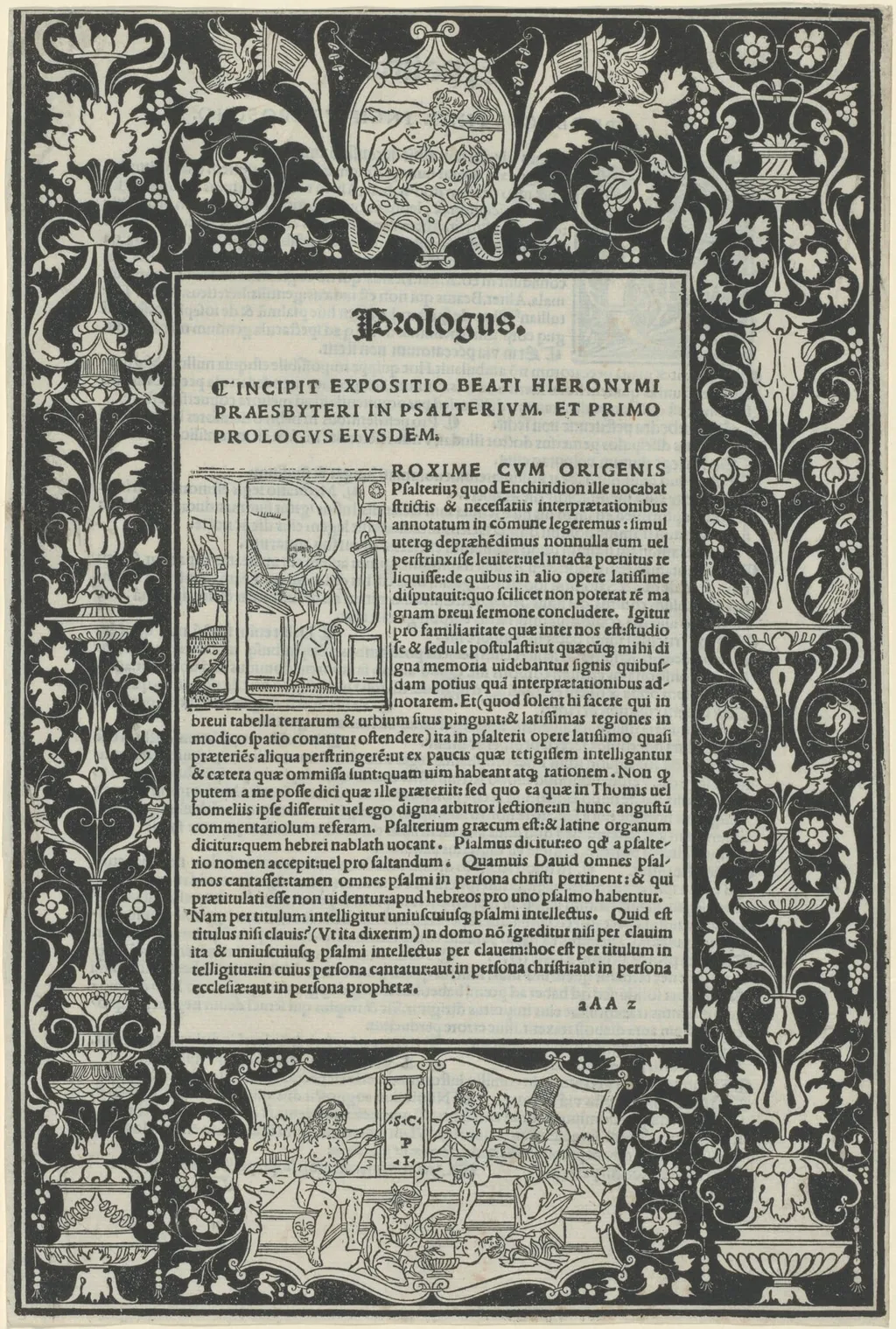
A White Line Border with Two Cartouches: "A Satyr Sacrificing a Ram," and "The Choice of Hercules" is an ink print by the Renaissance artist Benedetto Bordon. It dates from 1498 and is held in the collection of the National Gallery of Art.
About this work
Overview
This woodcut, executed by Benedetto Bordon in 1498, was originally part of a printed volume. The page presents a decorative white‑line border filled with intricate vines, flowers and fanciful motifs, surrounding two small framed narrative scenes. The composition is rendered entirely in black and white, typical of early Renaissance book illustration.
Subject & Meaning
The left vignette depicts a satyr—a half‑goat, half‑human creature—performing a sacrificial rite with a ram, a motif drawn from rustic mythological traditions. The right panel illustrates the classical episode known as the Choice of Hercules, where the hero, clad in a toga, stands between two women, one offering an apple, symbolising the contest between virtue and pleasure.
Technique & Style
Bordon employed the woodcut process: a design was incised into a wooden block, the recessed areas inked, and the image transferred to paper under pressure. The stark contrast of line work and the densely packed ornamental border reflect the late‑15th‑century Italian printmaking aesthetic, emphasizing linear detail over tonal shading.
History & Provenance
The print was removed from its original codex, suggesting it was once integrated into a larger illustrated text, possibly a mythological or moral treatise. Its survival as a single page indicates the practice of extracting individual prints for collection or study during later centuries.
Context
Created at the close of the 15th century, the work aligns with the humanist revival of classical themes in Italian art. Bordon’s choice of mythological subjects mirrors contemporary scholarly interest in antiquity, while the decorative border demonstrates the period’s fascination with ornamental book design.
Legacy
Although not widely reproduced, the piece exemplifies early Italian woodcut illustration and contributes to understanding how mythological narratives were visualized for readers before the advent of more elaborate engraving techniques.
Artist & collection


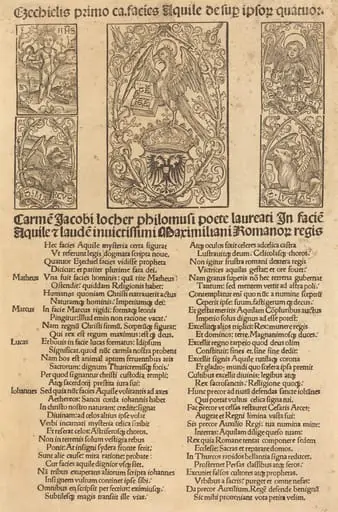 Allegory of the Eagle and Emperor Maximilian I
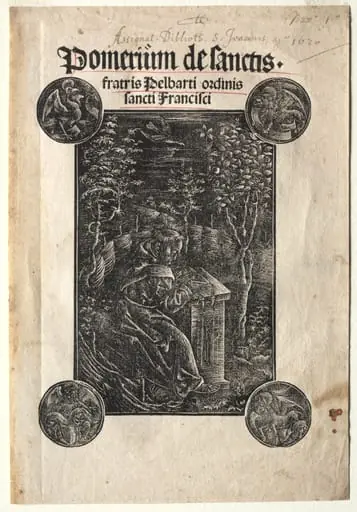 Pelbart of Temesvar Studying in a Garden
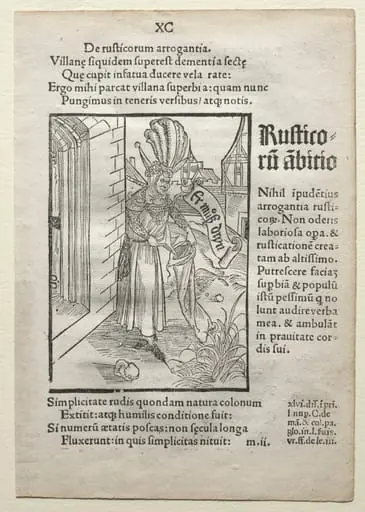 Ship of Fools
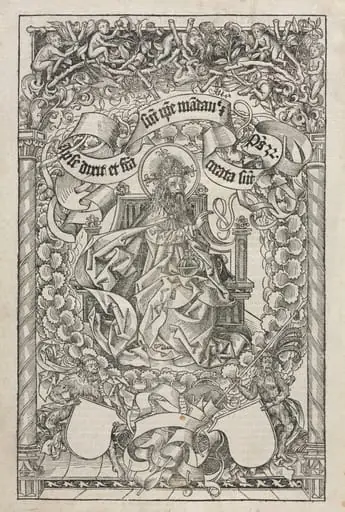 The Emblem
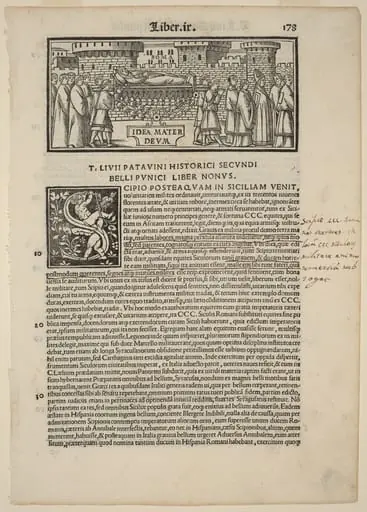 Page from Livius Historiabum Libri
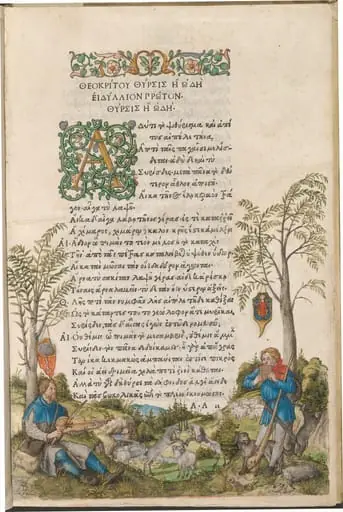 A Pastoral Landscape with Shepherds Playing a Viola and Panpipes
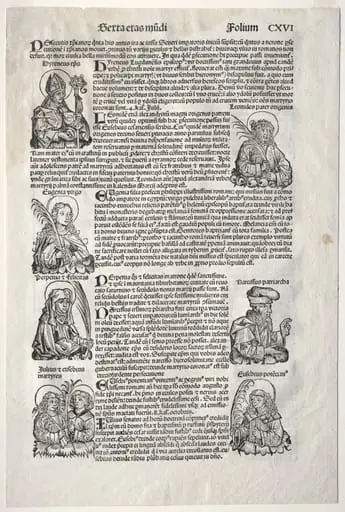 Nuremberg Chronicle
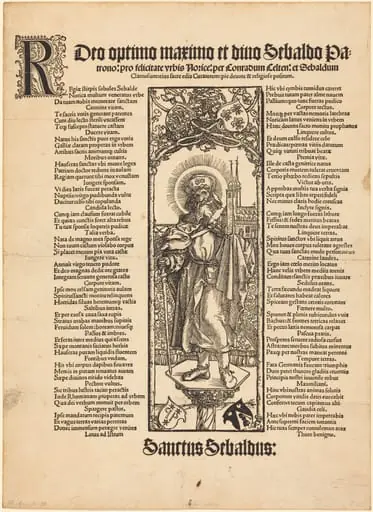 Saint Sebaldus Standing on a Column
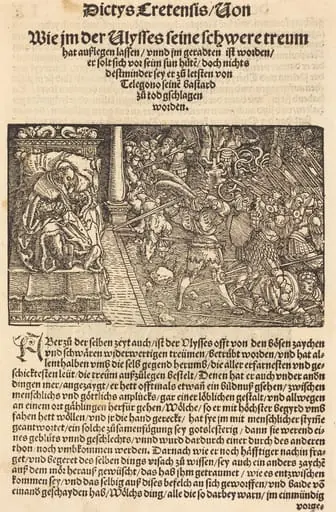 Page from Troianischen Kreig - Ausberg
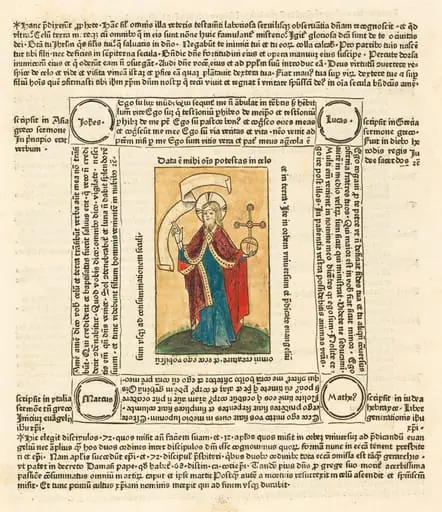 Christ as Salvator Mundi