Artwork
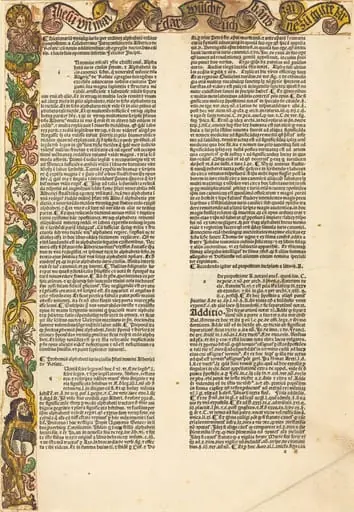
Page from Livius Historiabum Libri
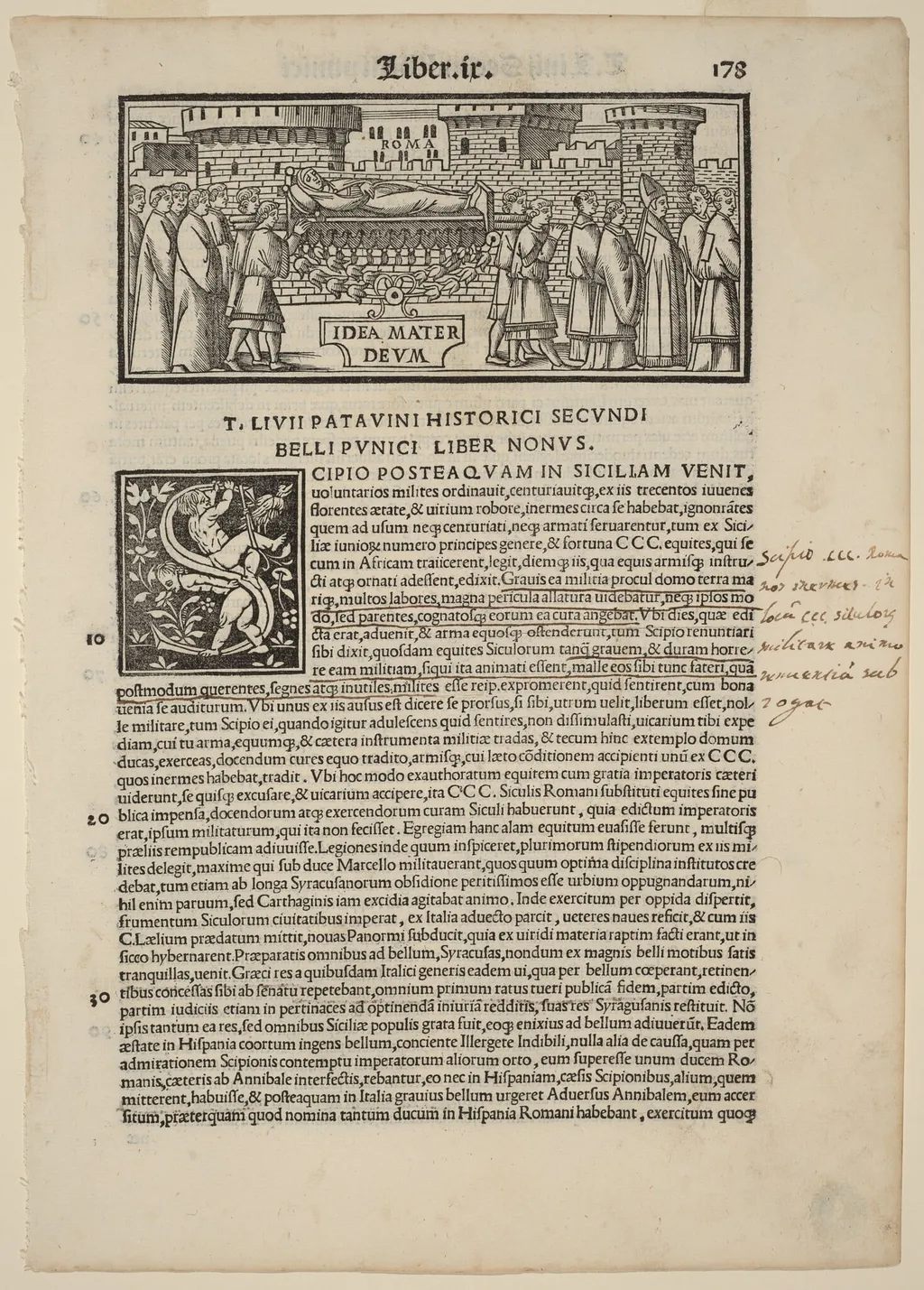
Page from Livius Historiabum Libri is an ink print by the Renaissance artist Andrea Zoan. It is held in the collection of the National Gallery of Art.
About this work
Overview
The work titled *Page from Livius Historiabum Libri* is a small black‑and‑white print produced by the Italian engraver Andrea Zoan in 1520. Executed as an intaglio engraving, the image presents a densely populated scene framed by Latin legend, typical of early modern book illustration.
Subject & Meaning
The composition depicts an armored figure brandishing a sword on the left, counterbalanced by a woman on the right who holds a scroll, suggesting a narrative of military and scholarly activity. Behind them a fortified city with towers and walls rises, reinforcing a historical or civic theme linked to the text of Livy.
Technique & Style
Zoan employed traditional copper‑plate engraving, incising lines that were inked and pressed onto paper to create multiple copies. The stark monochrome rendering relies on fine hatching and cross‑hatching to model forms and convey depth, characteristic of early sixteenth‑century Northern Italian printmaking.
History & Provenance
Created in the early Renaissance, the print would have been used as an illustrative leaf for a Latin edition of Livy’s *History of Rome*. Its survival in museum collections indicates it was circulated among scholars and collectors interested in classical literature and the burgeoning print market of the period.
Context
The early 1500s saw a surge in printed editions of classical authors, with engravers like Zoan providing visual supplements that enhanced textual understanding. The juxtaposition of martial and literary figures reflects contemporary humanist ideals that valued both civic virtue and scholarly learning.
Artist & collection


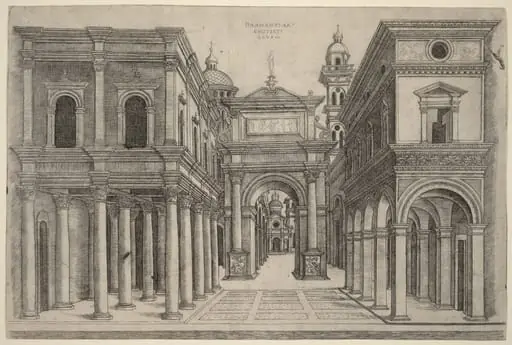 A Street with Various Buildings, Colonnades and an Arch
 Ornament Panel: Griffins and Two Cupids Crossing Halberds
 Ornament Panel: Triton Ridden by a Child
 Ornament Panel: Three Children Blowing Horns
 Ornament Panel: Two Sphinxes Supporting Shields
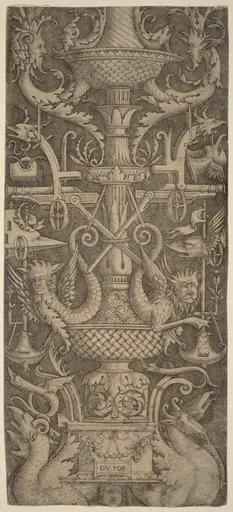 Ornament Panel with Dragons, Masks, and Instruments of War
 Ornament Panel: Satyr Holding a Violin
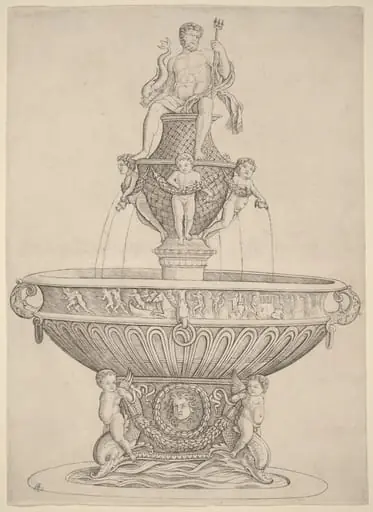 Fountain with Statue of Neptune
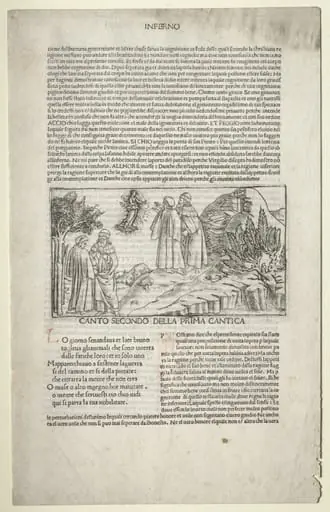 Dante and Virgil with the Vision of Beatrice
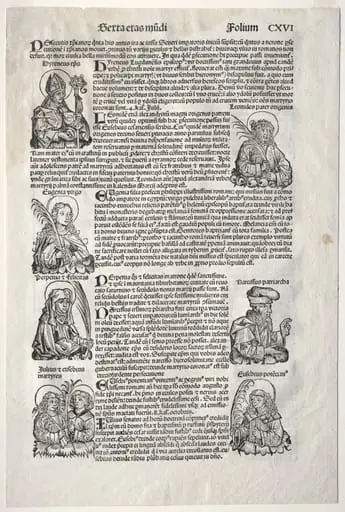 Nuremberg Chronicle
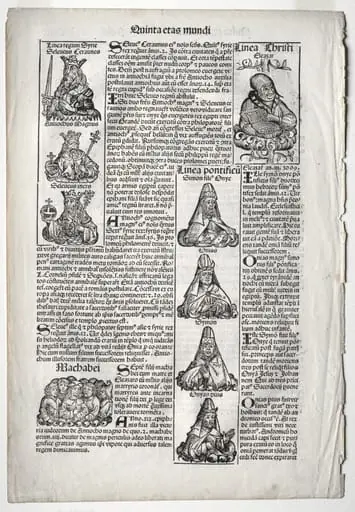 Genealogical Page; published in the Nuremberg Chronicle by Hartmann Schedel
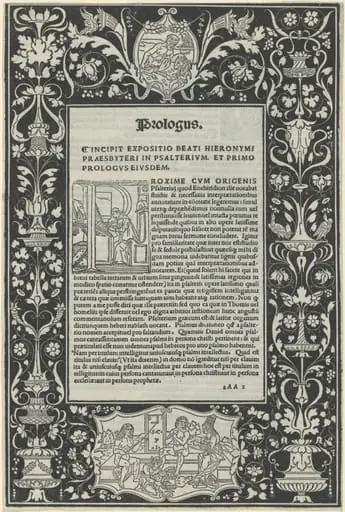 A White Line Border with Two Cartouches: "A Satyr Sacrificing a Ram," and "The Choice of Hercules"
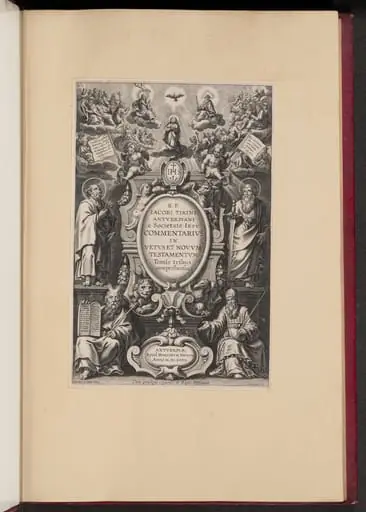 Title Page for R.P. Jacobi Tirini's "Commentarius in Vetvs et Novvm Testamentvm"
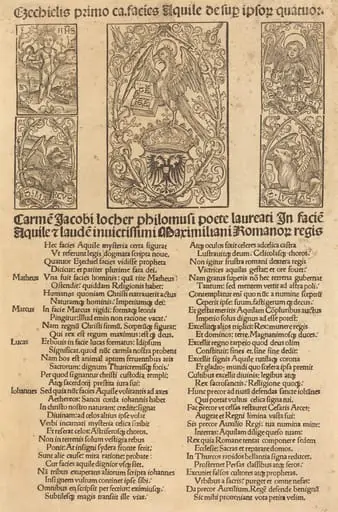 Allegory of the Eagle and Emperor Maximilian I
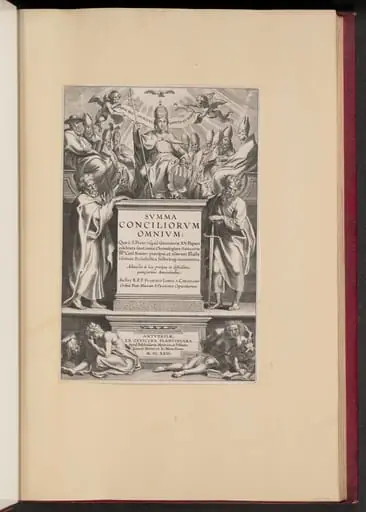 Title Page for F. Longo a Coriolano's "Svmma Conciliorvm Omnivm"
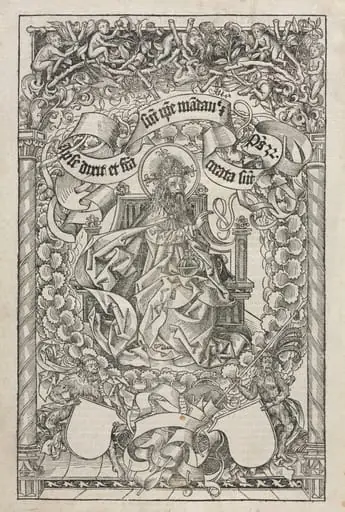 The Emblem
 Border from an Almanac
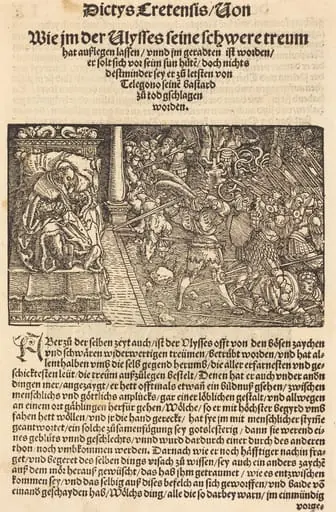 Page from Troianischen Kreig - Ausberg