Artwork
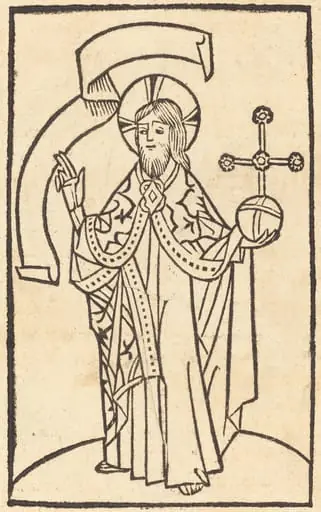
Christ as Salvator Mundi
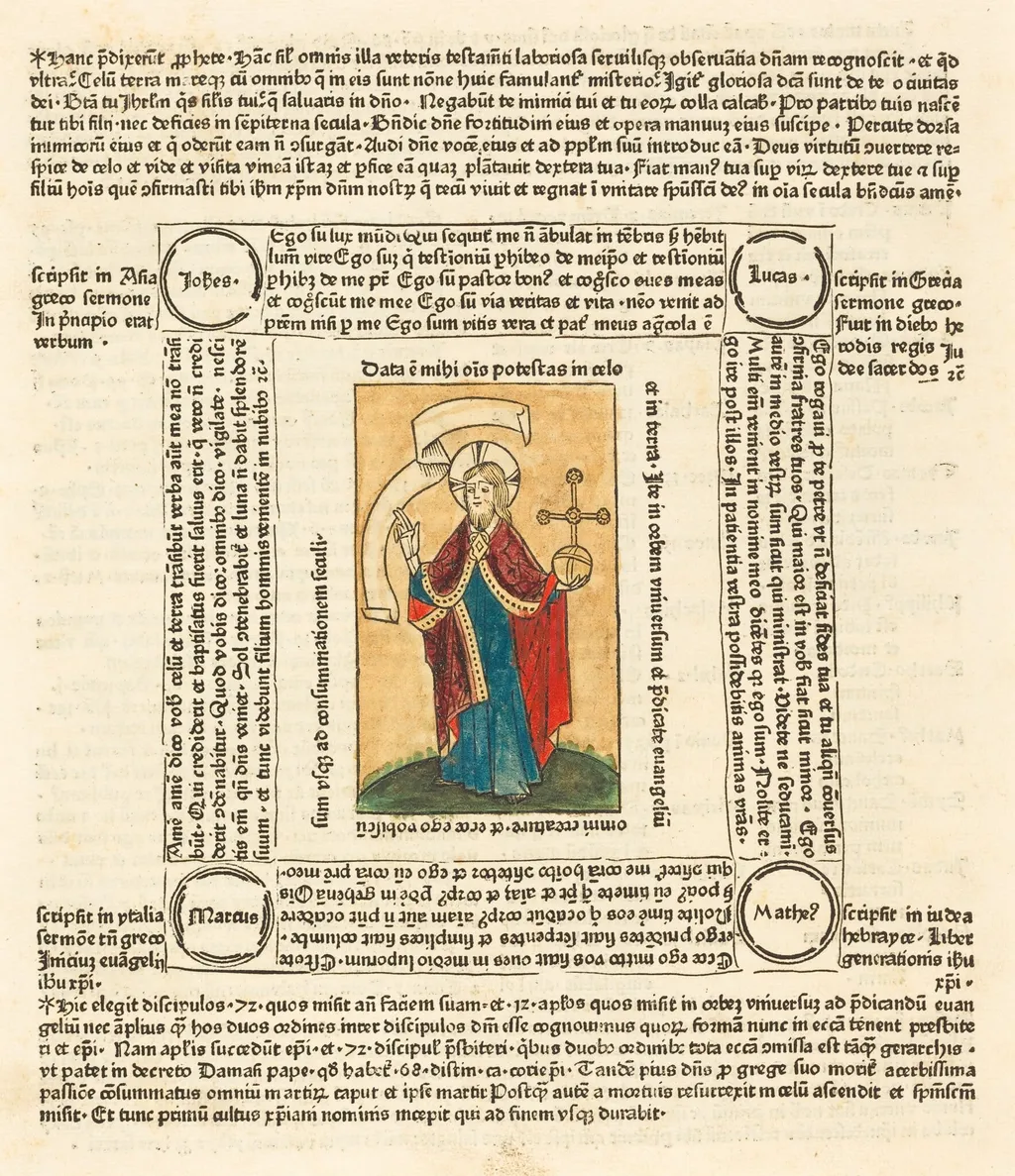
Christ as Salvator Mundi is an ink print by the Renaissance artist German 15th Century. It dates from 1475 and is held in the collection of the National Gallery of Art.
About this work
Overview
The work is a hand‑coloured woodcut depicting Christ as Salvator Mundi. Rendered in vivid red and blue garments, the figure holds a golden orb in one hand while the other is raised in a benediction. A simple crown rests on the calm visage, and the composition is set against an unadorned, faintly green backdrop.
Subject & Meaning
The image presents the Christian savior holding the world, a conventional symbol of his role as universal ruler and protector. The gesture of blessing reinforces the theological notion of divine authority extending over humanity, while the serene expression conveys a sense of compassionate sovereignty.
Technique & Style
Executed as a woodcut, the design relies on carved lines that produce flat, bold areas of colour applied by hand. The absence of modelling or shading emphasizes clear outlines and uniform hues, characteristic of early Renaissance printmaking that favored distinct shapes and vivid pigments over earlier medieval intricacy.
Context
Produced during the Renaissance, the piece reflects the period’s shift toward clearer visual language and heightened emphasis on naturalistic form within the constraints of print media. Hand‑colouring allowed the artist to enhance the woodcut’s graphic strength with a limited palette, aligning the work with contemporary devotional imagery intended for wide distribution.
Artist & collection

Artist
This 15th-century German artist carved vivid religious scenes into metal and wood, then hand-painted them in bright, symbolic colors.

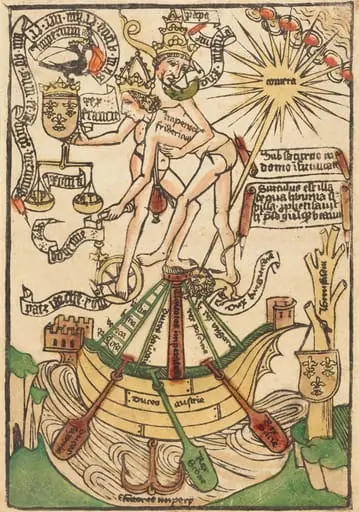 Allegory of the Meeting of Pope Paul II and Emperor Frederick III
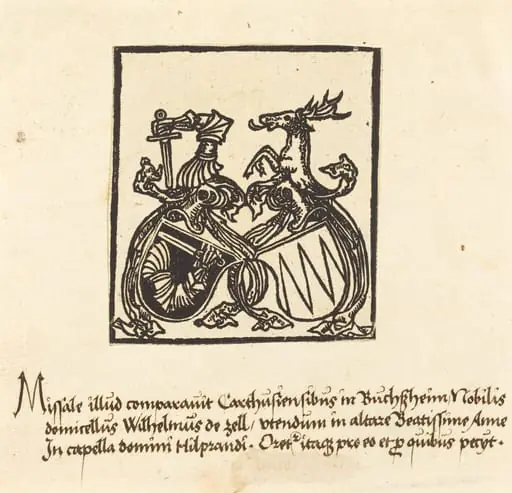 Bookplate of Wilhelm von Zell
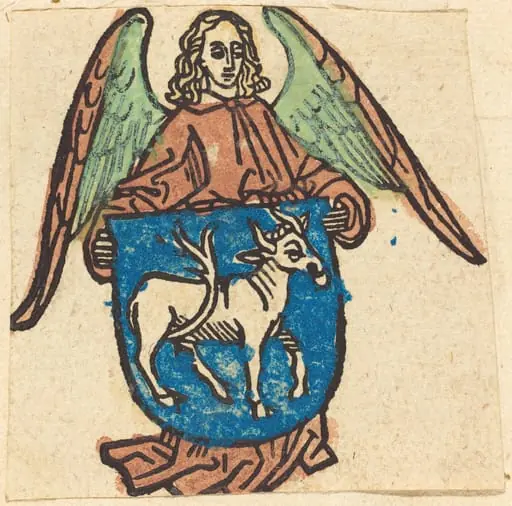 Bookplate of Hilprand Brandenburg of Bibrach
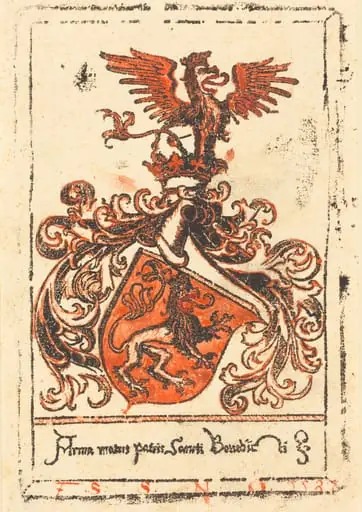 Bookplate of the Abbey of Ottobeuren
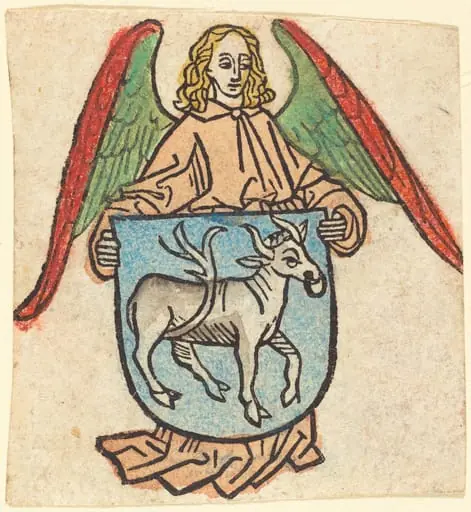 Bookplate of Hilprand Brandenburg of Bibrach
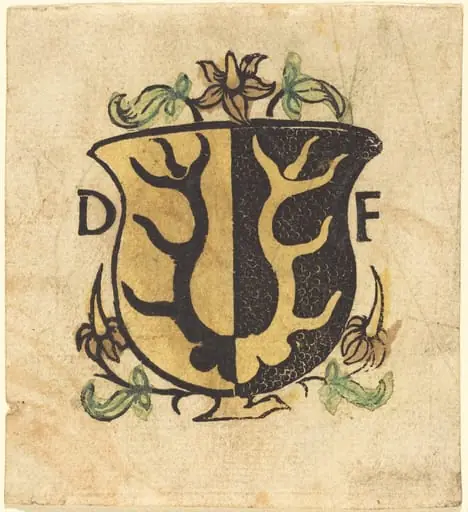 Bookplate of Dominicus Frauenfelder
![Studies for Six Figures (sheet from a model book) [recto], by German 15th Century](https://artifactworldgallery.com/img/german-15th-century--studies-for-six-figures-sheet-from-a-model-book-recto--4837429e0755bc3f-w320.webp) Studies for Six Figures (sheet from a model book) [recto]
Studies for Six Figures (sheet from a model book) [recto]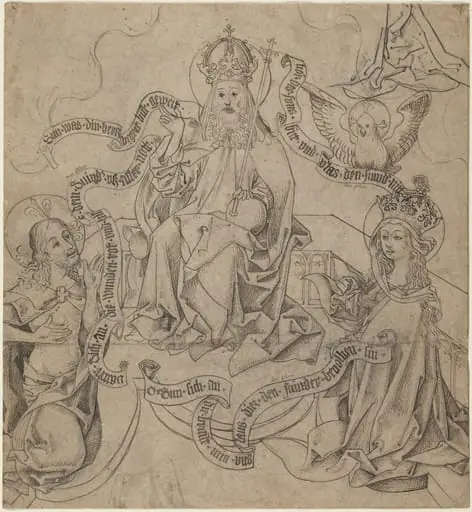 Christ and Mary Interceding with God the Father
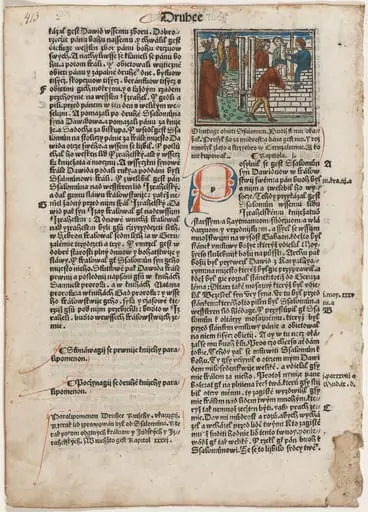 page from the Holy Bible in Bohemian
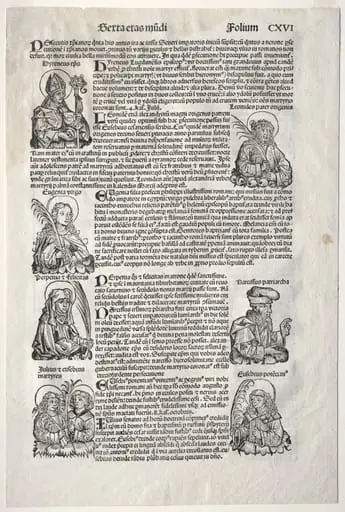 Nuremberg Chronicle
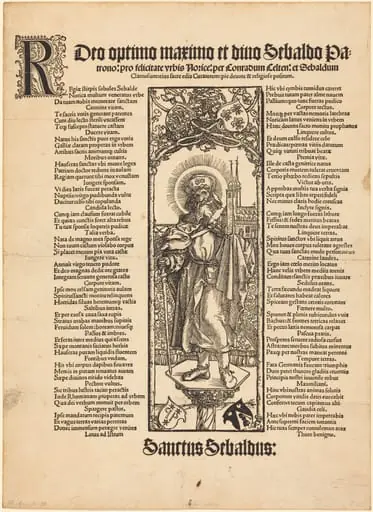 Saint Sebaldus Standing on a Column
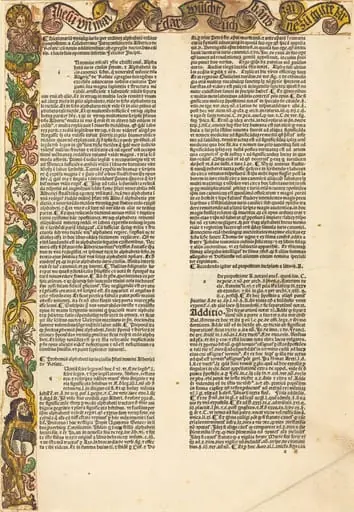 Border from an Almanac
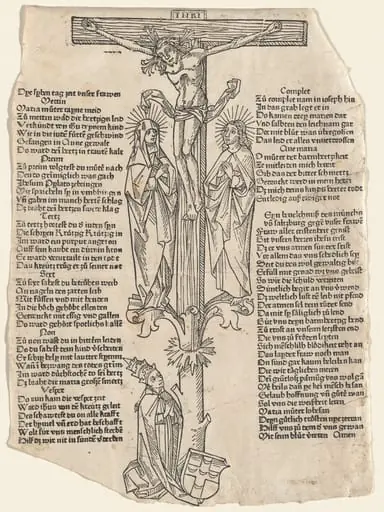 Christ on the Cross with Pope Pius II
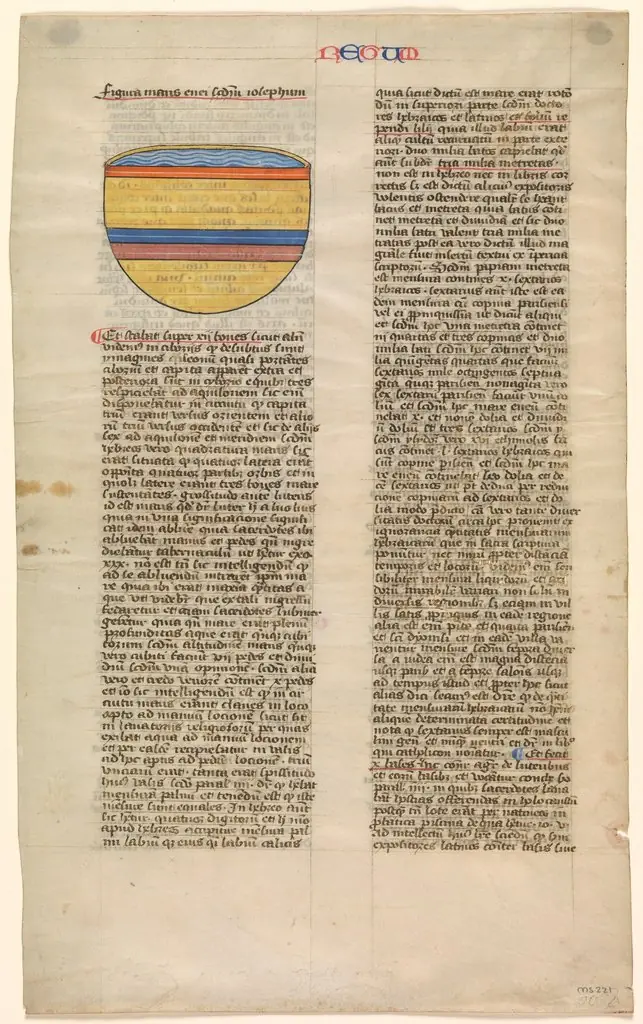 Brazen Sea, one of six illustrated leaves from the Postilla Litteralis (Literal Commentary) of Nicholas of Lyra
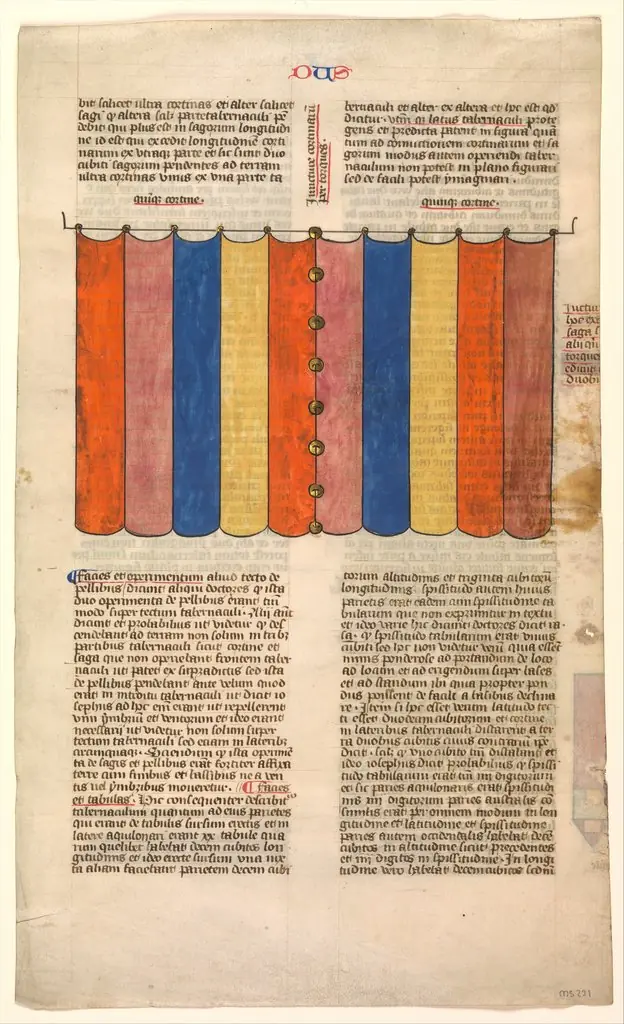 Curtain of the Tabernacle, one of six illustrated leaves from the Postilla Litteralis (Literal Commentary) of Nicholas of Lyra
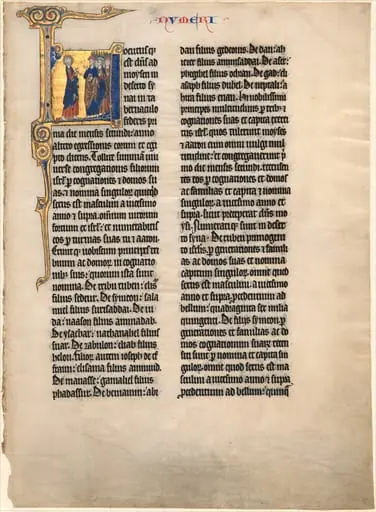 Moses Counting the Children of Israel
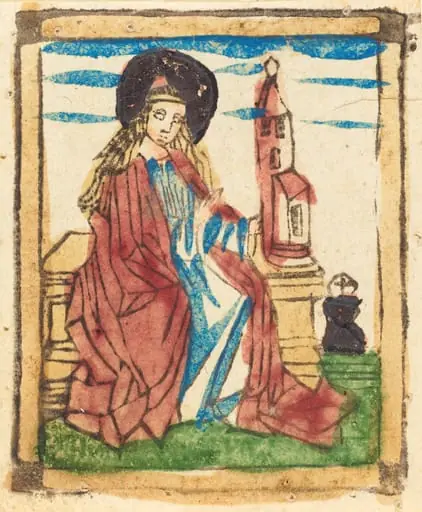 Saint Barbara
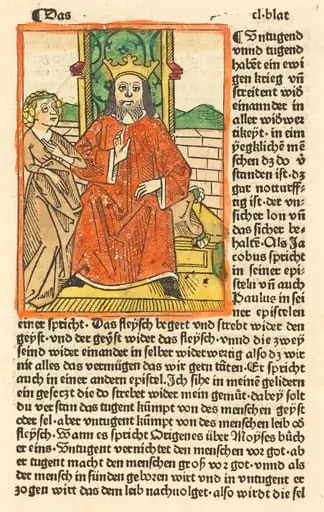 Crowned Man on a Throne with the Virgin Standing at the left
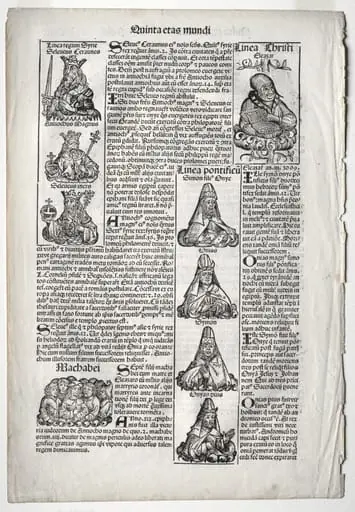 Genealogical Page; published in the Nuremberg Chronicle by Hartmann Schedel
 Christ as Salvator Mundi