Artwork
Illustration to Jean Desmarets' "L'Ariane"
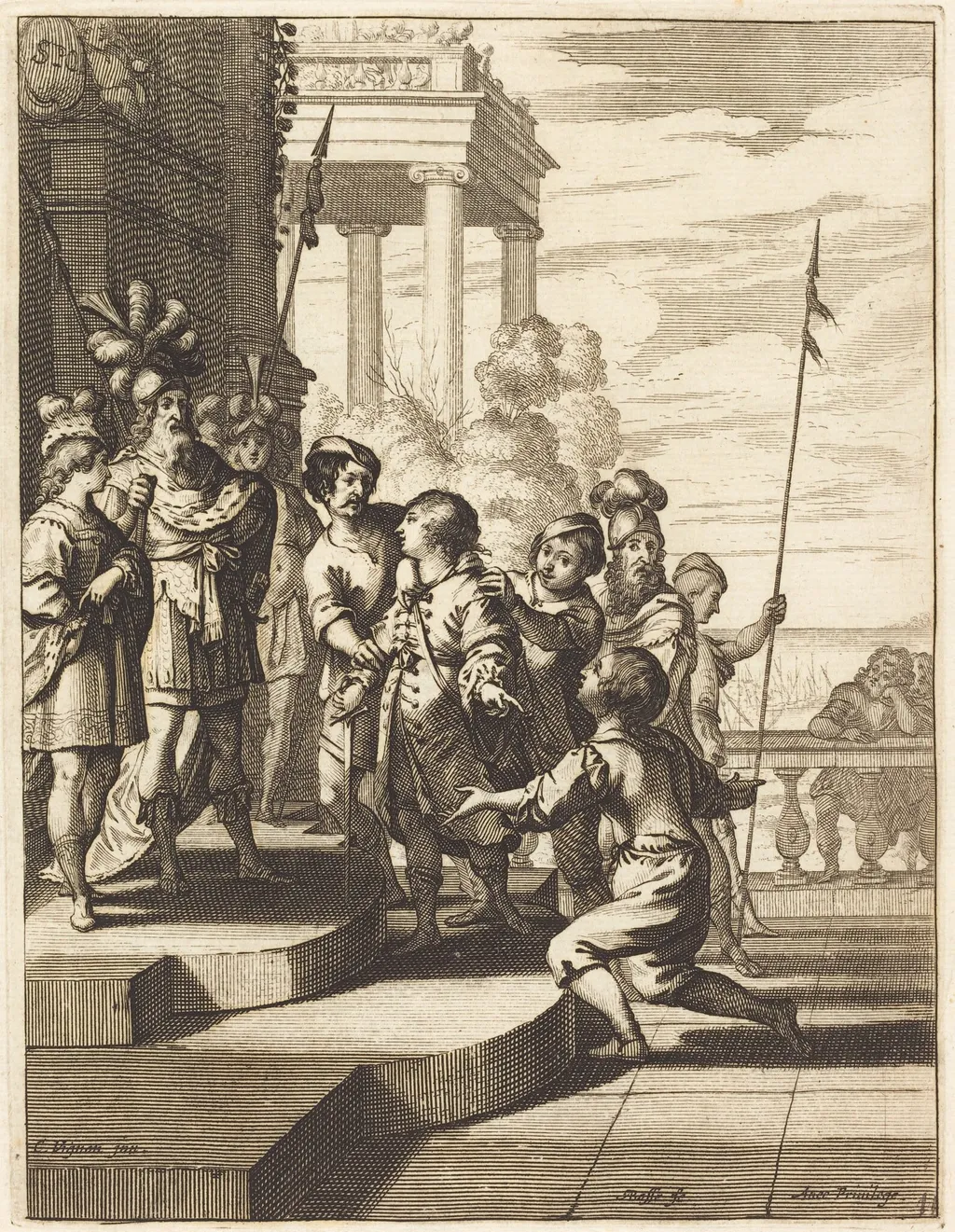
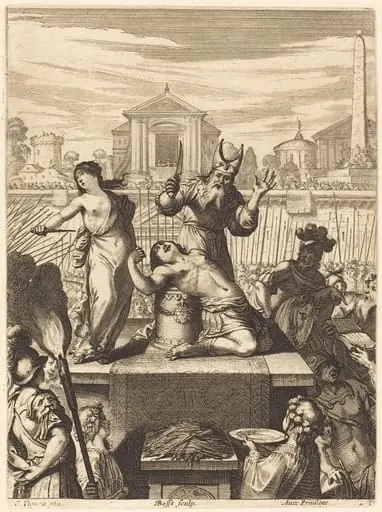
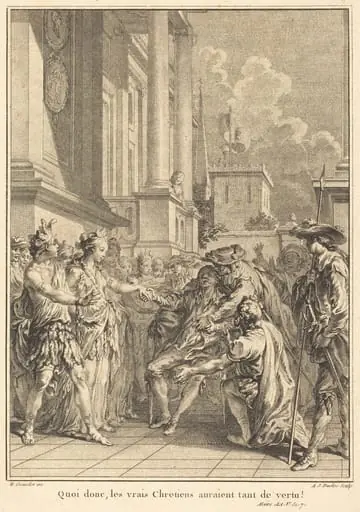
Illustration to Jean Desmarets' "L'Ariane" is an ink print by the Baroque artist Abraham Bosse. It dates from 1639 and is held in the collection of the National Gallery of Art.
About this work
Overview
The composition centers on a kneeling woman surrounded by figures holding symbolic objects, set against a classical architectural backdrop.
Abraham Bosse produced this black-and-white print in 1639 as an illustration for Jean Desmarets' poetic work 'L'Ariane.' Executed through the combined methods of etching and engraving, the image captures a moment of quiet solemnity. The composition centers on a kneeling woman surrounded by figures holding symbolic objects, set against a classical architectural backdrop. Bosse’s precision in line work defines both human forms and structural elements with clarity and restraint.
Subject & Meaning
The scene depicts a group gathered around a woman in a posture of submission or farewell, possibly representing Ariadne’s emotional departure or sacrifice. A man holds a palm branch, a symbol of victory or martyrdom, while another carries a flag, and a child reaches toward her, suggesting generational connection or innocence witnessing loss. The temple-like structure behind them implies a sacred or ceremonial context, reinforcing the narrative’s gravity and ritualistic tone.
Technique & Style
Bosse employed fine, controlled lines typical of etching and engraving to render texture and form. Clothing folds, column shafts, and cloud formations are defined by dense hatching and cross-contour strokes, giving surfaces a sculpted, almost stone-like quality. The absence of tone or shading emphasizes linear precision, a hallmark of 17th-century French printmaking. The composition is tightly framed, directing attention to the central figure through deliberate spatial arrangement.
History & Provenance
Created in 1639, the print was part of a series commissioned to accompany Desmarets’ literary work, reflecting the period’s trend of integrating visual art with poetry. Bosse, already established as a printmaker and theorist, was known for his collaborations with writers and publishers. While the original publication’s full set is rare, individual plates like this one survive in institutional collections, primarily in France and major European libraries.
Context
In mid-17th century France, illustrated books were prized for their intellectual and aesthetic value, especially those tied to classical themes. Bosse’s work aligned with humanist ideals, blending mythological narrative with architectural grandeur. His technical mastery made him a preferred illustrator for literary projects, bridging the gap between textual storytelling and visual representation in an era before mass reproduction.
Legacy
Bosse’s illustration for 'L'Ariane' exemplifies the role of printmaking in disseminating literary culture during the Baroque period. His disciplined line work influenced later generations of engravers and contributed to the standardization of illustrative techniques in French publishing. Though less widely known today than his theoretical writings, this print remains a quiet testament to the synergy between literature and visual art in early modern Europe.
Own this work as a print
Artist & collection

Artist
Abraham Bosse (c. 1604 – 14 February 1676) was a French artist, mainly as a printmaker in etching, but also in watercolour.

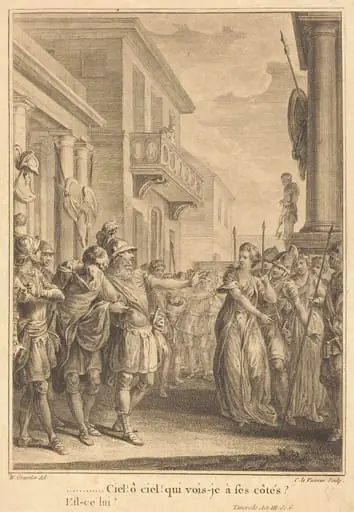 Ciel! ô ciel! qui vois-je à ses côtés?
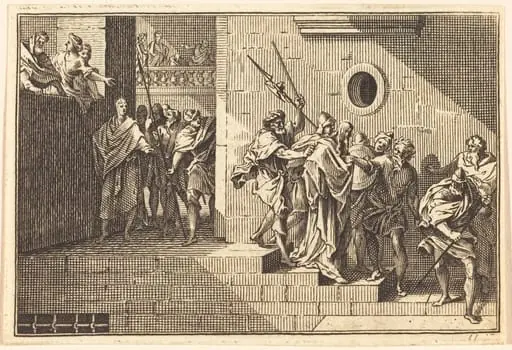 Herod Sending Christ back to Pilate
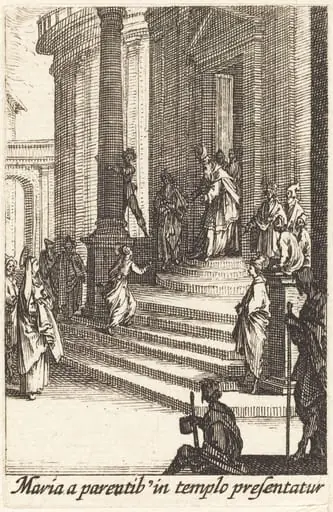 The Presentation of the Virgin
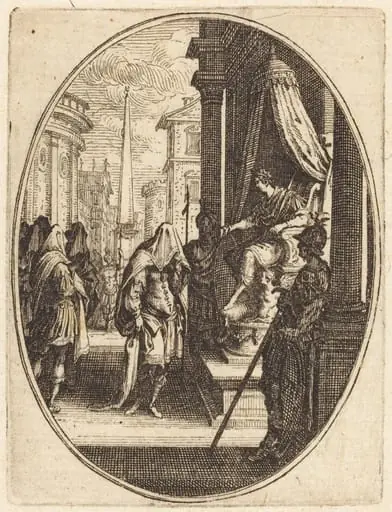 The Cult of Men
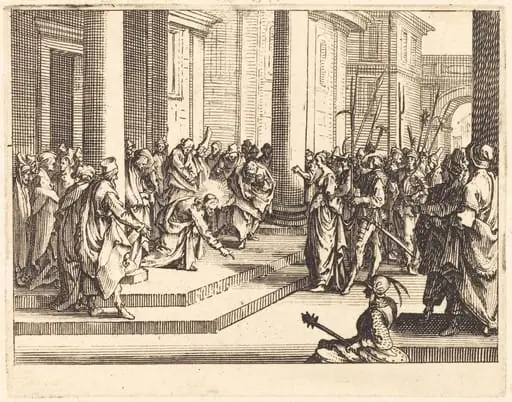 Christ and the Woman Taken in Adultery
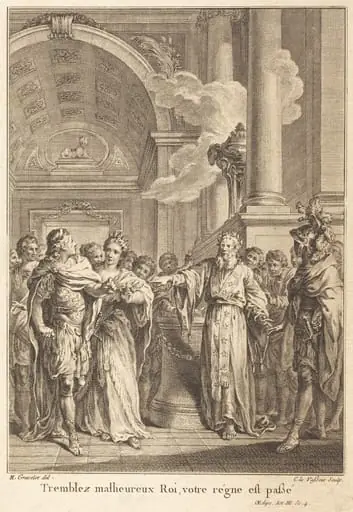 Tremblez malheureux Roi, votre régne est passé
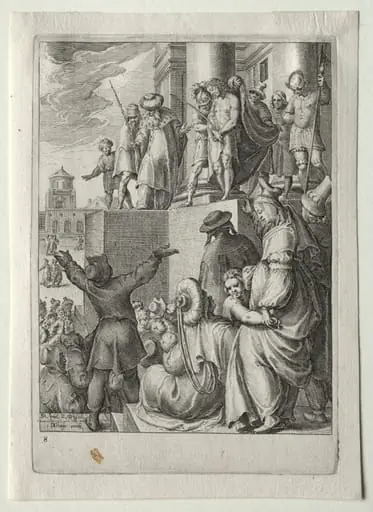 Passion Set: Ecce Homo
 Quoi donc, les vrais Chretiens auraient tant de vertu!
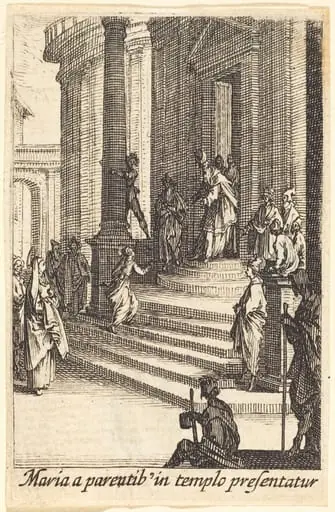 The Presentation of the Virgin