Artwork
The Prodigal Son Received by his Father
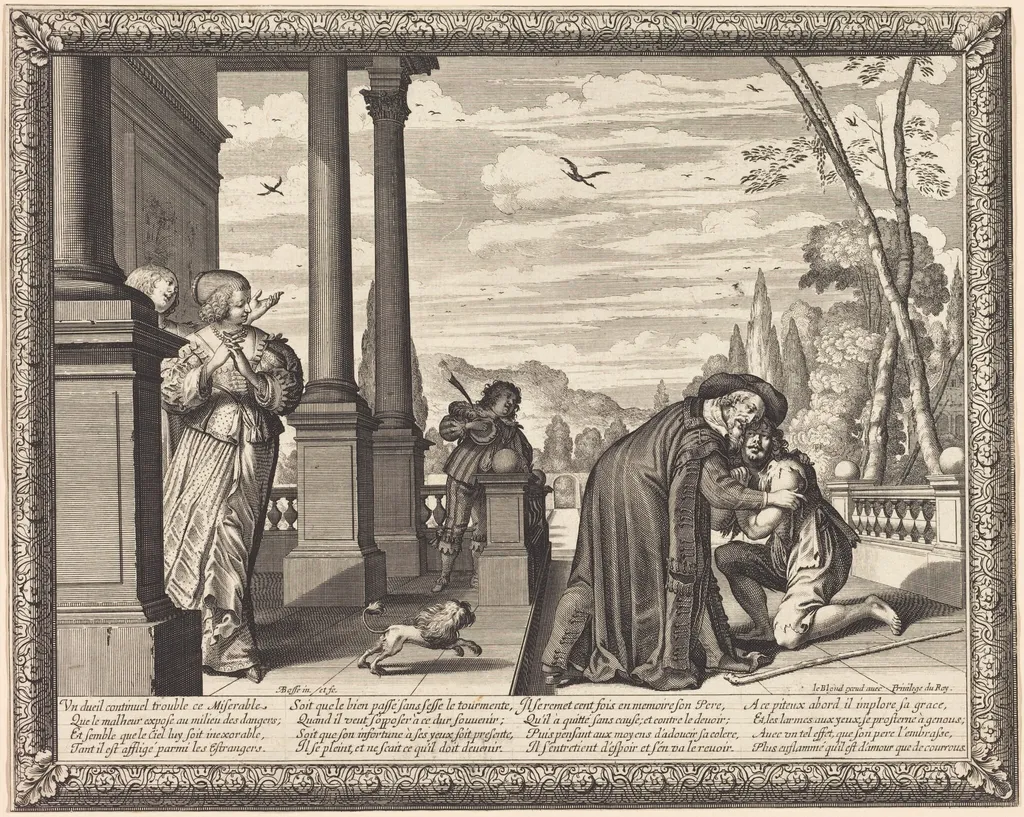
The Prodigal Son Received by his Father is an ink print by the Baroque artist Abraham Bosse. It dates from 1639 and is held in the collection of the National Gallery of Art.
About this work
Overview
Abraham Bosse’s 1639 engraving, *The Prodigal Son Received by his Father*, presents the climactic moment of reconciliation in the biblical parable. Executed in fine line work, the print captures a kneeling figure embracing his standing father, surrounded by a modest architectural setting and a distant landscape.
Subject & Meaning
The composition visualizes the repentant son’s return and the father’s forgiveness, a theme central to the New Testament narrative. The intimate gesture between the two men underscores the moral of mercy and redemption, while surrounding onlookers and a small dog hint at the broader social context of the story.
Technique & Style
Bosse employs meticulous cross‑hatching to render textures of clothing, stone columns, and foliage, creating a sense of depth within the limited tonal range of engraving. The careful modulation of line conveys the softness of fabric and the solidity of architectural elements, exemplifying his mastery of the medium.
History & Provenance
Renowned in 17th‑century France for his prints, Bosse produced this work during a period when engraving was his principal means of artistic expression. The piece reflects his reputation as a leading printmaker of the era, though specific ownership records after its creation are not documented.
Context
The engraving aligns with contemporary French interest in biblical subjects rendered for a devotional audience. Bosse’s choice of a domestic interior with classical columns mirrors the period’s blending of religious narrative with everyday realism, a hallmark of mid‑Baroque visual culture.
Artist & collection

Artist
Abraham Bosse (c. 1604 – 14 February 1676) was a French artist, mainly as a printmaker in etching, but also in watercolour.

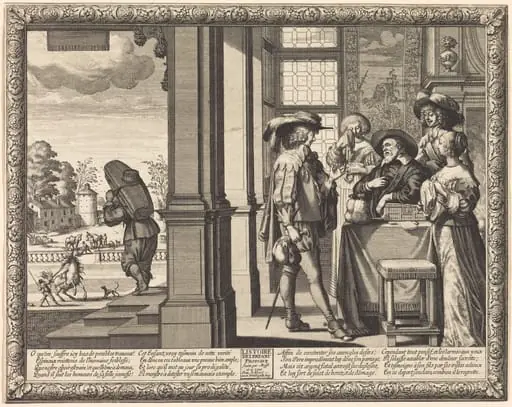
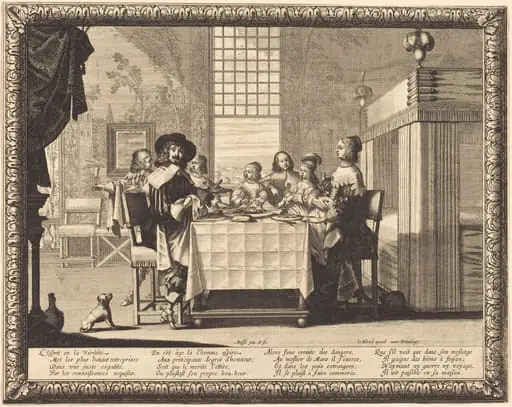
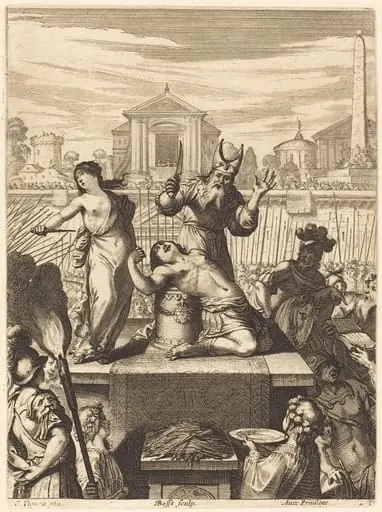
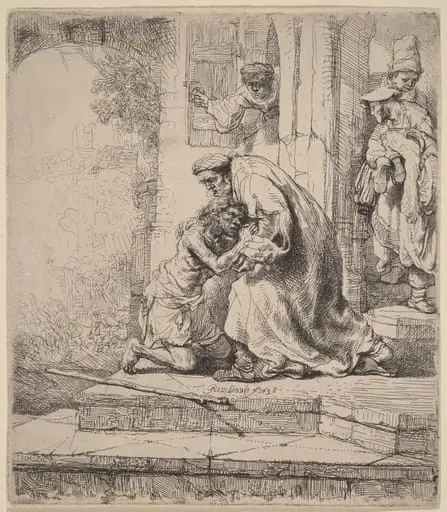 Return of the Prodigal Son
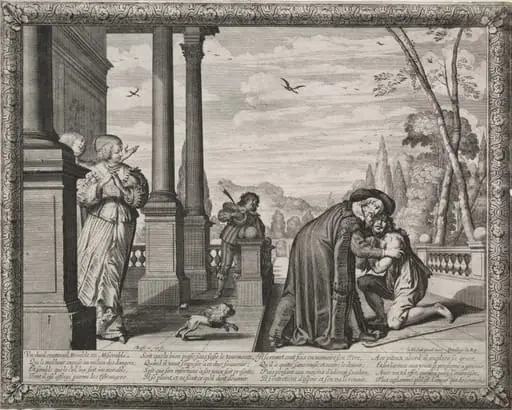 The Prodigal Son: The Return of the Prodigal
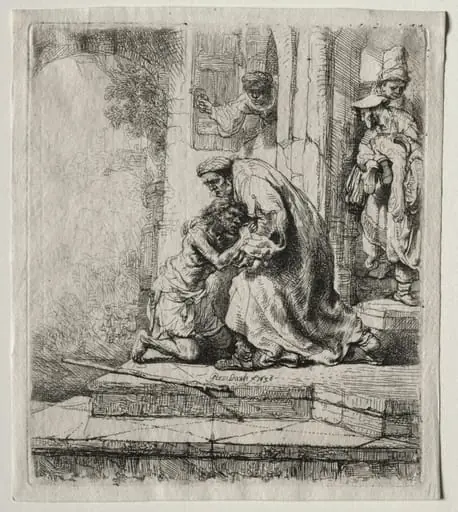 Return of the Prodigal Son
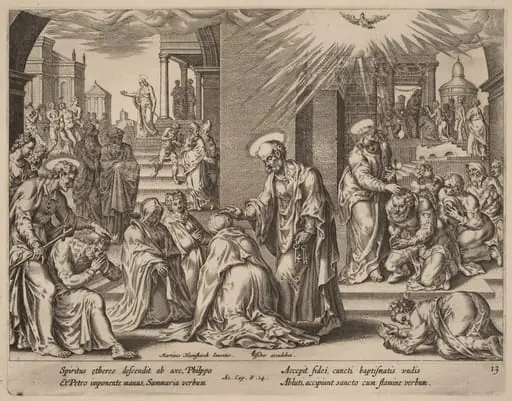 The People of Samaria Receive the Word of God
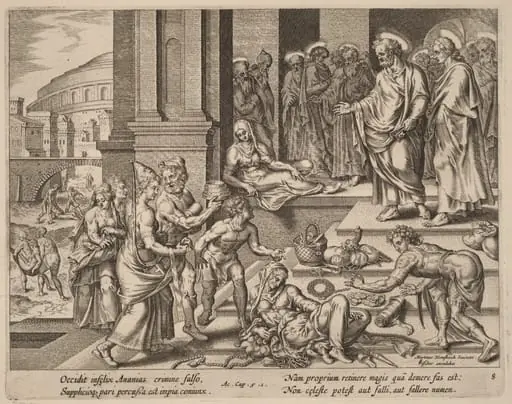 The Deaths of Ananias and Sapphira
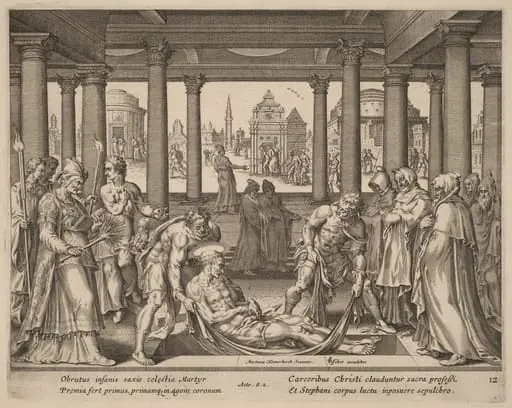 Devout Men Carrying Saint Stephen to His Burial
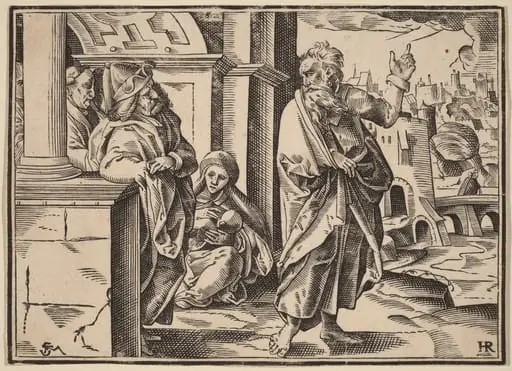 Christ Tells His Disciples of the Last Judgment
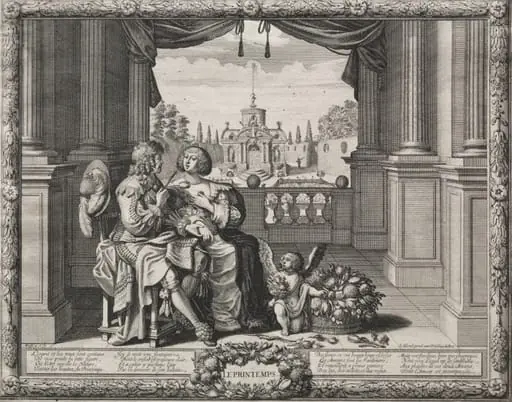 The Four Seasons: Springtime
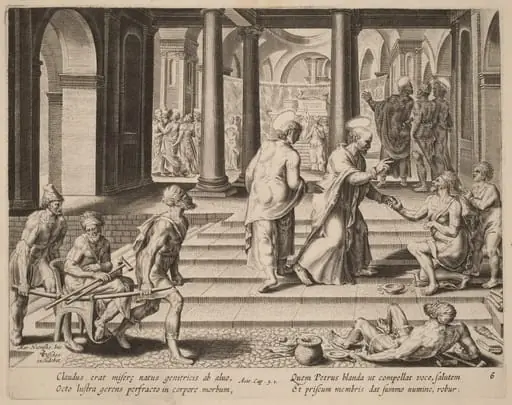 Saints Peter and John Heal a Cripple at the Gate of the Temple
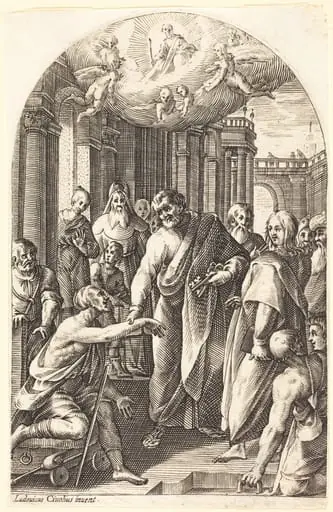 Peter and John Healing the Lame