Artwork
Ahijah and Jeroboam
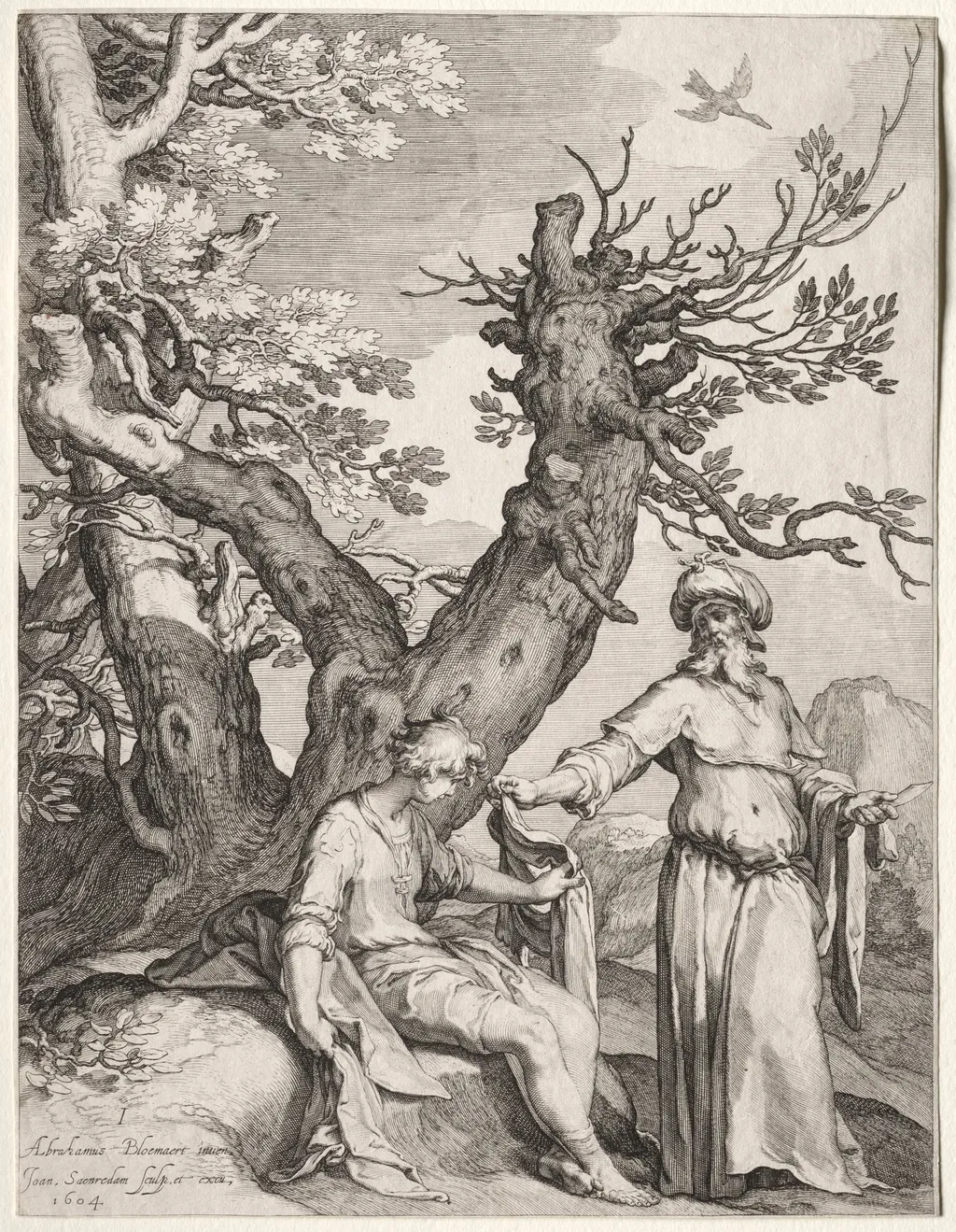
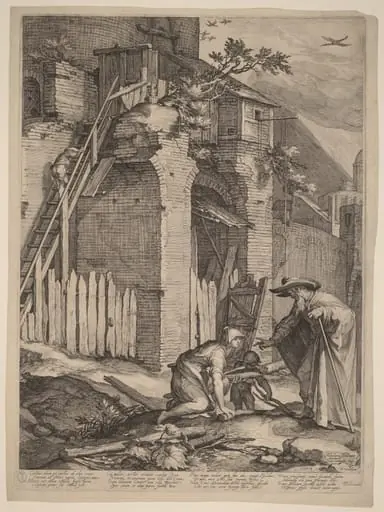
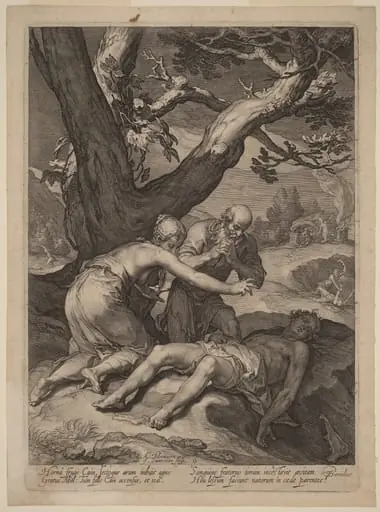
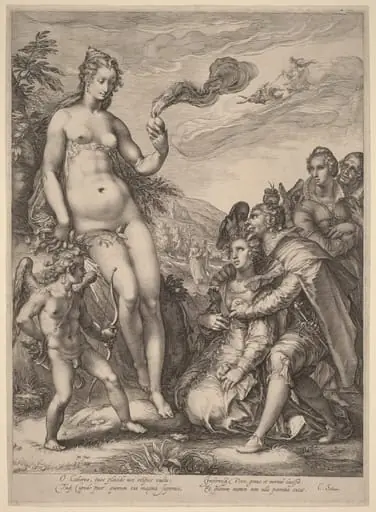
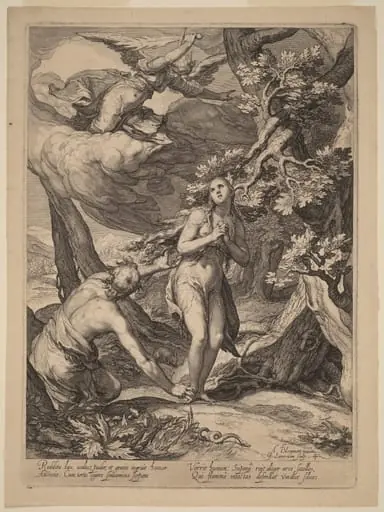
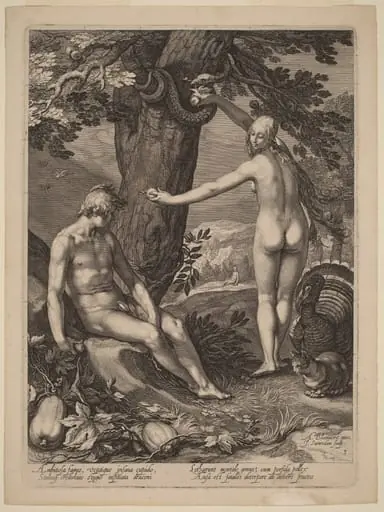
Ahijah and Jeroboam is a print by the Baroque artist Jan Pietersz Saenredam. It dates from 1604 and is held in the collection of the Cleveland Museum of Art.
About this work
The story behind this scene is from the Bible, and it's interesting because Ahijah is a lesser-known prophet.
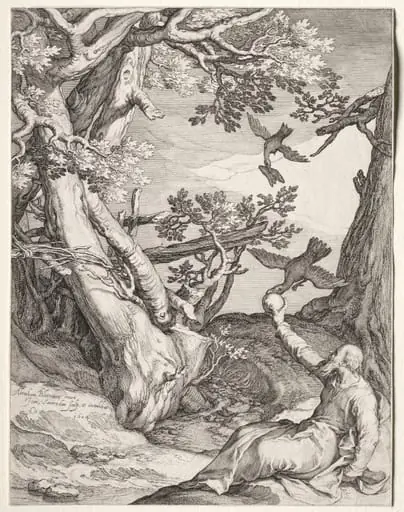
This painting shows a scene where the prophet Ahijah gives a young Jeroboam ten portions of his mantle.
The story behind this scene is from the Bible, and it's interesting because Ahijah is a lesser-known prophet. He's giving Jeroboam, a rebel leader, a new mantle, which is a symbol of something new starting.
You can learn more about this style by looking at the work of artist: Jan Saenredam (Dutch, 1565–1607).
Overview
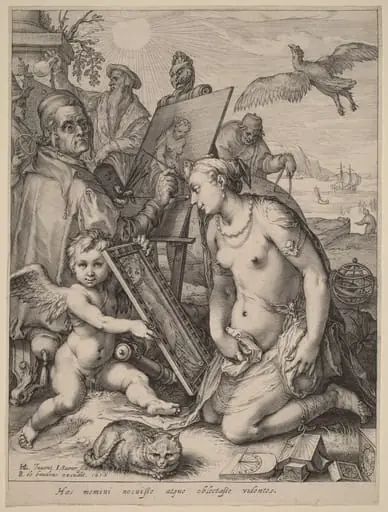
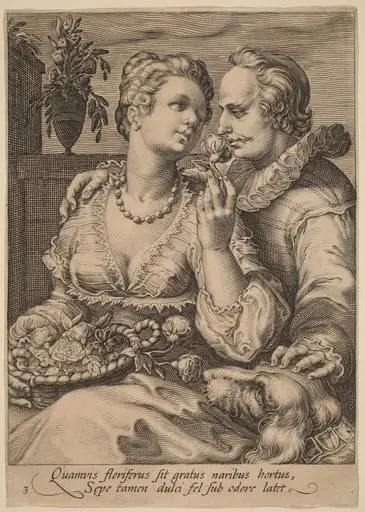
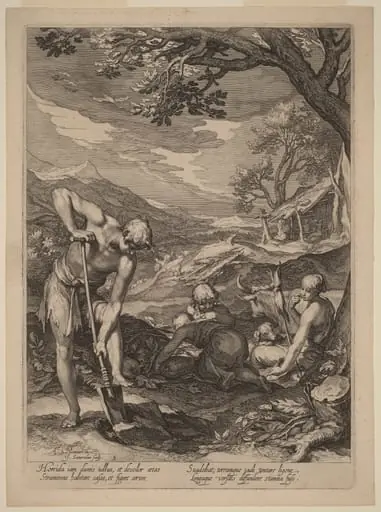
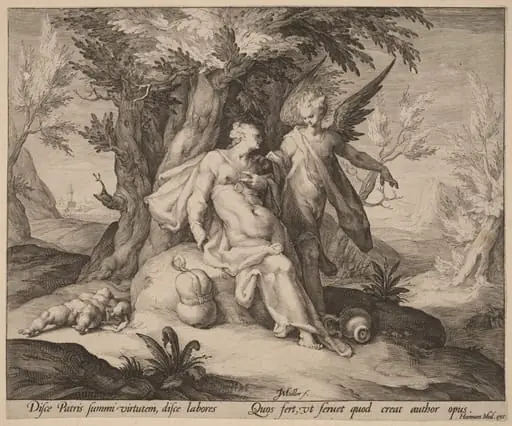
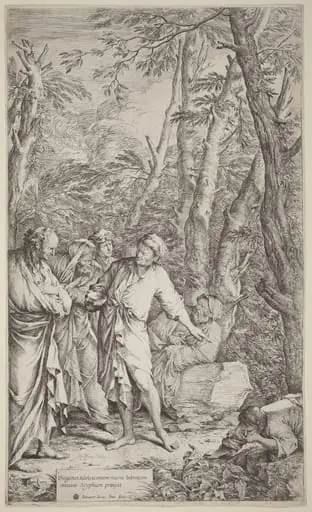
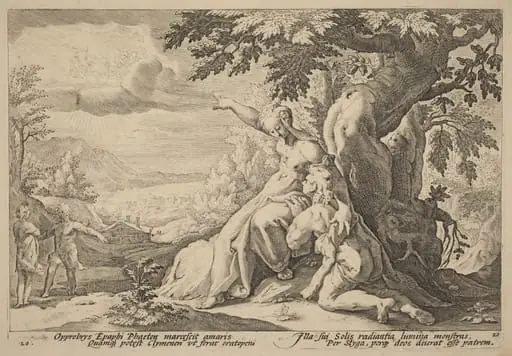
This print is one of four engravings illustrating biblical prophets, focusing on Ahijah and Jeroboam. Though Elijah was frequently depicted, Ahijah’s appearances were uncommon. The scene derives from the First Book of Kings, where Ahijah, a prophet of Israel, transfers symbolic authority to Jeroboam. The image was produced by a printmaker based on a design by Abraham Bloemaert, who did not create prints himself but influenced their dissemination through his drawings.
Subject & Meaning
Ahijah tears his new cloak into ten pieces and gives them to Jeroboam, signifying that ten of Israel’s tribes will be taken from Solomon’s line and granted to Jeroboam. This act is a divine mandate, foretelling political fragmentation and the rise of a northern kingdom. The gesture transforms fabric into prophecy—material symbolizing spiritual authority and the transfer of divine favor to a rebel leader chosen against the established monarchy.
Technique & Style
The engraving reflects the refined linear clarity typical of early 17th-century Dutch printmaking. Details in drapery, gesture, and architectural setting follow Bloemaert’s Mannerist-influenced compositions, characterized by elongated forms and dramatic tension. The print’s precision suggests collaboration with skilled engravers like Jan Saenredam, whose ability to translate painterly designs into fine-line etchings helped propagate Bloemaert’s visual language across Europe.
History & Provenance
Created around the turn of the 17th century, the print likely originated in Utrecht, where Bloemaert dominated artistic life. Though he focused on painting, his preparatory drawings were widely used by printmakers. This particular image was probably part of a series commissioned for devotional or educational use, circulating among collectors and clergy. No definitive record of its earliest ownership survives, but its style aligns with prints produced in Utrecht between 1590 and 1610.
Context
In post-Reformation Northern Europe, biblical narratives were popular subjects for prints, serving both religious instruction and moral reflection. Ahijah’s story, though obscure, resonated with themes of divine justice and political upheaval. The choice to depict him alongside Elijah—more widely recognized—may reflect a desire to elevate lesser-known prophets, aligning with Protestant emphasis on scriptural depth over traditional iconography.
Legacy
Bloemaert’s designs, including this print, helped shape the visual vocabulary of Dutch religious imagery in the early Baroque period. Though he never engraved himself, his influence endured through collaborators like Saenredam and Matham. The rarity of Ahijah’s depiction in art underscores the print’s value as an example of how niche biblical episodes were rendered accessible through print culture, preserving obscure narratives for wider audiences.
Artist & collection
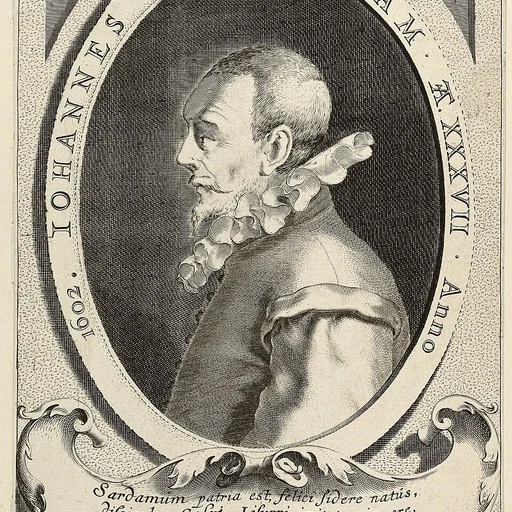
Artist
Jan Pieterszoon (abbr. Pietersz.) Saenredam (c. 1565 – 6 April 1607) was a Dutch Northern Mannerist painter, printmaker in engraving, and cartographer, and father of the painter of church interiors, Pieter Jansz…