Artwork
The Ruins of the Colosseum
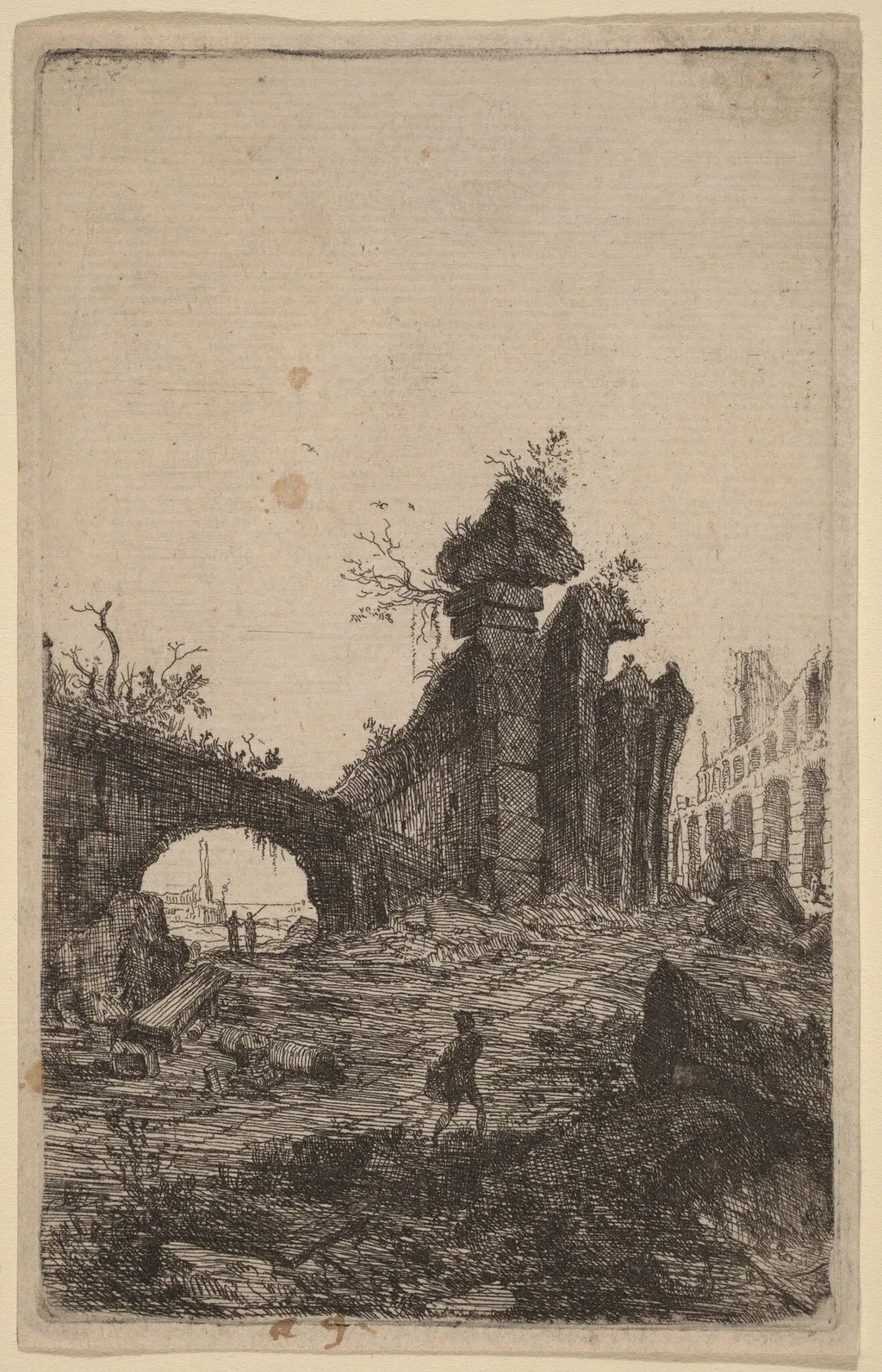
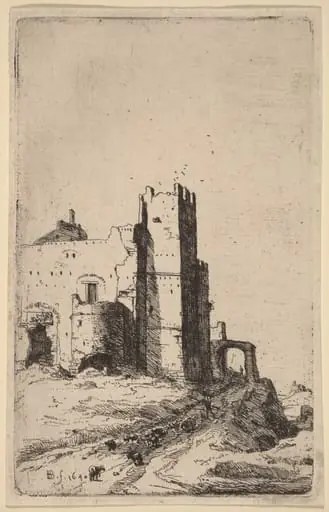
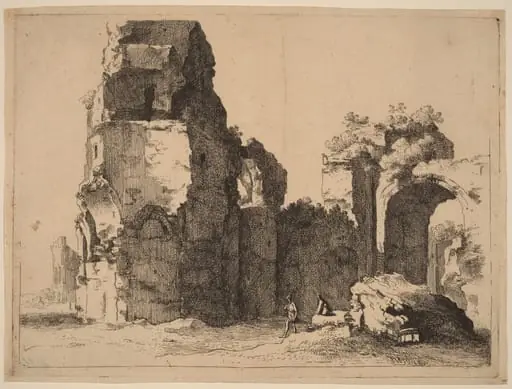
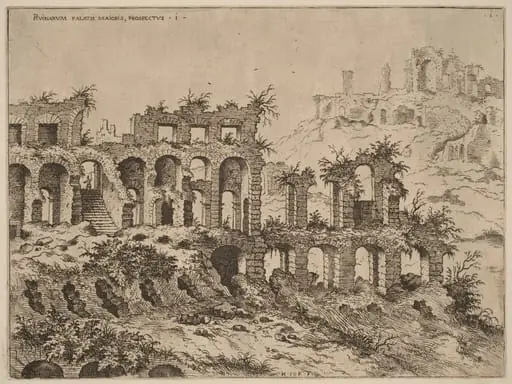
The Ruins of the Colosseum is an ink print by the Renaissance artist Bartholomeus Breenbergh. It dates from 1628 and is held in the collection of the National Gallery of Art.
About this work
Overview
Bartholomeus Breenbergh’s 1628 etching titled The Ruins of the Colosseum presents a meticulously rendered view of the ancient amphitheater in Rome.
Bartholomeus Breenbergh’s 1628 etching titled The Ruins of the Colosseum presents a meticulously rendered view of the ancient amphitheater in Rome. The print captures the weathered arches and columns of the structure, emphasizing the passage of time through its stark, unpopulated setting. The work exemplifies the early‑modern interest in antiquity and the practice of documenting historic sites through printmaking.
Subject & Meaning
The image focuses on the decayed remains of the Colosseum, highlighting its skeletal framework of arches and pillars. By omitting figures and activity, the composition invites contemplation of the monument’s former grandeur and its present silence, reflecting a broader fascination with the transience of human achievement that was common among 17th‑century artists.
Technique & Style
Executed as an etching, the print relies on acid‑etched lines on a copper plate to achieve fine detail and tonal variation. Breenbergh’s hand is evident in the precise rendering of architectural elements, with delicate hatching that conveys texture and depth. The monochrome palette underscores the structural clarity typical of Northern European printmakers of the period.
History & Provenance
Created in 1628, the work likely stems from Breenbergh’s own observations made during a visit to Rome, a journey many Dutch artists undertook to study classical ruins firsthand. The etching entered European collections shortly after its production, circulating among connoisseurs of antiquarian subjects and contributing to the spread of Roman imagery in Northern art.
Artist & collection


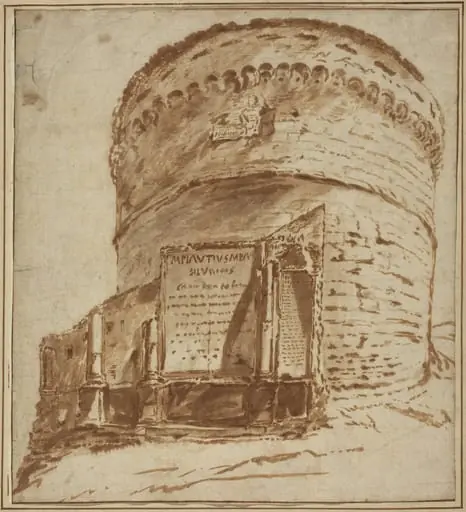
![The Fantastic Rocks and Castle at Bomarzo [verso], by Bartholomeus Breenbergh](https://artifactworldgallery.com/img/bartholomeus-breenbergh--the-fantastic-rocks-and-castle-at-bomarzo-verso--5a96047e30ba1d0f-w320.webp)
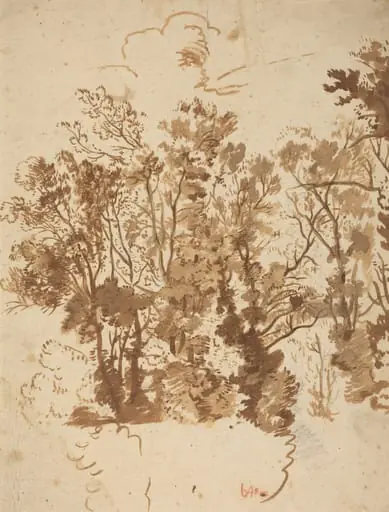
![The Fantastic Rocks and Castle at Bomarzo [recto], by Bartholomeus Breenbergh](https://artifactworldgallery.com/img/bartholomeus-breenbergh--the-fantastic-rocks-and-castle-at-bomarzo-recto--e05f03da6f1f9c0a-w320.webp)