Artwork
Tomb of Plautius
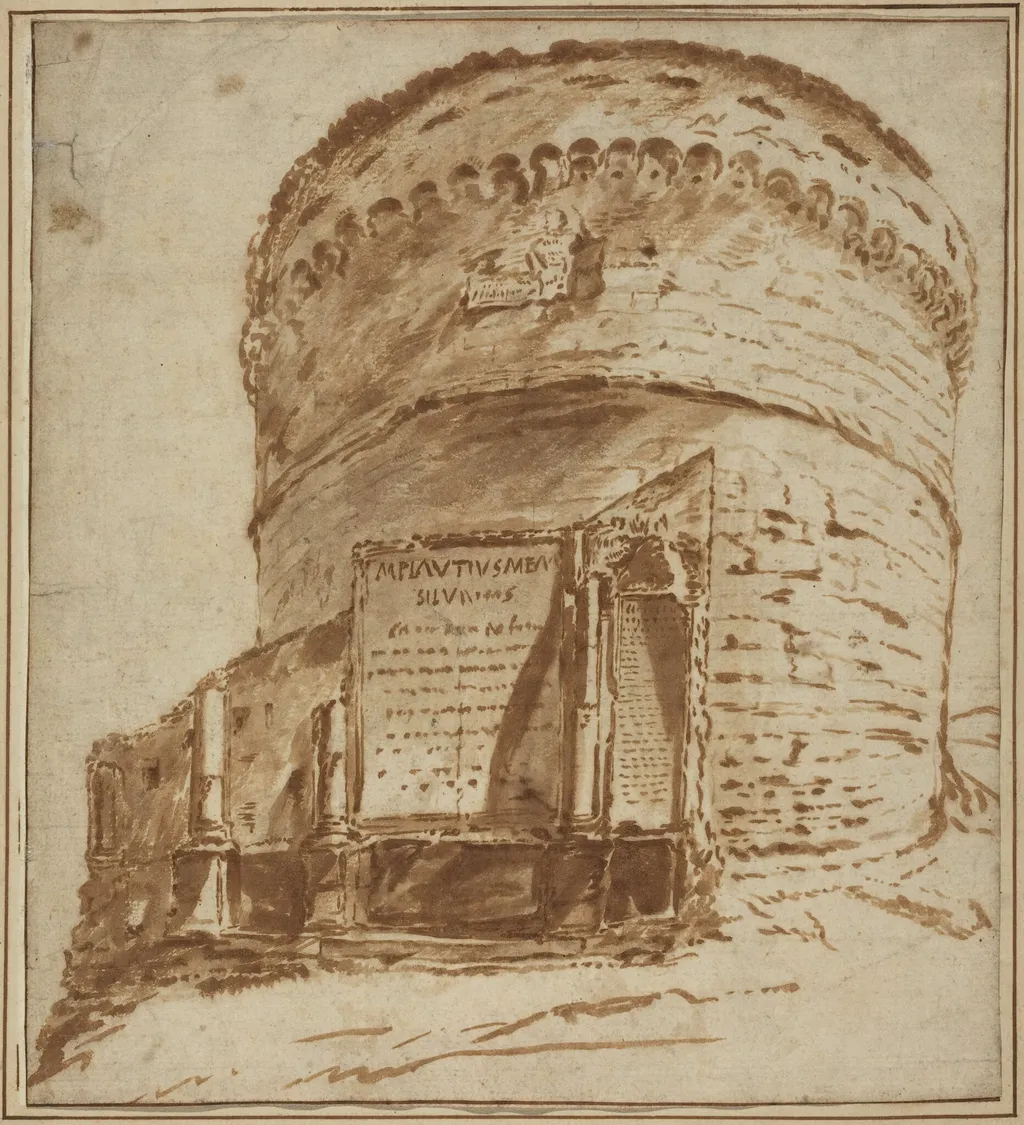
Tomb of Plautius is a drawing by the Renaissance artist Bartholomeus Breenbergh. It dates from 1628 and is held in the collection of the National Gallery of Art.
About this work
Overview
Created in 1628 by Bartholomeus Breenbergh, this drawing renders the Tomb of the Plautii using brown wash on laid paper. It belongs to a series of antiquarian studies made during the artist’s time in Rome. The work captures an ancient funerary monument with careful attention to its weathered form, emphasizing its presence through tonal contrast rather than detailed line work.
Subject & Meaning
The subject is a Roman tomb associated with the Plautii family, a noble gens of the Republic. Breenbergh depicts it as a solitary, crumbling structure, its grandeur diminished by time. The surrounding vegetation—trees and shrubs—suggests nature’s reclamation of human monuments, evoking themes of mortality and the passage of centuries without overt symbolism.
Technique & Style
Breenbergh employed brown wash to model form and atmosphere, allowing gradations of tone to define the tomb’s architecture and the soft recession of the background. The technique avoids sharp outlines, instead using layered washes to suggest texture and depth. This approach aligns with northern European traditions of topographical drawing, prioritizing mood over archaeological precision.
History & Provenance
The drawing was made during Breenbergh’s stay in Rome, where he studied classical ruins alongside other Dutch and Flemish artists. It likely served as a preparatory study or personal record rather than a commissioned piece. The work remained in private collections in the Netherlands before entering a public collection, where it is now preserved as an example of 17th-century antiquarian interest.
Context
In the early 17th century, Northern European artists increasingly traveled to Italy to study ancient monuments. Breenbergh’s drawing reflects this trend, situating the Tomb of the Plautii within a broader cultural fascination with Roman antiquity. Unlike later neoclassical renderings, his approach is contemplative, focusing on decay and quiet endurance rather than idealized form.
Legacy
This drawing contributes to a body of work that helped shape Northern European perceptions of Roman ruins. Though not widely exhibited, it exemplifies how artists translated archaeological observation into intimate, atmospheric studies. Its restrained aesthetic influenced later topographical draftsmen who sought to capture the emotional weight of ancient sites over their architectural accuracy.
Artist & collection


![The Fantastic Rocks and Castle at Bomarzo [verso], by Bartholomeus Breenbergh](https://artifactworldgallery.com/img/bartholomeus-breenbergh--the-fantastic-rocks-and-castle-at-bomarzo-verso--5a96047e30ba1d0f-w320.webp)
![The Fantastic Rocks and Castle at Bomarzo [recto], by Bartholomeus Breenbergh](https://artifactworldgallery.com/img/bartholomeus-breenbergh--the-fantastic-rocks-and-castle-at-bomarzo-recto--e05f03da6f1f9c0a-w320.webp)
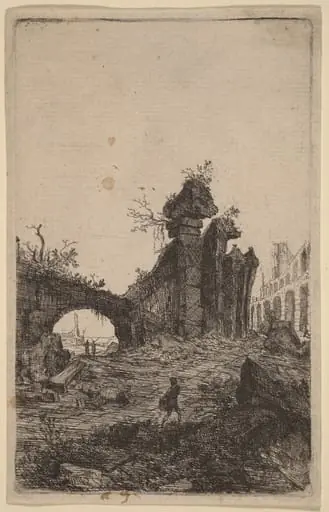
 Ruins on the Palatine Hill
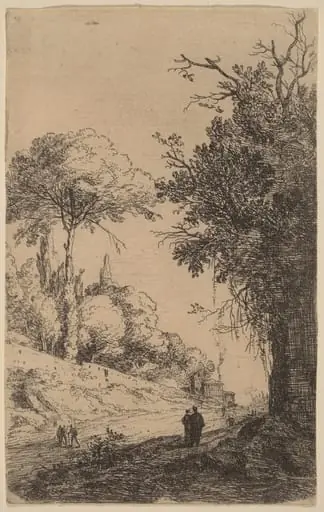
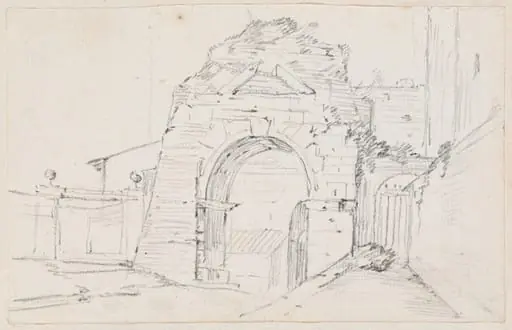 Arch of Drusus near the Appian Way
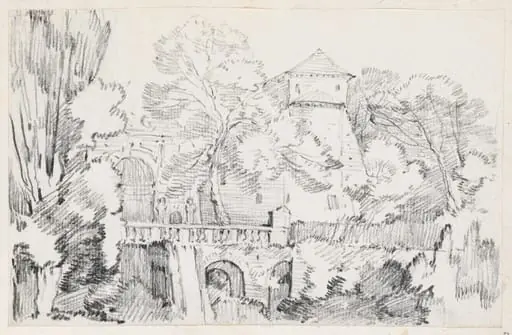 The Water Organ in the Gardens of the Villa d'Este, Tivoli
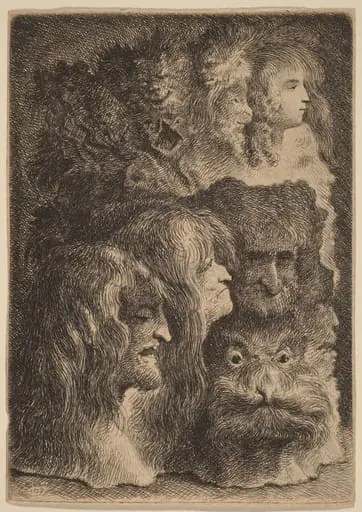
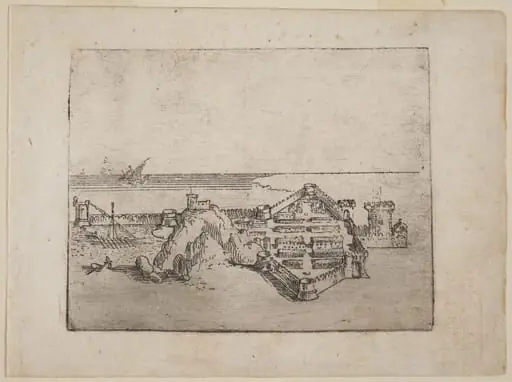 From "Bizzarie di varie Figure"
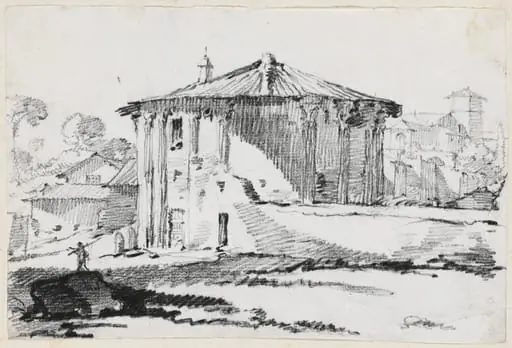 The Round Temple on the Piazza Bocca della Verità, Rome
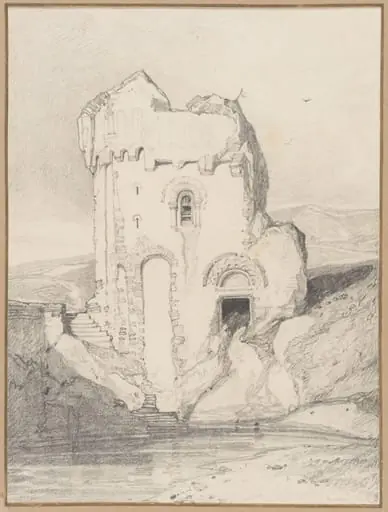 Remains of the Chateau de Mortimer, near Les Andelys, France
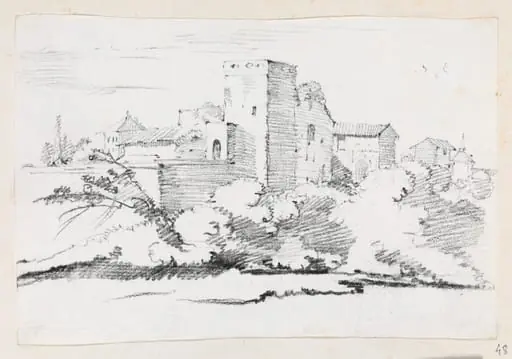 Buildings behind the Vatican
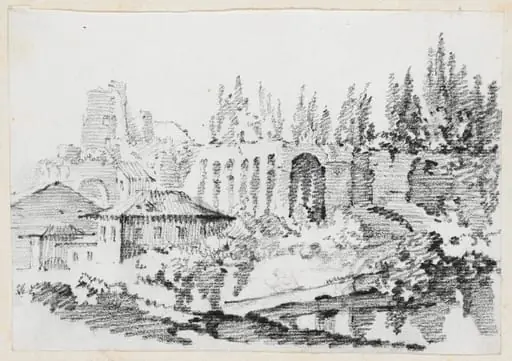 Ruins of the Imperial Palaces on the Palatine Hill
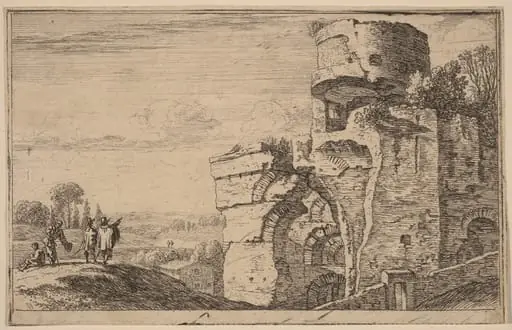
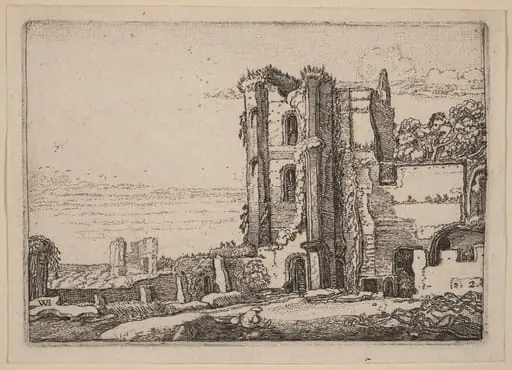 Ruined Tower Right of Center
 Landscape with Ruins
 Ruins of the Temple of Venus and Rome in the Forum