Artwork
The Stream in the Gorge
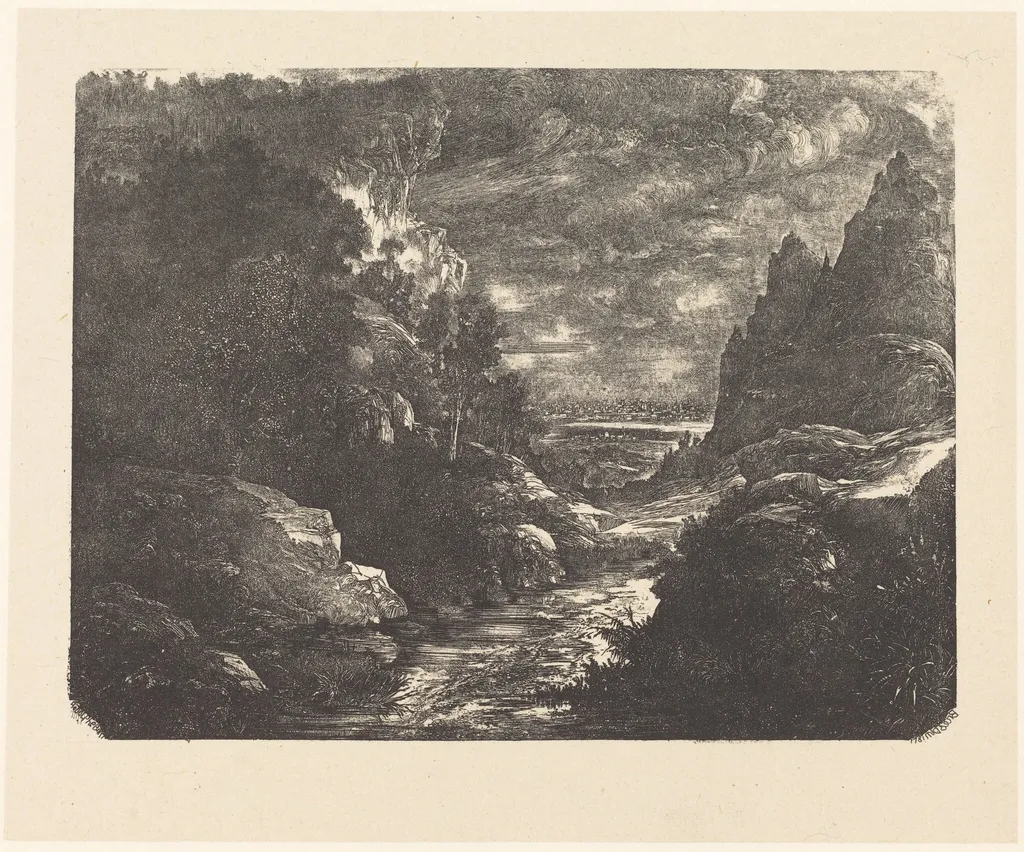
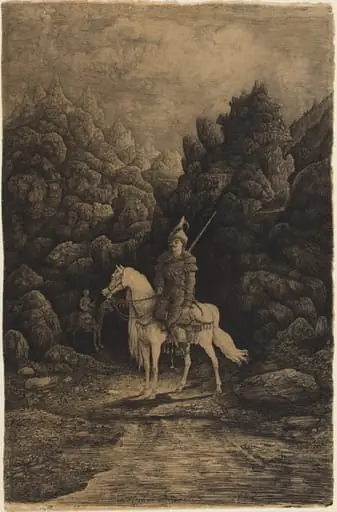
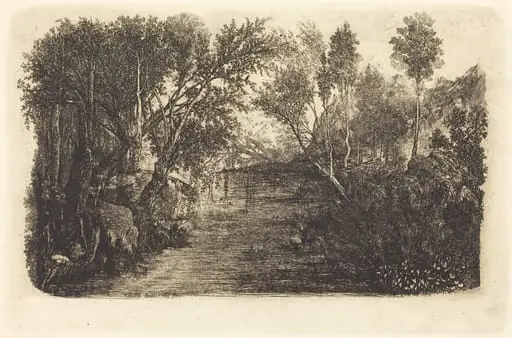
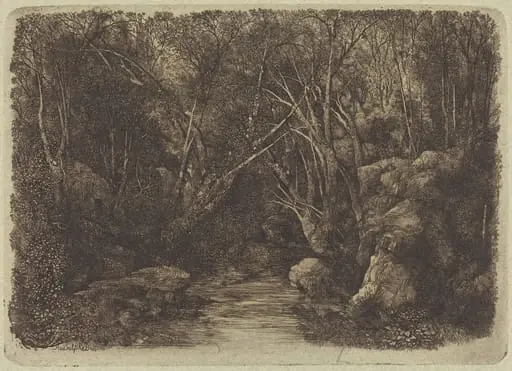
The Stream in the Gorge is an ink print by the Impressionist artist Rodolphe Bresdin. It dates from 1880 and is held in the collection of the National Gallery of Art.
About this work
Overview
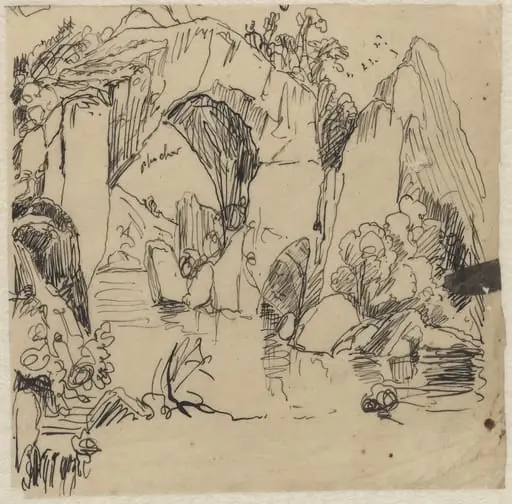
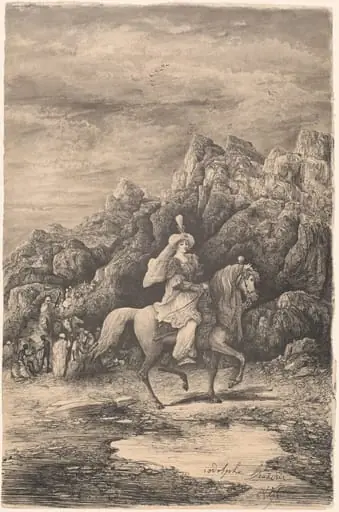
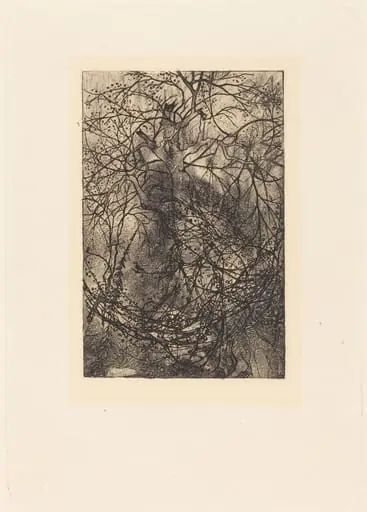
The Stream in the Gorge is a transfer lithograph created by French artist Rodolphe Bresdin in 1880. Characterized by its serene landscape, the work features a stream flowing through a densely forested gorge, rendered in predominantly dark, muted tones with subtle light accents.
Subject & Meaning
The subject is a natural, isolated landscape, emphasizing the interaction of light and shadow within a rugged, wooded environment. The scene conveys a sense of tranquility and depth, inviting contemplation.
Technique & Style
Bresdin employed transfer lithography to achieve intricate details, evident in the meticulously rendered foliage, trees, and rocky foreground. The use of chiaroscuro enhances the three-dimensional quality of the landscape, guiding the viewer's gaze inward.
History & Provenance
Created in 1880 by Rodolphe Bresdin, a figure associated with Paris's bohemian circle (including Baudelaire and Hugo), the work reflects the artist's penchant for detailed, immersive landscapes despite his life of financial hardship and wanderings.
Context
While reminiscent of Impressionist explorations of light, Bresdin's style in *The Stream in the Gorge* leans more towards meticulous, detailed rendering, setting it apart from the broader Impressionist movement's emphasis on capturing fleeting outdoor light.
Legacy
As one of Bresdin's notable works, *The Stream in the Gorge* contributes to the artist's legacy as a meticulous draughtsman and engraver, appreciated for his ability to evoke depth and serenity in intricate, natural landscapes.
Own this work as a print
Artist & collection

Artist
Rodolphe Bresdin (12 August 1822 – 11 January 1885) was a French draughtsman and engraver.