Artwork
The Alpine Vulture
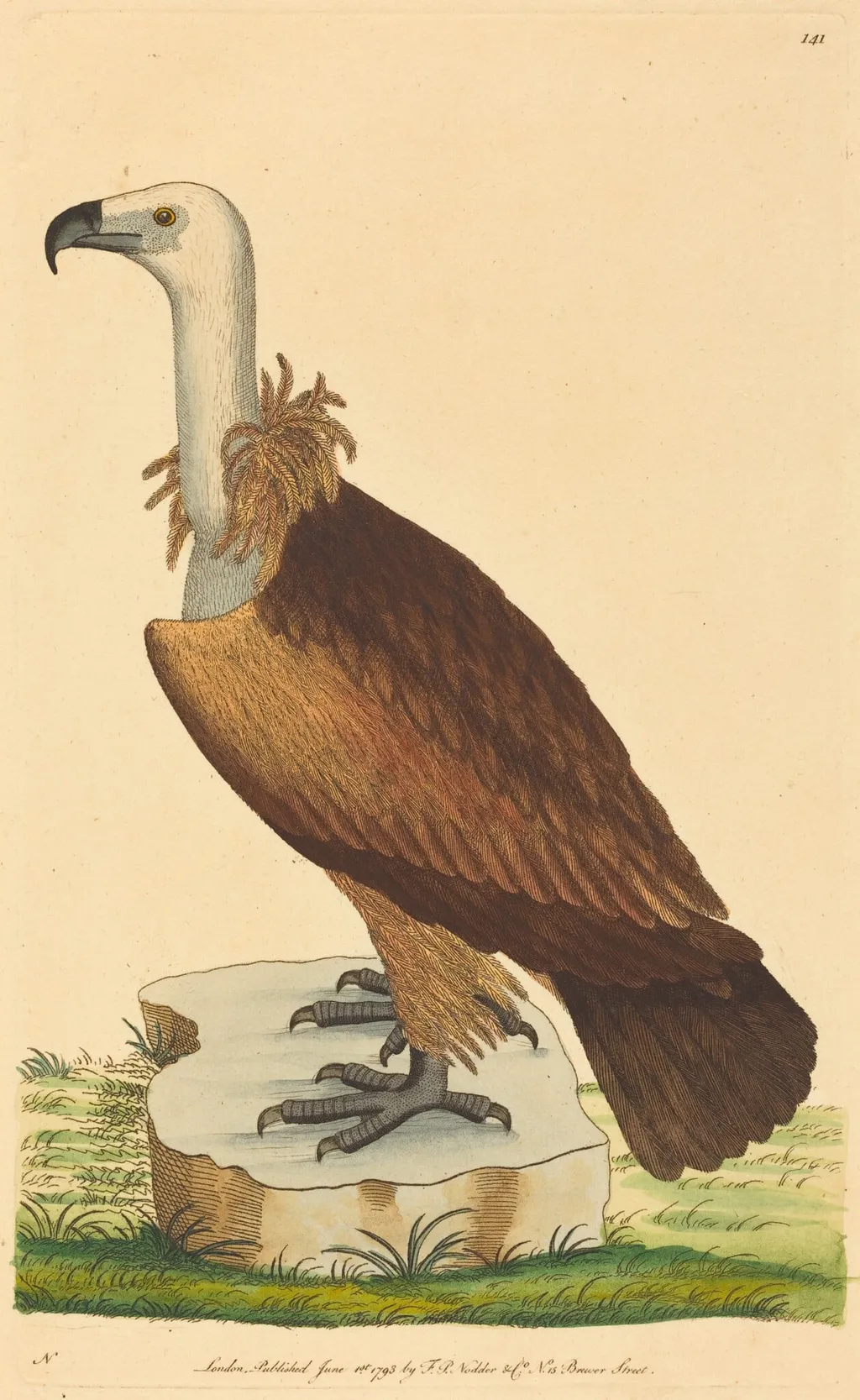
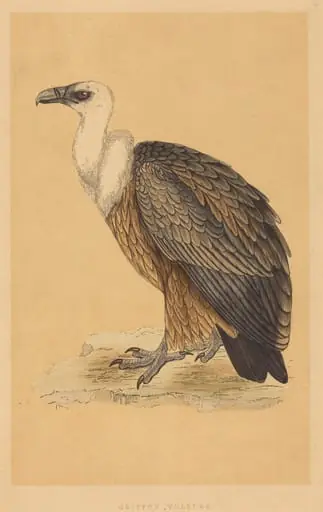
The Alpine Vulture is an ink print by the Romanticist artist British 18th Century. It is held in the collection of the National Gallery of Art.
About this work
Overview
The work titled “The Alpine Vulture” is a hand‑colored etching that presents a solitary bird perched on a craggy ledge amid a stark, mountainous landscape. Dark, receding shadows dominate the background, giving the scene a cold, remote atmosphere, while the bird’s form is rendered with precise line work and subtle coloration.
Subject & Meaning
At the center of the composition, a vulture rests on a rocky outcrop, its hooked beak and feathered plumage clearly delineated. The isolation of the bird against the rugged terrain suggests themes of endurance and the harshness of alpine environments, inviting contemplation of the creature’s adaptation to such stark surroundings.
Technique & Style
The image was produced through traditional etching, then enhanced by hand‑applied color—a practice uncommon in avian prints of the period. Fine brushes were used to tint the wings and other details, adding depth without overwhelming the line work. The artist balances intricate rendering of the bird with expansive, unfilled space, creating a measured visual tension.
History & Provenance
Hand‑coloring in bird prints was a costly addition in the era of this work, indicating that the piece was likely intended for a discerning collector or a specialized publication. While specific ownership records are not provided, similar prints of the time were often circulated among natural history enthusiasts and institutions.
Artist & collection

Artist
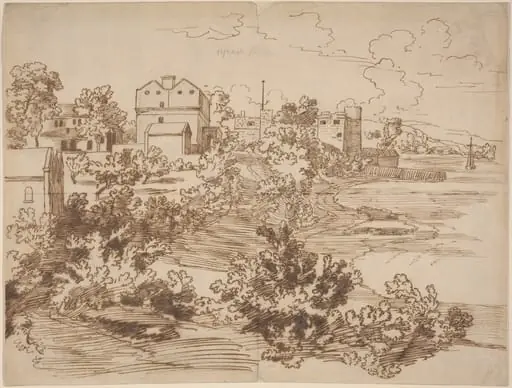
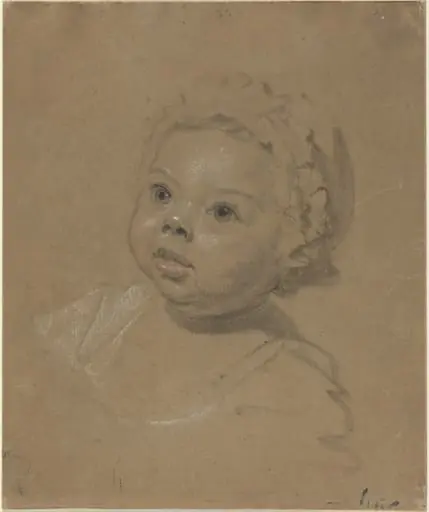
This artist left small, precise pictures from 18th-century Britain—buildings, faces, and landscapes etched or drawn in ink and chalk.