Artwork
The East Prospect of the City of Philadelphia, in the Province of Pennsylvania
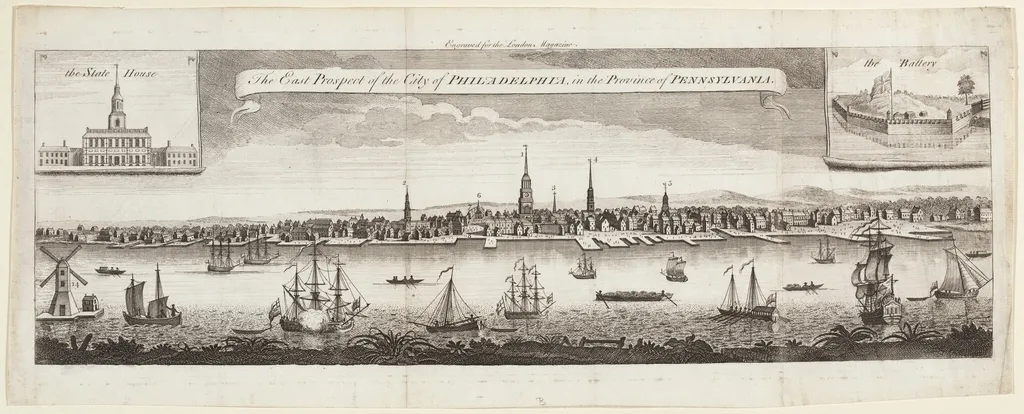
The East Prospect of the City of Philadelphia, in the Province of Pennsylvania is an ink print by the Romanticist artist British 18th Century. It is held in the collection of the National Gallery of Art. The work is an engraving executed on laid paper, presenting a panoramic view of Philadelphia as it appeared in the colonial era.
About this work
Overview
The work is an engraving executed on laid paper, presenting a panoramic view of Philadelphia as it appeared in the colonial era. A river dominates the foreground, dotted with a variety of vessels, while the shoreline is lined with buildings that recede toward a distant skyline. A church steeple rises among the far structures, and a cloud‑filled sky arches above the scene.
Subject & Meaning
The image records the urban layout and maritime activity of Philadelphia in the Province of Pennsylvania, emphasizing the city’s role as a commercial hub on the river. By juxtaposing bustling waterways with the orderly arrangement of streets and public buildings, the print conveys both the economic vitality and the orderly civic planning characteristic of the settlement.
Technique & Style
Created through intaglio engraving, the artist employed fine cross‑hatching to render textures of stone façades, wooden hulls, and atmospheric clouds. The use of laid paper, with its visible ribbed pattern, adds subtle tonal variation. These technical choices generate a sense of depth, allowing the viewer to discern reflective water surfaces and the gradations of distance across the cityscape.
History & Provenance
The print dates from the eighteenth century, a period when engravings served as primary visual records of colonial towns. While the specific engraver remains unidentified, the work likely originated from a local workshop that produced images for both residents and prospective settlers, circulating as a means of promoting the city’s growth.
Context
Philadelphia’s eastward outlook reflects its position along the Delaware River, a critical artery for trade and communication in the British colonies. The inclusion of varied boat types and the prominent church steeple mirrors the mixed religious and commercial character of the settlement during a time of expanding transatlantic exchange.
Artist & collection

Artist
This artist left small, precise pictures from 18th-century Britain—buildings, faces, and landscapes etched or drawn in ink and chalk.

 H Beard Print Collection
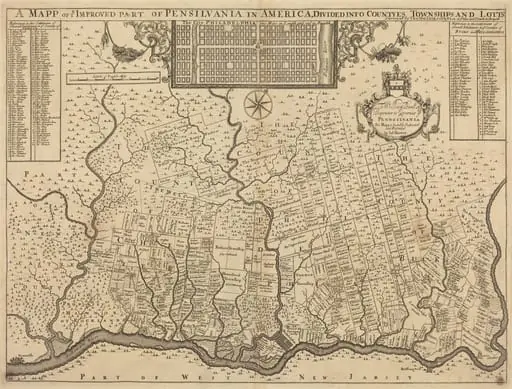 A mapp of ye improved part of Pensilvania in America, divided into countyes, townships and lotts
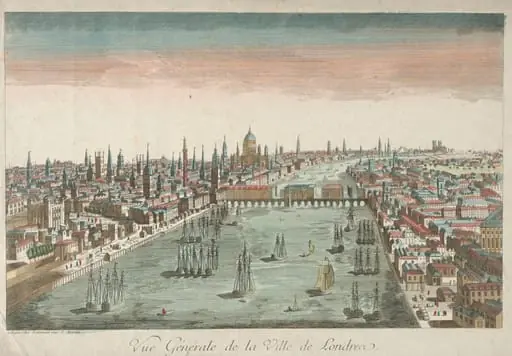 General View of London
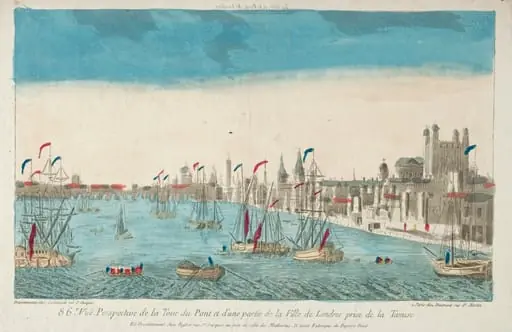 View of London Bridge and Tower
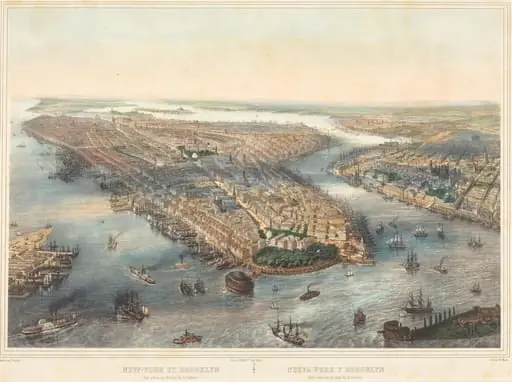 New York et Brooklyn - Vue prise au dessus dela batterie
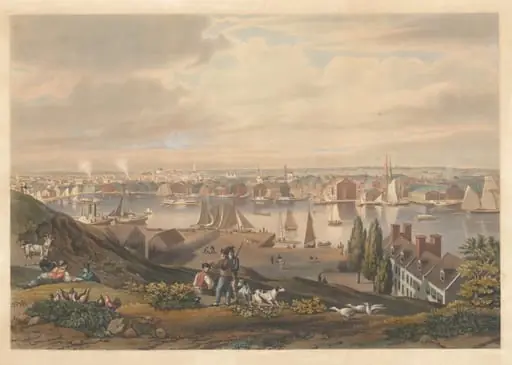 Baltimore from Federal Hill
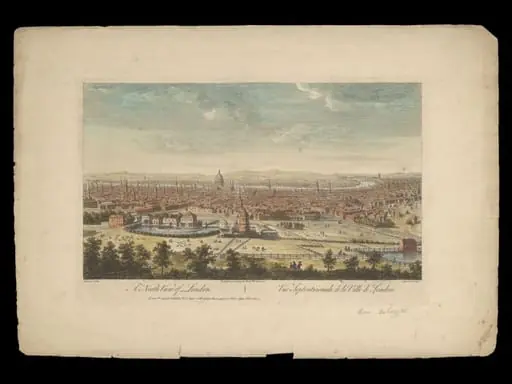 H Beard Print Collection
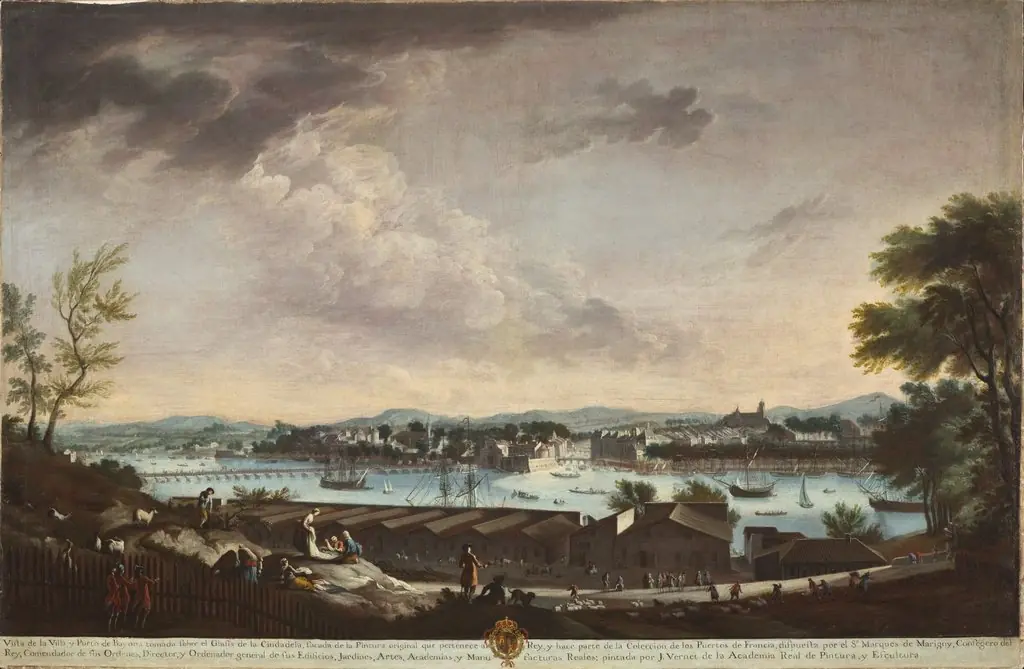 View of the Town and Port of Bayonne (La villa y puerto de Bayona)
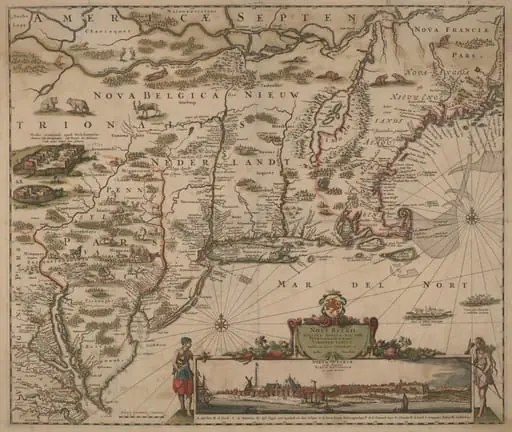 Novi Belgii Novaeque Angliae nec non Pennsylvaniae et partis Virginiae tabula multis in locis emendata
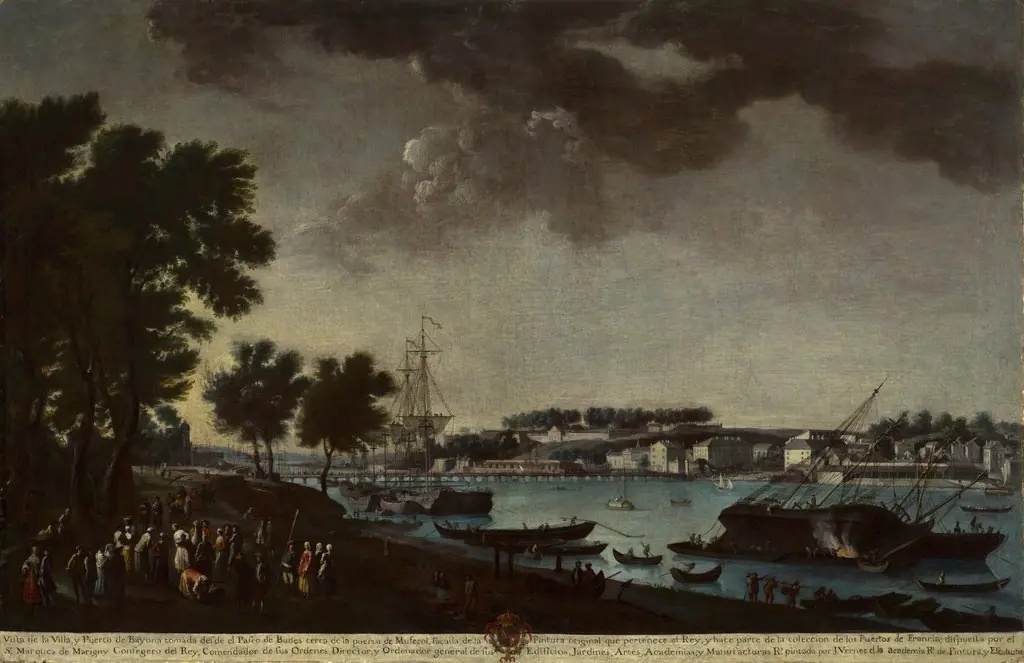 View of the Town and Port of Bayonne from the Pathways of Boufflers (La villa y puerto de Bayona tomada desde el paseo de Boufflers)
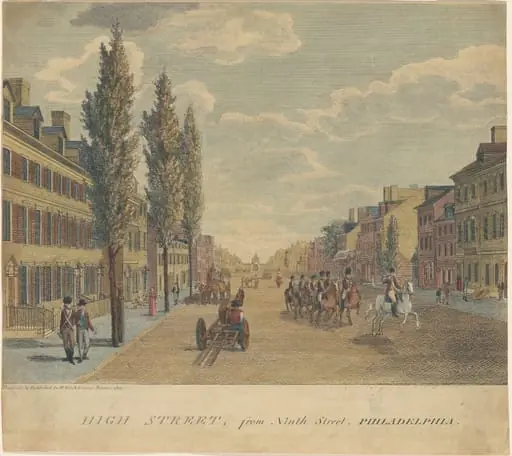 High Street, from Ninth Street, Philadelphia
![View of Venice [lower left block], by Jacopo de' Barbari](https://artifactworldgallery.com/img/jacopo-de-barbari--view-of-venice-lower-left-block--b7faa7641398e98e-w320.webp) View of Venice [lower left block]
View of Venice [lower left block]