Artwork
If It's Empty Take It
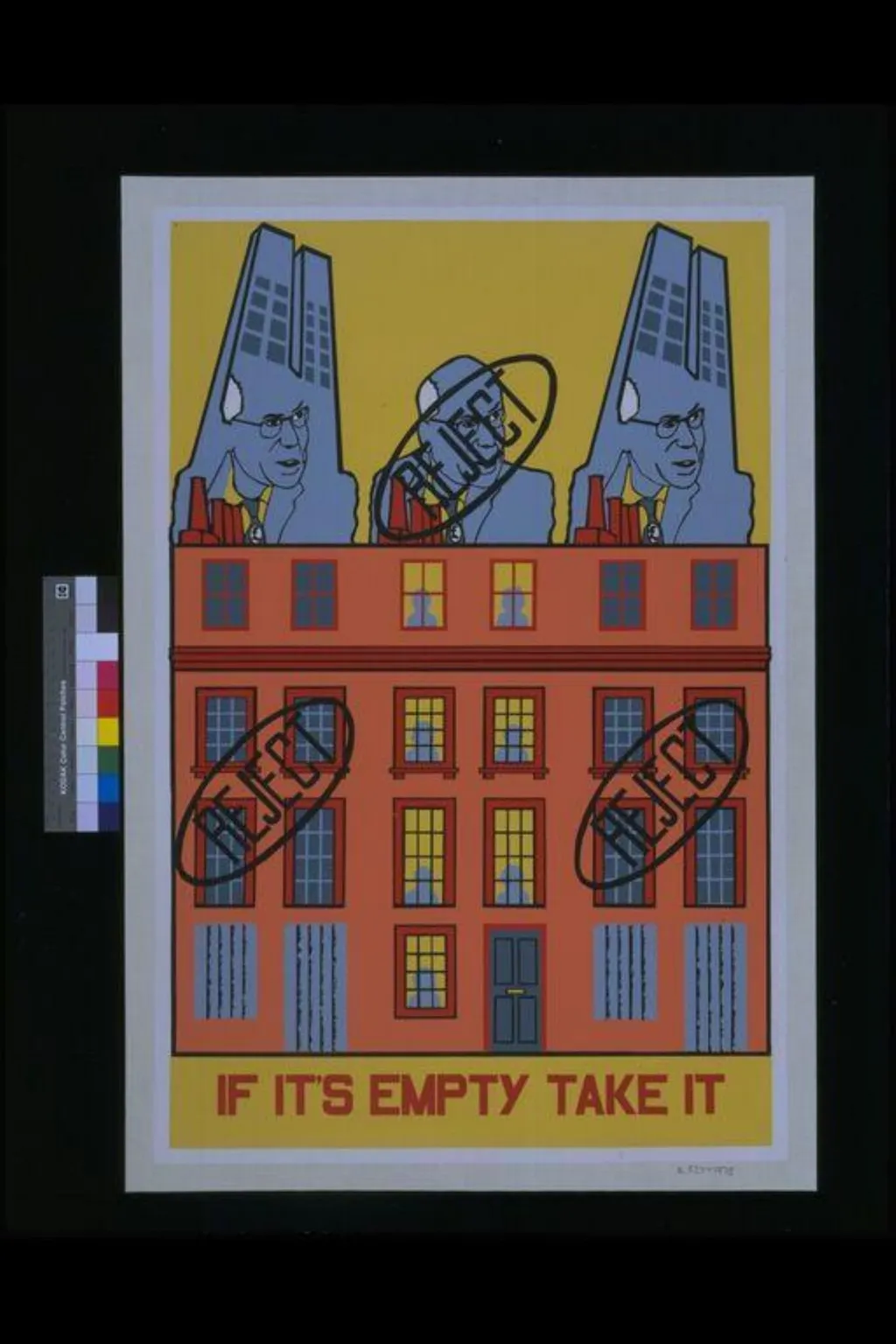
If It's Empty Take It is a poster by Bernadette Brittain. It dates from 1974 and is held in the collection of the Victoria and Albert Museum.
About this work
This poster from 1974 says, “If It's Empty Take It.”
It was made by Bernadette Brittain for Red Dragon Print Collective.
They wanted people to know their rights when housing got hard.
Brittain pushed for cheaper homes and fair rent.
Empty buildings? The poster told locals to use them.
Check out the Victoria and Albert Museum next time you’re in London.
Overview
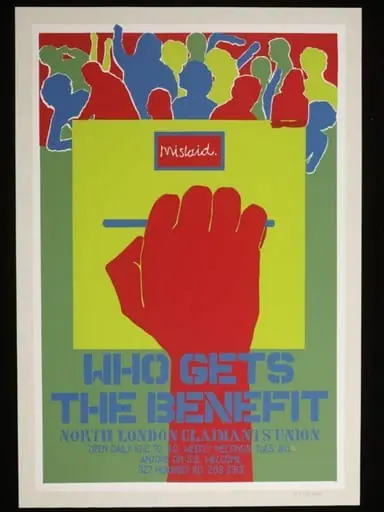
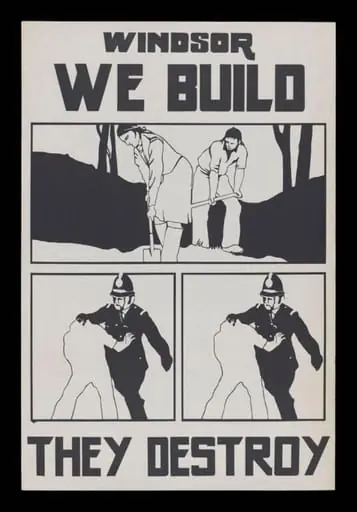
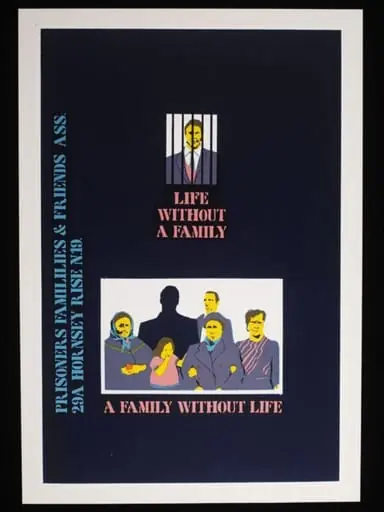
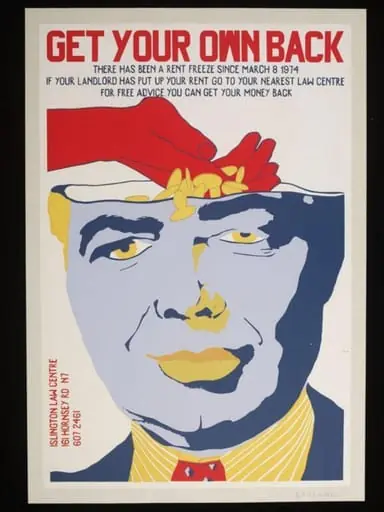
Designed as a tool for social engagement, it responded to acute housing shortages and rising rents by advocating direct action.
Created in 1974 by Bernadette Brittain for the Red Dragon Print Collective, this poster emerged from a network of British community-based print workshops active during the 1970s. Designed as a tool for social engagement, it responded to acute housing shortages and rising rents by advocating direct action. Its blunt message—'If It's Empty Take It'—reflected a grassroots effort to challenge property norms and empower marginalized communities to reclaim unused space.
Subject & Meaning
The poster addresses the crisis of vacant buildings amid widespread homelessness, urging people to occupy unoccupied properties as a form of protest and survival. It frames squatting not as criminality but as a legitimate response to systemic neglect. The directive is stripped of ornamentation, prioritizing clarity and urgency. Its intent was to inform, mobilize, and assert the right to shelter over the right to property.
Technique & Style
Produced using screen printing, the poster employs bold, high-contrast typography and minimal graphic elements. The message is centered, large, and unadorned, relying on stark black text against a pale background for immediate legibility. This functional aesthetic aligns with the collective’s ethos: communication over decoration, utility over artistry. The handmade quality reinforces its origin in community workshops rather than commercial design.
History & Provenance
The Red Dragon Print Collective, based in Wales and active through the 1970s, collaborated with housing activists to produce political posters. Bernadette Brittain, a key figure in the group, focused on tenant rights and affordable housing. This poster was distributed locally in areas affected by eviction and property speculation. It entered the Victoria and Albert Museum’s collection as part of its documentation of social movements through graphic design.
Context
In the 1970s, Britain faced rising property prices, weakened tenant protections, and a decline in public housing. Landlords often left properties vacant while demand soared. Squatting became a visible tactic among homeless groups and radical housing unions. This poster emerged within a broader wave of activist design, linking visual communication to direct action in response to state and market failures.
Legacy
The poster remains a reference point in discussions of design as a tool for social justice. It exemplifies how simple visual language can convey complex political demands. While squatting as a movement has diminished, the poster’s principles—housing as a right, property as a social responsibility—continue to inform housing advocacy and design pedagogy today.
Artist & collection
Artist
These five posters came out of South Africa in 1974, sharp, black-and-white prints meant to wake people up.