Artwork
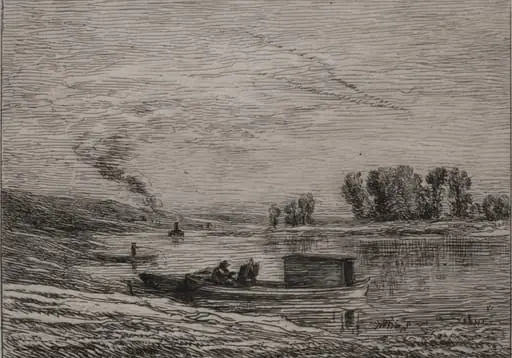
The Boat Trip: The Departure (The Return)
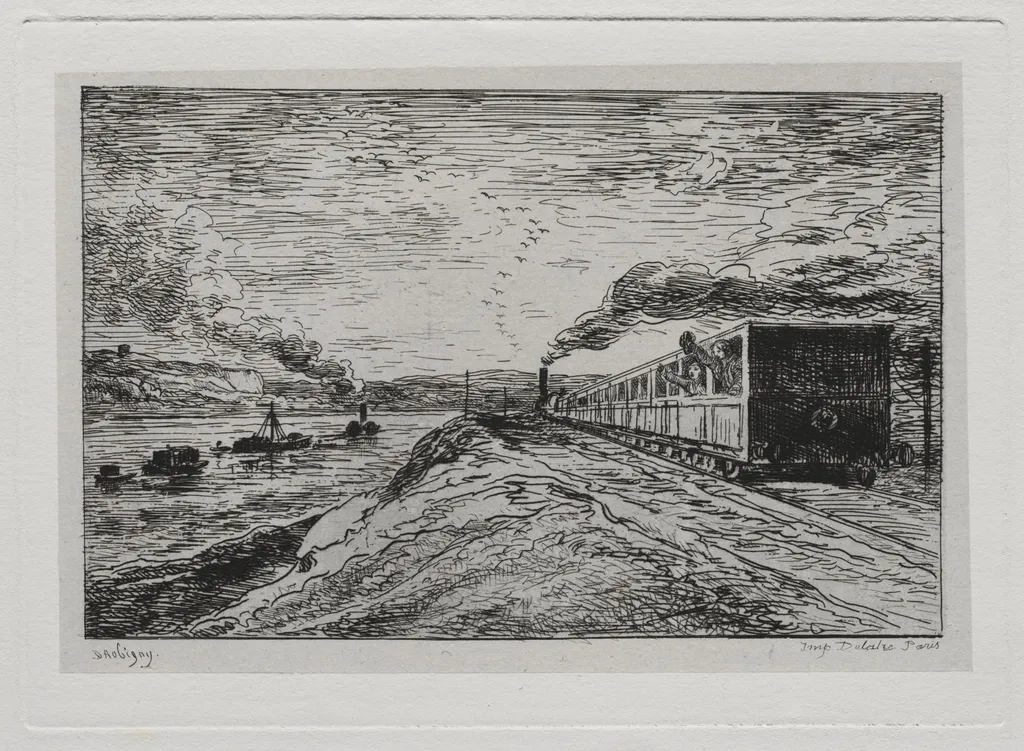
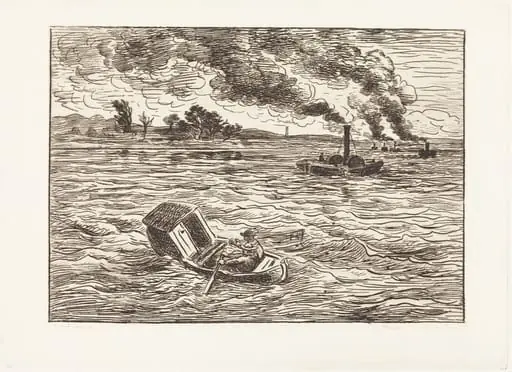
The Boat Trip: The Departure (The Return) is a work on paper by the Impressionist artist Charles François Daubigny. It dates from 1861 and is held in the collection of the Cleveland Museum of Art.
About this work
Overview
Created in 1861, *The Boat Trip: The Departure (The Return)* is a print by Charles François Daubigny, part of a portfolio exploring riverine life.
Created in 1861, *The Boat Trip: The Departure (The Return)* is a print by Charles François Daubigny, part of a portfolio exploring riverine life. Executed in ink, it reflects his interest in capturing transient natural effects and modernizing landscape representation. Daubigny’s approach bridged the Barbizon tradition with emerging observational practices that would influence later movements. The work is held in the Cleveland Museum of Art’s collection.
Subject & Meaning
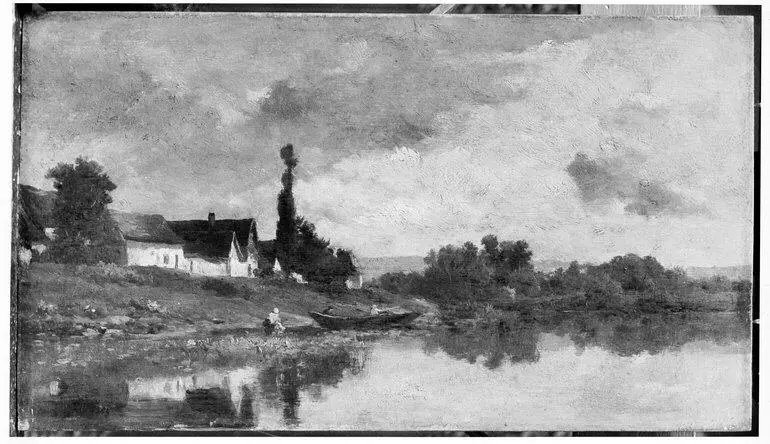
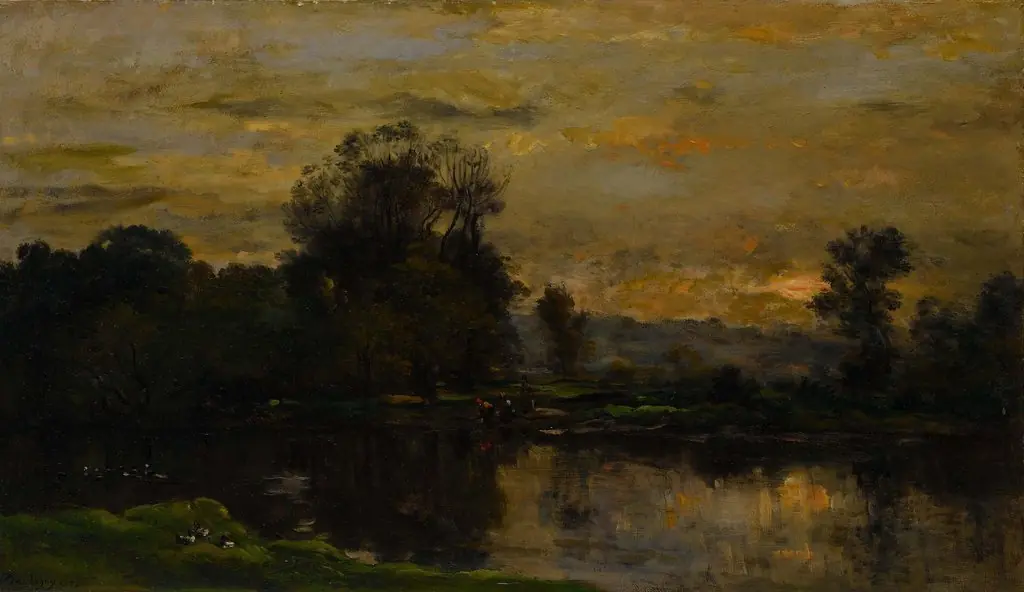
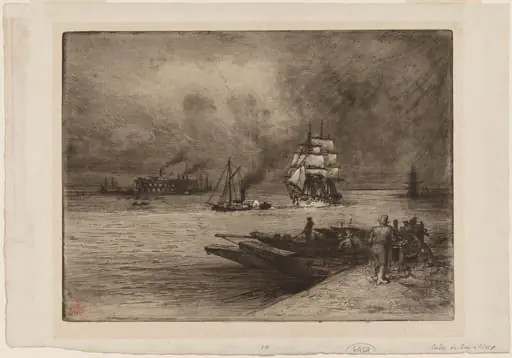
The scene depicts a quiet river at twilight, with a sailboat departing from a modest dock while smoke drifts from a nearby industrial structure. Figures on the shore suggest daily routines, and the train bridge looms as a subtle sign of encroaching modernity. The dual title implies cyclical movement—departure and return—echoing the rhythms of rural labor and transport in mid-19th-century France.
Technique & Style
Daubigny employed rapid, expressive ink strokes to render water, sky, and architecture, creating a sense of immediacy. Deep black tones define shadows and structural forms, while loose, fluid lines suggest motion and atmosphere. The composition avoids idealization, favoring a sketch-like quality that prioritizes sensory impression over polished detail, aligning with emerging realist aesthetics.
History & Provenance
The print was produced as part of a series documenting river journeys along the Oise and Seine, areas Daubigny frequented. It entered the Cleveland Museum of Art’s collection in the 20th century, likely through acquisitions focused on 19th-century French graphic art. Its preservation reflects growing institutional interest in printmaking as a legitimate medium for landscape expression.
Context
Daubigny worked during a period when artists increasingly turned to everyday scenes over historical or mythological subjects. Industrialization subtly intruded into rural landscapes, and his inclusion of smoke and infrastructure marked a shift from pure pastoralism. His direct observation of nature, often painted en plein air, positioned him as a transitional figure between Barbizon Realism and Impressionist practice.
Legacy
Daubigny’s emphasis on atmospheric effects and spontaneous mark-making influenced younger artists, including Monet and Pissarro. His prints, like this one, demonstrated that etching and ink could convey the immediacy of lived experience. Though less celebrated than his oil paintings, these works contributed to the legitimization of printmaking as a vehicle for modern landscape vision.
Own this work as a print
Artist & collection
Artist
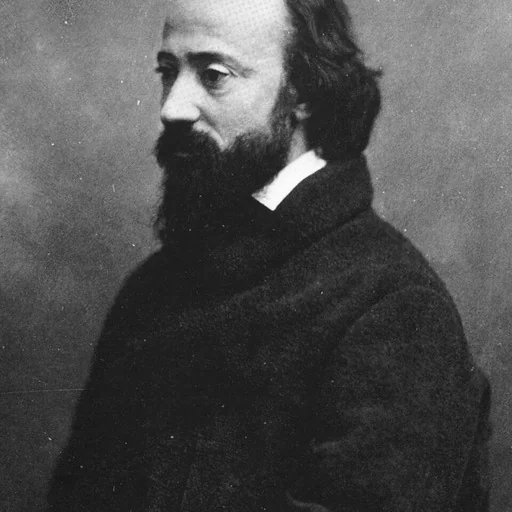
Charles-François Daubigny ( DOH-bin-yee, US: DOH-been-YEE, doh-BEEN-yee, French: ; 15 February 1817 – 19 February 1878) was a French painter, one of the members of the Barbizon school, and is considered an important precursor of…