Artwork
Le Bas-Hamet
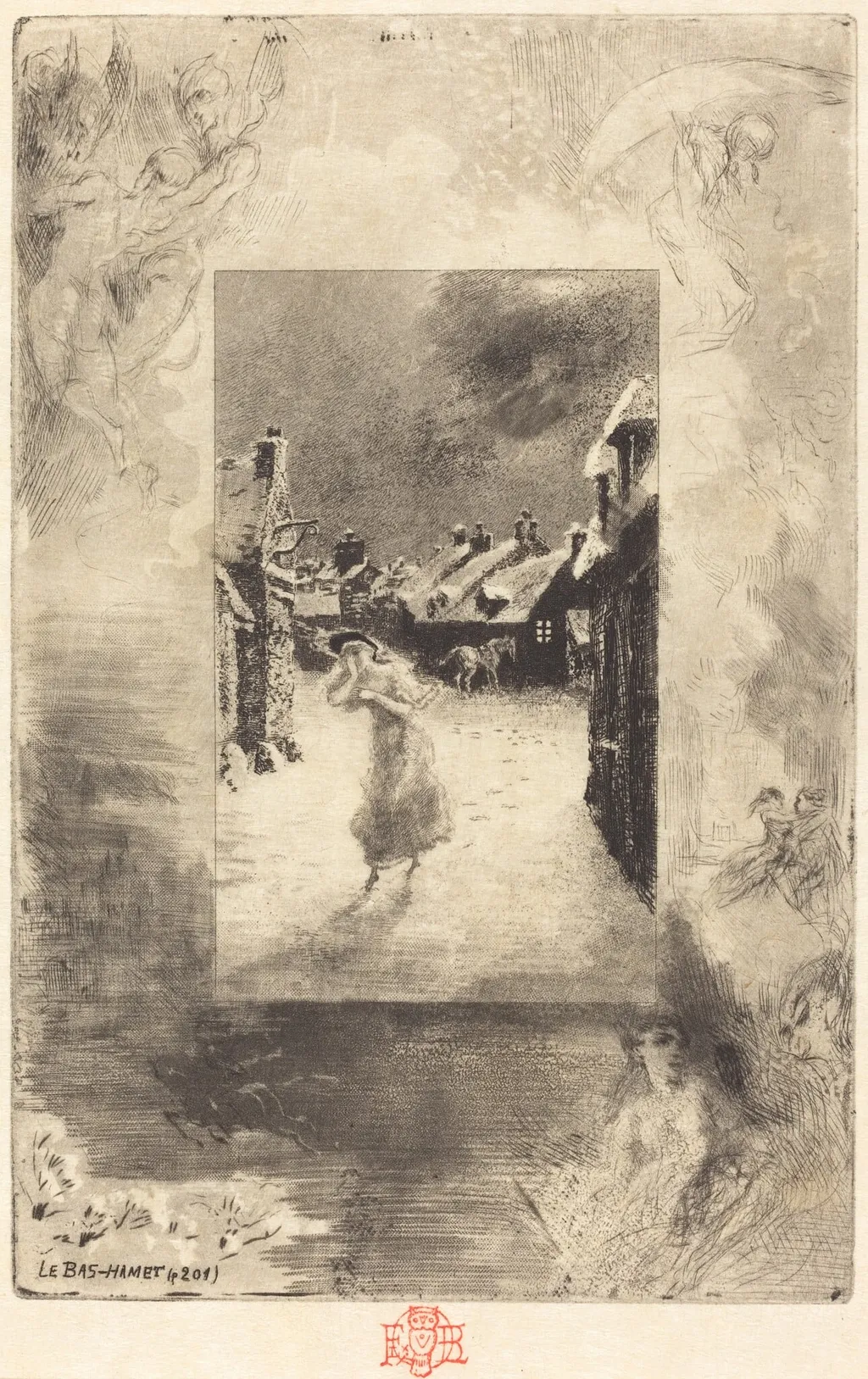
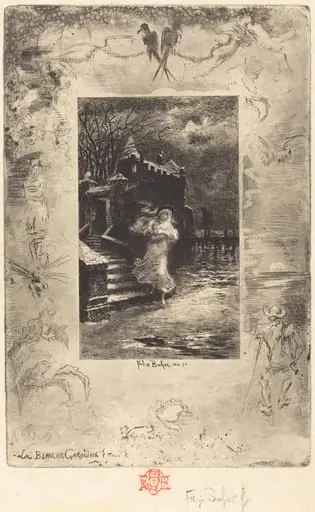
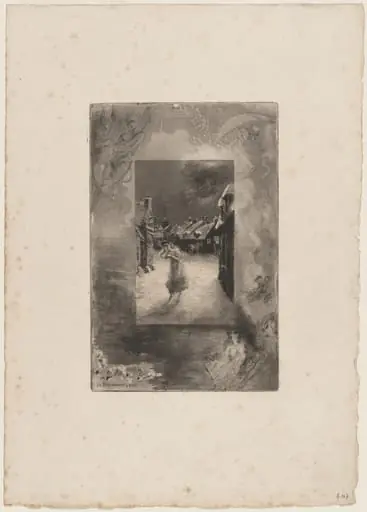
Le Bas-Hamet is an ink print by the Impressionist artist Félix-Hilaire Buhot. It dates from 1880 and is held in the collection of the National Gallery of Art.
About this work
Overview
Le Bas-Hamet is a print created by Félix-Hilaire Buhot in 1880, combining etching, drypoint, roulette, and aquatint techniques on Japanese paper in black ink.
Subject & Meaning
The print depicts a serene nighttime village scene. A solitary figure, arms raised in apparent surprise or disorientation, walks in the center. Softly lit houses and a stationary horse in the background add to the quiet ambiance.
Technique & Style
Buhot achieved depth through rough, textured lines, with hand-drawn shadows. The Japanese paper's grainy appearance, coupled with loose, sketchy marginal lines, suggests a rapid, expressive working process.
History & Provenance
Created in 1880, specific provenance details are not provided, highlighting the work's existence as part of Buhot's oeuvre from that year.
Context
Technically, the piece exemplifies late 19th-century printmaking innovations, notably the mixed use of etching, drypoint, roulette, and aquatint. Artistically, it reflects a focus on capturing everyday, intimate moments.
Legacy
While specific legacy details are not outlined, Le Bas-Hamet contributes to the broader appreciation of Buhot's printmaking skills and his contribution to the Impressionist and late 19th-century European art movements.
Artist & collection

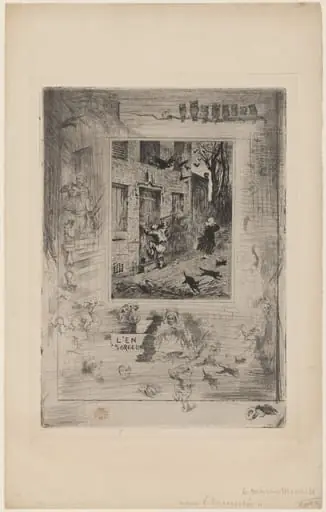
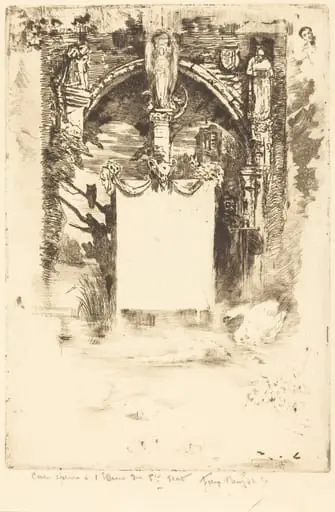 Ex-Libris pour "L'Ensorcelée" (Bookplate for "L'Ensorcelée")
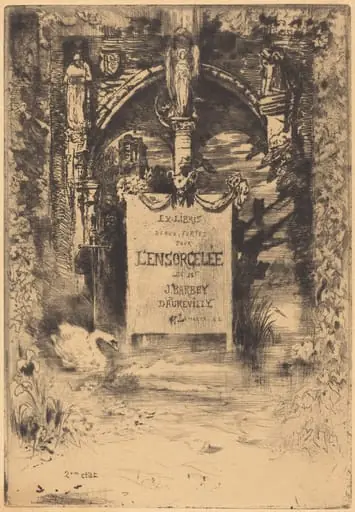 Ex-Libris pour "L'Ensorcelée" (Bookplate for "L'Ensorcelée")
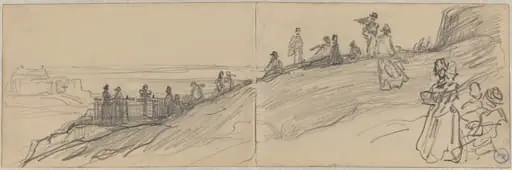 Figures on Top of a Hill, Overlooking the Sea
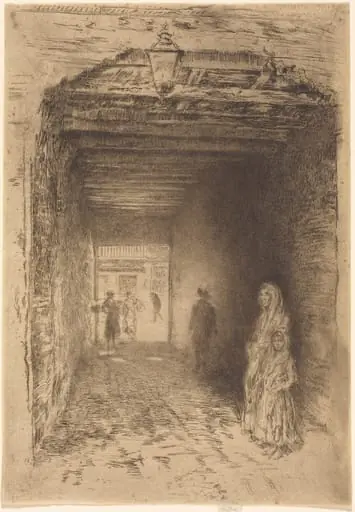
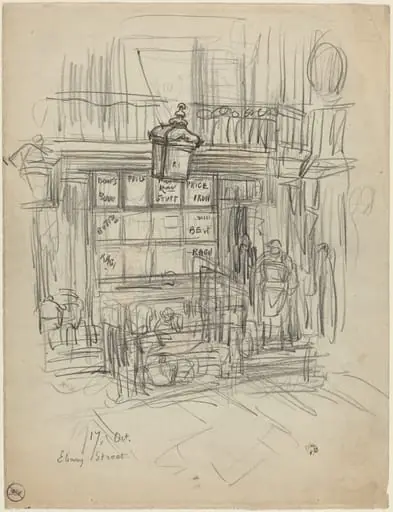 Ebury Street
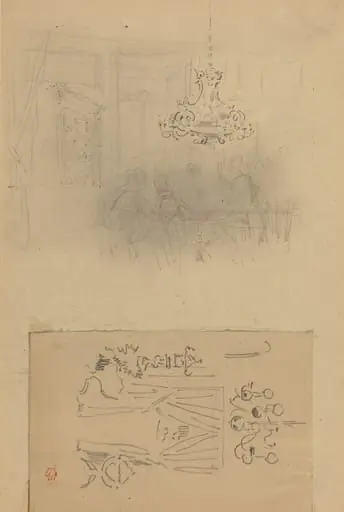 A Gathering in an Interior; A Curtained Doorway
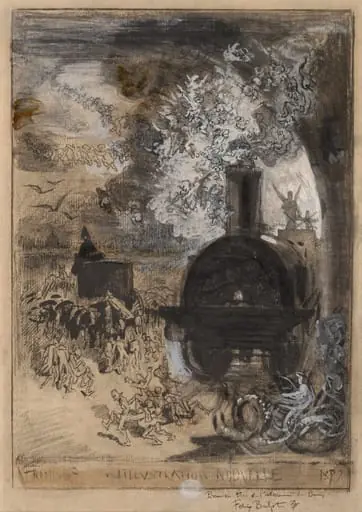 Frontispiece for L'Illustration Nouvelle: The Burial of the Burin
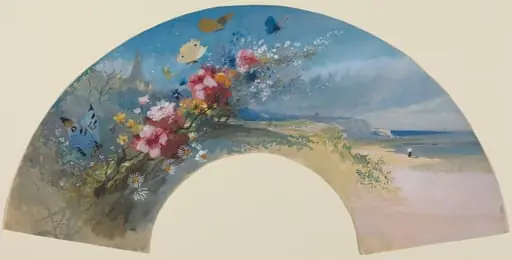 Fan with Wildflowers and Butterflies against the Norman Coast
![Gillingham Pier, London [verso], by Félix-Hilaire Buhot](https://artifactworldgallery.com/img/felix-hilaire-buhot--gillingham-pier-london-verso--641e03dd7de8217b-w320.webp) Gillingham Pier, London [verso]
Gillingham Pier, London [verso]