Artwork
Le Petite Enterrement (The Burial -- Small Plate)
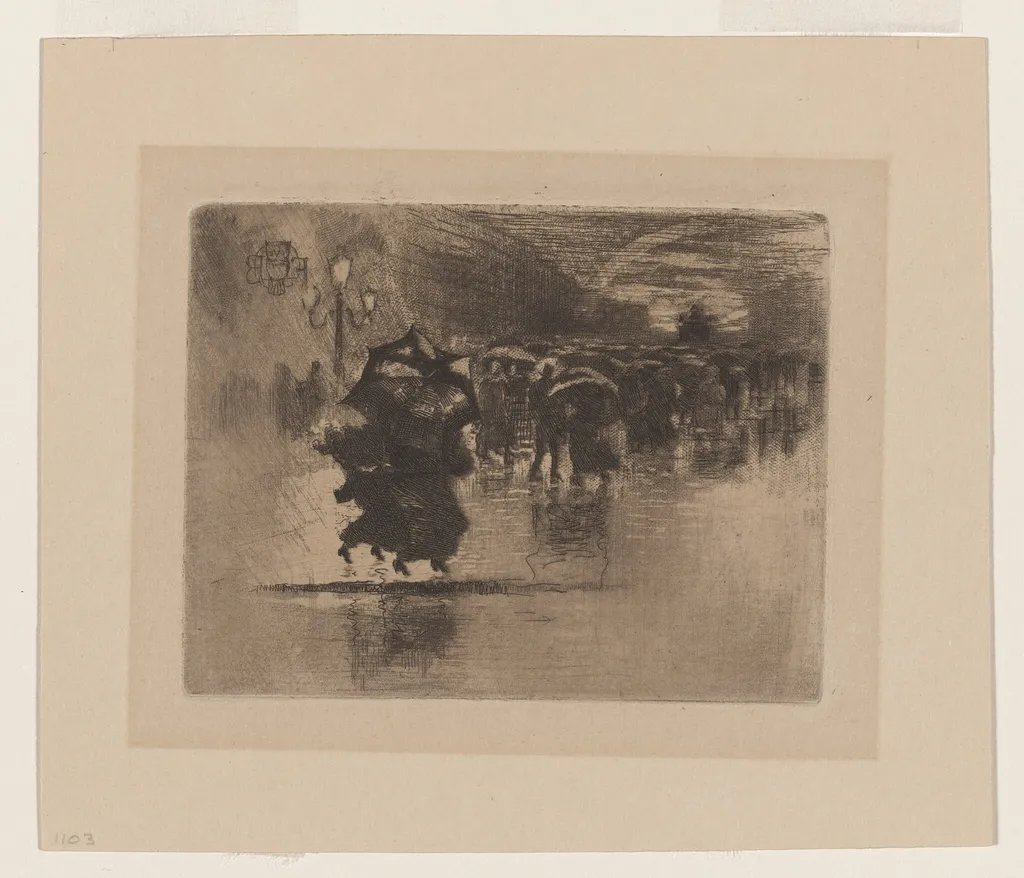
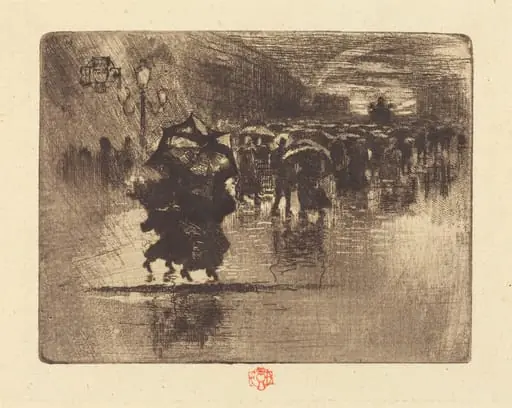
Le Petite Enterrement (The Burial -- Small Plate) is an ink print by the Impressionist artist Félix-Hilaire Buhot. It dates from 1878 and is held in the collection of the National Gallery of Art.
About this work
Overview
Le Petite Enterrement, created in 1878 by Félix-Hilaire Buhot, is a small-format print combining etching, drypoint, roulette, and aquatint on tan wove paper.
Le Petite Enterrement, created in 1878 by Félix-Hilaire Buhot, is a small-format print combining etching, drypoint, roulette, and aquatint on tan wove paper. The work captures a quiet urban moment in Paris during rainfall, rendered with subtle tonal gradations and textured line work. It belongs to the National Gallery of Art’s collection in Washington, D.C., and exemplifies Buhot’s interest in atmospheric urban scenes through printmaking techniques that emphasize mood over detail.
Subject & Meaning
The scene depicts a modest funeral procession moving through a rain-slicked street, figures huddled under umbrellas, their forms softened by the weather. The somber procession is not dramatized but quietly observed, suggesting a meditation on mortality and the ordinariness of grief. The blurred architecture and indistinct sky reinforce a sense of isolation and transience, reflecting the quiet dignity of everyday rituals amid the city’s damp anonymity.
Technique & Style
Buhot employed multiple intaglio methods—etching for fine lines, drypoint for rich blacks, roulette for granular texture, and aquatint for tonal washes—layered with strategic scraping to lighten areas. The result is a hazy, atmospheric effect where rain and mist dissolve architectural edges. The tan paper enhances the muted palette, allowing ink to settle into soft grays and deep shadows, mimicking the diffusion of light in wet weather without overt realism.
History & Provenance
Created in 1878, the print was part of Buhot’s broader series documenting Parisian life in the late 19th century. It entered the National Gallery of Art’s collection through the A. W. Mellon Educational and Charitable Trust in 1937, alongside other works from his oeuvre. Its preservation reflects early 20th-century American interest in French graphic art, particularly prints that captured urban modernity with emotional restraint.
Context
Buhot worked during a period when French artists turned to printmaking to explore fleeting moments of modern life, influenced by the Impressionists’ focus on light and movement. Unlike painted scenes, his etchings embraced the medium’s capacity for spontaneity and texture. Le Petite Enterrement aligns with contemporaneous works by artists like Degas and Whistler, who used print to convey psychological nuance through minimal, evocative means.
Legacy
The print endures as a quiet example of how 19th-century printmakers transformed technical experimentation into emotional resonance. Buhot’s use of atmospheric effects in etching influenced later generations interested in mood-driven imagery. Though not widely exhibited, it remains a touchstone in studies of French graphic art for its understated treatment of urban solitude and the poetic potential of the printed line.
Artist & collection
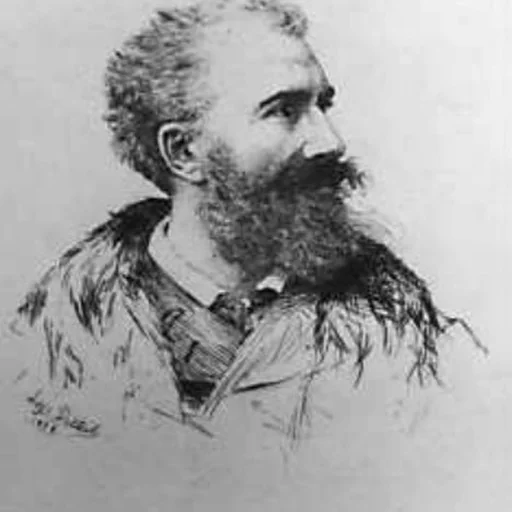

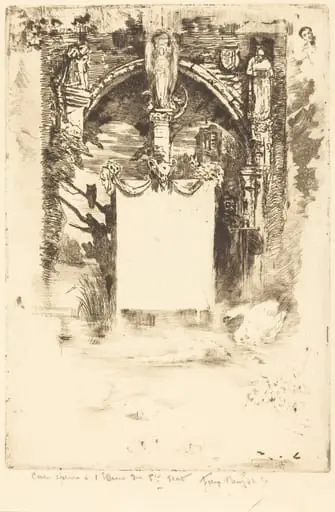 Ex-Libris pour "L'Ensorcelée" (Bookplate for "L'Ensorcelée")
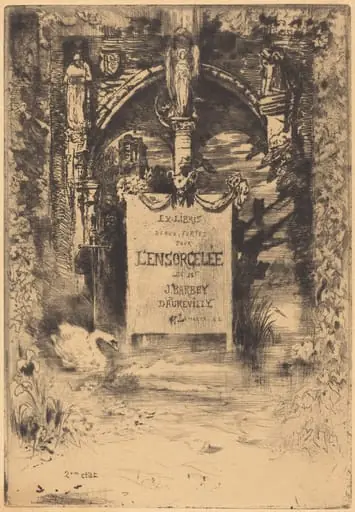 Ex-Libris pour "L'Ensorcelée" (Bookplate for "L'Ensorcelée")
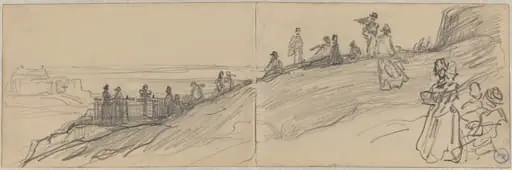 Figures on Top of a Hill, Overlooking the Sea
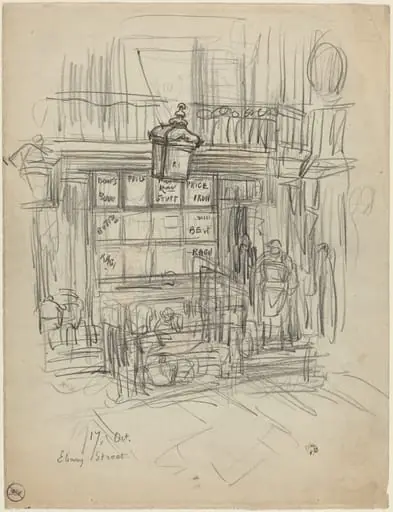 Ebury Street
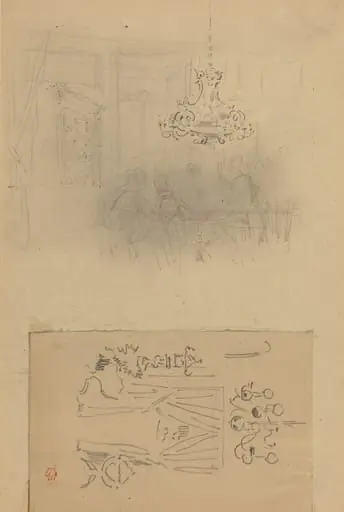 A Gathering in an Interior; A Curtained Doorway
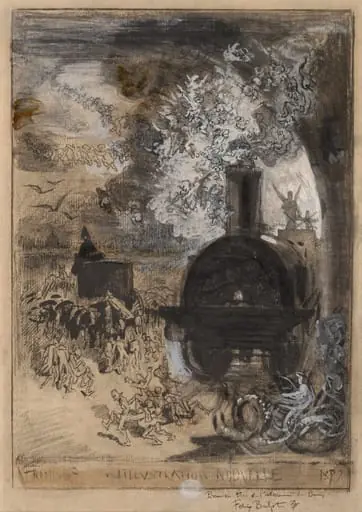 Frontispiece for L'Illustration Nouvelle: The Burial of the Burin
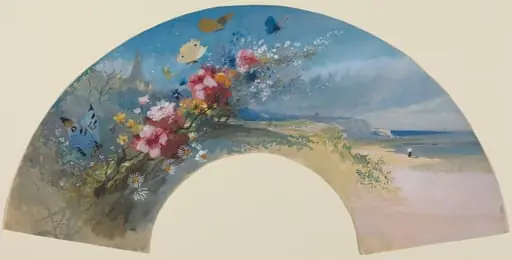 Fan with Wildflowers and Butterflies against the Norman Coast
![Gillingham Pier, London [verso], by Félix-Hilaire Buhot](https://artifactworldgallery.com/img/felix-hilaire-buhot--gillingham-pier-london-verso--641e03dd7de8217b-w320.webp) Gillingham Pier, London [verso]
Gillingham Pier, London [verso]
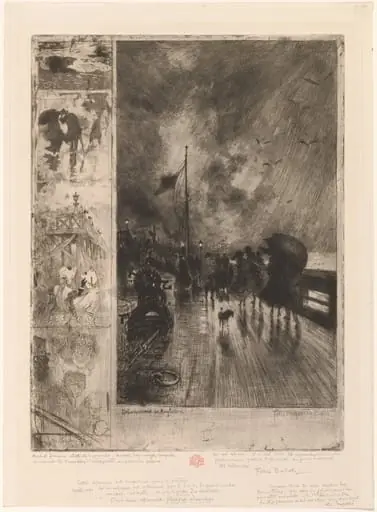
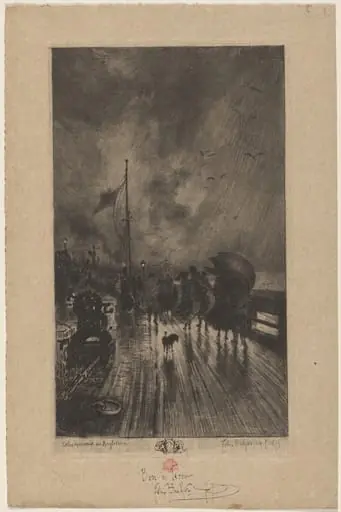 Un Débarquement en Angleterre (Landing in England)
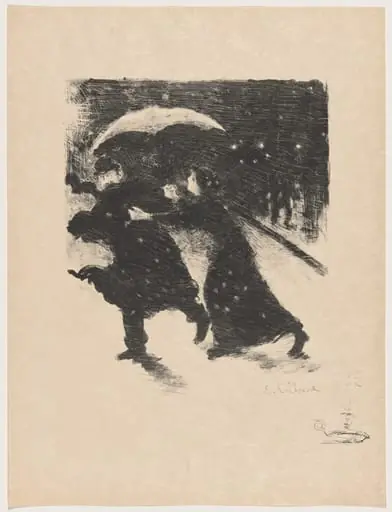 Nocturne (By Night)
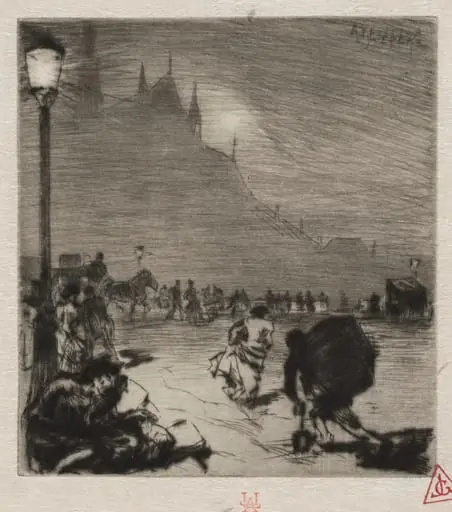 Au Coin du Pont-aux-Doubles
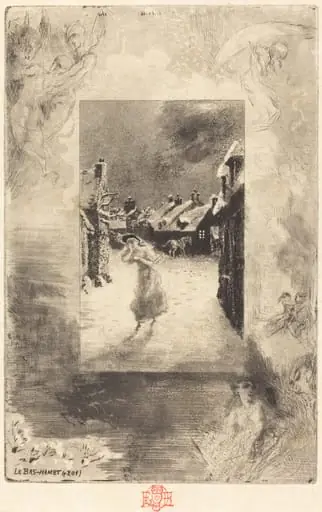 Le Bas-Hamet
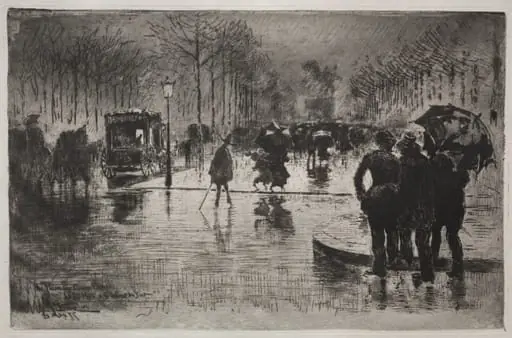 Artists Returning from the Salon
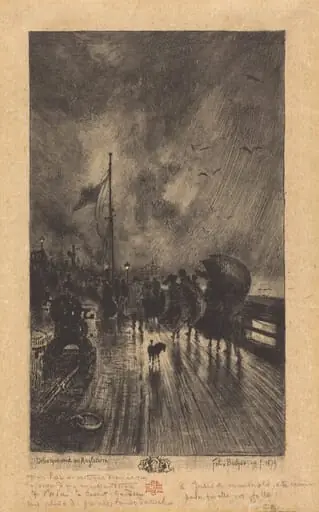 Un Débarquement en Angleterre (Landing in England)
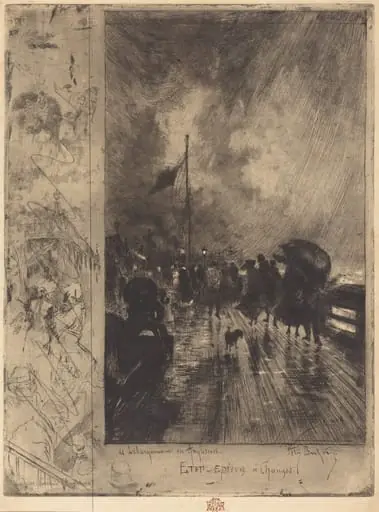 Un Débarquement en Angleterre (Landing in England)
 The Fair
 Evening Snow
 Landing in England
 A Pier in England
 Le Petit Enterrement (The Burial - Small Plate)