Artwork
Les Voisins de Campagne (Country Neighbors)
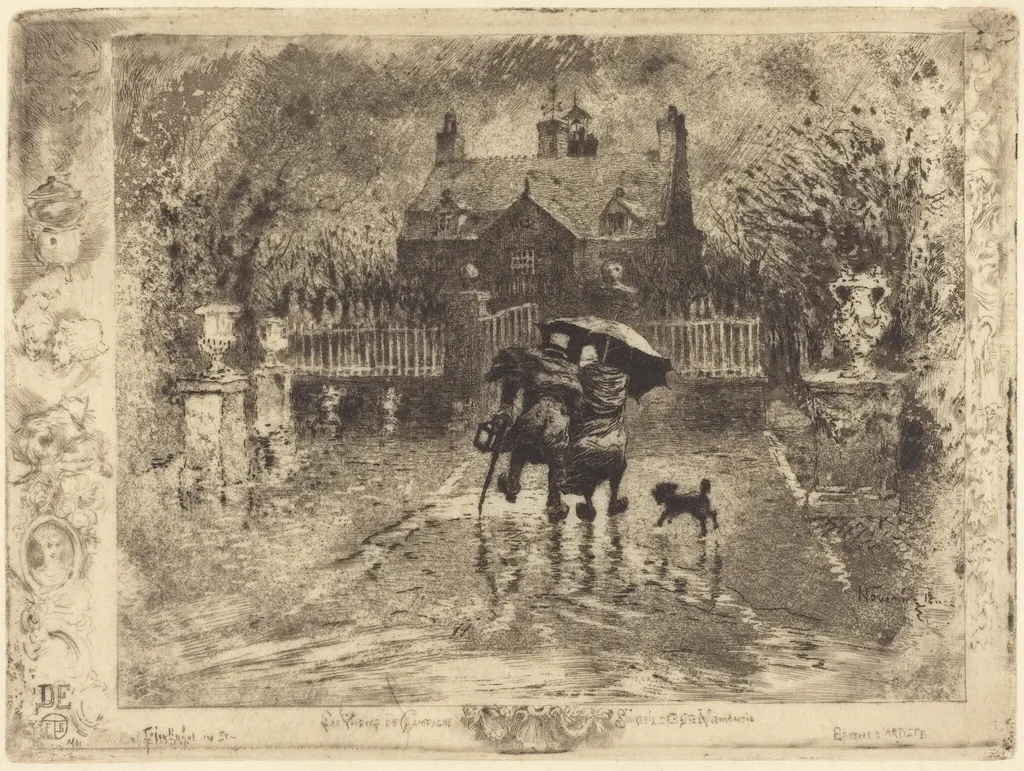
Les Voisins de Campagne (Country Neighbors) is an ink print by the Impressionist artist Félix-Hilaire Buhot. It dates from 1880 and is held in the collection of the National Gallery of Art.
About this work
Overview
The composition conveys quiet motion and atmospheric tension, with textures rendered through fine, layered marks that mimic the dampness of the environment.
Created in 1880 by Félix-Hilaire Buhot, Les Voisins de Campagne is a print combining etching, aquatint, and drypoint on vellum. It captures a fleeting urban moment in the rain, where two figures move beneath a shared umbrella, accompanied by a small dog. The composition conveys quiet motion and atmospheric tension, with textures rendered through fine, layered marks that mimic the dampness of the environment.
Subject & Meaning
The scene depicts ordinary pedestrians navigating a wet street, their forms rendered with minimal detail yet full of presence. The figures, anonymous and absorbed in their walk, suggest the quiet rhythm of daily life. The looming building and faint window glows hint at domestic warmth just out of reach, while the dog adds a subtle note of companionship. The work reflects Buhot’s interest in the unnoticed rituals of city dwellers.
Technique & Style
Buhot employed etching for fine lines, aquatint for tonal gradations, and drypoint for rich, velvety shadows. The vellum surface enhances the print’s tactile quality, allowing ink to settle unevenly and mimic moisture. His rapid, sketch-like strokes avoid polish, instead preserving the immediacy of observation. The blending of light and shadow evokes the diffuse glow of streetlamps through rain, deepening the sense of atmosphere.
History & Provenance
The print was made during Buhot’s most active period, when he focused on urban scenes in and around Paris. It was likely produced for private circulation or small editions, common among printmakers of the time. While its early ownership is undocumented, it entered institutional collections in the 20th century, valued for its technical innovation and empathetic portrayal of everyday life.
Context
In the late 19th century, French artists increasingly turned to scenes of modern life, moving away from grand historical narratives. Buhot, influenced by the Impressionists and Japanese prints, captured transient moments with sensitivity. His work aligned with a broader interest in the emotional texture of the city, particularly in weather-altered environments that revealed human vulnerability and routine.
Legacy
Les Voisins de Campagne exemplifies Buhot’s contribution to the revival of etching as a medium for expressive realism. His ability to convey mood through texture and tone influenced later printmakers seeking to capture urban intimacy. Though not widely known today, his prints remain studied for their nuanced handling of light, weather, and the quiet dignity of ordinary subjects.
Artist & collection
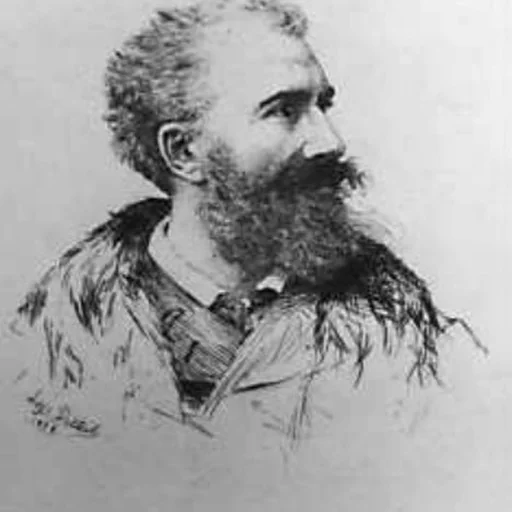

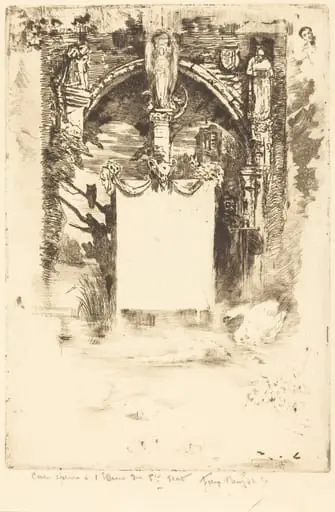 Ex-Libris pour "L'Ensorcelée" (Bookplate for "L'Ensorcelée")
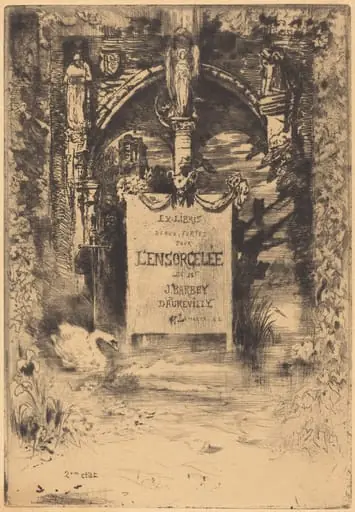 Ex-Libris pour "L'Ensorcelée" (Bookplate for "L'Ensorcelée")
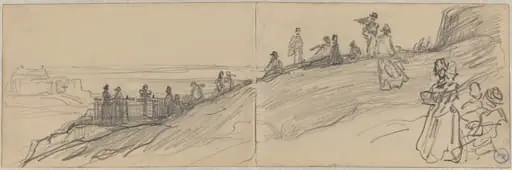 Figures on Top of a Hill, Overlooking the Sea
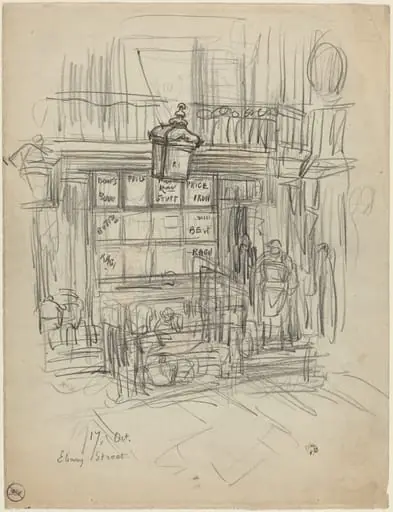 Ebury Street
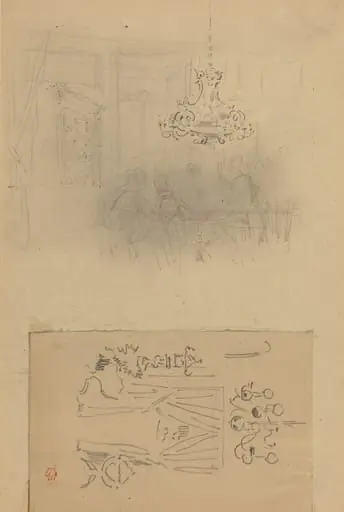 A Gathering in an Interior; A Curtained Doorway
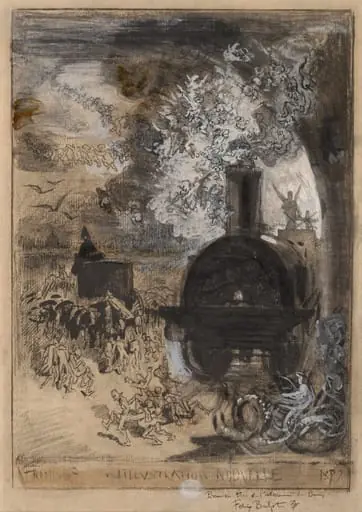 Frontispiece for L'Illustration Nouvelle: The Burial of the Burin
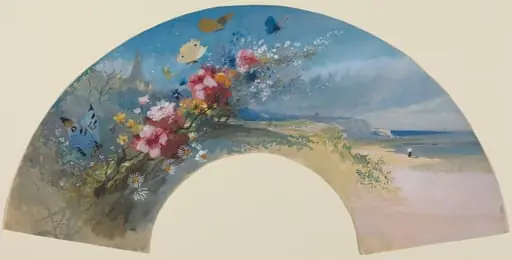 Fan with Wildflowers and Butterflies against the Norman Coast
![Gillingham Pier, London [verso], by Félix-Hilaire Buhot](https://artifactworldgallery.com/img/felix-hilaire-buhot--gillingham-pier-london-verso--641e03dd7de8217b-w320.webp) Gillingham Pier, London [verso]
Gillingham Pier, London [verso]
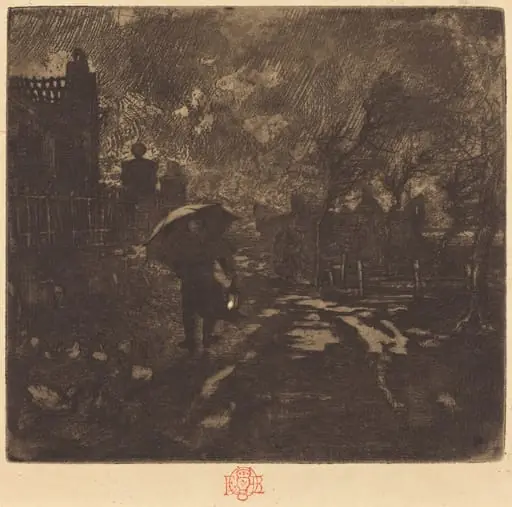 L'Angélus
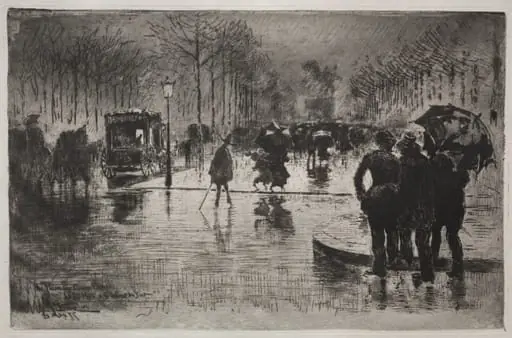 Artists Returning from the Salon
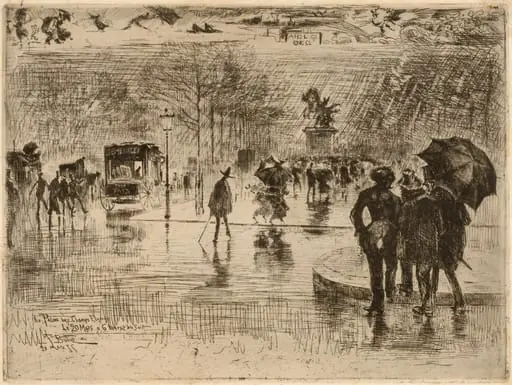 Le Retour des Artistes
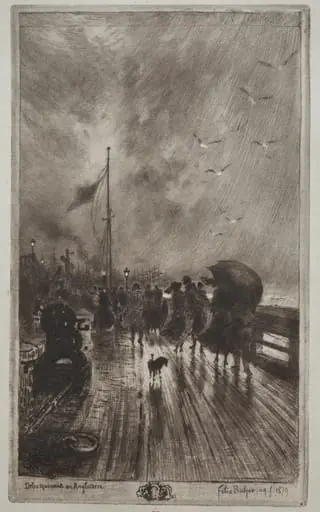 Landing in England
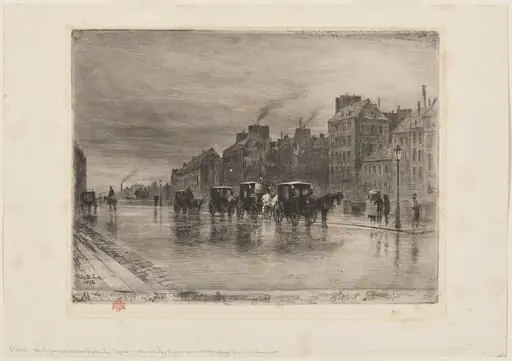 Une Matinée d'Hiver au Quai de l'Hôtel-Dieu (Winter Morning on the Quai de l'Hôtel-Dieu)
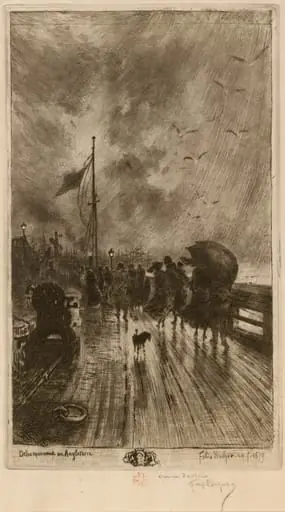 Un Débarquement en Angleterre
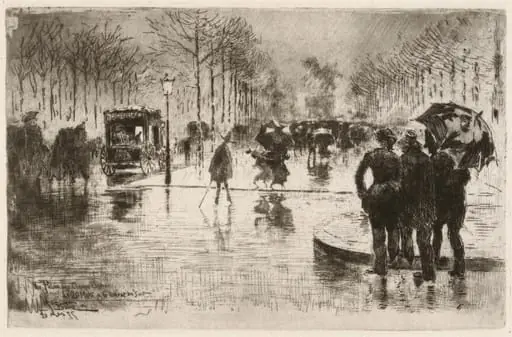 Le retour des artistes (The Return of the Artists)
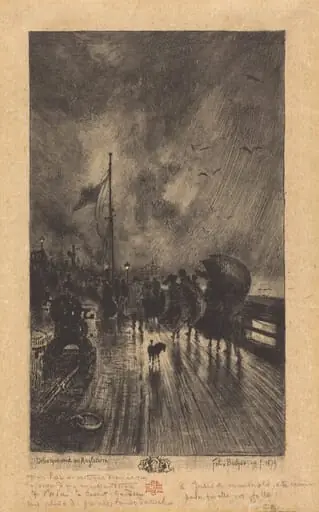 Un Débarquement en Angleterre (Landing in England)
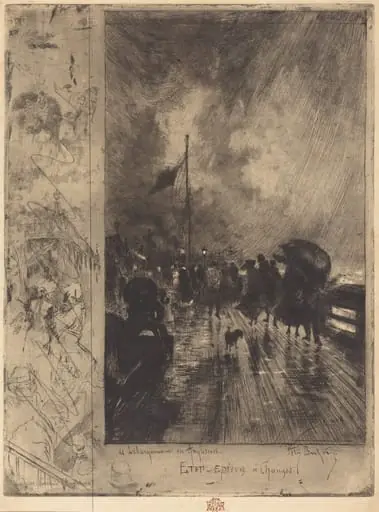 Un Débarquement en Angleterre (Landing in England)