Artwork
Une Jetée en Angleterre (A Pier in England)
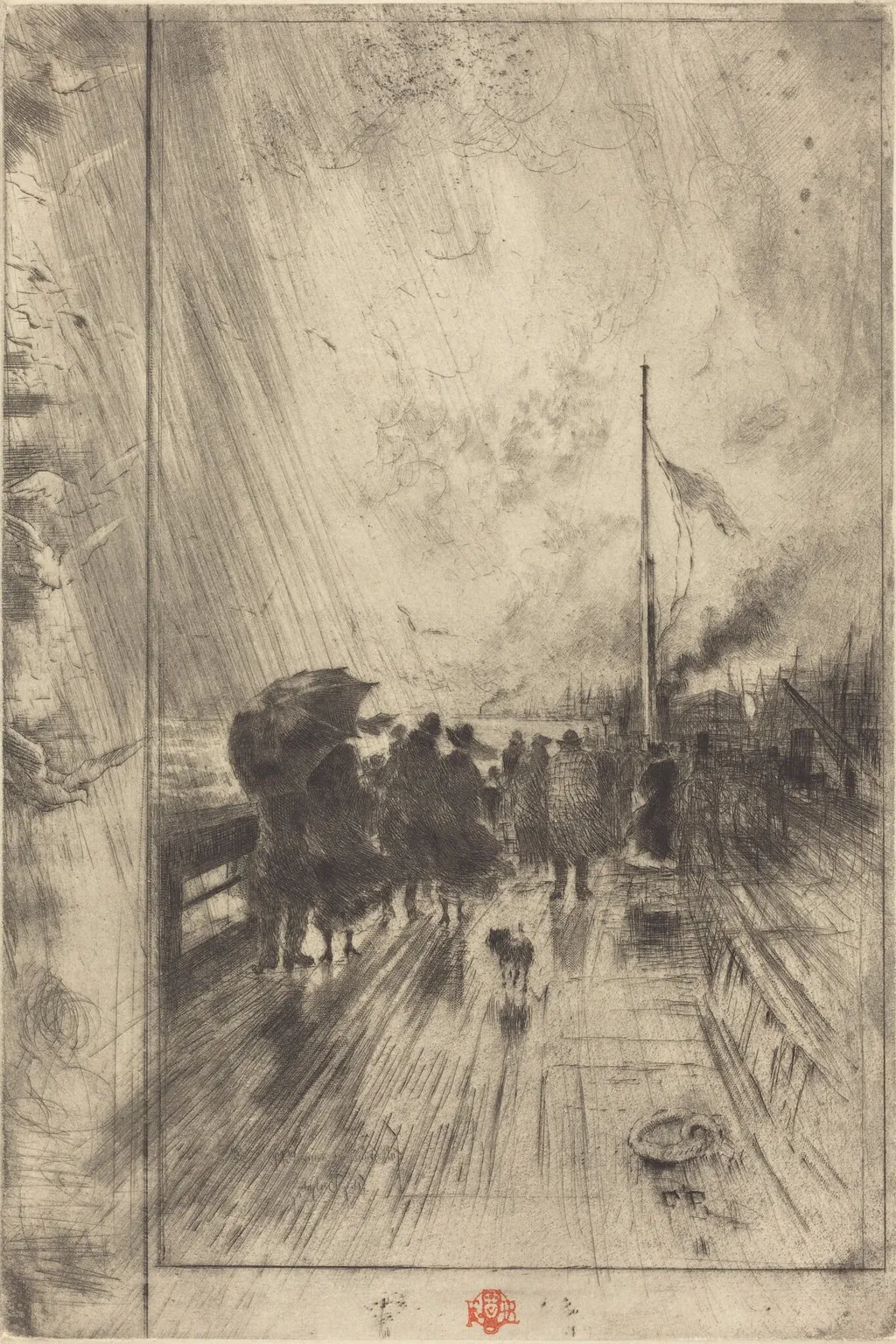
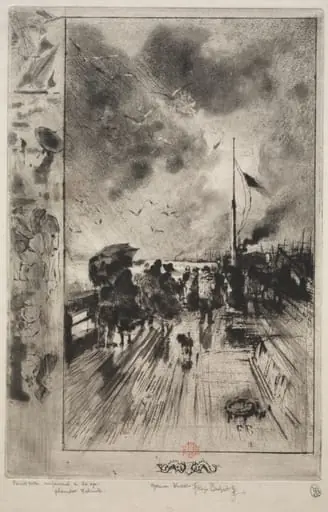
Une Jetée en Angleterre (A Pier in England) is an ink print by the Impressionist artist Félix-Hilaire Buhot. It dates from 1879 and is held in the collection of the National Gallery of Art.
About this work
Overview
Félix-Hilaire Buhot created Une Jetée en Angleterre in 1879 as a print combining etching, drypoint, roulette, and aquatint on wove paper.
Félix-Hilaire Buhot created Une Jetée en Angleterre in 1879 as a print combining etching, drypoint, roulette, and aquatint on wove paper. The work captures a crowded seaside pier in England under inclement weather, rendered with a loose, atmospheric quality that emphasizes movement and transient conditions rather than precise detail. Its unfinished appearance reflects Buhot’s interest in capturing fleeting moments of urban and coastal life.
Subject & Meaning
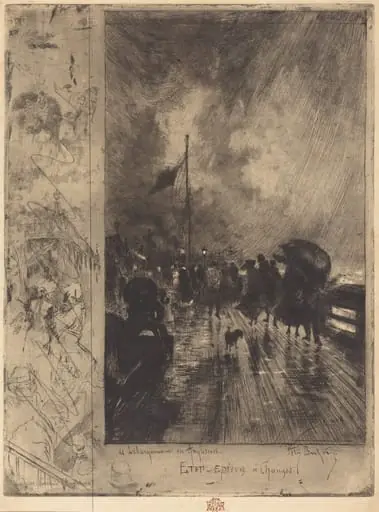
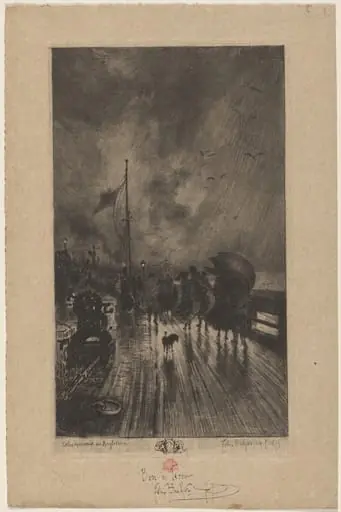
The scene depicts a rainy pier teeming with figures seeking shelter—some with umbrellas, others wrapped in coats—while distant ships and buildings dissolve into mist. A solitary flagpole rises on the right, anchoring the composition. The focus is not on individual identities but on collective human response to weather and place, suggesting themes of transience, isolation within crowds, and the quiet drama of everyday urban life.
Technique & Style
Buhot employed drypoint to scratch direct, gritty lines into the plate, creating soft, blurred edges, while aquatint produced tonal gradations mimicking rain-soaked air. The roulette added stippled texture, enhancing the sense of dampness and motion. These combined methods yielded a sketchlike, non-finished aesthetic, prioritizing mood over clarity. The result resembles a rapid observational study, aligning with 19th-century interests in immediacy and atmospheric effect.
History & Provenance
Created during Buhot’s period of active printmaking in the late 1870s, the work reflects his fascination with English coastal scenes observed during travels. It was likely produced for private circulation or publication in art journals of the time, common for etchers seeking broader audiences. No definitive early ownership records are widely documented, but it entered institutional collections in the 20th century as interest in French graphic art grew.
Context
Buhot worked amid a revival of interest in etching as a fine art medium in France, influenced by Japanese prints and Realist sensibilities. His focus on weather, crowds, and urban landscapes paralleled contemporaries like Degas and Whistler. Unlike idealized landscapes, his pier scenes embraced the ordinary and the imperfect, aligning with broader shifts toward documenting modern life with emotional honesty rather than grandeur.
Legacy
Une Jetée en Angleterre exemplifies Buhot’s contribution to the revival of etching as a vehicle for modern observation. His technical experimentation with texture and tone influenced later printmakers seeking expressive, non-traditional methods. Though not widely known outside specialist circles, his work remains a touchstone for understanding how 19th-century artists translated fleeting sensory experiences into intimate, tactile prints.
Artist & collection

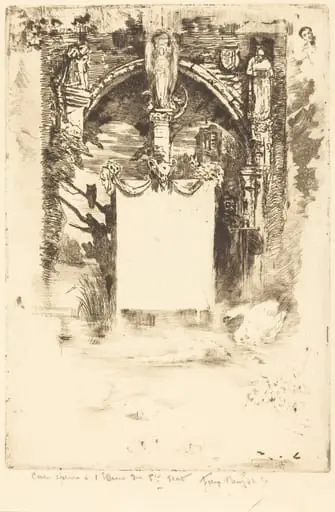 Ex-Libris pour "L'Ensorcelée" (Bookplate for "L'Ensorcelée")
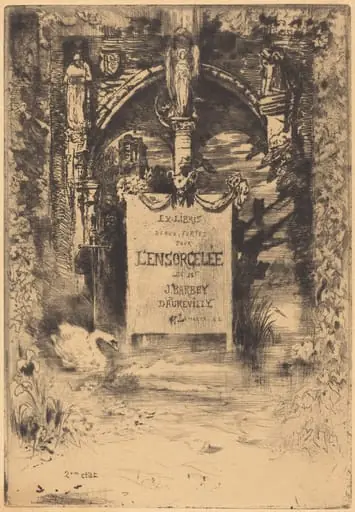 Ex-Libris pour "L'Ensorcelée" (Bookplate for "L'Ensorcelée")
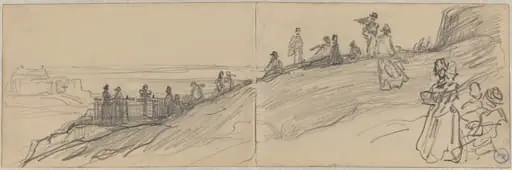 Figures on Top of a Hill, Overlooking the Sea
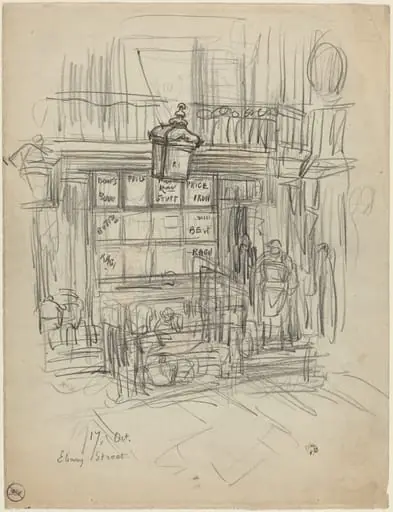 Ebury Street
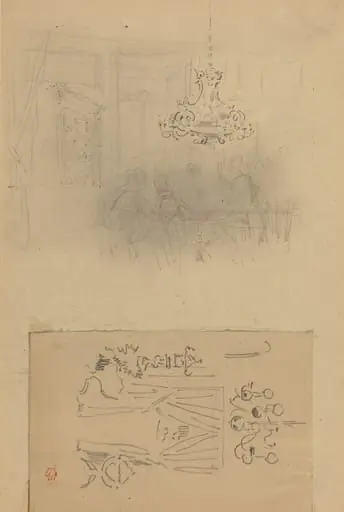 A Gathering in an Interior; A Curtained Doorway
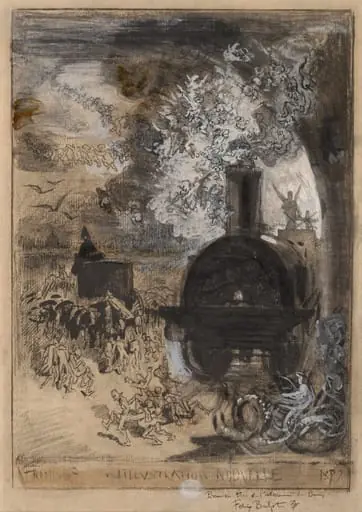 Frontispiece for L'Illustration Nouvelle: The Burial of the Burin
 Fan with Wildflowers and Butterflies against the Norman Coast
![Gillingham Pier, London [verso], by Félix-Hilaire Buhot](https://artifactworldgallery.com/img/felix-hilaire-buhot--gillingham-pier-london-verso--641e03dd7de8217b-w320.webp) Gillingham Pier, London [verso]
Gillingham Pier, London [verso]
 Un Débarquement en Angleterre (Landing in England)
 A Pier in England
 Un Débarquement en Angleterre (Landing in England)
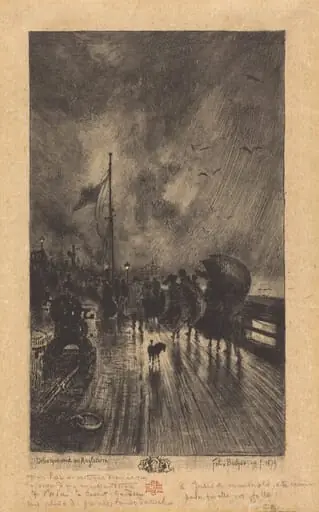 Un Débarquement en Angleterre (Landing in England)
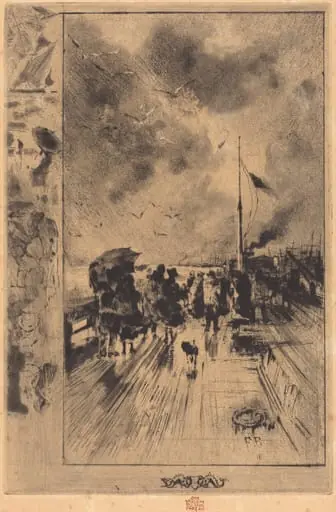 Une Jetée en Angleterre (A Pier in England)
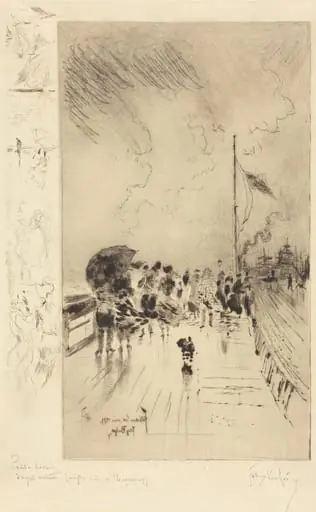 Une Jetée en Angleterre (A Pier in England)
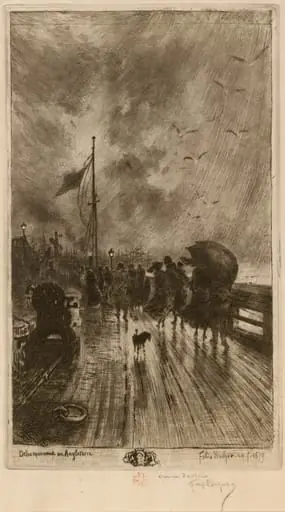 Un Débarquement en Angleterre
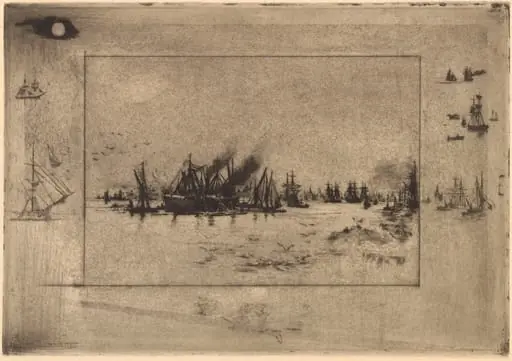 Le Port aux Mouettes (Port with Seagulls)