Artwork
Peisaj în pădure
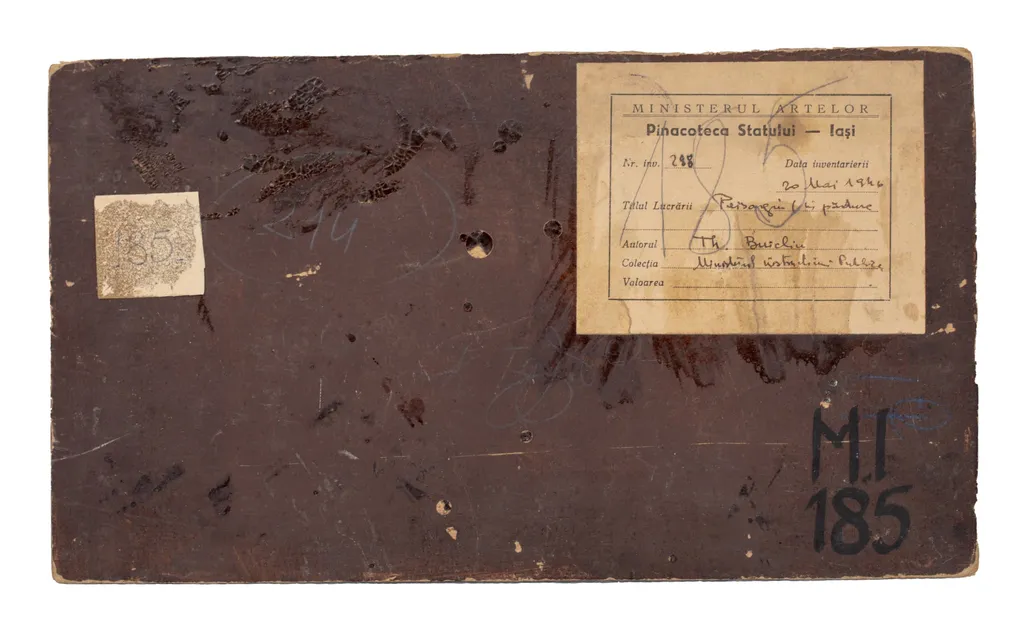
Peisaj în pădure is an unspecified painting by Theodor Buiucliu. It dates from 1850 and is held in the collection of the Moldova National Museum Complex.
About this work
Overview
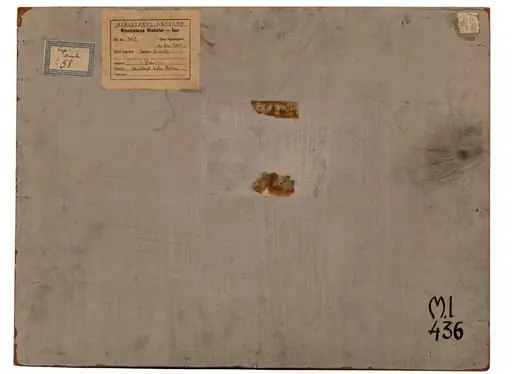
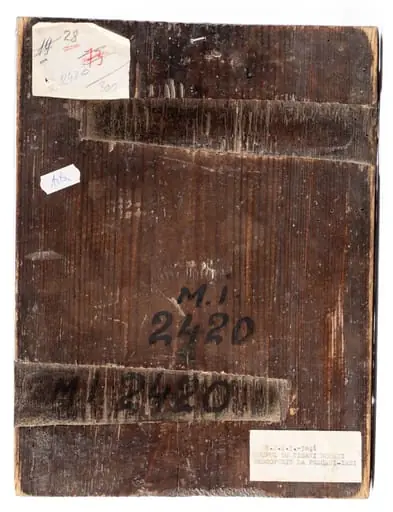
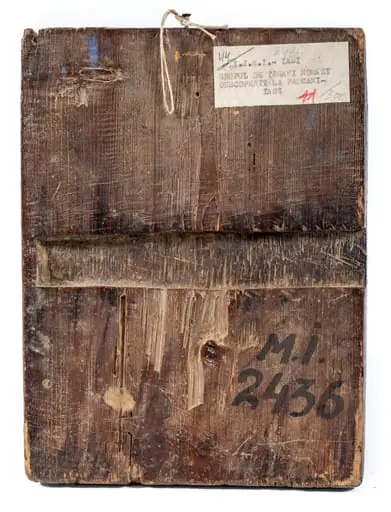
Peisaj în pădure, attributed to Theodor Buiucliu and dated circa 1850, is documented as a forest landscape. The work survives on a darkened wooden panel that shows extensive aging, with faded markings and various handwritten annotations that obscure the original image.
Subject & Meaning
The title, translated from Romanian as “Forest Landscape,” suggests a depiction of a wooded scene, a common motif in 19th‑century Romanian art that often reflected a romantic interest in nature and national scenery.
Technique & Style
The surviving support is a weathered wooden board, typical of mid‑century Romanian panel painting. Surface wear, blue pencil traces, and hand‑written notes indicate the panel has been handled and catalogued multiple times, but the original brushwork and palette cannot be assessed from the current condition.
History & Provenance
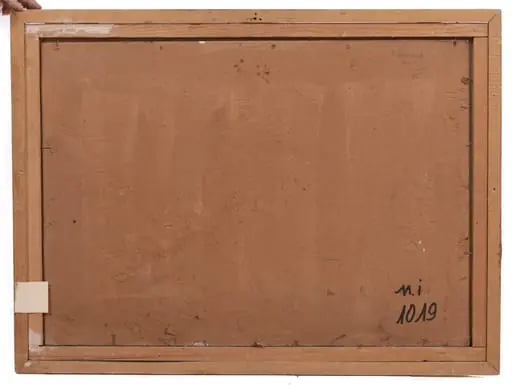
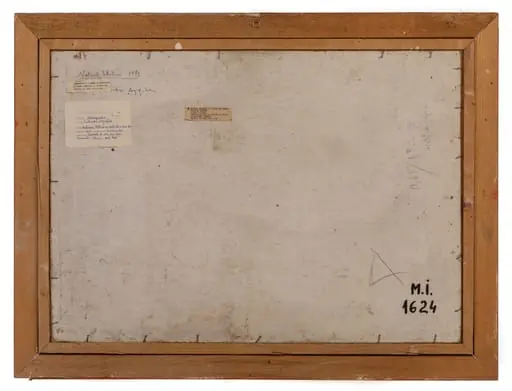
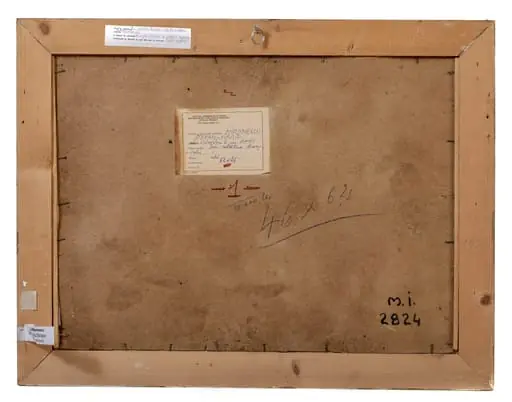
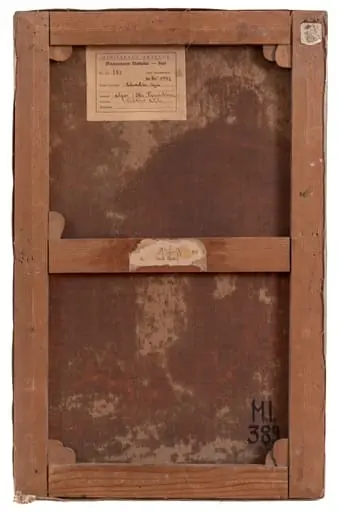
The panel bears handwritten Romanian labels, a stamp and numeric codes, and a dated notation “MI 185” in the lower right corner, pointing to its inclusion in a museum inventory. It is presently held by the Museum of Ethnography, where it is displayed as part of their collection of 19th‑century visual culture.
Context
Created around the middle of the 19th century, the piece aligns with a period when Romanian artists were increasingly documenting local landscapes, contributing to a visual record of the nation’s natural environment during a time of cultural consolidation.
Artist & collection
Artist
Romanian painter Theodor Buiucliu left two small forest scenes in 1881: Peisaj and Peisaj în pădure, both quiet glimpses of trees and light without any dramatic flourish.