Artwork
Portland Castle, Dorset
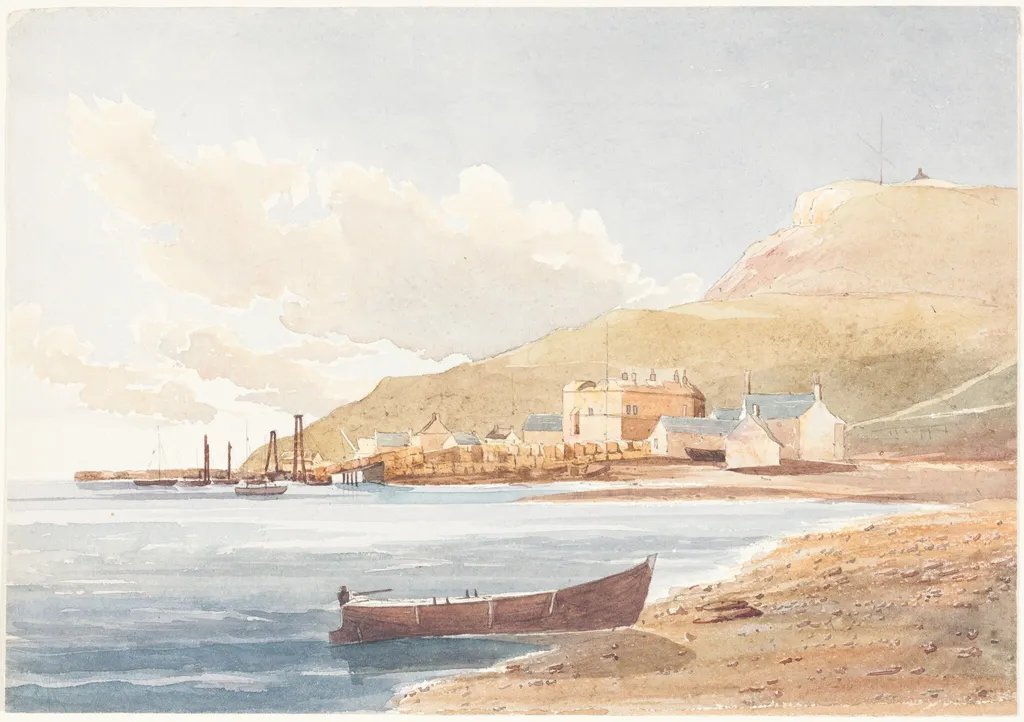
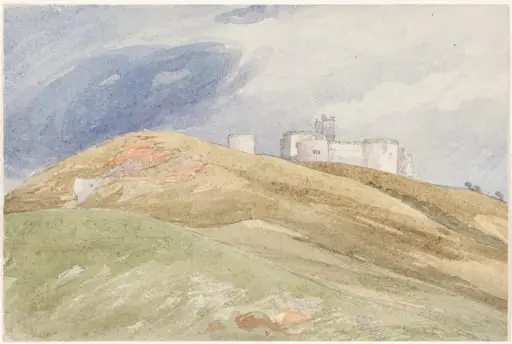
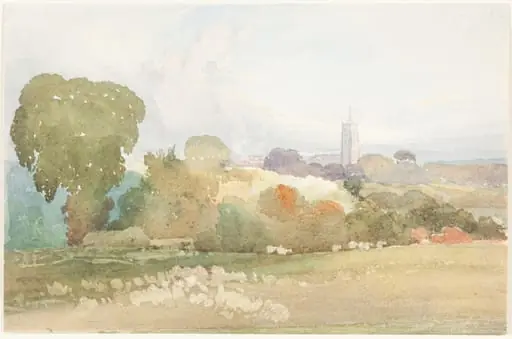
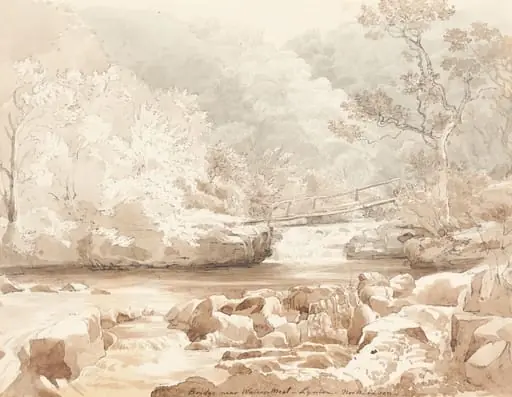
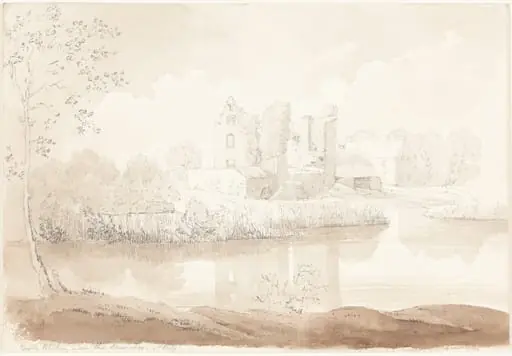
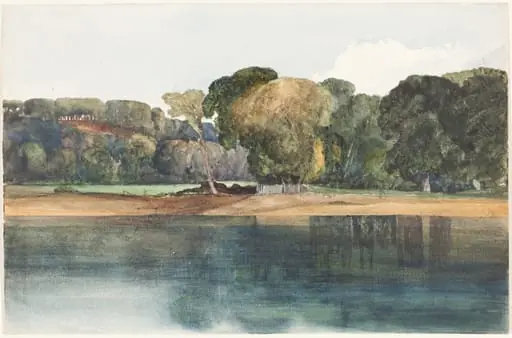
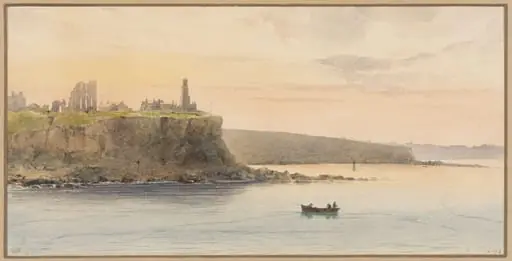
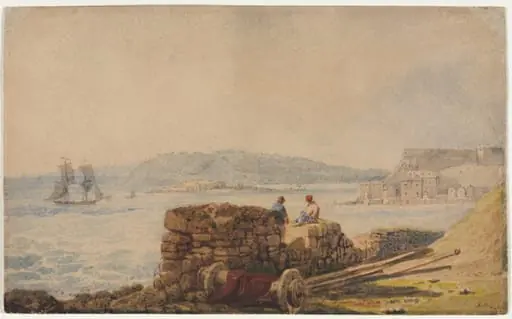
Portland Castle, Dorset is a graphite drawing by the Romanticist artist James Bulwer. It dates from 1836 and is held in the collection of the National Gallery of Art.
About this work
Overview
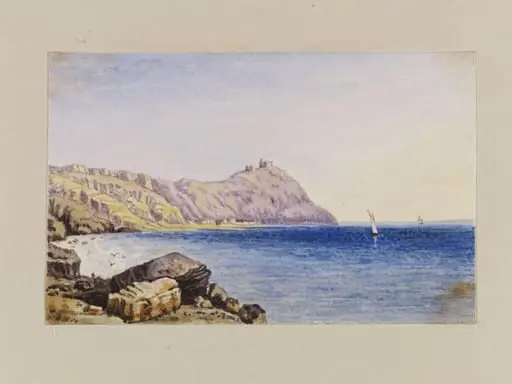
James Bulwer created this watercolor and graphite drawing in 1836, depicting Portland Castle in Dorset.
James Bulwer created this watercolor and graphite drawing in 1836, depicting Portland Castle in Dorset. The work captures a tranquil coastal setting with modest architecture and quiet maritime activity. Rendered in delicate washes and fine graphite lines, the piece reflects the observational precision typical of early 19th-century British topographical drawing, emphasizing atmosphere over dramatic detail.
Subject & Meaning
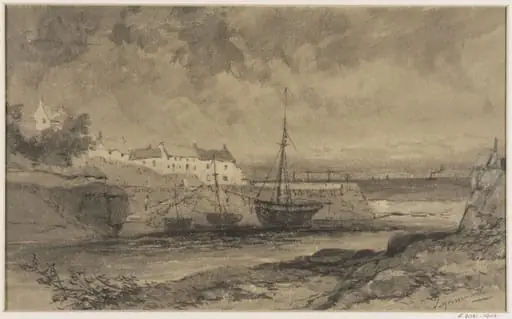
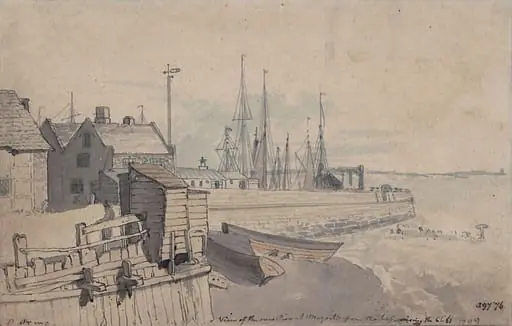
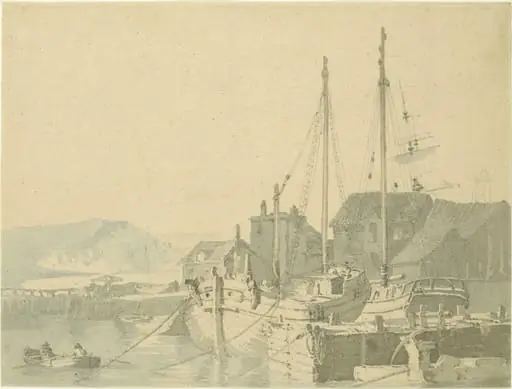
The scene centers on the castle’s fortified structures nestled along a rocky shoreline, with small boats resting in the harbor below. The absence of human figures and the subdued activity suggest a moment of stillness, perhaps reflecting the castle’s diminished military role by the 1830s. The composition conveys a sense of quiet endurance, aligning with contemporary interest in the passage of time and the relationship between architecture and landscape.
Technique & Style
Bulwer employed watercolor with light glazing to build subtle tonal variations, particularly in the sky and cliffs. Graphite outlines define architectural forms with restraint, while loose, fluid brushwork suggests the movement of water and drifting clouds. The muted palette—pale blues, soft grays, and earthy browns—enhances the sense of atmospheric cohesion, characteristic of watercolor practices favored by topographical artists of the period.
History & Provenance
Created during a period of growing interest in Britain’s coastal defenses, the drawing likely served as a record of a site transitioning from military use to local landmark. Though its early ownership is unrecorded, it aligns with a broader trend of amateur and professional artists documenting historic structures. The work entered institutional collections in the 20th century, preserved for its documentary and aesthetic value.
Context
In the 1830s, watercolor was widely used for topographical studies, often commissioned by antiquarians or local societies. Portland Castle, originally built by Henry VIII, had lost its strategic importance but remained a visible feature of the Dorset coast. Bulwer’s depiction reflects a cultural shift toward valuing historical sites for their scenic and historical resonance rather than their defensive function.
Legacy
The drawing contributes to a body of work that preserved the visual character of Britain’s coastal architecture during a time of rapid change. While not widely exhibited, it remains a representative example of 19th-century topographical watercolor, valued for its quiet observation and technical restraint. It continues to inform studies of regional heritage and the evolution of landscape representation in British art.
Own this work as a print
Artist & collection