Lear and Cordelia
1807
ink
From the collection of National Gallery of Art
1807
ink
From the collection of National Gallery of Art
Lear and Cordelia is a 1807 ink by Butts, Jr., Thomas, a Romanticism work, held at National Gallery of Art.
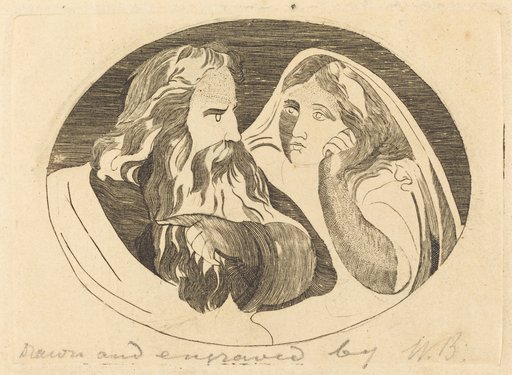
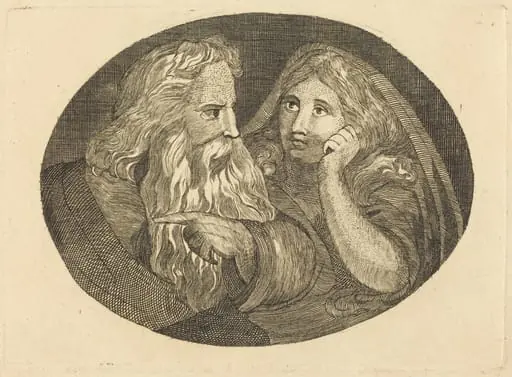
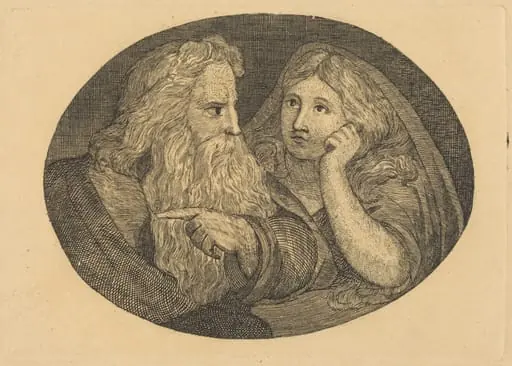
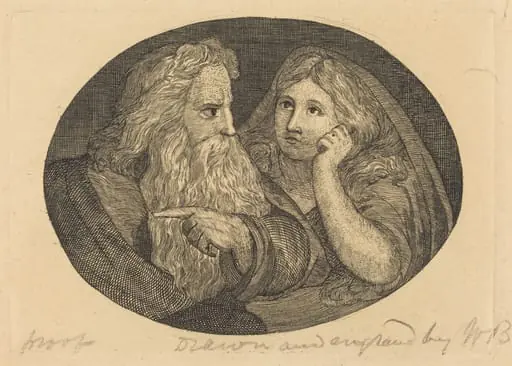
This black-and-white engraving shows two faces close together in a circle. The person on the left has long, wavy hair and a full white beard. The person on the right has smooth, shorter hair and a gentle expression. Both faces are turned slightly toward each other, as if sharing a quiet moment. The artist used tiny parallel lines to create shading, giving the hair and skin texture. This technique is called cross-hatching. Look up engraving to see how artists build depth with lines.
Created around 1807 by Thomas Butts Jr., this black-and-white engraving depicts a quiet, intimate moment between two figures. Rendered in fine linear detail, the composition centers on two faces within a circular frame, their expressions and positioning suggesting emotional connection. The work belongs to a series of prints inspired by Shakespearean themes, reflecting Butts’s interest in literary subjects during the early 19th century.
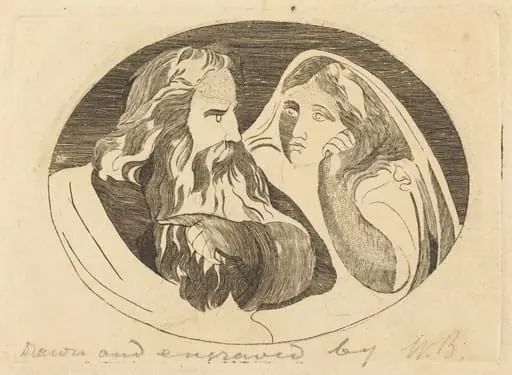
The figures represent King Lear and his daughter Cordelia from Shakespeare’s tragedy. Lear, aged and bearded, leans toward Cordelia, whose youthful, serene face mirrors his vulnerability. Their proximity conveys reconciliation after betrayal and exile, capturing a moment of tender recognition. The absence of setting or action focuses attention on their emotional reunion, emphasizing forgiveness over drama.
Butts employed fine-line engraving with meticulous cross-hatching to model form and texture. Delicate parallel strokes define the contours of beard and hair, while subtle variations in line density create soft gradations of light and shadow on skin. The restricted palette of ink on paper enhances the intimacy of the scene, relying entirely on line work to convey depth and emotion without color or background.
The engraving was produced during Butts’s collaboration with William Blake, whose artistic circle influenced his literary subjects. Though not widely exhibited in his lifetime, the print was privately circulated among patrons interested in Romantic interpretations of Shakespeare. Its survival in a few institutional collections suggests limited initial distribution and later scholarly interest.
In early 19th-century Britain, Shakespearean scenes were popular subjects in visual art, reflecting a broader cultural revival of Elizabethan drama. Butts’s work aligns with a trend of intimate, psychological portrayals rather than grand theatrical moments. His choice to focus on Lear and Cordelia’s quiet reunion contrasts with more dramatic depictions of the play’s climaxes, offering a contemplative alternative.
Though not widely known today, the engraving remains a quiet example of Romantic-era printmaking that prioritized emotional nuance over spectacle. It contributes to the understanding of how Shakespeare’s characters were reimagined in private, domestic contexts. Its restrained technique and focus on human connection continue to resonate with viewers interested in the subtleties of narrative art.
Read the full account in the museum source.
Lear and Cordelia
Lear and Cordelia
Lear and Cordelia
Lear and Cordelia
Mab and Cupid (Mab et Cupidon)
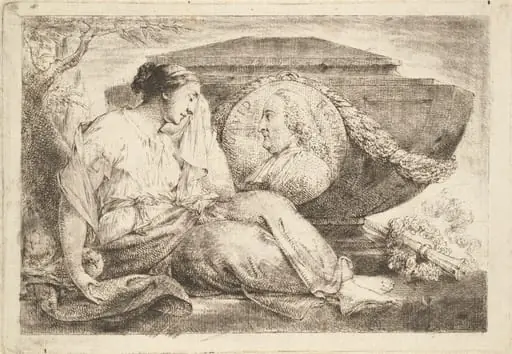
Love Mourns at the Tomb of Preacher Bruhn (Am Grabmal des predigers Bruhn trauert die eheliche Liebe)
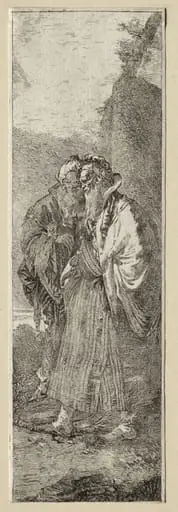
Two Old Men in a Landscape
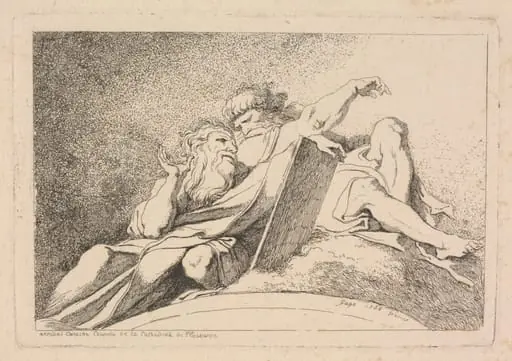
The Two Prophets
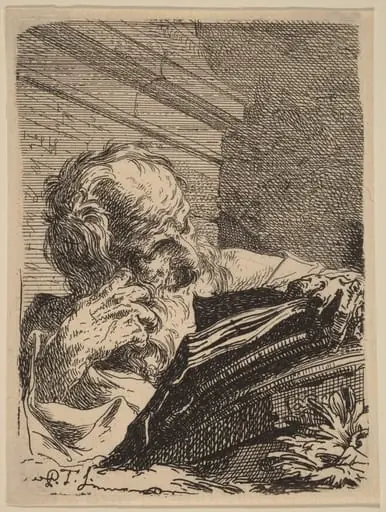
A Philosopher
Une Représentation a bénéfice
Abraham's Sacrifice
Old Man with Bare Head
Your cart is empty
Explore artworks →