Artwork
Love Mourns at the Tomb of Preacher Bruhn (Am Grabmal des predigers Bruhn trauert die eheliche Liebe)
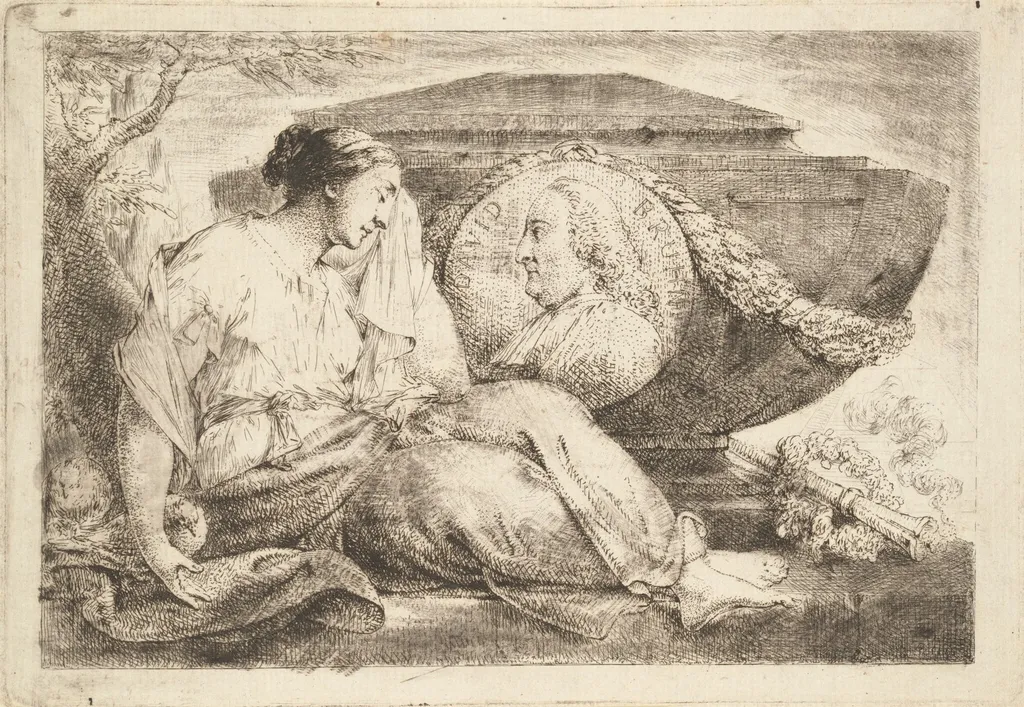
Love Mourns at the Tomb of Preacher Bruhn (Am Grabmal des predigers Bruhn trauert die eheliche Liebe) is an ink print by the Romanticist artist Bernhard Rode. It dates from 1790 and is held in the collection of the National Gallery of Art.
About this work
Overview
Created circa 1790, this print by Bernhard Rode combines etching, roulette and stipple techniques on laid paper. It portrays a solitary woman seated beside a modest tomb, her posture bowed and veil in hand, while a dog rests at her feet and a bird perches nearby. The composition conveys a restrained, somber atmosphere, emphasizing personal loss.
Subject & Meaning
The central figure represents a grieving spouse mourning the death of the preacher Bruhn, suggested by the title. The inclusion of domestic symbols—a dog and a bird—alongside the tomb and scattered flowers underscores themes of fidelity, the passage of time, and the quiet persistence of love amid death.
Technique & Style
Rode employs fine, closely spaced lines to model the woman's face and drapery, while roulette and stipple work produce subtle tonal gradations in the background. The use of laid paper adds a textured surface that enhances the depth of shadows, creating a delicate balance between line and tone typical of late‑18th‑century German printmaking.
History & Provenance
Bernhard Rode, director of the Berlin Academy of the Arts, was active in the intellectual circles of the Berlin Enlightenment. Though the original ownership record is unclear, the work reflects Rode’s engagement with contemporary philosophical and political discourse, often expressed through allegorical and emotive subjects.
Context
The image aligns with the period’s interest in moralizing genre scenes, where personal grief is linked to broader social and philosophical concerns. Rode’s connections with figures such as Friedrich Nicolai and Gotthold Lessing suggest that the print may have been intended for an audience attuned to Enlightenment ideas about sentiment and virtue.
Own this work as a print
Artist & collection
Artist
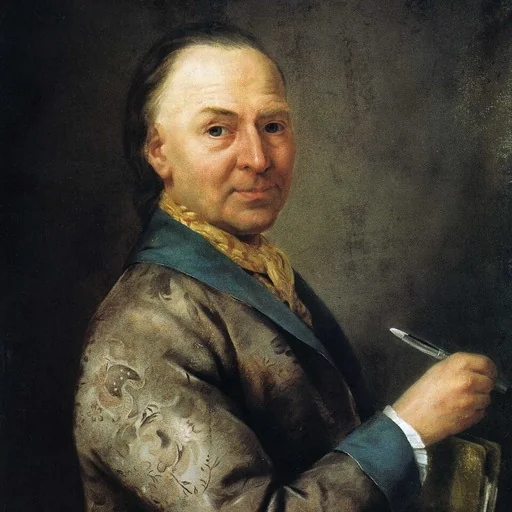
Bernhard Rode (25 July 1725 – 28 June 1797) was a Prussian artist and engraver well known for portraying historical scenes and allegorical works.

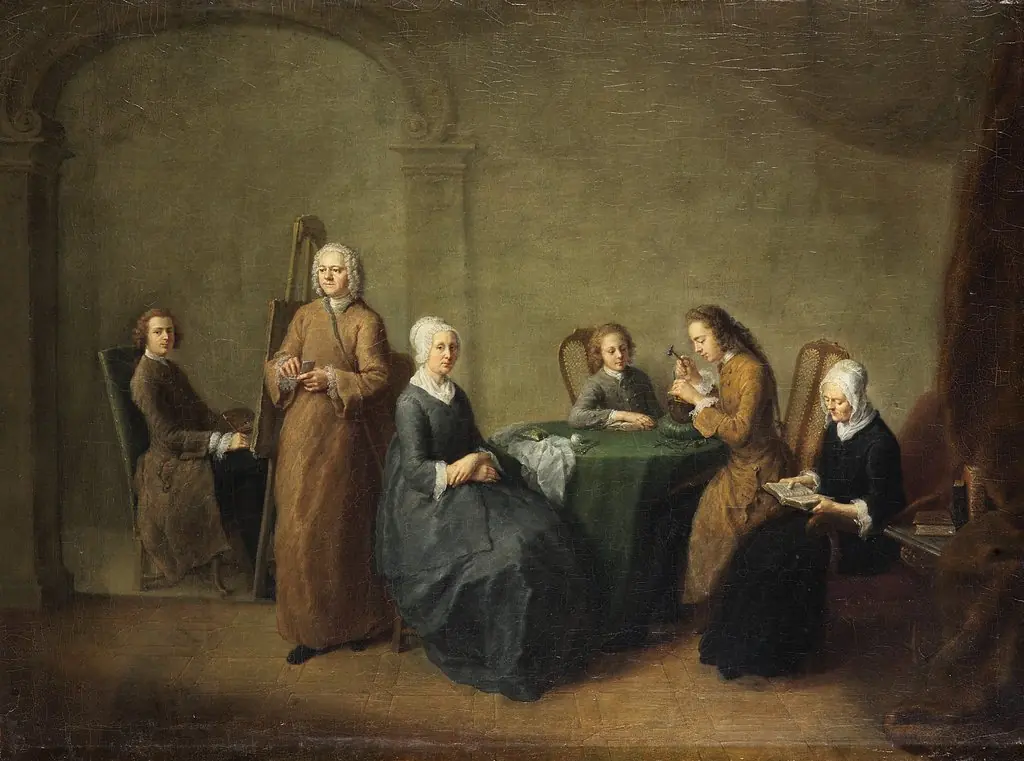 The Artist with his Family
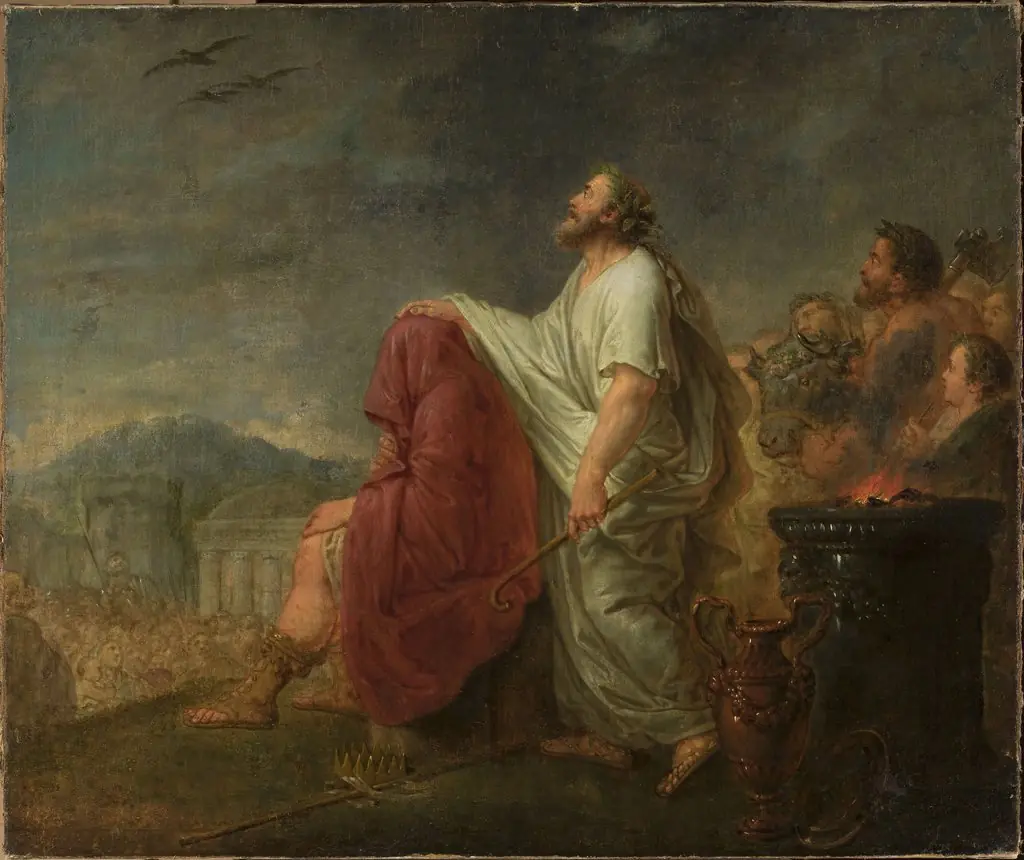 Ancient scene of sacrifice
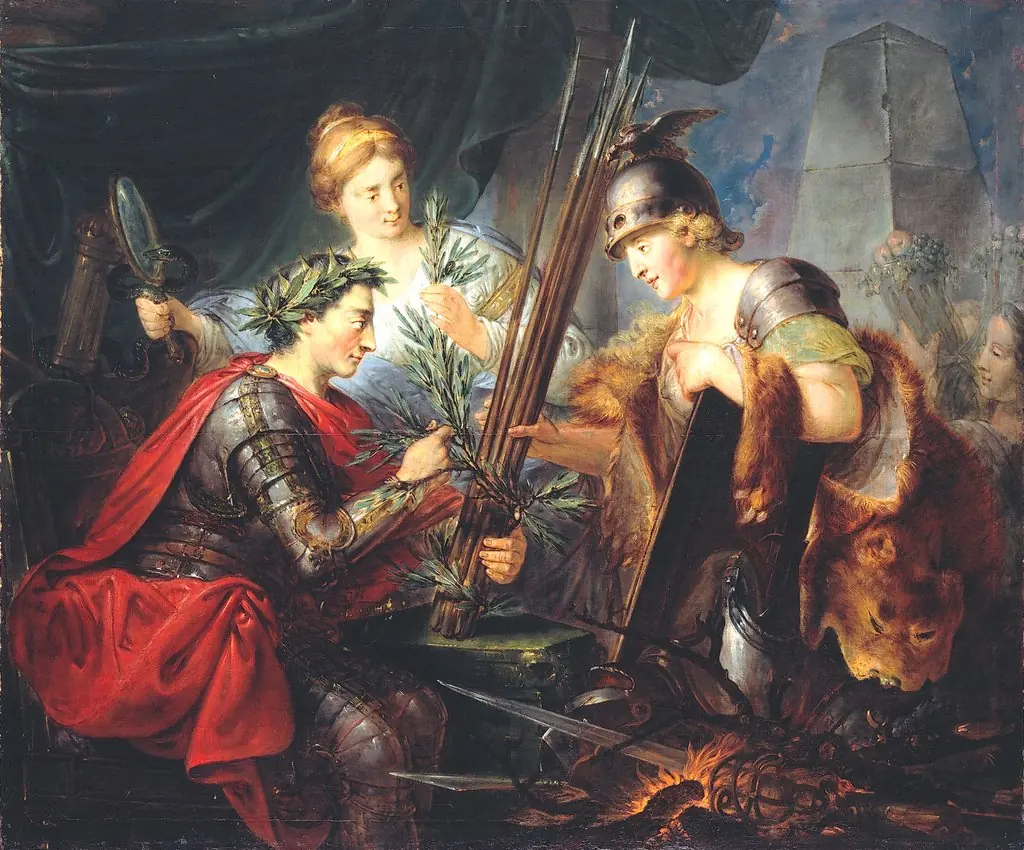 Allegory of Frederick the Great as the founder of the German Prince League
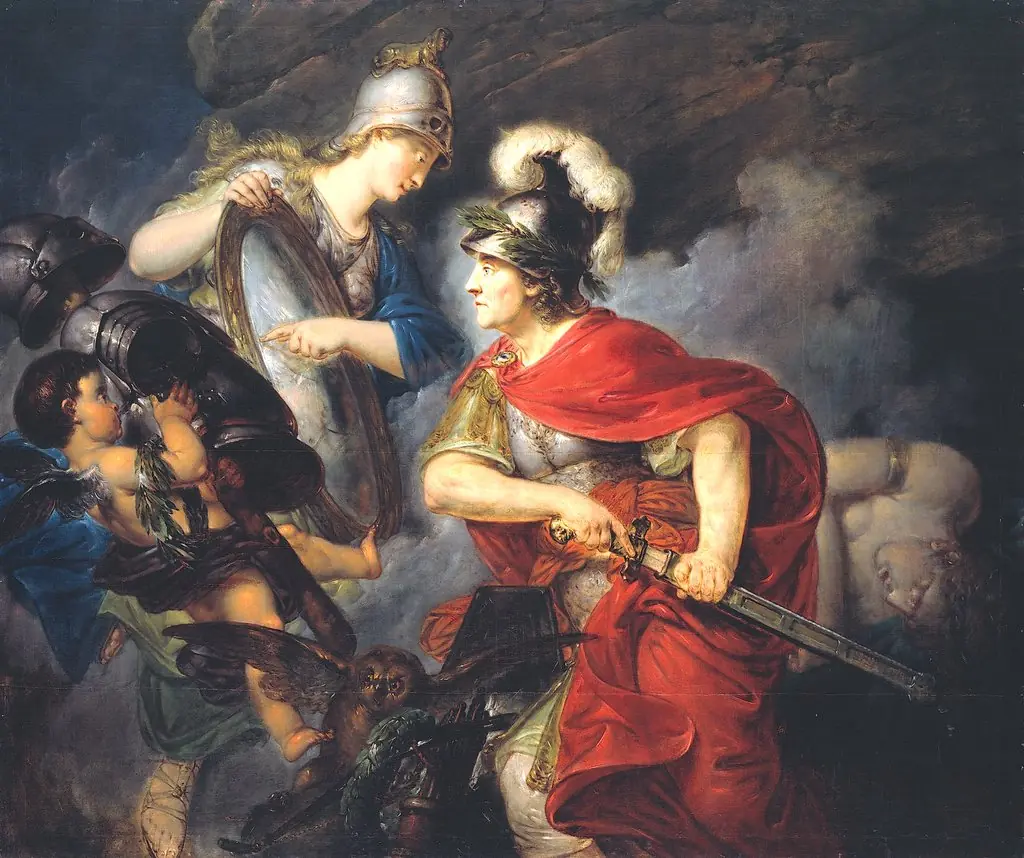 Allegory of Frederick the Great as Perseus
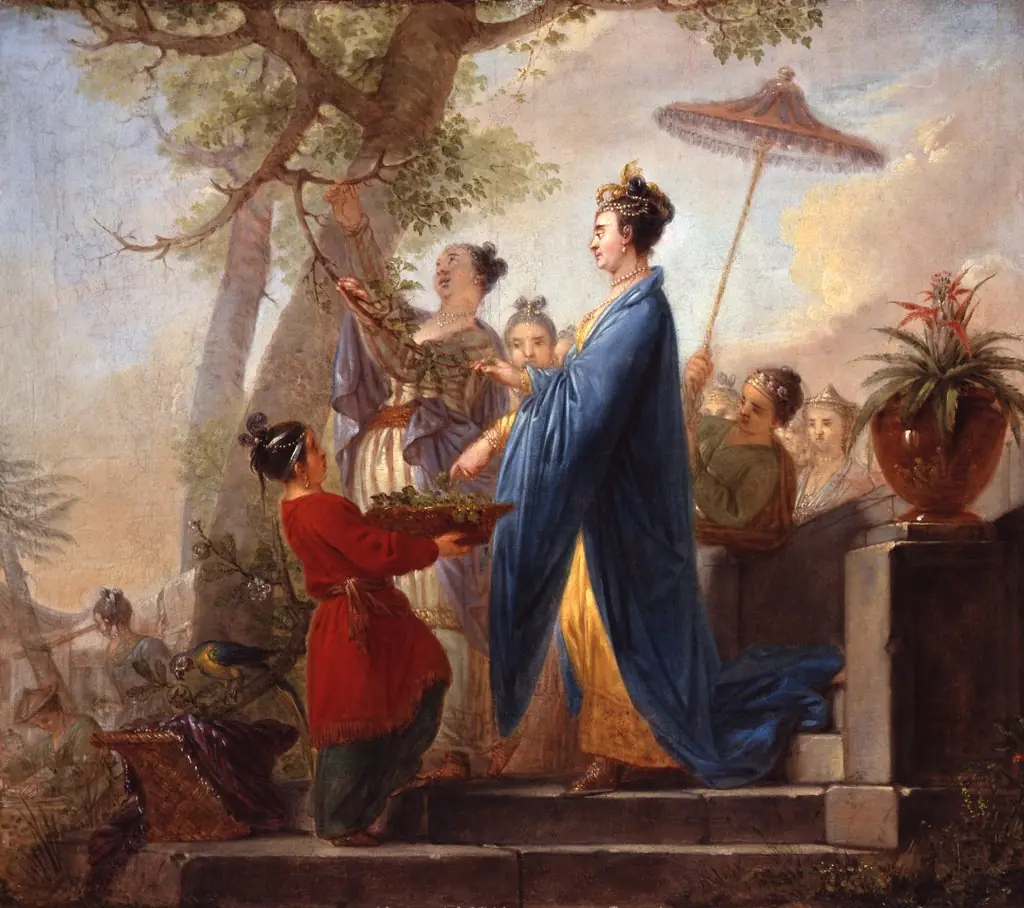 The Empress of China Picks the First Mulberry Leaves in Honour of Silk Cultivation
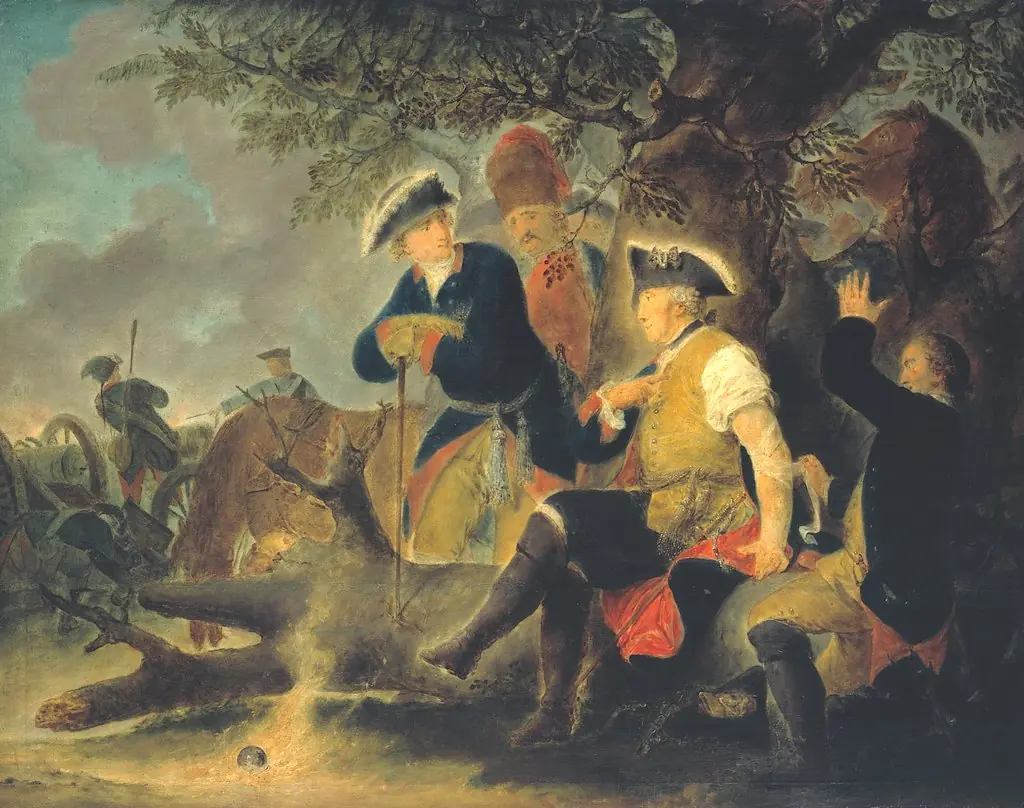 Friedrich und der Feldscher
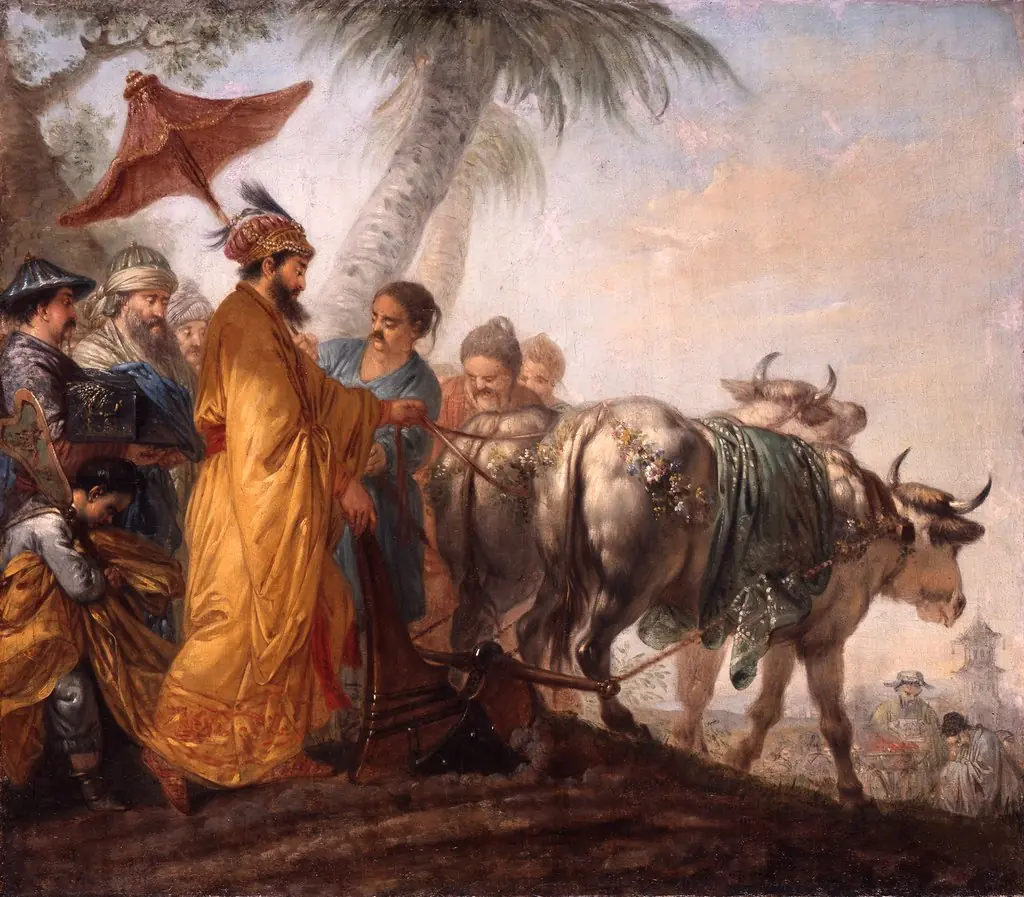 The Emperor of China Ploughs the First Furrow in Honour of Agriculture
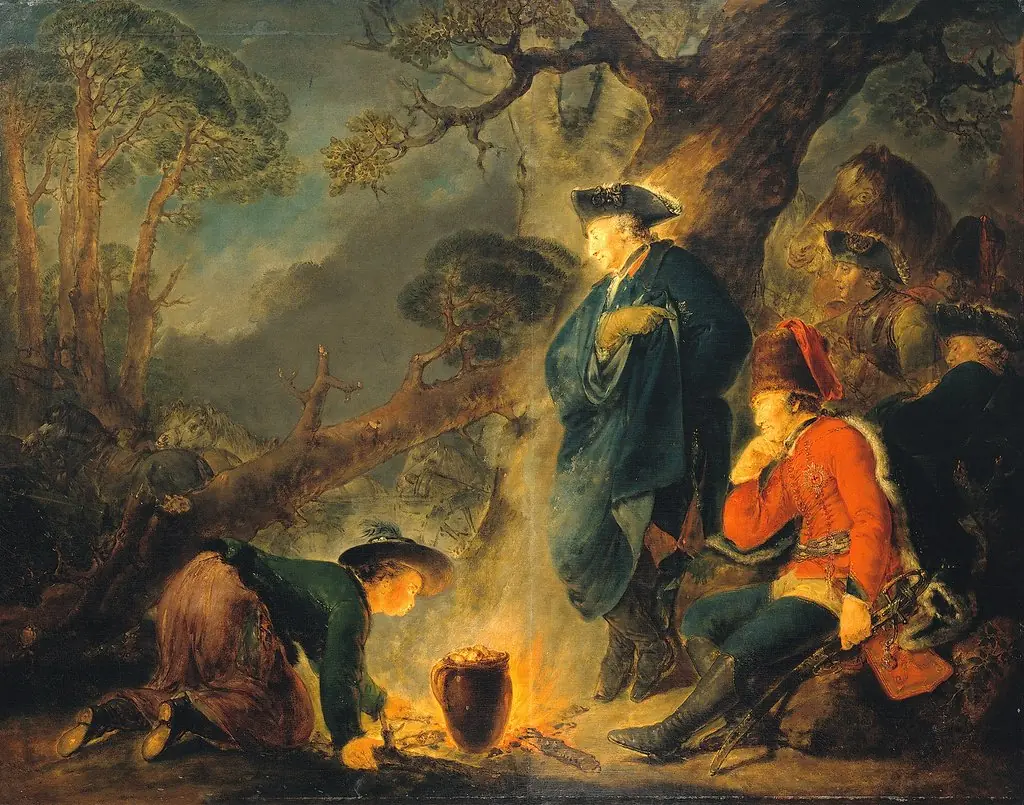 Frederick the Great before the Battle of Torgau