Artwork
Design for a ewer and a vase
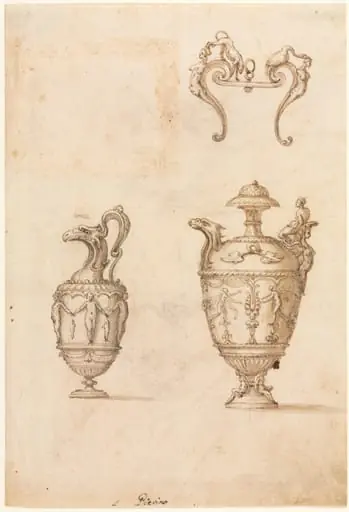
Design for a ewer and a vase is a drawing by Caldara. It is held in the collection of the Victoria and Albert Museum.
About this work
Overview
The drawing, attributed to Polidoro da Caravaggio and dated to around 1550, presents a preliminary design for two ceramic objects—a large ewer and a smaller vase. Executed in a light, gestural hand, the sketch is held in the Victoria and Albert Museum. It offers a glimpse of the artist’s preparatory process for decorative objects rather than a finished decorative work.
Subject & Meaning
The composition features a faintly rendered figure that appears to support the two vessels, emphasizing their forms rather than narrative content. The ewer is shown with a rounded body and a narrow neck, while the vase is smaller, with a simple silhouette. The drawing functions as a study of shape and proportion, intended to guide the eventual production of the objects.
Technique & Style
Polidoro employs quick, barely perceptible strokes, allowing only the outlines of the objects and the holding figure to emerge. The faintness of the lines suggests a rapid, exploratory approach typical of Mannerist draftsmen. Minimal shading and an almost erased quality convey the provisional nature of the design, focusing attention on the basic geometry of the forms.
History & Provenance
Created during Polidoro da Caravaggio’s mid‑career, the sketch entered the Victoria and Albert Museum’s collection in the 20th century, though the exact acquisition path is not recorded in public sources. The work survives as one of the few documentary pieces linked to Polidoro, whose larger decorative frescoes in Rome have largely disappeared.
Context
Polidoro, a former assistant to Raphael, earned a reputation in the early 16th century for elaborate façade decorations in Rome.
Polidoro, a former assistant to Raphael, earned a reputation in the early 16th century for elaborate façade decorations in Rome. By the 1550s, his practice had expanded to include designs for ornamental objects, reflecting the broader Mannerist interest in inventive forms and elaborate surface treatment. This drawing illustrates his engagement with applied arts alongside his more monumental mural work.
Artist & collection
Artist
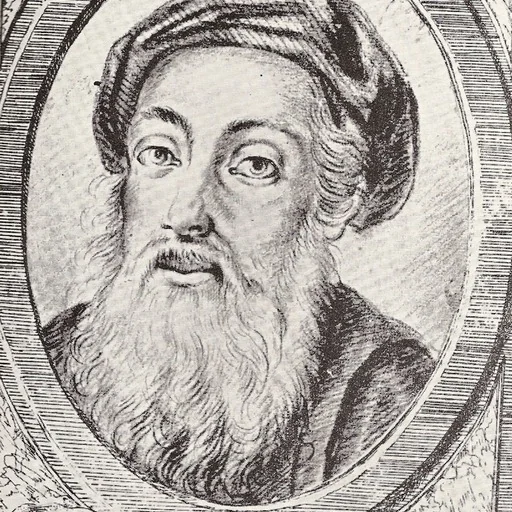
Polidoro Caldara, usually known as Polidoro da Caravaggio (c. 1499 – 1543), was an Italian painter of the Mannerist period, "arguably the most gifted and certainly the least conventional of Raphael's pupils", who was…

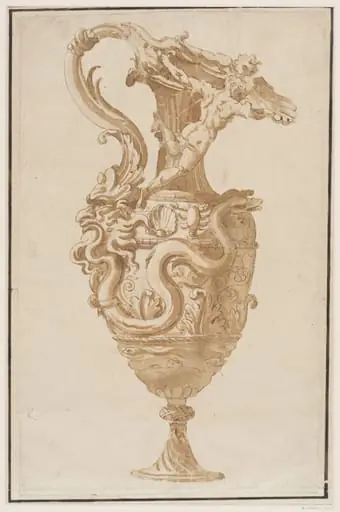 Design for a ewer with nude figures and serpents
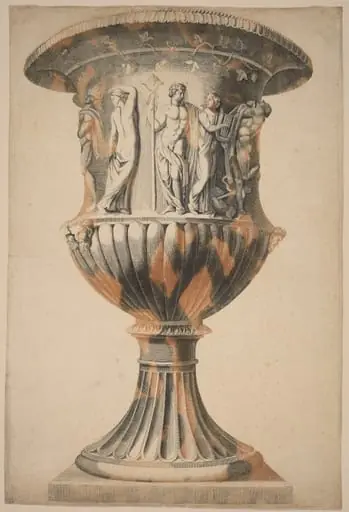 Borghese Vase
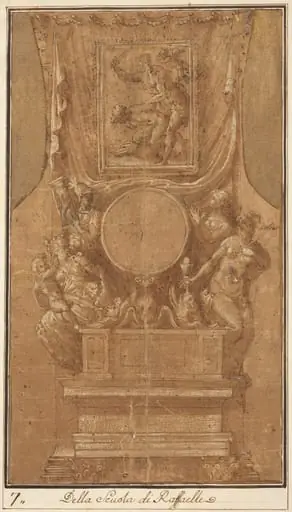 Design for an Altar
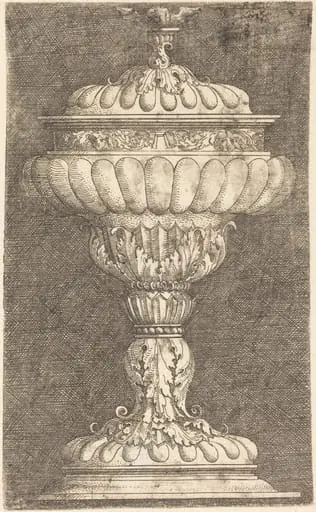 Covered Goblet with Winged Ball
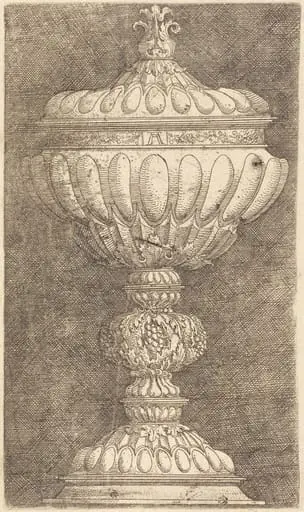 Covered Goblet with Grapes on the Stem
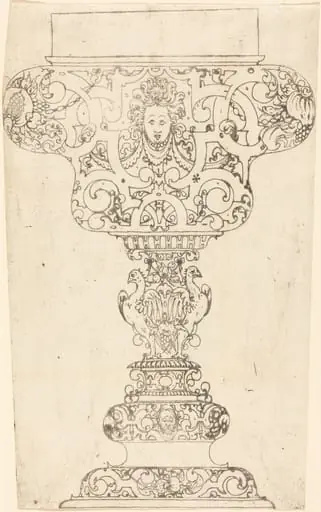 Ornament - Large Goblet
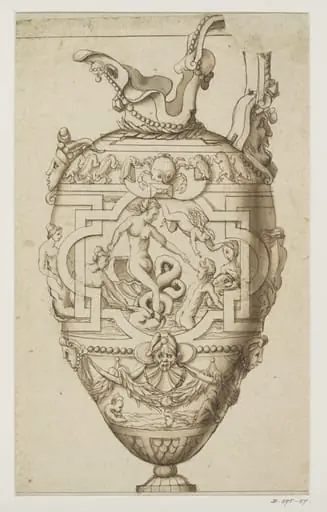 Copy of a design for a ewer
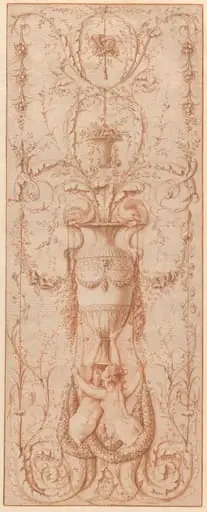 Design for a Decorative Panel with Two Sirens Holding a Vase Embellished with Dolphins and other Decorative Motifs
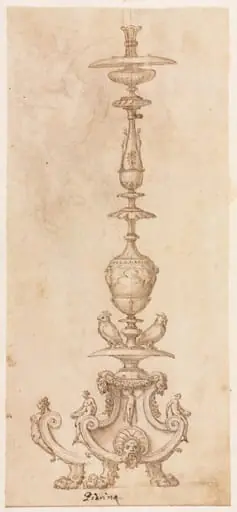 Design for a Candlestick