Artwork
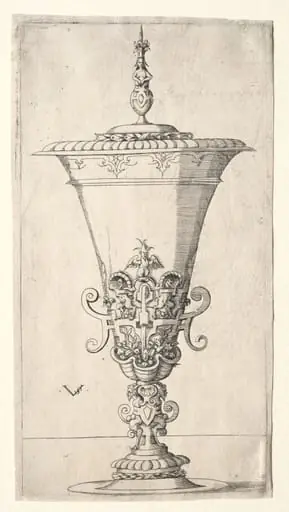
Design for a Vase
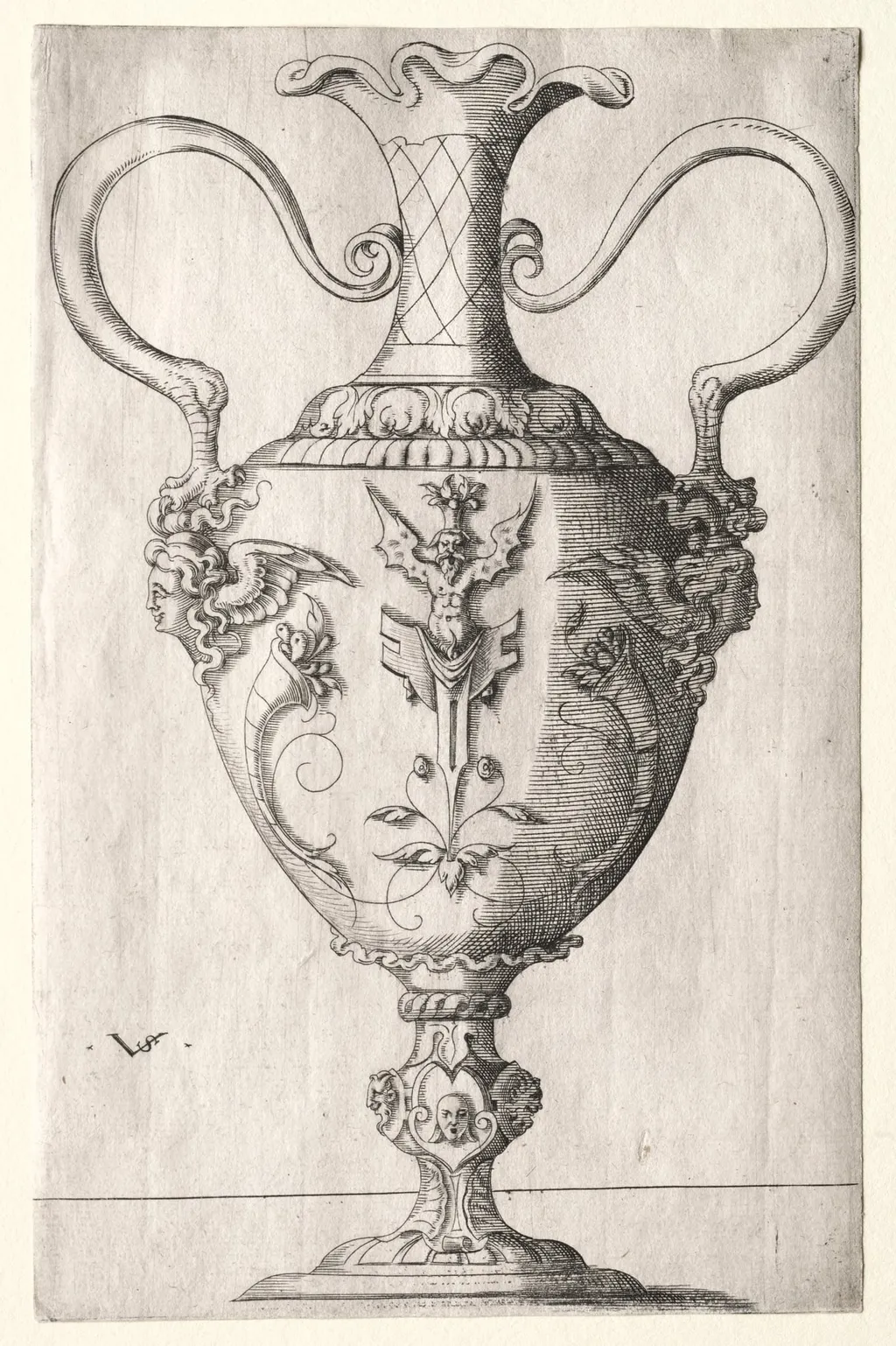
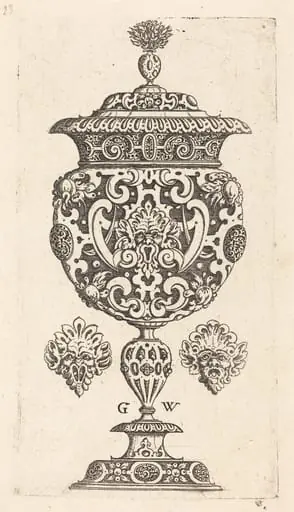
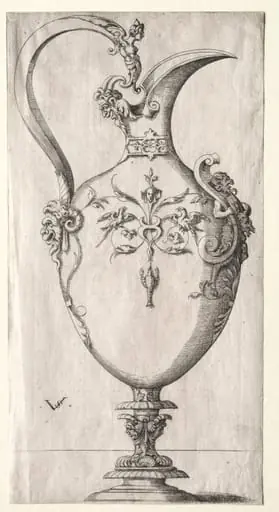
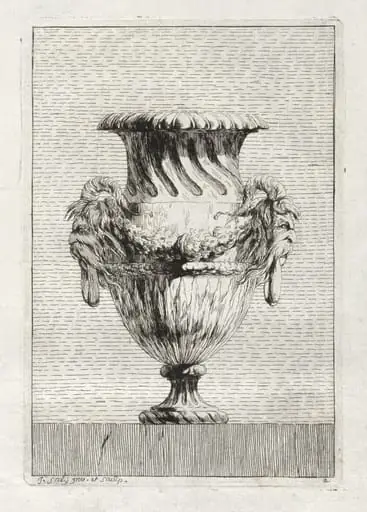
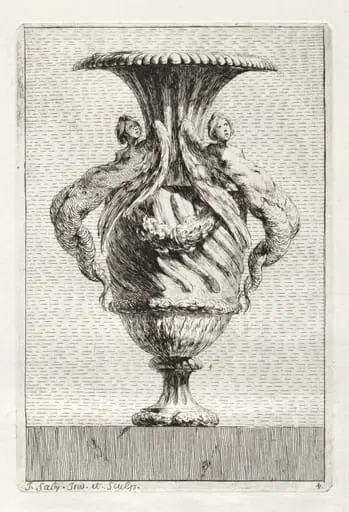
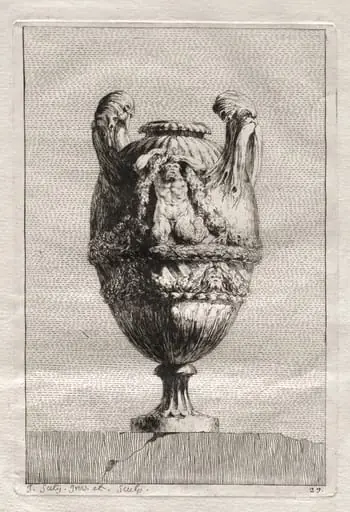
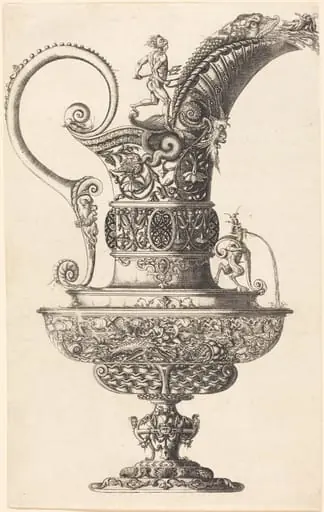
Design for a Vase is a print by the Renaissance artist Virgil Solis. It dates from 1504 and is held in the collection of the Cleveland Museum of Art.
About this work
Overview
Design for a Vase is a paper drawing attributed to the German artist Virgil Solis, dated to around 1504. The composition presents a single, elongated vase with two gracefully curved handles, rendered in ink. The work is part of the collection of the Cleveland Museum of Art in Ohio.
Subject & Meaning
The drawing focuses on an ornamental vessel, emphasizing its decorative elements rather than narrative content. The vase is embellished with swirling motifs, foliage, and tiny facial figures that emerge near the handles, suggesting a playful interaction between form and ornament.
Technique & Style
Solis employs fine, precise lines and cross‑hatching to model volume, a technique typical of Renaissance draftsmen. The shading creates a sense of three‑dimensionality on the flat paper, while the intricate detailing reflects the period’s fascination with elaborate decorative patterns.
History & Provenance
Created in the early sixteenth century, the drawing entered the Cleveland Museum of Art’s holdings through acquisition in the twentieth century. Its attribution to Solis aligns with his known output of prints and designs for decorative objects.
Context
The work exemplifies the Northern Renaissance interest in decorative arts, where designers produced patterns for metalwork, ceramics, and other objects. Such drawings served as models for craftsmen, bridging the gap between fine art and applied design.
Artist & collection

Artist
Virgil Solis or Virgilius Solis (1514 – 1 August 1562), a member of a prolific family of artists, was a German draughtsman and printmaker in engraving, etching and woodcut who worked in his native city of Nuremberg.