Artwork
Duel with Swords
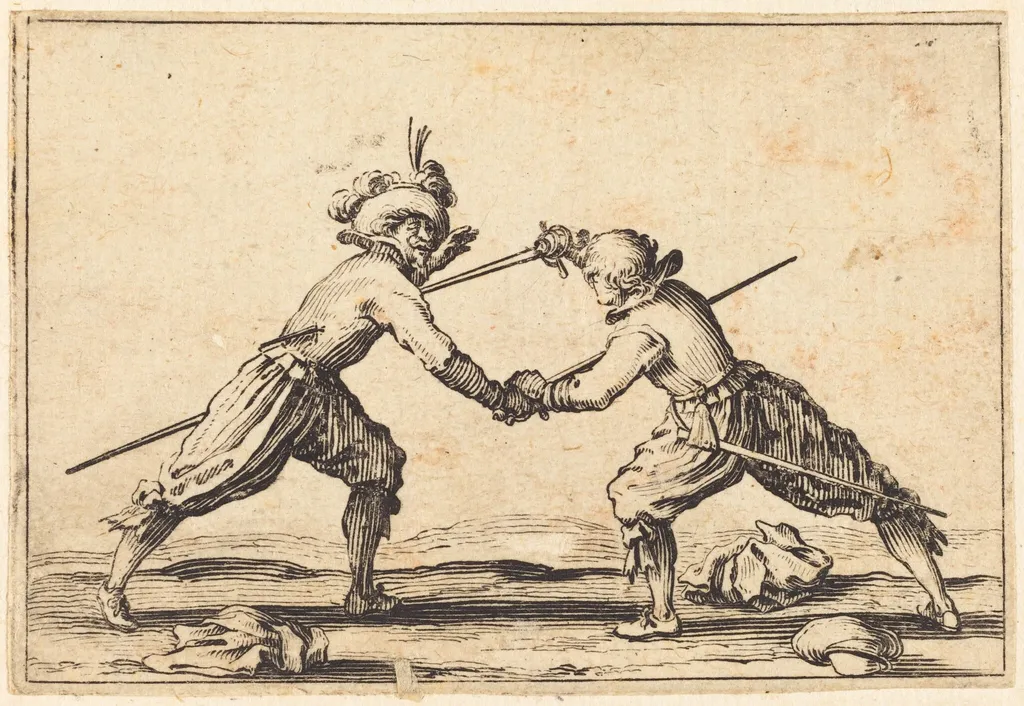
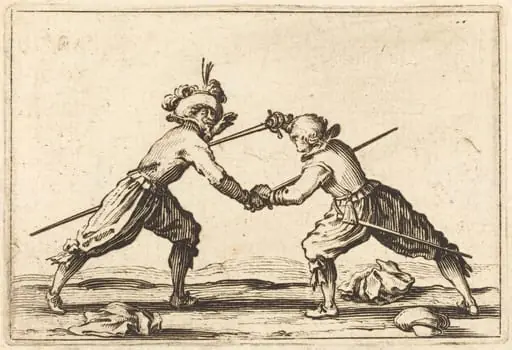
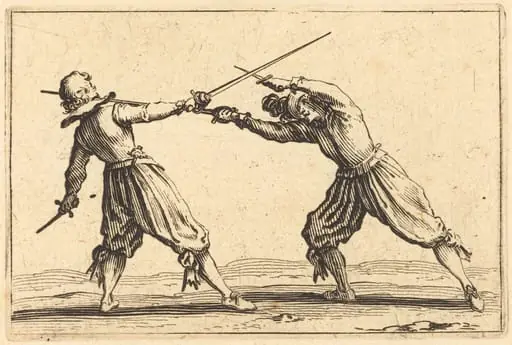
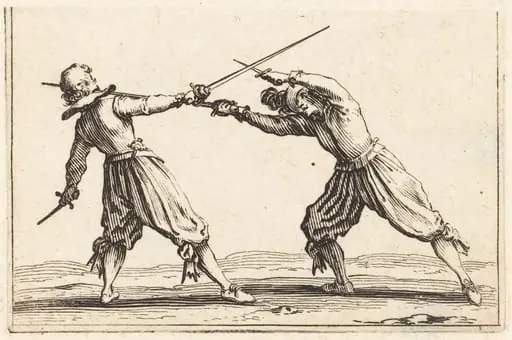
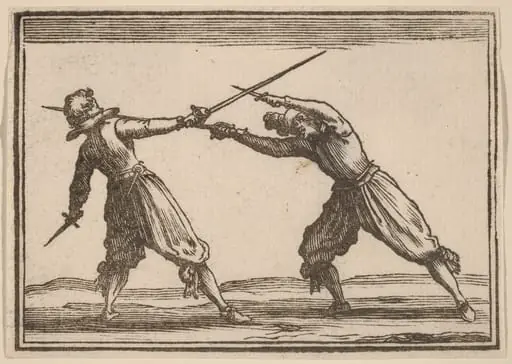
Duel with Swords is an ink print by the Baroque artist Jacques Callot. It dates from 1622 and is held in the collection of the National Gallery of Art.
About this work
Overview
His technical precision in etching allowed for fine detail and dynamic composition, distinguishing his approach within early 17th-century printmaking.
Created around 1622 by Jacques Callot, *Duel with Swords* is an etching on laid paper that captures a moment of violent intimacy between two figures. As part of a prolific output of over 1,400 prints, this work reflects Callot’s interest in the physicality and drama of everyday conflict. His technical precision in etching allowed for fine detail and dynamic composition, distinguishing his approach within early 17th-century printmaking.
Subject & Meaning
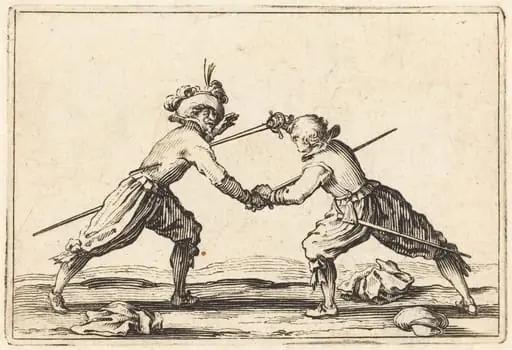
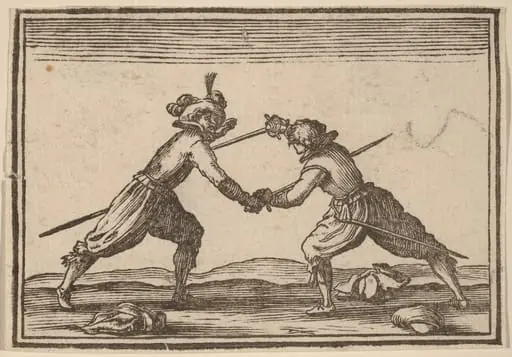
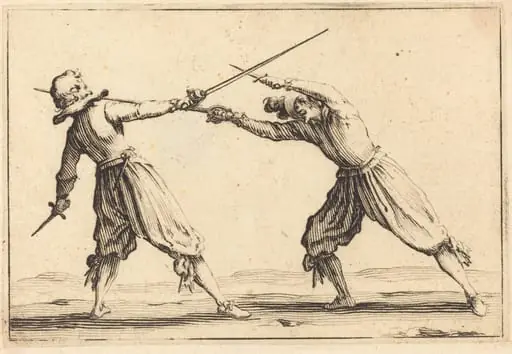
The print portrays two men in a sword duel, one kneeling and lunging, the other upright and defensive. Their attire—loose garments and tall hats—suggests differing social roles, possibly a soldier and a nobleman. The scene lacks narrative context, focusing instead on the tension of the moment. Callot presents violence not as heroic spectacle but as a raw, personal encounter, grounded in observed reality rather than myth or allegory.
Technique & Style
Callot employed fine, controlled etching lines to render muscular tension and spatial depth. The figures are defined by sharp contours and subtle shading, while the uneven ground—marked by scattered strokes and textured rocks—adds a sense of unstable terrain. The crossing swords create a diagonal axis that heightens the sense of arrested motion. His use of the etching needle allowed for intricate detail, characteristic of his mastery over the medium.
History & Provenance
The print was made during Callot’s time in Florence, where he was influenced by Italian artistic traditions and the prevalence of dueling culture among the elite. Though no specific early ownership records are documented, the work aligns with his broader series on military and civilian life, which circulated widely in Europe. Its survival in multiple institutional collections attests to its enduring recognition among print collectors.
Context
In early 17th-century Europe, dueling was a contested social practice, legally banned yet culturally persistent. Callot’s etchings often recorded such behaviors with observational neutrality, avoiding moral judgment. This piece fits within a larger body of work that documented soldiers, street scenes, and public spectacles, offering a visual archive of a society in flux amid religious conflict and shifting class dynamics.
Legacy
Callot’s technical innovations in etching, including the use of the *échoppe* needle, influenced generations of printmakers. *Duel with Swords* exemplifies his ability to convey psychological and physical intensity through line alone. While not widely exhibited as a singular icon, it remains a representative example of his contribution to the documentary potential of printmaking in the Baroque era.
Artist & collection
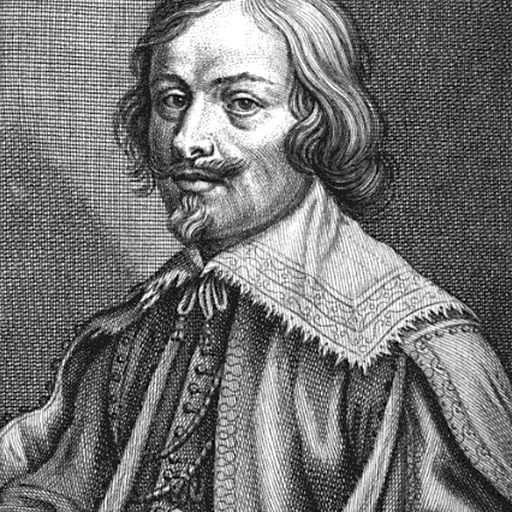
Artist
Jacques Callot was a baroque printmaker and draftsman from the Duchy of Lorraine.

 Holy Family at supper
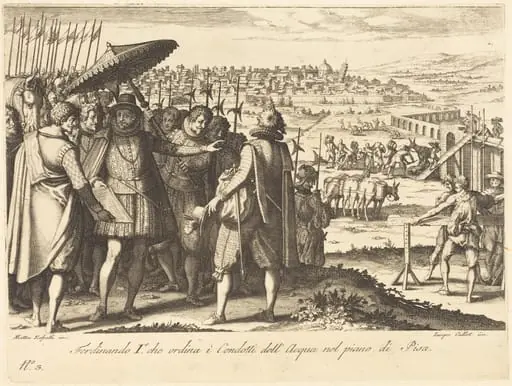 Restoration of the Aqueduct at Pisa
 Restoration of the Aqueduct at Pisa
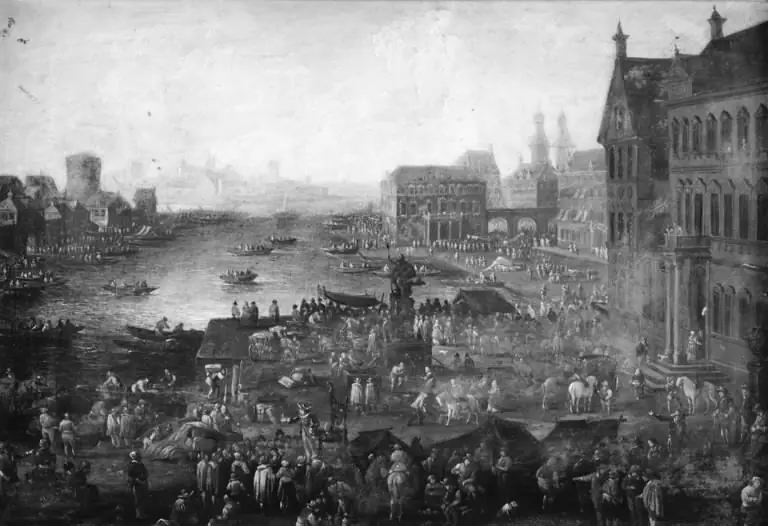 Square in Paris with Many Figures
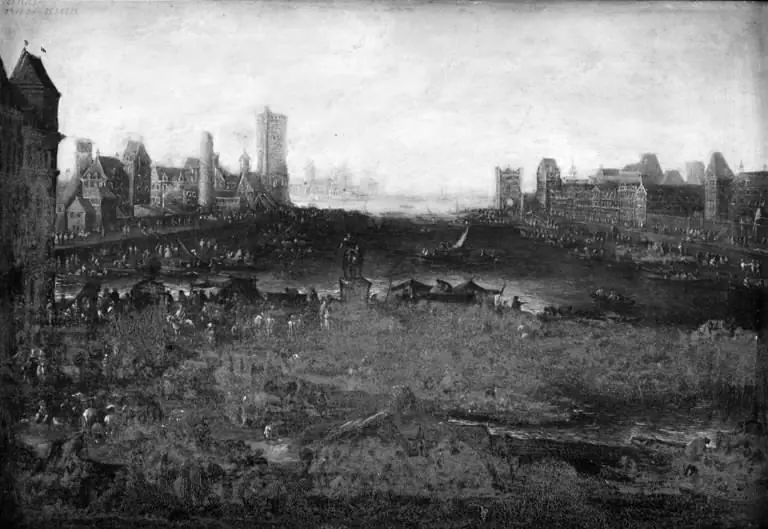 Square in Paris with Many Figures
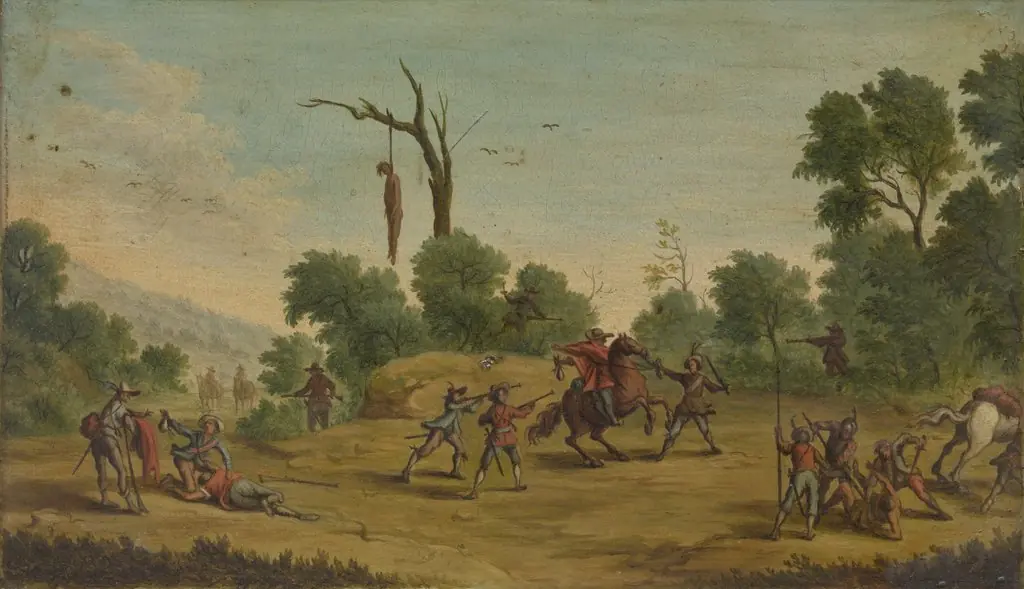 Horsemen Attacked by Robbers
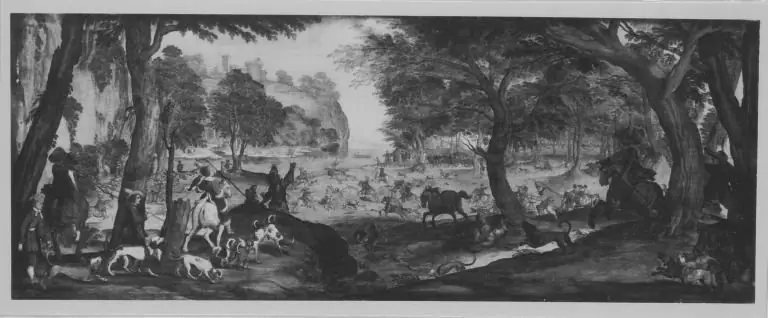 HOW WILL A COVERED PART BE CORRECTED?HOW WIKA A COVERED HEART DEED CORRECTED?
![Christ Walking on the Water [second plate], by Jacques Callot](https://artifactworldgallery.com/img/jacques-callot--christ-walking-on-the-water-second-plate--2069f3bfe4cb2126-w320.webp) Christ Walking on the Water [second plate]
Christ Walking on the Water [second plate]